
AI coaching for active listening skills in high-stress patient calls
-
 Bella Williams
 - 10 min read

In the complex world of healthcare, effective communication is paramount, especially during high-stress patient calls. Healthcare contact center agents are often the first point of contact for patients who may be facing life-altering decisions, medical emergencies, or emotional distress. These conversations require a delicate balance of empathy, compliance with regulations like HIPAA, and the ability to convey critical information clearly. In this context, AI coaching emerges as a powerful tool to enhance active listening skills, enabling agents to navigate these challenging interactions with confidence and compassion.
The Healthcare Conversation Reality
Healthcare conversations are unique in their emotional weight and regulatory complexities. For patients and their families, the stakes are incredibly high. They may be grappling with fears about diagnoses, treatment options, or financial implications. For agents, the pressure mounts as they must adhere to strict compliance guidelines while also providing empathetic support.
For patients/families:
- The fear of the unknown can lead to emotional dysregulation, making communication more challenging.
- Patients often lack medical literacy, which can complicate their understanding of diagnoses and treatment options.
- Frustration with the healthcare system, including long wait times and billing disputes, can escalate emotions during calls.
For agents:
- They must navigate HIPAA regulations that restrict what can be shared and with whom, often leading to difficult conversations.
- Agents absorb the emotional weight of each call, which can lead to burnout if not managed properly.
- They face the moral complexity of wanting to help while being bound by policies and procedures.
Understanding this reality is crucial for developing effective training programs that equip agents with the necessary skills to handle high-stress situations.
AI Coaching: A Solution for Active Listening
Traditional training methods in healthcare often focus on compliance and medical terminology, neglecting the essential soft skills needed for effective communication. AI coaching provides a solution by creating a safe space for agents to practice and enhance their active listening skills in realistic scenarios.
How AI Coaching Works
AI coaching platforms, such as Insight7, utilize advanced technologies to simulate real-life conversations. Here’s how it works:
Scenario Selection: Agents can choose from a variety of scenarios that reflect common high-stress situations, such as delivering bad news or handling billing disputes.
Dynamic Roleplay: Agents engage in unscripted conversations with AI personas that adapt in real time, mirroring the emotional tone and urgency of actual patient calls.
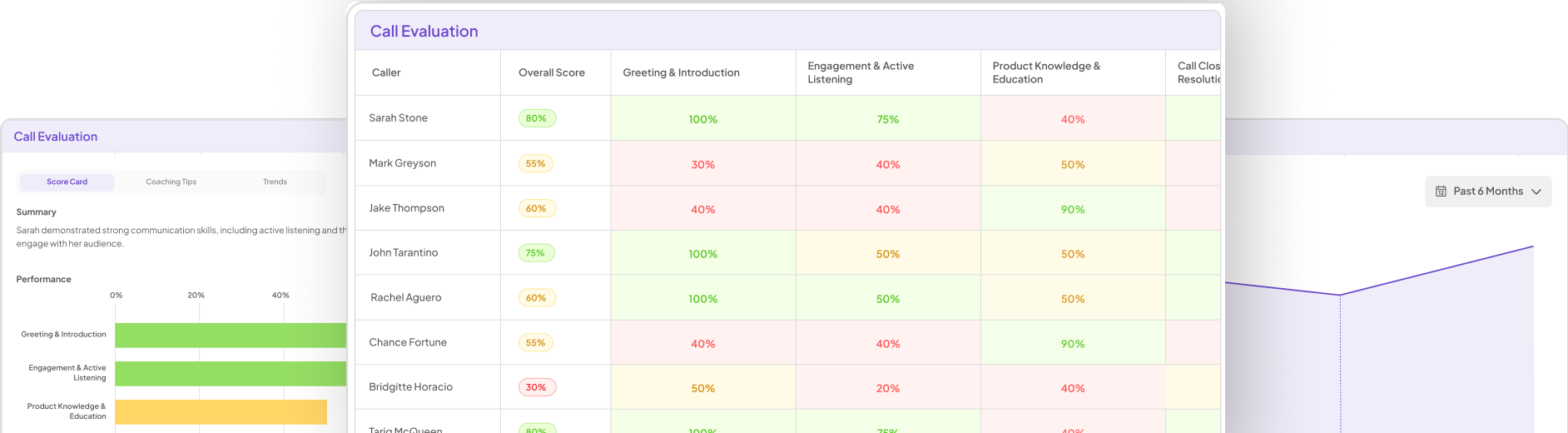
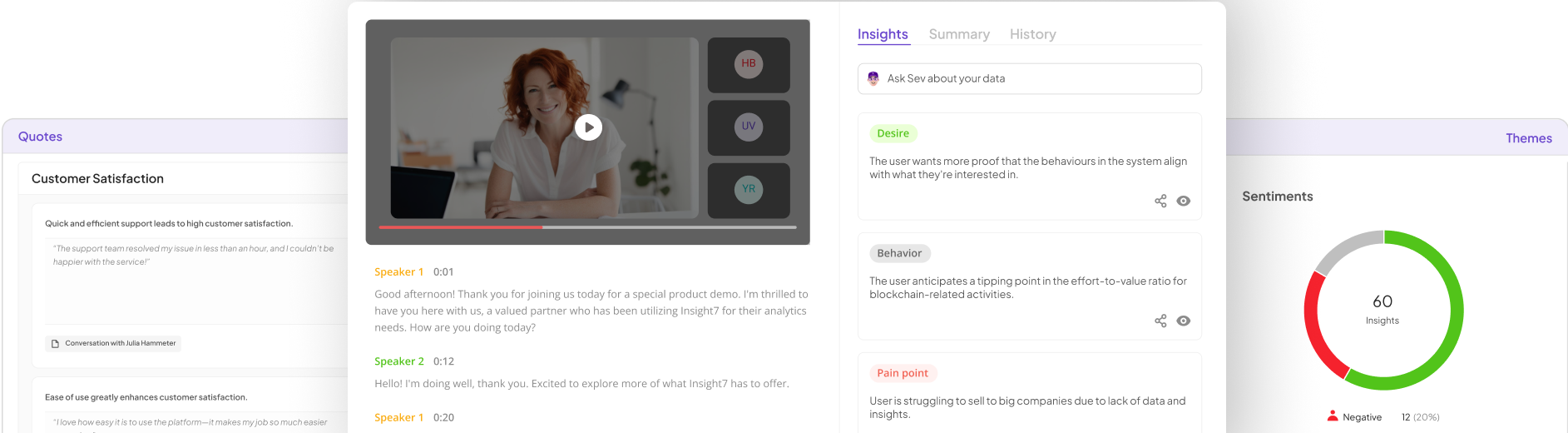
Automated Feedback: After each interaction, the AI analyzes the conversation, providing insights on empathy, clarity, and active listening. This immediate feedback allows agents to identify areas for improvement.
Continuous Practice: The platform enables agents to practice repeatedly without the risk of real-world consequences, helping them build confidence and competence.
By incorporating AI coaching into their training programs, healthcare organizations can ensure that agents are not only compliant but also equipped to handle the emotional complexities of patient interactions.
Practical Implementation of AI Coaching
To effectively implement AI coaching for active listening skills, healthcare organizations should follow these steps:
Preparation:
- Identify Training Goals: Define the specific communication skills that need enhancement, such as empathy, clarity, and active listening.
- Select Scenarios: Choose relevant scenarios that reflect the types of calls agents typically handle, ensuring they cover a range of emotional contexts.
Execution:
- Engage in Roleplay: Allow agents to practice with AI personas, focusing on maintaining empathy while adhering to compliance protocols.
- Monitor Performance: Use the AI’s feedback to track progress and identify common challenges faced by agents during calls.
Evaluation:
- Assess Skill Development: Regularly evaluate agents’ performance based on the AI’s scoring system, focusing on areas like empathy and clarity.
- Gather Feedback: Collect feedback from agents about their experiences with the AI coaching platform to refine the training process.
Iteration & Improvement:
- Adjust Scenarios: Continuously update the scenario library based on emerging trends in healthcare communication and feedback from agents.
- Reinforce Learning: Encourage agents to revisit challenging scenarios periodically to reinforce their skills and build confidence.
By following this structured approach, healthcare organizations can effectively integrate AI coaching into their training programs, leading to improved communication skills among agents.
The Value of AI Coaching in High-Stress Situations
The emotional and regulatory complexities of healthcare conversations make it essential for agents to develop strong active listening skills. AI coaching not only enhances these skills but also provides agents with the tools they need to navigate difficult conversations with empathy and clarity.
Improved Patient Outcomes: When agents are trained to listen actively and respond empathetically, patients feel heard and understood, leading to better overall satisfaction with their healthcare experience.
Reduced Burnout: By equipping agents with the skills to manage high-stress situations effectively, organizations can help reduce emotional fatigue and burnout, ultimately leading to a healthier workforce.
Enhanced Compliance: AI coaching reinforces the importance of compliance while allowing agents to practice delivering difficult information in a compassionate manner, ensuring that patient privacy is respected.
In conclusion, AI coaching for active listening skills in high-stress patient calls is a transformative approach that empowers healthcare agents to communicate effectively and empathetically. By investing in this innovative training method, organizations can enhance patient care, reduce burnout, and foster a culture of compassion and compliance within their teams.