
Agent coaching for building resilience in new hire onboarding
-
 Bella Williams
 - 10 min read

Agent coaching plays a crucial role in building resilience during new hire onboarding, ensuring that fresh employees adapt effectively to their roles. By leveraging AI-powered call analytics, organizations can provide tailored coaching insights that address individual strengths and weaknesses. This approach not only enhances the onboarding experience but also fosters a culture of continuous learning and improvement. In this article, we will explore how effective coaching strategies, supported by data-driven insights, can empower new hires to navigate challenges confidently, ultimately leading to improved performance and job satisfaction. We will also discuss the importance of emotional intelligence and adaptability in the onboarding process, equipping new employees with the tools they need to thrive in a dynamic work environment.
Agent Coaching Strategies for Building Resilience
Agent coaching is essential for building resilience in new hire onboarding, as it equips employees with the skills and confidence needed to adapt to their roles effectively. By utilizing AI-powered call analytics, organizations can provide personalized coaching insights that focus on individual strengths and weaknesses. This targeted approach not only enhances the onboarding experience but also fosters a culture of continuous learning and improvement. In this section, we will delve into effective coaching strategies that empower new hires to navigate challenges confidently, leading to improved performance and job satisfaction.
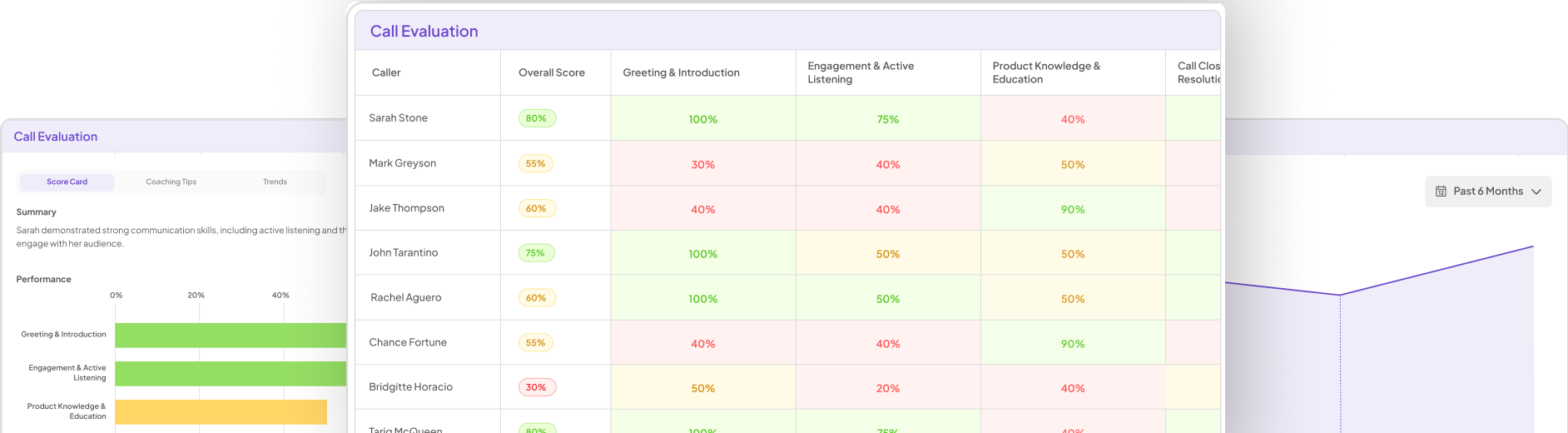
A key strategy for building resilience during onboarding is the implementation of AI-driven call evaluations. By automatically assessing customer interactions, organizations can score calls based on custom quality criteria, including tone, empathy, and resolution effectiveness. This data-driven feedback allows coaches to identify specific areas where new hires excel or struggle, enabling them to tailor coaching sessions accordingly. For instance, if a new hire consistently demonstrates strong empathy but struggles with resolution effectiveness, targeted coaching can focus on enhancing problem-solving skills while reinforcing their empathetic approach.
Another effective strategy is to leverage performance management tools that track agent progress over time. By continuously monitoring performance metrics, organizations can identify skill gaps and suggest targeted coaching recommendations. This ongoing assessment not only helps new hires understand their development trajectory but also instills a sense of accountability and motivation. When new hires see their progress reflected in performance dashboards, they are more likely to engage with the coaching process and strive for improvement.
Emotional intelligence plays a vital role in building resilience during the onboarding process. Coaches should emphasize the importance of understanding and managing emotions, both their own and those of customers. By integrating emotional intelligence training into coaching sessions, new hires can learn to navigate challenging customer interactions with empathy and composure. This not only enhances their ability to resolve conflicts but also fosters a positive work environment where employees feel supported and valued.
Additionally, organizations should create opportunities for new hires to practice their skills in real-world scenarios. Role-playing exercises, powered by AI insights, can simulate challenging customer interactions, allowing new hires to apply their training in a safe environment. These simulations can provide immediate feedback, helping new hires refine their communication and problem-solving skills. By practicing in a controlled setting, new hires can build confidence and resilience, preparing them for the complexities of real customer interactions.
Coaching should also focus on adaptability, a crucial trait for thriving in dynamic work environments. New hires should be encouraged to embrace change and view challenges as opportunities for growth. Coaches can facilitate discussions around adaptability, sharing strategies for managing stress and maintaining a positive outlook during difficult situations. By fostering a growth mindset, organizations can empower new hires to approach challenges with resilience and creativity.
Finally, it is essential to establish a supportive coaching culture within the organization. Leaders and coaches should prioritize open communication, encouraging new hires to seek help and share their experiences. By creating a safe space for dialogue, organizations can build trust and rapport, making it easier for new hires to voice concerns and seek guidance. This supportive environment not only enhances the onboarding experience but also contributes to long-term employee satisfaction and retention.
In conclusion, agent coaching strategies that leverage AI-powered insights, focus on emotional intelligence, and promote adaptability are crucial for building resilience in new hire onboarding. By providing personalized feedback, fostering a supportive culture, and creating opportunities for practice, organizations can empower new hires to navigate challenges confidently. This approach not only enhances individual performance but also contributes to a thriving organizational culture where employees feel equipped to succeed.
Comparison Table
Agent coaching is vital for building resilience during new hire onboarding, as it equips employees with the skills and confidence necessary to adapt effectively to their roles. By leveraging AI-powered call analytics, organizations can provide tailored coaching insights that address individual strengths and weaknesses. This targeted approach not only enhances the onboarding experience but also fosters a culture of continuous learning and improvement. Effective coaching strategies, supported by data-driven insights, empower new hires to navigate challenges confidently, leading to improved performance and job satisfaction.
AI-driven call evaluations automatically assess customer interactions, scoring calls based on criteria like tone and empathy. This data-driven feedback helps coaches identify areas where new hires excel or struggle, allowing for tailored coaching sessions. Additionally, performance management tools track agent progress over time, helping new hires understand their development trajectory and instilling a sense of accountability.
Emotional intelligence is crucial in building resilience during onboarding. Coaches should emphasize understanding and managing emotions, both their own and those of customers. Integrating emotional intelligence training into coaching sessions enables new hires to navigate challenging interactions with empathy and composure.
Creating opportunities for new hires to practice skills in real-world scenarios is also essential. Role-playing exercises, powered by AI insights, simulate challenging customer interactions, allowing new hires to apply their training in a safe environment. These simulations provide immediate feedback, helping refine communication and problem-solving skills.
Coaching should also focus on adaptability, encouraging new hires to embrace change and view challenges as growth opportunities. Facilitating discussions around adaptability helps new hires manage stress and maintain a positive outlook during difficult situations.
Finally, establishing a supportive coaching culture is essential. Leaders and coaches should prioritize open communication, encouraging new hires to seek help and share experiences. This supportive environment enhances the onboarding experience and contributes to long-term employee satisfaction and retention.
In conclusion, agent coaching strategies that leverage AI-powered insights, focus on emotional intelligence, and promote adaptability are crucial for building resilience in new hire onboarding. By providing personalized feedback, fostering a supportive culture, and creating opportunities for practice, organizations can empower new hires to navigate challenges confidently, enhancing individual performance and contributing to a thriving organizational culture.
Selection Criteria
Agent coaching is essential for building resilience in new hire onboarding, equipping employees with the skills and confidence needed to adapt effectively to their roles. By leveraging AI-powered call analytics, organizations can provide personalized coaching insights that focus on individual strengths and weaknesses. This targeted approach enhances the onboarding experience and fosters a culture of continuous learning and improvement. Key strategies include implementing AI-driven call evaluations, utilizing performance management tools, emphasizing emotional intelligence, creating real-world practice opportunities, promoting adaptability, and establishing a supportive coaching culture. Together, these strategies empower new hires to navigate challenges confidently, leading to improved performance and job satisfaction.
AI-driven call evaluations automatically assess customer interactions, scoring calls based on criteria like tone, empathy, and resolution effectiveness. This data-driven feedback enables coaches to identify specific areas where new hires excel or struggle, allowing for tailored coaching sessions. Additionally, performance management tools track agent progress over time, helping new hires understand their development trajectory and instilling a sense of accountability.
Emotional intelligence plays a crucial role in building resilience during onboarding. Coaches should emphasize the importance of understanding and managing emotions, both their own and those of customers. By integrating emotional intelligence training into coaching sessions, new hires can learn to navigate challenging customer interactions with empathy and composure.
Creating opportunities for new hires to practice their skills in real-world scenarios is also essential. Role-playing exercises, powered by AI insights, simulate challenging customer interactions, allowing new hires to apply their training in a safe environment. These simulations provide immediate feedback, helping refine communication and problem-solving skills.
Coaching should also focus on adaptability, encouraging new hires to embrace change and view challenges as opportunities for growth. Facilitating discussions around adaptability helps new hires manage stress and maintain a positive outlook during difficult situations.
Finally, establishing a supportive coaching culture is vital. Leaders and coaches should prioritize open communication, encouraging new hires to seek help and share experiences. This supportive environment enhances the onboarding experience and contributes to long-term employee satisfaction and retention.
In conclusion, agent coaching strategies that leverage AI-powered insights, focus on emotional intelligence, and promote adaptability are crucial for building resilience in new hire onboarding. By providing personalized feedback, fostering a supportive culture, and creating opportunities for practice, organizations can empower new hires to navigate challenges confidently, enhancing individual performance and contributing to a thriving organizational culture.
Implementation Guide
Agent coaching is essential for building resilience during new hire onboarding, equipping employees with the skills and confidence needed to adapt effectively to their roles. By leveraging AI-powered call analytics, organizations can provide tailored coaching insights that address individual strengths and weaknesses. This targeted approach not only enhances the onboarding experience but also fosters a culture of continuous learning and improvement. Key strategies include implementing AI-driven call evaluations, emphasizing emotional intelligence, creating real-world practice opportunities, promoting adaptability, and establishing a supportive coaching culture. Together, these strategies empower new hires to navigate challenges confidently, leading to improved performance and job satisfaction.
AI-driven call evaluations automatically assess customer interactions, scoring calls based on criteria like tone, empathy, and resolution effectiveness. This data-driven feedback enables coaches to identify specific areas where new hires excel or struggle, allowing for tailored coaching sessions. Additionally, performance management tools track agent progress over time, helping new hires understand their development trajectory and instilling a sense of accountability.
Emotional intelligence plays a crucial role in building resilience during onboarding. Coaches should emphasize the importance of understanding and managing emotions, both their own and those of customers. By integrating emotional intelligence training into coaching sessions, new hires can learn to navigate challenging customer interactions with empathy and composure.
Creating opportunities for new hires to practice their skills in real-world scenarios is also essential. Role-playing exercises, powered by AI insights, simulate challenging customer interactions, allowing new hires to apply their training in a safe environment. These simulations provide immediate feedback, helping refine communication and problem-solving skills.
Coaching should also focus on adaptability, encouraging new hires to embrace change and view challenges as opportunities for growth. Facilitating discussions around adaptability helps new hires manage stress and maintain a positive outlook during difficult situations.
Finally, establishing a supportive coaching culture is vital. Leaders and coaches should prioritize open communication, encouraging new hires to seek help and share experiences. This supportive environment enhances the onboarding experience and contributes to long-term employee satisfaction and retention.
In conclusion, agent coaching strategies that leverage AI-powered insights, focus on emotional intelligence, and promote adaptability are crucial for building resilience in new hire onboarding. By providing personalized feedback, fostering a supportive culture, and creating opportunities for practice, organizations can empower new hires to navigate challenges confidently, enhancing individual performance and contributing to a thriving organizational culture.
Frequently Asked Questions
Frequently Asked Questions
Q: What is agent coaching for building resilience in new hire onboarding?
A: Agent coaching for building resilience involves providing tailored support and training to new hires, helping them develop the skills and confidence needed to adapt to their roles effectively. This process often leverages AI-powered insights to personalize coaching based on individual strengths and weaknesses.
Q: How does AI enhance the coaching process?
A: AI enhances the coaching process by automatically evaluating customer interactions, scoring calls on criteria like tone and empathy, and providing data-driven feedback. This allows coaches to identify specific areas for improvement and tailor their coaching sessions accordingly.
Q: Why is emotional intelligence important in new hire onboarding?
A: Emotional intelligence is crucial in onboarding as it helps new hires understand and manage their emotions and those of customers. This skill enables them to navigate challenging interactions with empathy and composure, ultimately improving customer satisfaction.
Q: What role do real-world practice opportunities play in onboarding?
A: Real-world practice opportunities, such as role-playing exercises powered by AI insights, allow new hires to apply their training in safe environments. These simulations provide immediate feedback, helping refine their communication and problem-solving skills.
Q: How can organizations foster a supportive coaching culture?
A: Organizations can foster a supportive coaching culture by prioritizing open communication, encouraging new hires to seek help, and sharing experiences. This environment enhances the onboarding experience and contributes to long-term employee satisfaction and retention.