
Agent assist solutions with real-time QA scorecards for new hire performance
-
 Bella Williams
 - 10 min read

Overview
In the fast-paced world of customer service, the onboarding process for new agents is critical to long-term success. Many organizations face challenges in scaling their nesting programs, ensuring new hires feel confident, and effectively transitioning from training to live customer interactions. The stakes are high: a smooth onboarding experience can significantly impact speed to proficiency, quality consistency, and ultimately, new hire retention. This is where agent assist solutions with real-time QA scorecards come into play, bridging the gap between classroom training and real-world application.
The Training-to-Floor Gap
New agents often enter the workforce with a solid understanding of theoretical concepts learned during training. However, when faced with live calls, they frequently struggle to apply this knowledge effectively. The pressure of time-sensitive interactions, coupled with performance anxiety, can lead to costly mistakes, escalations, and even early attrition. This gap between training and actual performance is a universal challenge that many contact centers encounter.
Real-time agent assist technology addresses this issue by providing immediate support during customer interactions. By leveraging AI-driven insights, new agents receive contextual guidance that helps them navigate complex situations and make informed decisions on the spot. This not only enhances their confidence but also improves the overall customer experience.
How Real-Time Agent Assist Works
Core Technology Components:
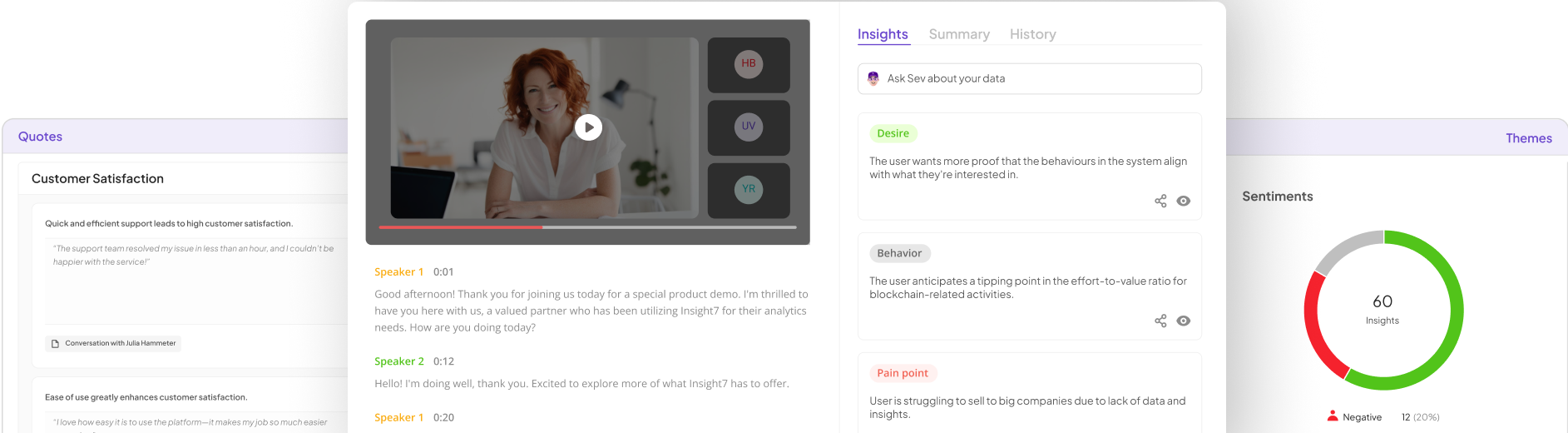
Live Call Intelligence: The agent assist solution utilizes real-time speech-to-text transcription, enabling the system to capture and analyze conversations as they happen. This includes understanding customer intent, emotional state, and conversation progress.
Dynamic Guidance Display: As agents engage with customers, relevant information, scripts, and compliance reminders are surfaced on their screens. This helps them respond accurately and efficiently without needing to search for information.
Knowledge Base Integration: The system can pull from a comprehensive knowledge base, providing agents with instant access to product details, troubleshooting steps, and policy information based on the context of the conversation.
In-Call Support for New Agents:
Next Best Action Recommendations: The system identifies the most appropriate response or action as the customer speaks, guiding agents through the conversation seamlessly.
Compliance Reminders: Alerts are triggered during critical moments, ensuring that agents adhere to compliance guidelines and avoid potential violations.
De-escalation Tactics: When the system detects customer frustration, it suggests techniques for calming the situation, empowering agents to handle challenging interactions effectively.
Nesting Program Enhancement with Agent Assist
Implementing an agent assist-enabled nesting program can significantly enhance the onboarding experience for new hires. Here’s how to set it up effectively:
Preparation:
Technology Configuration: Organize the knowledge base by call type and complexity, ensuring easy access to relevant information. Create a script library with dynamic branching logic for various scenarios.
Agent Training: Familiarize new hires with the screen layout, including call controls and the agent assist guidance panel. Train them on how to interpret and use AI suggestions naturally.
Execution:
Pre-Nesting Setup: Configure the technology to ensure it aligns with the specific needs of your contact center.
Agent Preparation: Conduct training sessions to build trust in the technology and ensure agents feel comfortable using it.
Real-Time Support: During the nesting phase, agents take live calls while receiving real-time guidance from the agent assist system. Supervisors can monitor multiple agents simultaneously, allowing for effective oversight and support.
Evaluation:
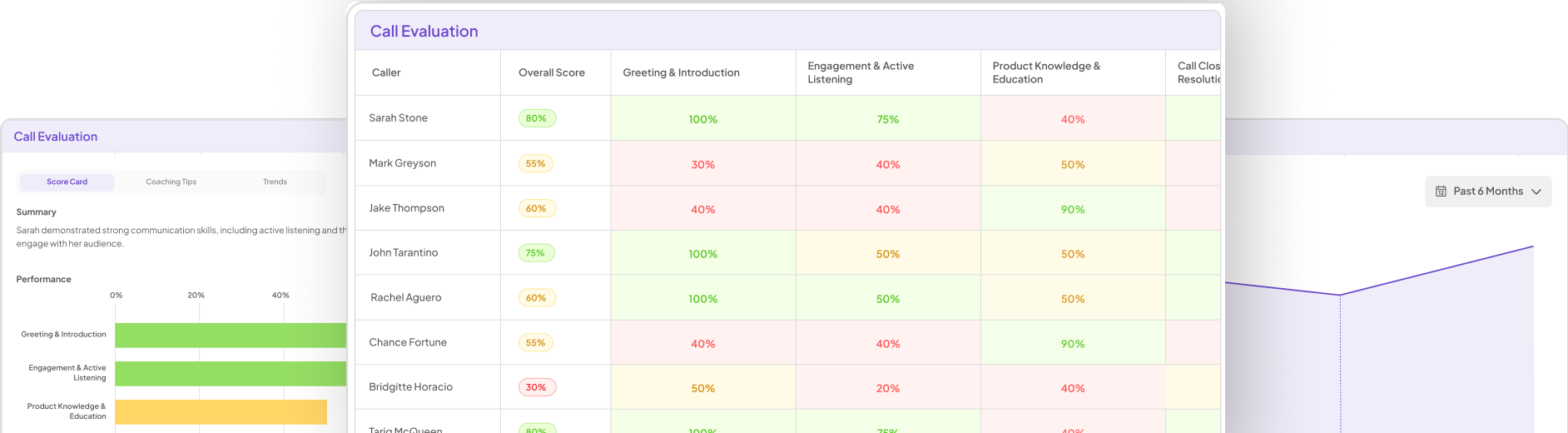
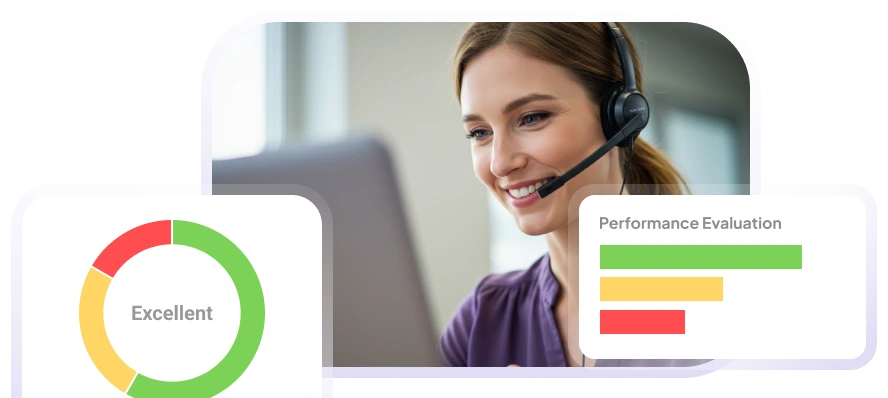
Performance Monitoring: Utilize automated QA scorecards to evaluate agent interactions against predefined quality standards. This enables supervisors to identify areas for improvement and provide targeted coaching.
Iterate and Improve: Gather feedback from new hires and supervisors to refine the agent assist system and enhance the overall onboarding experience.
Comparison of Agent Assist Solutions
When considering agent assist solutions, it's crucial to evaluate their capabilities in real-time support and performance monitoring. Below is a comparison of leading platforms:
| Feature/Platform | Insight7 | Second Nature | Mursion | Yoodli |
|---|---|---|---|---|
| Real-Time Guidance | Yes | Yes | Yes | No |
| Automated QA Scorecards | Yes | No | No | No |
| Knowledge Base Integration | Yes | Limited | No | Limited |
| Supervisor Dashboard | Yes | Yes | Yes | No |
| Custom Scenario Builder | Yes | No | Yes | Yes |
Frequently Asked Questions
Q: How does agent assist technology help new hires?
A: It provides real-time guidance and support during customer interactions, enhancing confidence and reducing mistakes.
Q: Will agents become dependent on the technology?
A: No, the system is designed to gradually reduce support as agents gain proficiency, ensuring they develop true skills.
Q: How quickly can we implement an agent assist solution?
A: Implementation typically takes 4-6 weeks, including setup and training, but can vary based on the platform.
Q: Can agent assist replace supervisors?
A: No, it amplifies supervisor capabilities by providing real-time support, allowing supervisors to focus on higher-value coaching.
Q: What metrics can we track with automated QA scorecards?
A: You can track clarity, tone, compliance, and overall interaction quality to identify areas for improvement.
By incorporating agent assist solutions with real-time QA scorecards, organizations can transform their onboarding processes, leading to improved new hire performance, enhanced customer experiences, and ultimately, greater retention rates.