
Agent assist for customer service teams transitioning seasonal hires to production
-
 Bella Williams
 - 10 min read

Transitioning seasonal hires to production in customer service teams can be a daunting task. The stakes are high: you need to ensure that new agents are proficient quickly while maintaining quality service and minimizing supervisor burnout. This is where agent assist technology comes into play, offering a solution that bridges the gap between classroom training and live customer interactions.
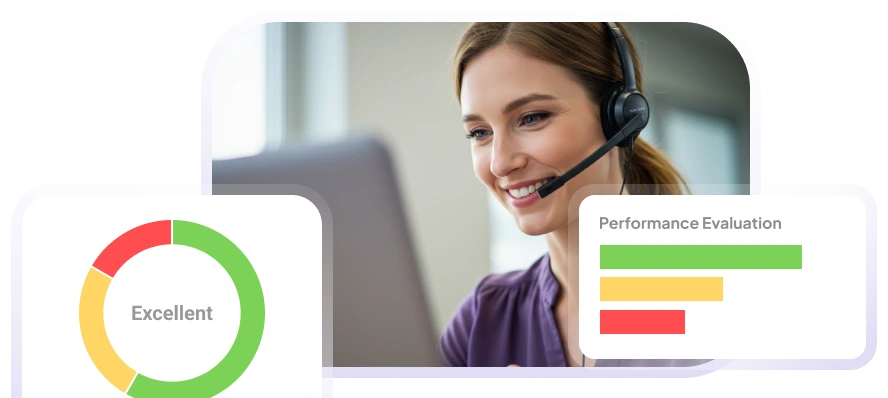
The critical first few weeks of an agent's journey are pivotal for their long-term success. During this time, they face the challenge of applying learned concepts to real-world scenarios, often under pressure. Agent assist technology provides real-time support, helping agents navigate customer interactions with confidence. This technology not only enhances their ability to respond effectively but also reduces the likelihood of early attrition by fostering a supportive environment.
The Training-to-Floor Gap
Many customer service teams face a universal challenge: while agents may grasp concepts during training, they often struggle to apply them in live calls. This gap can lead to costly attrition, quality issues, and supervisor burnout. The pressure of real-time interactions, coupled with performance anxiety, can overwhelm new hires.
Real-time agent assist technology addresses this gap by providing immediate support during customer interactions. For instance, when a new agent encounters a complex query, the agent assist tool can surface relevant knowledge base articles or suggest next steps, allowing the agent to respond confidently without unnecessary hold times. This not only improves the customer experience but also enhances the agent's learning curve, ensuring they retain the information they’ve been trained on.
How Real-Time Agent Assist Works
Core Technology Components
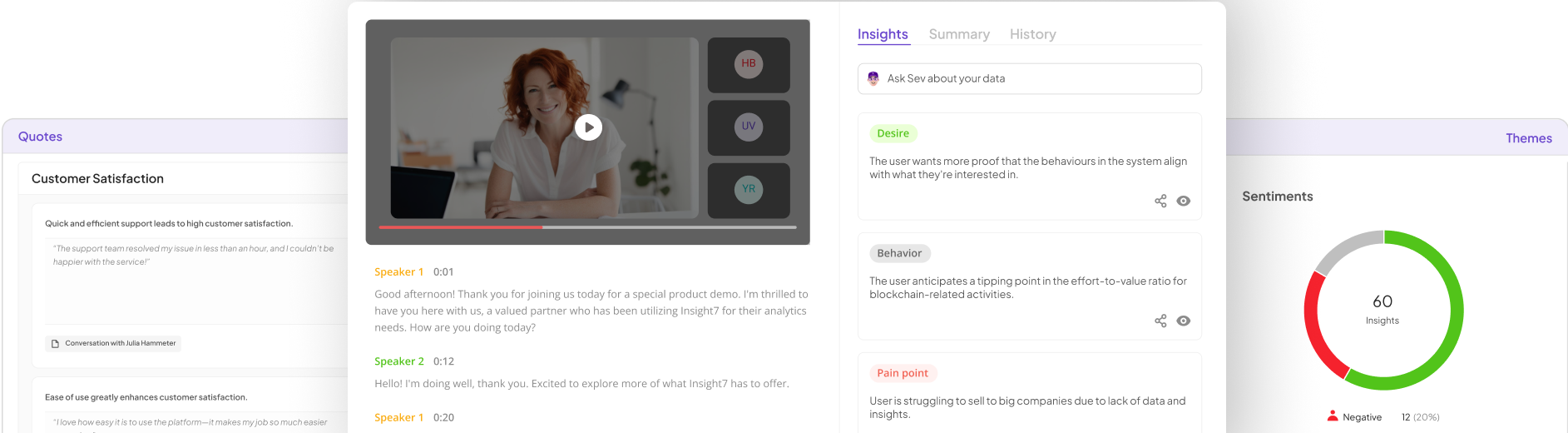
- Live Call Intelligence: The technology employs real-time speech-to-text transcription of conversations, enabling it to analyze customer intent and emotional state.
- Dynamic Guidance Display: Relevant information, scripts, and compliance reminders are presented on the agent's screen during calls.
- Knowledge Base Integration: The system surfaces product information and troubleshooting steps based on the context of the conversation.
In-Call Support for New Agents
- Next Best Action Recommendations: As the customer speaks, the system suggests the most appropriate next steps.
- Script and Talk Track Support: For scenarios where agents lack confidence, the system displays proven responses.
- Compliance Reminders: Alerts are triggered before critical disclosures to prevent violations.
- De-escalation Techniques: When customer frustration is detected, the system suggests strategies to calm the situation.
By integrating these components, agent assist technology transforms the way new hires engage with customers, allowing them to become productive more quickly while maintaining service quality.
Designing Agent Assist-Enabled Nesting Programs
Pre-Nesting Setup
Technology Configuration:
- Organize the knowledge base by call type and complexity level.
- Create a script library with dynamic branching logic for various scenarios.
- Define compliance rules and configure real-time triggers.
Agent Preparation:
- Familiarize agents with the screen layout, including call controls and the guidance panel.
- Train agents on how to interpret and utilize AI suggestions naturally.
Common New Hire Scenarios & Agent Assist Support
Unfamiliar Product Question:
- Without Agent Assist: Agent puts the customer on hold to search for information.
- With Agent Assist: The system detects the product mention and surfaces relevant details instantly, allowing the agent to respond confidently.
Customer Objection:
- Without Agent Assist: The agent may freeze or provide a weak response, leading to a lost sale.
- With Agent Assist: The system recognizes the objection pattern and displays proven responses, guiding the agent to select the appropriate rebuttal.
By implementing agent assist technology in nesting programs, organizations can significantly enhance the onboarding experience for new hires, ensuring they transition smoothly to full production.
Scaling Nesting Programs Without Adding Supervisors
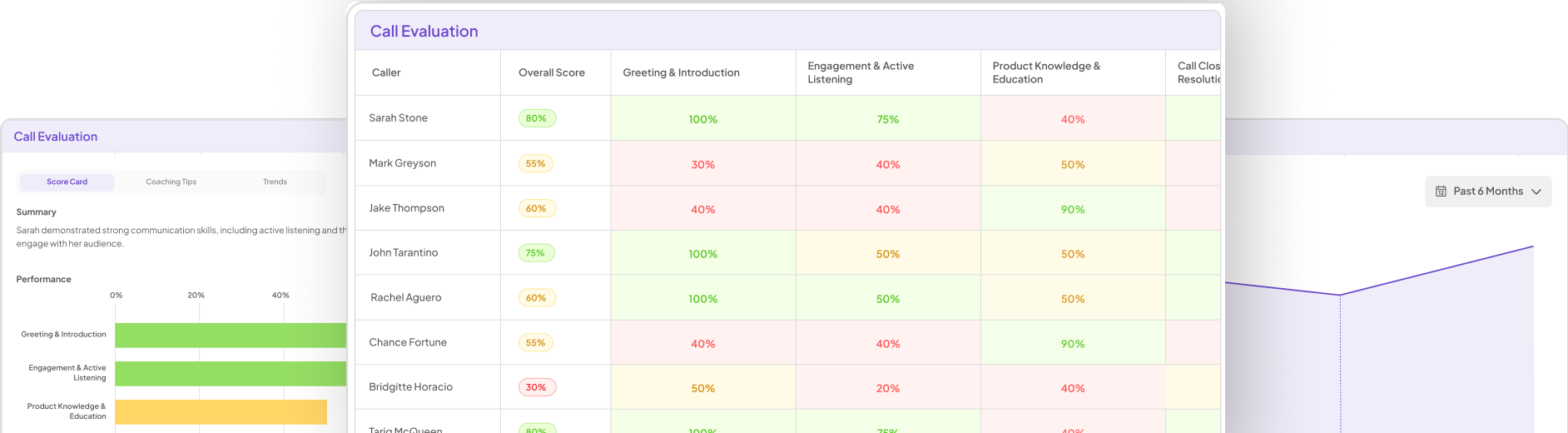
As customer service teams grow, scaling nesting programs can become a challenge. Traditionally, one supervisor can only monitor a limited number of agents, creating bottlenecks. However, with agent assist technology, supervisors can effectively manage 10-15 agents simultaneously through a unified dashboard.
Advantages of Agent Assist Scaling
- Efficiency Multiplier: One supervisor can support multiple agents, freeing them to focus on high-value coaching.
- Consistency Across Locations: The technology provides uniform support across different markets, eliminating variations in coaching styles.
- Rapid Cohort Onboarding: Large training classes can be launched with existing supervisor teams, as the technology handles real-time support.
This approach not only streamlines the onboarding process but also reduces the overall cost associated with hiring additional supervisors, making it a sustainable solution for growing teams.
Frequently Asked Questions
Q: Will agents become dependent on agent assist and never develop true skills?
A: The graduated assistance approach prevents dependency by systematically reducing support over the nesting period, ensuring agents develop true competence.
Q: How does agent assist work for remote/virtual nesting programs?
A: Agent assist provides supervisors with real-time monitoring capabilities, allowing for immediate support without physical presence.
Q: Can agent assist replace supervisors during nesting?
A: No, agent assist is designed to amplify supervisor capabilities, not replace them. It handles routine guidance while supervisors focus on complex coaching.
Q: How quickly can we implement agent assist for an upcoming training class?
A: Implementation typically takes 4-6 weeks for pilot-ready configuration, allowing for a smooth rollout.
Q: What happens to agent assist after nesting ends?
A: Agent assist continues to provide value throughout an agent's tenure, supporting them in handling unfamiliar scenarios and reinforcing compliance.
By leveraging agent assist technology, customer service teams can effectively transition seasonal hires to production, ensuring they are equipped with the tools and support needed to succeed in a fast-paced environment. This not only enhances agent confidence but also improves overall customer satisfaction, driving long-term business success.