AI Call Risk Mitigation in call centers serves as a critical strategy for enhancing operational effectiveness and customer satisfaction. As the landscape of customer service evolves, leveraging artificial intelligence can significantly reduce risks associated with human errors and training inadequacies. Implementing AI-driven models allows call centers to analyze vast amounts of data quickly, providing insights into customer interactions and trends.
Moreover, these intelligent systems can pinpoint areas for improvement, track compliance with set protocols, and automate assessments for quality assurance. By adopting AI Call Risk Mitigation techniques, workplaces can optimize training processes, ensuring that team members are equipped to address customer needs efficiently while minimizing potential risks in service delivery.
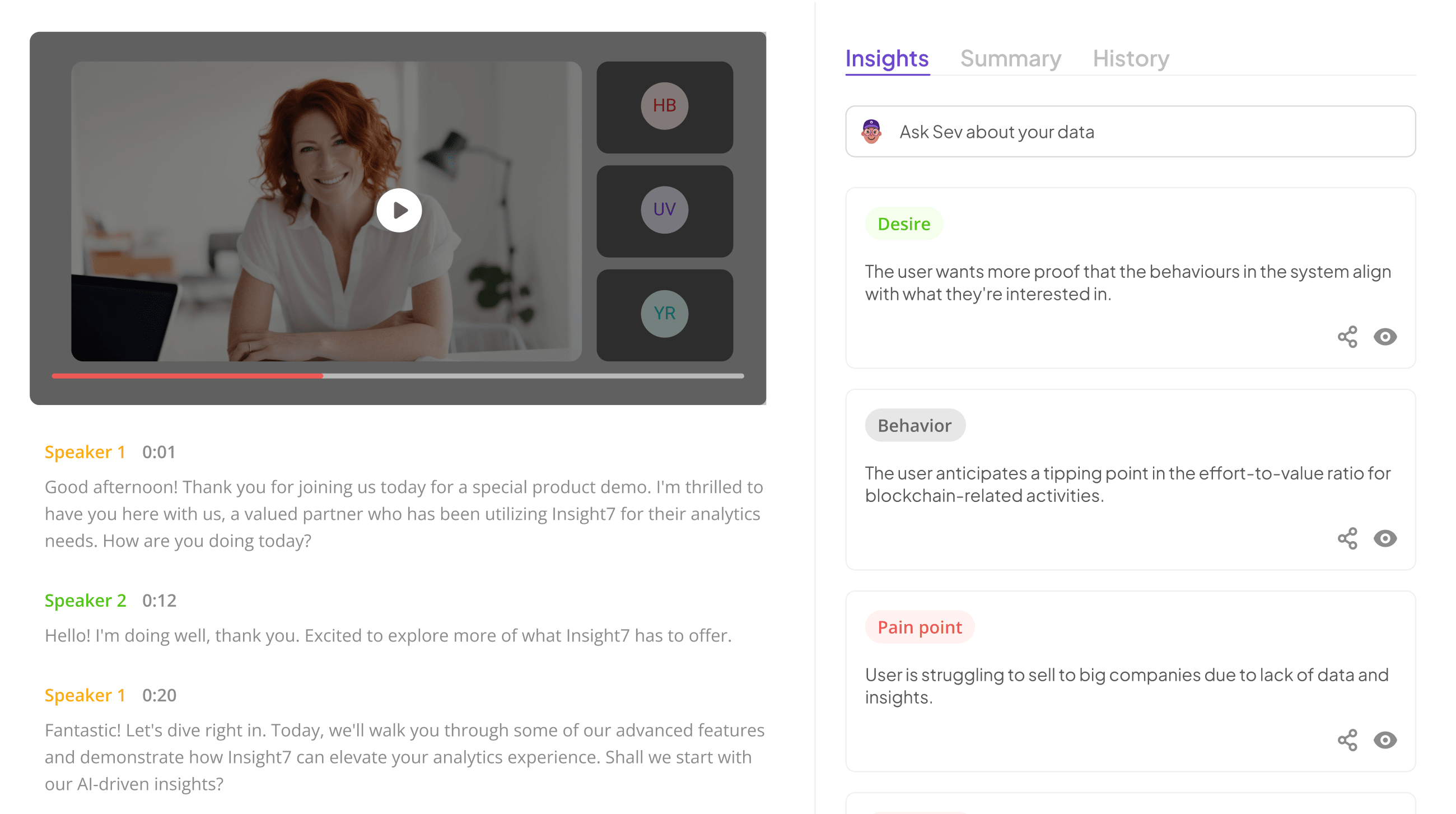
Understanding AI-Driven Decision Models for Risk Mitigation
Understanding AI-driven decision models for risk mitigation involves comprehending how technology interfaces with strategic decision-making. AI call risk mitigation utilizes data-driven insights to identify potential risks before they escalate. By analyzing historical interaction data, AI models can pinpoint patterns that suggest a higher likelihood of customer dissatisfaction or churn. This predictive capability allows call centers to proactively address issues, ultimately improving the customer experience.
Moreover, AI-driven models offer tailored recommendations for agents during calls, equipping them with insights that guide their responses. These recommendations enhance the consultative approach necessary for effective communication. As organizations adopt these models, they can establish a framework for measuring performance based on predefined standards. Implementing AI in this manner not only elevates operational efficiency but also reinforces risk management strategies, leading to a more resilient customer service operation.
The Role of AI Call Risk Mitigation Models in Operational Efficiency
AI Call Risk Mitigation models significantly enhance operational efficiency within call centers. By automating the evaluation of customer service interactions, these models reduce the time spent analyzing calls manually. This efficiency allows teams to focus on critical areas, like training and development, rather than getting bogged down by repetitive tasks. Utilizing AI can provide immediate insights into customer concerns and CSR performance, enabling swift adjustments to training programs.
Moreover, AI call risk mitigation helps identify patterns in customer inquiries, contributing to improved service strategies. For instance, recognizing trends in product questions can guide training updates, ensuring that representatives remain knowledgeable and effective. Overall, these models not only streamline operations but also empower teams to make informed decisions that enhance the customer experience. The reduction of operational risks through these advanced models illustrates their essential role in modern call center management.
How AI Enhancements Transform Risk Management Strategies
AI enhancements significantly transform risk management strategies by providing more accurate predictions and analyses of potential threats within call centers. These technologies facilitate real-time evaluation of conversations, allowing for quicker identification of compliance issues and customer concerns. By utilizing sophisticated algorithms, call centers can assess risks across various dimensions, including agent performance and customer satisfaction.
Furthermore, AI call risk mitigation enables organizations to tailor their risk management efforts more precisely. The automation of data analysis streamlines the decision-making process, allowing for timely interventions when risks are elevated. Additionally, enhanced reporting tools present detailed insights into agent interactions, enabling better training opportunities. By understanding agent engagement and identifying areas for improvement, companies can reinforce their overall risk management frameworks and ensure a more secure, compliant, and effective operation.
Steps to Implement AI Call Risk Mitigation Models
To effectively implement AI Call Risk Mitigation models, it is essential to follow a structured approach. Begin by evaluating your current risk management processes. This assessment will help identify existing weaknesses and areas where AI can provide substantial enhancements. Understanding these gaps is crucial for tailoring AI solutions to address specific challenges your call center may face.
Next, integrate AI solutions into your call center operations. This involves selecting the right technology tailored to your unique requirements and ensuring seamless alignment with your existing workflows. Training your staff on these new systems will also be vital in maximizing their effectiveness. Finally, once implemented, it’s important to continuously monitor and refine the AI systems. Collect data from call outcomes and make adjustments based on performance metrics to ensure improved results. This iterative process aids in optimizing AI Call Risk Mitigation, ultimately leading to enhanced operational efficiency.
Step 1: Evaluate Current Risk Management Processes
To effectively initiate your AI Call Risk Mitigation efforts, it is crucial to evaluate your current risk management processes. Understanding existing workflows and identifying gaps is the first pivotal step. This assessment allows call centers to recognize potential vulnerabilities within their operations, making it easier to implement AI-driven solutions tailored to mitigate these risks.
Begin by collecting data on your existing evaluation criteria for call quality and compliance. Next, analyze the effectiveness of these criteria in identifying risk factors. This information will serve as a foundation for developing improved AI models that enhance risk detection and help implement proactive measures. Additionally, employee feedback and performance metrics are valuable resources for refining your approach. With these insights, you can strategically design the integration of AI tools and techniques, setting the stage for a robust risk management framework.
Step 2: Integrate AI Solutions into Call Center Operations
Integrating AI solutions into call center operations is a strategic step toward enhancing efficiency and mitigating risks. By implementing AI-driven systems, organizations can streamline processes and improve decision-making. This involves evaluating existing workflows and identifying areas where AI can add value. From intelligent call routing to automated feedback analysis, AI technologies can provide real-time insights that empower agents to deliver better service while adhering to compliance standards.
To effectively integrate AI, organizations should focus on several key aspects. First, training agents to leverage AI tools ensures seamless collaboration between human insights and automated analysis. Next, establishing clear metrics for performance evaluation helps identify the impact of AI on overall operational effectiveness. Finally, continuous monitoring and refinement of AI systems will enhance their accuracy and relevance, ultimately reducing risks and improving customer satisfaction. By embracing these strategies, call centers can harness AI for effective risk mitigation without compromising service quality.
Step 3: Monitor and Refine AI Systems for Improved Call Outcomes
To achieve improved call outcomes, organizations must continuously monitor and refine their AI systems. This process focuses on determining the effectiveness of AI-driven models in identifying risks during calls. Regular assessments should involve analyzing performance metrics, such as customer satisfaction and agent effectiveness, to pinpoint areas for enhancement. Utilizing dynamic feedback and performance data ensures that the AI systems are responsive to changing needs and challenges, thereby supporting AI Call Risk Mitigation.
Additionally, adjustments to AI algorithms must be made based on real-world interactions. Engaging with customer feedback helps identify common issues or misunderstandings that may arise during calls. This user-centric approach enhances accuracy and effectiveness while minimizing potential risks. By fostering an adaptive system, organizations can ensure that AI continuously evolves, leading to more informed decisions and ultimately, better call outcomes. Staying attuned to both agent input and customer insights is key for achieving sustained improvements in the decision-making process.
Top Tools for AI Call Risk Mitigation
AI Call Risk Mitigation encompasses various tools designed to improve risk analysis in call center operations. Each tool offers unique features that assist in identifying compliance issues and enhancing decision-making processes. Here are some top tools specifically tailored for this purpose.
-
Insight7: This advanced AI platform provides deep analytics to identify risk patterns in conversations. It simplifies the evaluation of compliance regulations by automating data summarization and flagging potential risks.
-
CallMiner: CallMiner specializes in voice analysis, transforming millions of calls into actionable insights. Its AI-driven capabilities allow businesses to monitor compliance and understand customer sentiment, enabling proactive risk management.
-
Observe.AI: With its focus on agent performance, Observe.AI enhances training processes. The tool analyzes calls for compliance and offers coaching insights based on real-time data, improving overall risk mitigation efforts.
-
Aivo: This tool stands out for automating customer interactions. Aivo uses AI to ensure responses adhere to compliance guidelines, significantly reducing the risk of miscommunication.
-
Cogito: Cogito offers real-time feedback on agent behavior during calls. By assessing emotional cues and compliance adherence, it equips teams to mitigate risks effectively before incidents escalate.
Leveraging these tools can greatly enhance AI Call Risk Mitigation strategies while fostering a more compliant and efficient call center environment.
insight7: Advanced AI Tool for Risk Reduction
The advanced AI tool designed specifically for risk reduction enhances the effectiveness of call centers by analyzing vast amounts of data quickly and accurately. This tool employs machine learning algorithms to identify patterns, allowing organizations to mitigate risks associated with customer interactions. By employing AI call risk mitigation, call centers can proactively address potential issues before they escalate, improving customer satisfaction and operational efficiency.
Furthermore, this AI-driven solution continuously learns from new data, adapting to dynamic customer behaviors and preferences. It streamlines decision-making processes, ultimately reducing the time agents spend manually sorting through information. With real-time insights, businesses can quickly shift their strategies to meet the evolving needs of their customers. As the landscape of customer service continues to change, leveraging advanced AI technology will be crucial for staying competitive and ensuring optimal risk management outcomes.
Tool 2: CallMiner
CallMiner presents an innovative solution for AI Call Risk Mitigation, empowering call centers to analyze customer interactions comprehensively. This tool harnesses advanced analytics to evaluate calls against compliance standards, ensuring that potential risks are identified early. By focusing on critical elements of each conversation, call centers can maintain regulatory adherence while enhancing overall performance metrics.
Utilizing CallMiner effectively transforms operational strategies. It systematically sifts through thousands of recorded calls, allowing users to pinpoint compliance issues or training opportunities with ease. With its robust reporting features, managers can track trends in customer interactions, thereby allowing proactive adjustments to training programs or scripts. Increased visibility into call performance equip teams to address shortcomings, ultimately reducing risk and increasing customer satisfaction. CallMiner not only streamlines the evaluation process but also fosters a culture of continuous improvement—making it an essential tool for modern call center operations.
Tool 3: Observe.AI
AI Call Risk Mitigation is greatly enhanced by the capabilities of Observe.AI. This tool enables call centers to gain deep insights into agent performance and customer interactions. By analyzing conversations, it identifies patterns and highlights areas where compliance and quality may be at risk. This data-driven approach means that organizations can proactively address potential issues before they escalate, effectively reducing overall risk.
Observe.AI streamlines the process through automated performance evaluations, allowing managers to access real-time feedback on each agent’s strengths and weaknesses. With easy-to-generate reports, call center supervisors can quickly pinpoint where training is necessary. This ensures agents are equipped with the right tools and knowledge to maintain compliance, ultimately resulting in a more efficient operational structure. By implementing this transformative tool, call centers can not only enhance their risk management strategies but also foster a culture of continuous improvement to drive customer satisfaction higher.
Tool 4: Aivo
Aivo emerges as a powerful tool designed to enhance AI call risk mitigation within call centers. Its intuitive platform democratizes access to insights, allowing any team member to easily navigate and utilize its features without requiring extensive training. Aivo enables users to analyze customer interactions, transforming complex data into actionable reports. This real-time analysis helps organizations identify critical customer pain points and improve the overall experience.
Furthermore, Aivo's library feature organizes all call data, providing clear visualizations and transcripts that allow users to pinpoint specific issues. This functionality is crucial for understanding customer sentiment and adapting strategies accordingly. By accurately extracting insights, Aivo equips call centers to proactively address risks, ensuring they maintain high service standards while minimizing operational vulnerabilities. Thus, the integration of Aivo into call center operations significantly strengthens risk management, leading to improved accountability and effectiveness.
Tool 5: Cogito
Cogito serves as a pivotal tool in the realm of AI call risk mitigation, enhancing the effectiveness of customer interactions while reducing potential risks. By employing advanced algorithms, Cogito analyzes real-time conversations, enabling agents to deliver more personalized and insightful responses. This approach mitigates risks associated with customer dissatisfaction, which can arise from miscommunication or misunderstanding during calls.
Furthermore, Cogito empowers call center agents by providing them with actionable insights gleaned from past interactions. This feature ensures that agents are not only reactive but can also be proactive in addressing customer needs. As a result, organizations can expect improved customer loyalty and reduced agent turnover, both of which are critical for operational success. By integrating Cogito into call center operations, companies can effectively navigate the complexities of modern customer service while minimizing risks associated with human factors.
Conclusion: The Future of AI Call Risk Mitigation in Call Centers
The future of AI Call Risk Mitigation in call centers promises significant advancements in customer service and risk management. As organizations increasingly adopt AI-driven decision models, they can expect enhanced operational efficiency and better customer insights. By analyzing vast amounts of call data, AI systems will help identify potential risks, automate compliance monitoring, and streamline training processes for customer service representatives.
Moreover, the integration of AI technologies will enable call centers to proactively address issues before they escalate. This shift not only empowers employees with actionable data but also fosters a more responsive approach to customer needs. Ultimately, the evolution of AI in call centers will drive a more resilient and customer-centric landscape, paving the way for improved interactions and risk mitigation strategies.