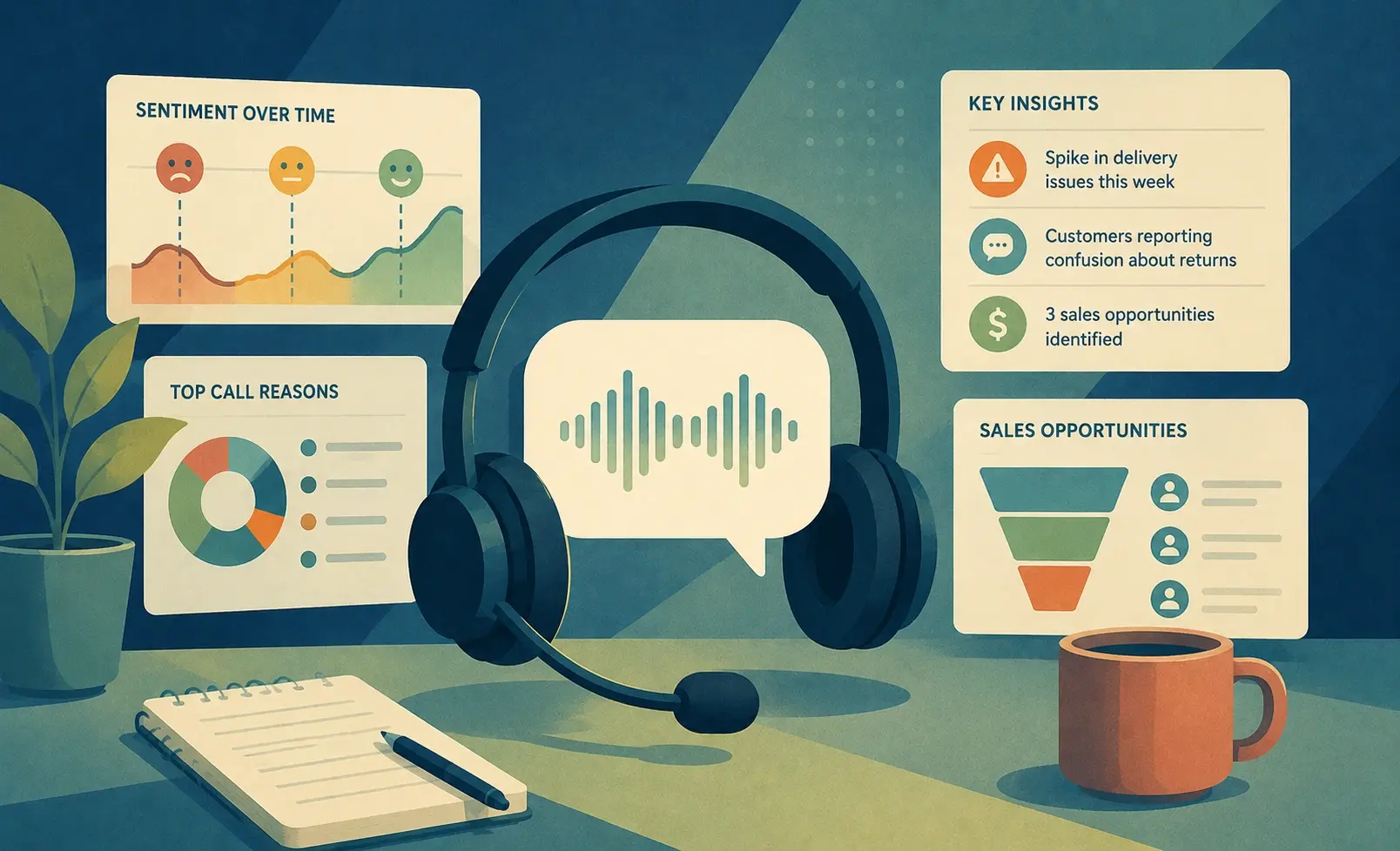
Cultural Insights AI plays a crucial role in transforming how we analyze quotes from interviews about diverse cultures. With a surge in customer conversations, traditional methods fall short in delivering timely insights. Businesses need a streamlined approach that allows for the swift extraction of meaningful information from qualitative data. This is where Cultural Insights AI enters the scene, enabling proactive engagement with customer feedback and fostering collaborative analysis.
By automating the identification of themes and sentiments within interview quotes, Cultural Insights AI not only saves time but also enhances the accuracy of insights derived from discussions. Companies can better translate these insights into actionable strategies, ultimately positioning themselves ahead of competitors. The combination of advanced technology and insightful analysis equips organizations to understand their customers deeply and engage with them more effectively.
Top AI Tools for Cultural Insights AI
In the realm of Cultural Insights AI, several tools stand out for their effectiveness in analyzing quotes from interviews. These advanced solutions can transform how organizations interpret and utilize cultural insights, enabling them to swiftly convert customer conversations into actionable strategies. With a focus on automating data analysis, these tools reduce manual effort and enhance collaboration by organizing insights more efficiently.
Among the top contenders, Insight7 excels in simplifying data at scale, allowing for rapid analysis of customer conversations. MonkeyLearn offers robust text analysis features that facilitate sentiment detection and theme extraction. RapidMiner provides an intuitive interface for complex data transformations, while IBM Watson and Google Cloud Natural Language harness powerful machine learning capabilities to offer deep insights into cultural contexts. Each of these tools plays a vital role in advancing the understanding of customer perspectives, ensuring businesses remain competitive in today’s dynamic market.
Insight7: Leading the Way in Quote Analysis
Insight7: Leading the Way in Quote Analysis is a pivotal exploration of the effectiveness of Cultural Insights AI in interpreting interview data. As organizations face an overwhelming influx of customer signals, traditional analysis methods often fall short. This section highlights how advanced AI technologies can transform quote analysis, turning raw interview data into actionable insights that drive business decisions.
To fully grasp the significance of this analysis, consider the following aspects:
-
Speed of Insights Delivery: Cultural Insights AI significantly reduces the time needed to analyze quotes, enabling rapid response to market changes.
-
Contextual Understanding: AI tools excel in capturing the nuances embedded in customer quotes, providing a richer context for decision-making.
-
Scalability: As businesses grow and accumulate more interviews, AI offers scalable solutions that adapt to increasing data demands without compromising on quality.
-
Collaboration and Sharing: With centralized insights, teams can collaborate more effectively, ensuring that valuable information isn't scattered across various files.
By harnessing the power of Cultural Insights AI, organizations can stay ahead of competitors, making informed decisions that resonate with their audience. This approach to quote analysis not only streamlines processes but also fosters a more engaging dialogue with customers.
Other Noteworthy AI Tools
Several noteworthy AI tools complement the analysis of quotes from cultural interviews, each offering unique capabilities. For instance, MonkeyLearn specializes in text analysis and can easily extract meaningful insights from qualitative data. This tool helps users categorize information and identify sentiment with accuracy, enhancing the overall understanding of cultural nuances.
Moreover, RapidMiner provides a user-friendly interface for data mining and machine learning. Its ability to automate data preparation and analysis makes it a valuable asset for researchers seeking to uncover deeper insights. IBM Watson further enriches the toolkit with its natural language processing features, allowing for sophisticated semantic analysis of interview content. Lastly, Google Cloud Natural Language is notable for its powerful entity recognition, enabling researchers to pinpoint key themes and concepts prevalent in interview responses. Integrating these tools can significantly enhance the analytical depth and cultural insights derived from interviews.
MonkeyLearn
MonkeyLearn is an innovative platform tailored for simplifying the analysis of quotes from cultural interviews. This tool provides users with intuitive features that allow them to easily collect and interpret valuable data. With a streamlined interface, anyone can instantly start generating insights without extensive training or expertise, enabling a wider range of professionals to engage with cultural insights AI.
The platform's capabilities extend to transcribing interviews and extracting key themes such as pain points, desires, and behaviors. Each quote is connected with evidence, allowing users to dive deeper into customer experiences. By analyzing multiple interviews at once, projects can be created, offering a comprehensive view of sentiments and trends. This approach not only aids in identifying crucial insights but also democratizes access to valuable information, empowering teams to make informed decisions based on real feedback.
RapidMiner
RapidMiner offers a versatile platform for analyzing quotes from cultural interviews, enhancing the extraction of valuable insights. By applying advanced data mining techniques, users can uncover patterns and sentiments embedded within interview responses. This user-friendly tool streamlines the analysis process, making it accessible even for those with limited technical expertise.
The potential of RapidMiner in the realm of Cultural Insights AI shines through its ability to visualize data effectively. Users can separate positive and negative feedback seamlessly, pinpointing the nuances that define public sentiment. This feature is particularly beneficial for organizations seeking to glean actionable insights from large datasets. Additionally, the platform supports comparative analysis, allowing users to identify trends across different regional or demographic lines. Overall, RapidMiner stands out as an essential tool for researchers aiming to transform cultural interviews into meaningful findings.
IBM Watson
Employing advanced algorithms and natural language processing, this powerful tool offers a refined approach to extracting valuable insights from cultural interviews. It effectively analyzes audio or text inputs, identifying speakers and summarizing key themes. The ability to determine the emotional tone of conversations adds another layer of depth to the analysis, facilitating the extraction of cultural insights.
The integration of customizable features in this AI solution allows users to create tailored reports. These reports can provide a detailed breakdown of performance metrics and cultural themes, enhancing the value derived from interviews. By utilizing this tool, analysts can accelerate the insight-gathering process, making it an invaluable asset in the realm of Cultural Insights AI. Users can confidently rely on the accuracy and efficiency of this system to inform data-driven decisions and strategies in their respective fields.
Google Cloud Natural Language
Google Cloud Natural Language offers powerful capabilities for analyzing textual data, making it an excellent tool for Cultural Insights AI in the context of interview quotes. This technology allows users to uncover themes, sentiments, and contexts from cultural conversations. By applying Natural Language Processing (NLP) techniques, it distills complex language into understandable insights, highlighting key trends and sentiments.
When using this tool, it's essential to follow a strategic approach. First, it effectively transforms audio or text from interviews into structured data. Next, different analytical functions, such as entity recognition or sentiment analysis, reveal rich details about participants' attitudes and cultural values. Lastly, the comprehensive reports generated guide users in making informed decisions, enhancing understanding of cultural dynamics during interviews. By integrating Google Cloud Natural Language, organizations can truly enrich their cultural insights analysis process, ensuring they connect deeply with their audience.
Enhancing Interview Analysis with Cultural Insights AI
In enhancing interview analysis with Cultural Insights AI, the focus shifts towards making sense of diverse human experiences captured during interviews. By integrating advanced AI tools, researchers can systematically decode quotes and unearth deeper meanings that reflect cultural contexts. This approach revolutionizes traditional methods, allowing for more nuanced interpretations that are essential in understanding customer perspectives across various demographics.
To successfully incorporate Cultural Insights AI into your analysis, consider these essential steps. First, identify the core objectives of your interviews to ensure focused data collection that aligns with your research goals. Next, select appropriate AI tools tailored to your needs, such as those designed for cultural interpretation or sentiment analysis. Finally, implement these tools throughout your analysis process, ensuring that insights are continually refined based on feedback from stakeholders. By embracing this structured approach, you not only enhance the quality of your analysis but also drive actionable insights that can inform business strategies.
Steps to Successfully Incorporate AI Tools
To successfully incorporate AI tools in analyzing quotes from cultural interviews, it’s essential to follow a structured approach. Start by identifying the core objectives of your analysis. Knowing whether you're seeking to extract themes, pain points, or overall sentiments will guide your tool selection effectively. Clarity in goals helps in choosing the right AI technologies that can meet your specific needs, ensuring that your analysis remains focused and relevant.
Next, select appropriate AI tools that align with your objectives. Look for platforms that not only offer robust analytics but are also user-friendly. It’s crucial for team members to be able to navigate the software effortlessly without requiring extensive training. Once the tools are chosen, implement them into your analysis process, ensuring a seamless integration that enhances efficiency. Lastly, always evaluate the insights gathered. Use this feedback to make adjustments, improving future analyses and enriching your understanding of cultural insights.
- Identify the Core Objectives
To identify the core objectives in analyzing quotes from cultural interviews, it's essential to define what you aim to achieve. Start by outlining the specific insights you wish to garner from the data collected. This could encompass understanding participant sentiments, discerning cultural themes, or evaluating responses against predefined criteria.
Next, consider how these objectives align with your broader research goals. For instance, are you looking to enhance customer engagement, improve product offerings, or foster a deeper understanding of cultural perspectives? Establishing clarity in these objectives will guide your selection of the most suitable AI tools, ensuring they effectively support your analytical needs. Through this targeted approach, Cultural Insights AI can transform raw data into actionable insights, providing a comprehensive understanding of cultural dynamics within interview responses.
- Select Appropriate AI Tools
Selecting the right AI tools is crucial for extracting meaningful insights from cultural interviews. First, you need to clarify the specific objectives you want to achieve. This ensures that the selected tools align well with your analysis goals. For example, tools that specialize in sentiment analysis may be essential if you aim to understand emotional responses.
Secondly, consider the scalability and ease of integration of each tool into your existing workflow. AI-powered platforms like Cultural Insights AI can enhance the process by providing structured data interpretation and highlighting key themes from interviews. Explore options like IBM Watson or Google Cloud Natural Language, which are well-suited for nuanced language and cultural context analysis. Ultimately, choosing the appropriate AI tools can significantly streamline your data analysis efforts and yield deeper insights from your cultural interviews.
- Implement the Tools in Analysis Process
Implementing the tools in the analysis process is a crucial step in extracting meaningful cultural insights. By effectively incorporating Cultural Insights AI, researchers can streamline the evaluation of quotes from cultural interviews. The first phase involves clearly outlining your analysis objectives, ensuring the tools you select align with these goals. This systematic approach not only enhances clarity but also supports the efficient categorization of insights.
Next, employing the chosen tools to analyze transcripts can yield valuable data. For example, using specific templates for different evaluations—such as customer service or quality assurance—allows for consistent measurements. Additionally, implementing these tools enables users to pull and categorize quotes, turning raw data into actionable insights. The iterative nature of this process allows researchers to adapt their strategies based on initial findings, paving the way for a more comprehensive understanding of cultural narratives. Overall, diligent implementation lays the groundwork for robust analysis in cultural research.
Measuring Success in Cultural Interpretation
Measuring success in cultural interpretation involves a comprehensive evaluation of insights gathered from cultural interviews. A crucial first step is to analyze the insights gathered from these interactions. Understanding various perspectives allows for a more nuanced interpretation of cultural dimensions. Identifying patterns in responses can illuminate shared values or concerns, thereby enhancing the overall cultural understanding derived from these interviews.
Following the analysis, it's essential to adjust based on feedback. This feedback can come from both interviewees and stakeholders who may interpret cultural insights differently. By incorporating this input, refinements can be made to ensure that the cultural insights are accurate and actionable. Ultimately, the continuous loop of analyzing and adjusting will not only enhance the quality of cultural interpretation but also validate the effectiveness of the tools and methods used in extracting these insights. Employing Cultural Insights AI can streamline this process and enhance the accuracy of interpretations significantly.
- Analyze the Insights Gathered
Analyzing the insights gathered from cultural interviews is crucial for understanding the underlying themes and patterns. By employing Cultural Insights AI, organizations can efficiently distill complex data into easily digestible insights. Begin by compiling the transcripts of interviews, focusing specifically on recurring ideas and pain points expressed by participants. This step establishes a foundation for identifying major themes within the collected data.
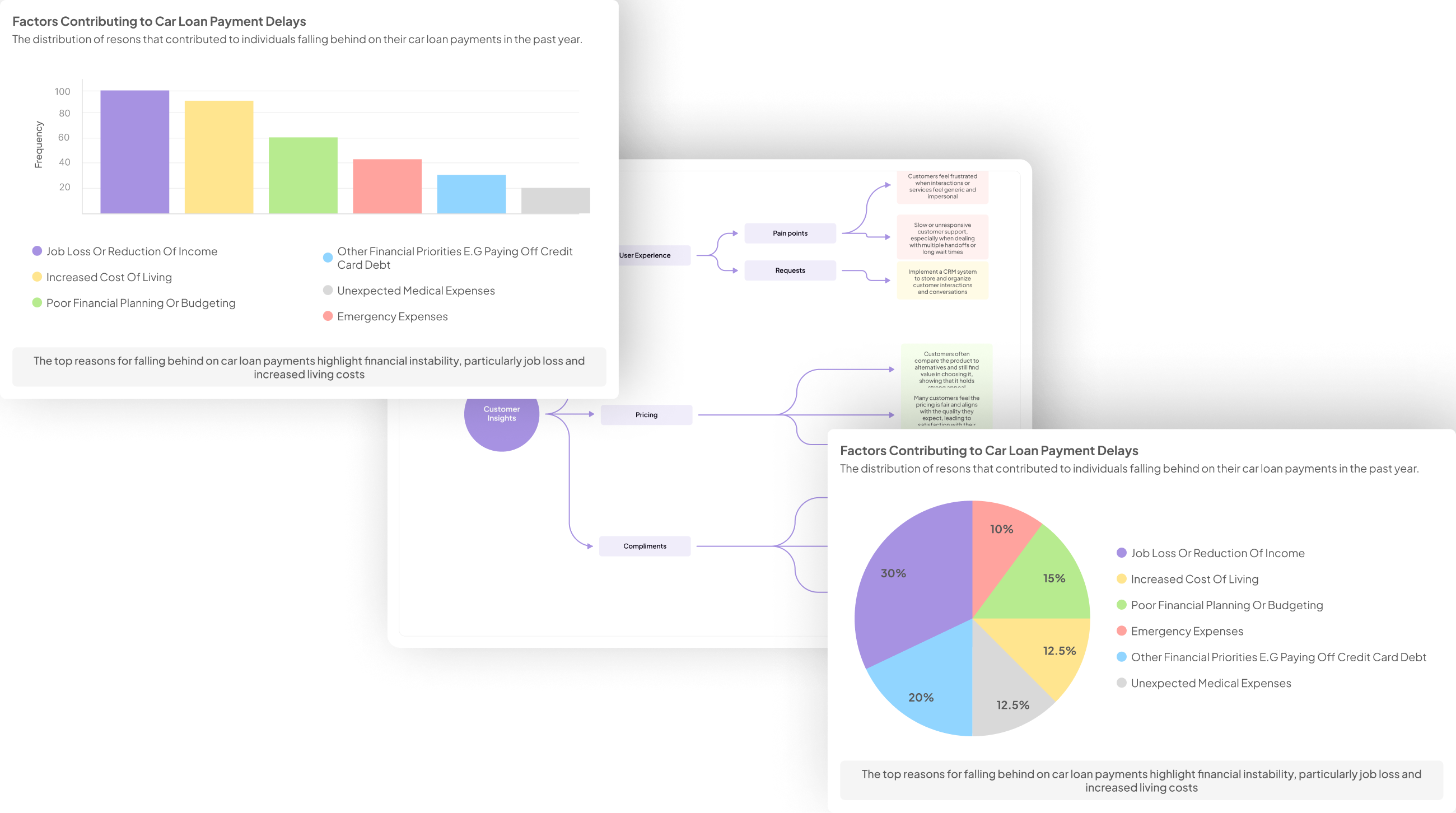
Next, leverage the insights derived from the analysis to craft comprehensive reports that highlight significant findings. For example, you might find that a notable percentage of interviewees share similar challenges, such as resource allocation issues or feedback management concerns. Presenting these insights visually can help stakeholders grasp the broader narrative of the data. Ultimately, this process not only reveals key cultural insights but also informs future strategies and decisions, allowing for better alignment with audience needs.
- Adjust Based on Feedback
Incorporating feedback is a fundamental step in any analysis, particularly when utilizing Cultural Insights AI. Once the insights are gathered, it's essential to assess their validity and effectiveness. This evaluation not only highlights areas for improvement but also strengthens the overall analysis process. Engaging with stakeholders allows you to identify gaps and discover new perspectives that may have been overlooked initially.
Feedback should guide adjustments to both the analytical methods and the AI tools employed. For example, if users find certain insights unclear, consider re-evaluating the data presentation or the types of questions being asked. Continuous refinement is vital, ensuring that the insights remain relevant and actionable. This iterative process not only enhances the accuracy of the analysis but also ensures that the outcomes align with the needs and expectations of the stakeholders involved. By actively adjusting based on feedback, you foster a culture of responsiveness that can greatly improve the effectiveness of cultural analysis.
Conclusion: The Future of Cultural Insights AI in Interview Analysis
The future of Cultural Insights AI in interview analysis looks promising, as tools continue to evolve and improve. As organizations gather more customer data than ever, the demand for efficient and effective analysis is crucial. Cultural Insights AI offers the capability to process large volumes of interview quotes quickly, enabling businesses to derive actionable insights and stay competitive in their markets.
Furthermore, this technology not only enhances understanding but also fosters more meaningful interactions between businesses and their customers. By adopting these sophisticated tools, organizations can anticipate customer needs and refine their strategies. Ultimately, the integration of Cultural Insights AI will shape a more responsive and insightful interview analysis landscape, paving the way for more informed decision-making.