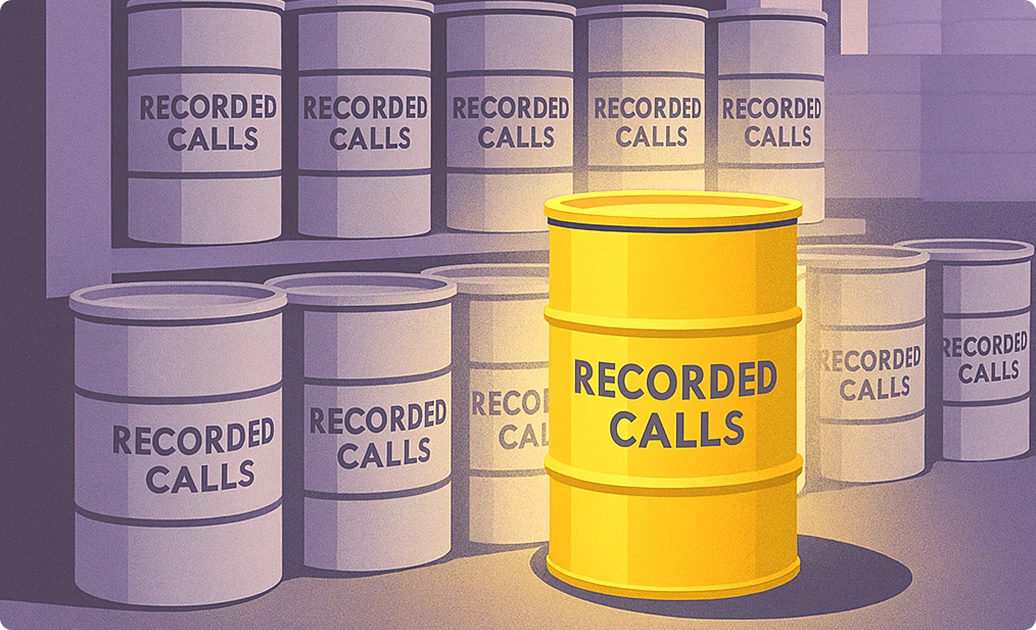
Client-Driven Whitepapers serve as powerful tools that transform client insights into actionable strategies. By delving into client interviews, organizations can uncover valuable perspectives that inform their whitepapers. This approach goes beyond merely presenting data; it emphasizes the human experiences behind the information, fostering a deeper connection with the audience.
Creating a Client-Driven Whitepaper involves a thoughtful process that begins with gathering and analyzing client interviews. By synthesizing this information, businesses can construct clear and compelling narratives that resonate with potential clients and stakeholders. This method not only enhances credibility but also positions the organization as a trusted authority in its field.
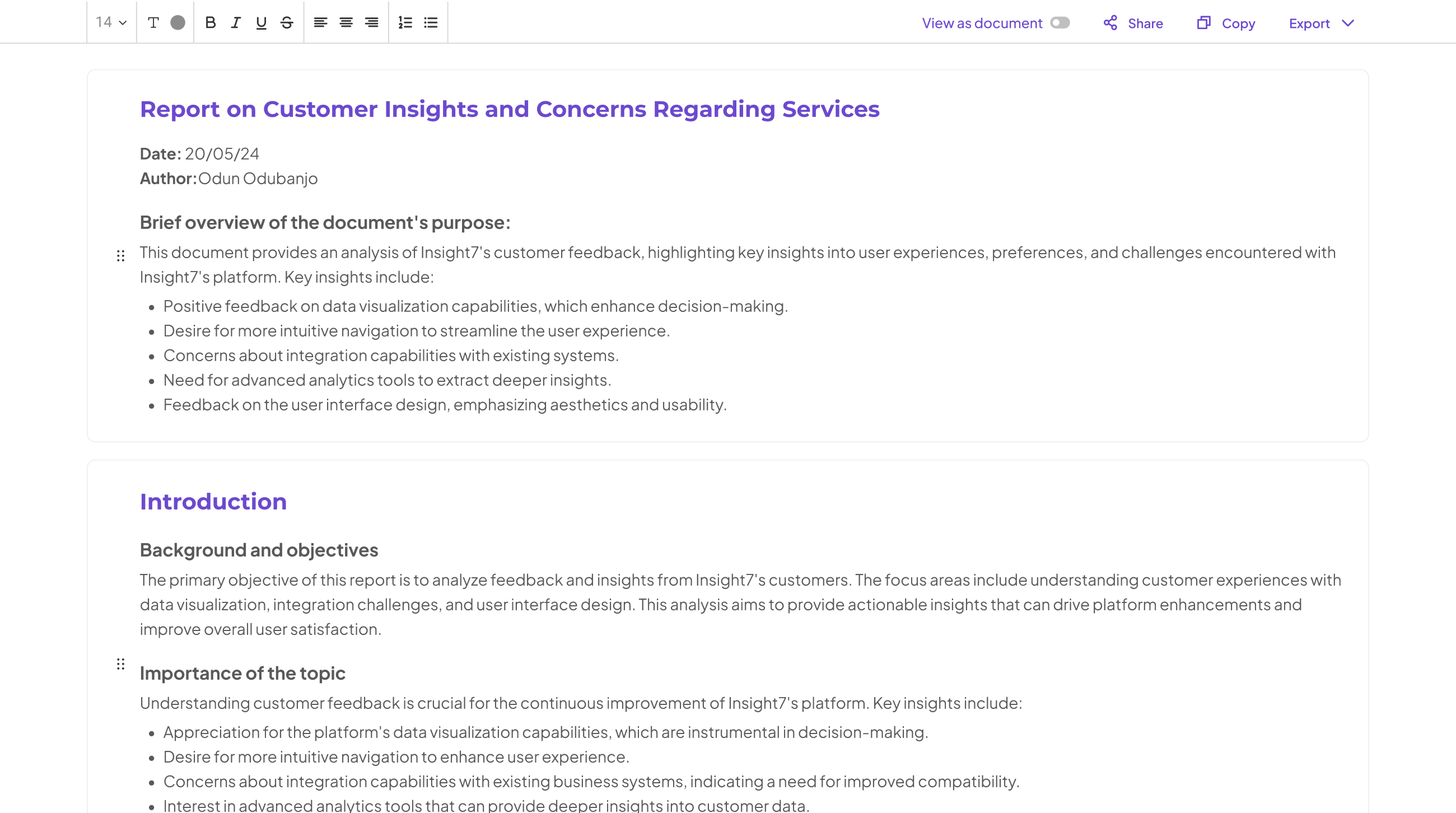
Translating Interviews into a Client-Driven Whitepaper
Translating client interviews into a client-driven whitepaper involves a thoughtful synthesis of collected insights. Begin by carefully reviewing interview transcripts and organizing the information into coherent themes. Identify recurring pain points and successes shared by clients, as these will serve as the backbone of your whitepaper. It’s crucial to extract direct quotes from clients, which authentically illustrate their experiences and perspectives. By weaving these quotes throughout your document, you will enhance relatability and credibility.
Next, structure your whitepaper logically. Start with an introduction that outlines the purpose and significance of the document. Follow with clearly defined sections, each addressing specific themes identified during the interview process. This organized approach not only aids in readability but also ensures that all client insights are effectively communicated. Ultimately, the goal is to create a compelling and informative client-driven whitepaper that resonates with the intended audience.
Step 1: Gather and Organize Insights from Client Interviews
Gathering and organizing insights from client interviews is crucial for creating a client-driven whitepaper. To start, compile all interview transcripts and notes in a centralized project. This allows you to analyze the data methodically and identify key themes. A project can be structured by month or specific client segments, enabling a clearer overview of different experiences and insights.
Next, categorize these insights by common pain points or needs expressed by clients. Use a coding system to label specific remarks or themes across interviews. This categorization not only highlights prevalent issues but also supports data-driven conclusions in your whitepaper. As you organize, be sure to maintain clarity so that the insights can be easily referenced when drafting the document. Ultimately, these organized insights will create a solid foundation for your client-driven whitepaper, ensuring it addresses real customer needs and preferences effectively.
- Discuss methods to collect client feedback effectively.
Effective collection of client feedback is paramount in crafting a Client-Driven Whitepaper. One of the most effective methods is conducting structured interviews, where open-ended questions encourage clients to elaborate on their experiences. This approach not only reveals insights but also captures the emotional nuances behind client perceptions. Ensuring a comfortable environment during these interviews allows clients to share honest and constructive feedback.
Additionally, leveraging surveys can complement interviews by reaching a broader audience. Utilizing a mix of quantitative and qualitative questions helps gather diverse perspectives on a product or service. Follow-up questionnaires can also be beneficial for further exploration of specific topics that emerged during interviews. Once feedback is collected, organizing these insights methodically will ensure clarity and relevance when shaping the whitepaper content. These targeted strategies foster a comprehensive understanding of client needs and expectations, ultimately enriching the final document.
- Explain organizing interview notes for clarity.
Organizing interview notes effectively is crucial for creating a coherent and persuasive client-driven whitepaper. Begin by consolidating all your notes and transcripts in one centralized location. This approach allows for easy access and comparison across different interviews, making it simpler to identify recurring themes and insights.
Next, categorize your notes based on specific topics or pain points mentioned by clients. For instance, you could group feedback into sections such as "Common Challenges," "Desired Solutions," and "Key Insights." This structured framework not only enhances clarity but also aids in pinpointing relevant information quickly. Furthermore, using visual aids, like charts or matrices, can help illustrate trends within the data, providing a clear summary of client sentiments. Overall, these organizational methods allow you to distill complex information into actionable insights, enriching the content of your client-driven whitepaper.
Step 2: Structuring the Client-Driven Whitepaper Content
In structuring a Client-Driven Whitepaper, it is essential to outline the sections for a comprehensive document. Begin with a clear introduction that defines the purpose of the whitepaper, followed by a methodology section explaining how insights from client interviews were gathered. This approach not only enhances clarity but also builds credibility with the audience.
Next, include sections dedicated to key findings derived from the interviews. These can encapsulate the main pain points, needs, and desires expressed by clients. Incorporating client quotes and testimonials adds authenticity and provides real-life context to the research. It’s vital to create a narrative that connects these findings logically, guiding readers through the information in a manner that promotes understanding. Finally, ensure that the conclusion synthesizes the insights and provides actionable recommendations, making the Client-Driven Whitepaper a valuable resource for decision-makers.
- Outline the sections necessary for a comprehensive whitepaper.
To create a comprehensive Client-Driven Whitepaper, several essential sections must be included. First, an Executive Summary provides a concise overview of the findings and recommendations. Following this, an Introduction sets the stage by explaining the purpose of the whitepaper and the significance of client insights. Next, the Methodology section details how client interviews were conducted, ensuring transparency.
The core of the whitepaper should include distinct Findings that summarize key insights gathered from client interactions. Incorporating relevant Quotes and Testimonials can further support the insights. Additionally, a Discussion section interprets the findings within broader industry contexts, while a Conclusion synthesizes the information and highlights actionable steps. Lastly, References should be included to credit sources and methodologies used.
By following this structured approach, the whitepaper effectively communicates valuable insights derived from client interviews, enhancing its credibility and relevance.
- Techniques for integrating client quotes and testimonials.
Integrating client quotes and testimonials effectively elevates a Client-Driven Whitepaper, making it more engaging and credible. Begin by identifying key insights during client interviews that resonate with the core message of your whitepaper. Organize these insights thematically, ensuring they support your overarching narrative. When selecting quotes, look for those that capture unexpected challenges or successes. This not only highlights genuine client experiences but also adds valuable depth to your content.
Next, weave these quotes seamlessly into your text. Rather than placing them randomly, position them in relevant sections where they enhance discussions or provide evidence for claims you make. Utilize short, impactful testimonials in boxed highlights for greater visibility. This approach enriches the reading experience while affirming the legitimacy of your findings. By integrating authentic voices from clients, your whitepaper will resonate deeper with listeners, enhancing its trustworthiness and relevance.
Tools for Creating a Client-Driven Whitepaper
To create a Client-Driven Whitepaper, utilizing the right tools can significantly enhance the process. First, consider using platforms designed for collaboration, such as Google Docs, which enables multiple team members to contribute in real-time. This ensures that everyone's insights from client interviews are incorporated seamlessly, making the drafting process more efficient.
Transcribing client interviews is another crucial step, and tools like Otter.ai excel at this task. By converting spoken words into text, you can easily extract key quotes and insights necessary for your whitepaper. It's essential to maintain a clear workflow during this phase, and tools such as Trello can help manage tasks and deadlines effectively. Additionally, if you plan to conduct further client surveys, services like Survata can streamline this, allowing you to gather quantitative data efficiently. Lastly, Canva can assist in designing a visually appealing layout for your whitepaper, ensuring that it not only conveys information but also engages readers visually.
Insight7: Enhancing Your Whitepaper Creation
Creating a compelling Client-Driven Whitepaper involves incorporating insights from client interviews to enrich the final document. Begin by utilizing effective methods to gather and organize these insights. This could include thorough note-taking during interviews and employing transcription tools to ensure accuracy. Proper organization of these insights allows for clarity, making it easier to structure the content meaningfully.
Next, focus on structuring the whitepaper effectively. Key sections should include an introduction, a discussion of findings, and actionable recommendations. Incorporate client quotes and testimonials to add authenticity and support your arguments. Highlighting specific experiences shared during interviews can create a more relatable and persuasive narrative. By enhancing your whitepaper creation with these structured approaches, you ensure that it resonates with your audience and meets their needs effectively.
- Highlighting how Insight7 can facilitate the process.
Insight7 streamlines the process of creating a client-driven whitepaper by providing a user-friendly platform. Its design allows anyone within an organization, regardless of technical expertise, to access crucial insights quickly. From the moment users log in, they have the tools to transcribe calls, analyze customer experiences, and identify friction points with ease. This democratic approach ensures that valuable insights are available to all team members, enabling efficient decision-making and content creation.
Moreover, Insight7 allows for the grouping of multiple interviews into projects. This feature enables users to analyze hundreds of calls simultaneously, creating a comprehensive understanding of client needs. The platform captures key insights, including pain points and customer desires, with supporting evidence. This capability ensures that the client-driven whitepaper is rich with authentic voices from customer interactions, enhancing its credibility and relevance. By simplifying the process of gathering and interpreting interview data, Insight7 empowers businesses to produce impactful whitepapers that resonate with their target audiences.
Other Recommended Tools
Creating a compelling Client-Driven Whitepaper involves utilizing the right tools to enhance efficiency and effectiveness. A selection of recommended tools can significantly streamline your process, each serving a unique purpose tailored to specific needs. Google Docs is perfect for collaborative drafting, allowing team members to contribute and edit in real time, fostering seamless communication. Otter.ai simplifies the transcription of interviews, ensuring that valuable insights aren’t lost in translation.
Managing deadlines and responsibilities is crucial during whitepaper creation. For this, Trello can be invaluable as it helps organize tasks and track progress within your team. Additionally, Survata is an excellent choice for gathering survey-based client insights, offering a data-driven approach to understanding your audience better. To elevate the final presentation, Canva can be used to design an engaging and aesthetically pleasing layout that captures reader attention. By employing these tools effectively, you can enhance the quality and impact of your Client-Driven Whitepaper.
- Google Docs: For collaborative drafting and editing.
Google Docs is an essential tool for collaboratively drafting and editing a Client-Driven Whitepaper. Its real-time editing capabilities allow multiple team members to contribute simultaneously, ensuring that insights from client interviews are seamlessly integrated. This collaborative environment fosters communication and allows for immediate feedback, which is invaluable when synthesizing complex data.
To make the most of Google Docs, consider these key aspects: version control, commenting features, and accessibility. First, version control ensures that all changes are tracked, allowing you to revert to previous drafts if necessary. Second, the commenting feature enables team members to pose questions or suggest revisions directly in the document, promoting dialogue and refinement of ideas. Lastly, since Google Docs is cloud-based, it can be accessed from anywhere, making it easy to collaborate regardless of location. By using this tool effectively, you can create a polished and comprehensive Client-Driven Whitepaper that accurately reflects insights gathered from client interviews.
- Otter.ai: To transcribe interviews efficiently.
Transcribing interviews plays a crucial role in creating a Client-Driven Whitepaper. By utilizing effective transcription tools, you can efficiently convert recorded interviews into text, allowing for easier analysis. A notable option available is an intuitive platform that simplifies the transcription process. It enables users to upload multiple audio files at once, automatically generating transcripts while letting you focus on extracting valuable insights.
Once your interviews are transcribed, you can delve into the content to identify critical themes and client feedback. The platform also offers features to highlight important quotes and summarize discussions effectively. This streamlined approach not only saves time but also enhances the quality of your insights, ensuring that the final whitepaper reflects the voices and perspectives of your clients accurately. Embracing such tools will significantly improve your workflow and the overall impact of your whitepaper.
- Trello: For managing the whitepaper creation workflow.
Trello is an invaluable tool for managing the whitepaper creation workflow. Utilizing Trello allows you to break down the entire process into manageable tasks and stages, ensuring nothing is overlooked. Each stage of the creation process can be represented as a card on a Trello board. This visual representation helps you and your team see the overall progress of the client-driven whitepaper, enhancing collaboration and communication.
To effectively manage the workflow, consider organizing your Trello board into the following sections: "Client Interviews," "Drafting," "Review Process," and "Final Edits." The "Client Interviews" section can house insights and direct quotes gathered from your discussions. The "Drafting" column can include tasks for outlining chapters and compiling information. In the "Review Process," you can track feedback from team members or clients, and "Final Edits" ensures readiness for publication. By maintaining this structured approach, Trello can streamline your workflow and make the creation of your whitepaper more efficient and organized.
- Survata: For conducting survey-based client interviews.
Conducting survey-based client interviews is a vital aspect of creating a client-driven whitepaper. This approach allows you to collect valuable insights directly from your target audience. By using targeted questions, you can elicit specific feedback that informs your whitepaper’s messaging and structure. In this context, interviews can be conducted in various formats, including online surveys or face-to-face conversations, each offering unique advantages.
To optimize interview outcomes, it is crucial to adequately prepare your questions and create a comfortable environment for respondents. This will encourage open and honest feedback, essential for gathering in-depth insights. Once the data is collected, analyzing the responses effectively is key to identifying trends and themes that resonate with your audience. Ultimately, transforming this rich information into a compelling narrative will elevate your client-driven whitepaper and enhance its impact in addressing the needs of your target market.
- Canva: For designing a visually appealing whitepaper.
Designing a visually appealing whitepaper is crucial in effectively communicating insights derived from client interviews. Canva provides a user-friendly platform that simplifies the design process, allowing anyone to create stunning visuals without requiring extensive graphic design skills. With its diverse templates, colors, and fonts, Canva enables you to showcase valuable data and client-driven narratives attractively.
To ensure your client-driven whitepaper stands out, consider the following aspects when using Canva:
-
Template Selection: Choose a template that reflects the tone of your whitepaper. This setting gives your document a cohesive style that aligns with your brand identity.
-
Custom Graphics: Incorporate custom graphics, like charts or infographics, to visualize data derived from client interviews. These elements can make complex information easily digestible.
-
Client Quotes: Highlight impactful client quotes with creative text layouts. This approach not only emphasizes key insights but also adds a personal touch to your document.
By leveraging Canva’s features, you can create a professional-looking, client-driven whitepaper that resonates with your audience and enhances the overall impact of your findings.
Conclusion: Finalizing Your Client-Driven Whitepaper
As you wrap up your client-driven whitepaper, remember that the insights gathered from client interviews are pivotal. These insights offer a unique perspective that can shape the final document, ensuring it resonates with your target audience's needs and concerns. Carefully review the themes and patterns identified throughout the research phase to create a cohesive narrative. This narrative should highlight the challenges your clients face and the solutions your product or service offers.
Ensure that the formatting and visuals enhance readability and engagement. Each piece of feedback should be thoughtfully represented, adding depth and authenticity to your whitepaper. By finalizing your client-driven whitepaper with these principles in mind, you position your document as not just a resource, but as a valuable tool for fostering relationships and driving impactful decisions.