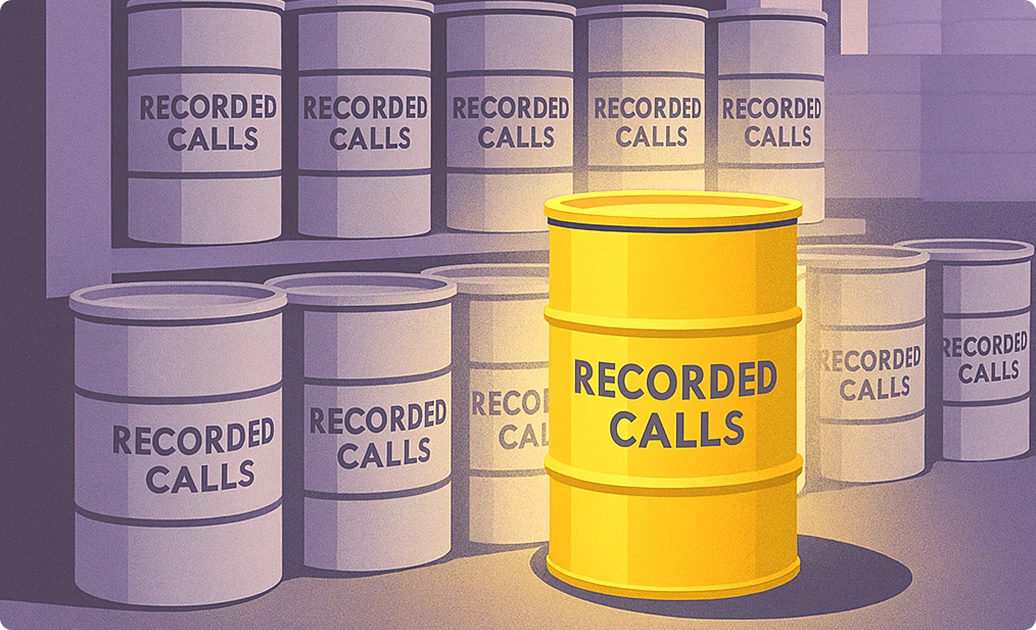
Creating an Interview-Based Whitepaper starts with a narrative that captures the essence of customer experiences. By engaging directly with customers through thoughtful interviews, businesses can uncover valuable insights that drive impactful whitepapers. These documents serve as essential resources, translating customer voices into actionable data that informs strategy and decision-making.
To successfully create an interview-based whitepaper, it’s crucial to understand the significance of these insights. Customers offer rich perspectives that highlight pain points, desires, and behaviors. By articulating these findings clearly, the final product becomes not just informative, but also deeply relevant to your audience, stimulating engagement and fostering trust.
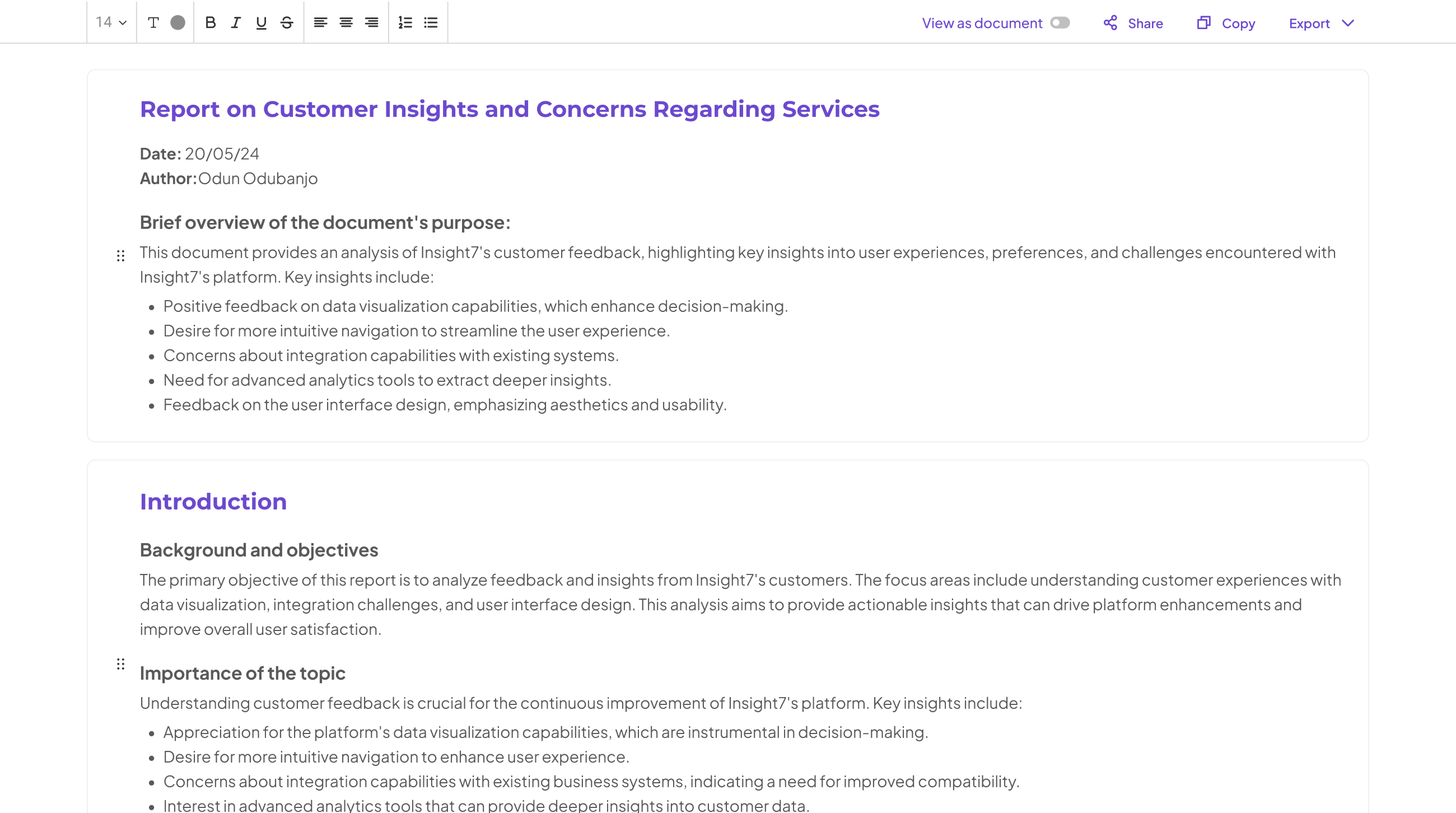
Understanding the Importance of an Interview-Based Whitepaper
An Interview-Based Whitepaper is not just a collection of data; it is a storytelling tool that conveys the voice of your customers. By incorporating real customer experiences and insights, the whitepaper transforms theoretical concepts into relatable narratives. This approach fosters a deeper connection with the audience, making the information more digestible and engaging. Understanding the importance of customer perspectives allows businesses to create targeted strategies and enhance their offerings effectively.
Moreover, an Interview-Based Whitepaper serves as a practical guide to address specific challenges faced by your audience. It empowers organizations to extract actionable insights that are often hidden in customer conversations. Such a whitepaper not only highlights prevailing trends but also positions a company as a thought leader in its industry. In a marketplace inundated with generic reports, leveraging unique customer insights can distinctly set an organization apart. By harnessing these insights, businesses can drive collaborations and cultivate a more profound trust with their audiences.
Significance of Customer Insights for Whitepapers
Customer insights play a pivotal role in developing an effective whitepaper, particularly when derived from interviews. Insights gathered from real users provide authenticity and relevance, making the whitepaper resonate with its target audience. By understanding customer experiences, pain points, and expectations, businesses can craft narratives that directly address their needs. These insights not only inform the content but also ensure that the final product is value-driven and engaging.
Moreover, integrating customer perspectives into your whitepaper encourages trust and authority. An interview-based whitepaper showcases a listening approach, highlighting the importance of customer feedback in shaping solutions. This connection fosters emotional engagement, as readers feel seen and understood, ultimately leading to increased credibility for your brand. Prioritizing customer insights in your writing ensures that the content is not only informative but also instrumental in driving meaningful conversations within your industry.
Establishing Goals for an Interview-Based Whitepaper
Establishing clear goals serves as a foundational step when creating an Interview-Based Whitepaper. The clarity of your objectives steers the interview process towards meaningful outcomes. Begin by defining what you wish to achieve. Are you seeking to understand customer pain points, or are you exploring innovations in your service offerings? Understanding these elements prepares you to form targeted questions that will elicit valuable insights from interview subjects.
Next, consider how these goals align with your overall messaging strategy. The insights gathered should not only fill the content requirements of your whitepaper but also ensure they resonate with your audience. Structured planning can help outline key themes that emerge during the conversations. This will ultimately enhance the effectiveness of your Interview-Based Whitepaper, guiding readers through a coherent narrative. When aligned with your goals, interviews can unveil crucial information that strengthens your paper’s impact and relevance.
Steps to Craft an Effective Interview-Based Whitepaper
Crafting an effective interview-based whitepaper begins with conducting insightful customer interviews. Start by preparing thoughtful questions tailored to your objectives, ensuring they provoke detailed responses. Carefully select participants who represent your target audience, as their insights will enrich your whitepaper. Once interviews are conducted, analyze the responses to identify recurring themes and key insights that will serve as the foundation for your whitepaper.
The next step involves structuring your whitepaper to present the information logically. Create an outline based on the insights gathered from the interviews, organizing them into sections that flow seamlessly. A compelling storyline will engage your readers, making the insights more relatable and impactful. By blending customer voices with your analysis, you can develop a narrative that not only informs but also resonates with your audience, ultimately enhancing the value of your interview-based whitepaper.
Step 1: Conducting Insightful Customer Interviews
To create an impactful Interview-Based Whitepaper, you must initiate the process with insightful customer interviews. Start by identifying the right participants—those who truly represent your target audience. With careful selection, you can ensure the discussions reveal rich insights that align with your objectives. This means crafting thoughtful questions that delve deep into customers' experiences and challenges. Engaging participants in a genuine conversation fosters an open atmosphere, allowing them to share valuable insights organically.
Once the interviews are conducted, the analysis phase becomes critical. It’s essential to listen for emerging themes and patterns within the responses. Pay attention to recurring problems, desires, and recommendations that could influence your whitepaper’s direction. Documenting these insights systematically will help translate customer feedback into actionable strategies. This thorough approach not only enhances the quality and relevance of your whitepaper but also establishes a strong foundation grounded in real-world customer experiences.
Preparing Questions and Selecting Participants
Preparing effective questions and selecting the right participants are crucial for crafting an insightful interview-based whitepaper. Begin by defining the main themes you wish to explore. This will enable you to formulate open-ended questions that encourage in-depth responses from participants. Focus on understanding their experiences, challenges, and perspectives related to your topic. This approach not only garners rich qualitative data but also fosters engaging discussions.
Selecting participants is equally important. Choose a diverse group that reflects your target audience. Ensure they have relevant experiences and insights that will contribute meaningfully to the whitepaper. Creating a balance between different viewpoints can enhance the depth of your findings. Conducting interviews with various stakeholders aids in uncovering unique insights, ultimately enriching the content of your whitepaper. Properly preparing your questions and meticulously selecting your participants will set a strong foundation for a compelling and informative document.
Analyzing Interview Responses for Key Insights
Analyzing interview responses is a pivotal step in the creation of an interview-based whitepaper. This process involves sifting through customer feedback to extract meaningful insights that can shape your final document. To begin, review the responses for recurring themes and notable quotes that reveal customer perspectives, preferences, and pain points. Recognizing these patterns not only aids in articulating a more compelling narrative but also enhances the relevance of the whitepaper to target audiences.
Furthermore, it’s essential to categorize insights into actionable segments that inform your whitepaper’s content and structure. Group similar ideas, draw connections between them, and highlight contrasts where they exist. This organized approach ensures that diverse customer viewpoints are represented effectively. Ultimately, synthesizing interview findings will enable the development of a whitepaper that resonates with readers and drives meaningful discussions in your industry.
Step 2: Structuring the Interview-Based Whitepaper
Structuring an interview-based whitepaper involves weaving together the insights gathered from customer conversations into a coherent and engaging narrative. Start by creating a clear outline that reflects the major themes emerging from your interviews. This outline should include sections such as an introduction, key findings, implications, and actionable recommendations. Each section should flow logically to ensure that readers can easily follow the argument being presented.
Next, focus on designing a compelling storyline. Use anecdotes and quotes directly from your interviews to add authenticity and enrich the content. Incorporating real customer voices not only enhances credibility but also makes the whitepaper relatable. Additionally, consider incorporating visual elements like charts and graphs to illustrate points more effectively. By thoughtfully structuring your interview-based whitepaper, you set the stage for impactful insights that resonate with your audience.
Creating an Outline from Interview Insights
Creating an effective outline from interview insights is essential for developing an Interview-Based Whitepaper. Start by gathering all the insights collected from customer interviews, categorizing themes and key points. Identify common trends and pain points that emerged from the discussions, which will serve as the backbone of your whitepaper.
Once you have a clear understanding of the insights, construct a structured outline that flows logically. Start with an introduction that sets the context based on the interviews. Follow with sections dedicated to key themes, supported by relevant quotes or data from the discussions. This structured approach not only presents a coherent narrative but also emphasizes the value of customer voices throughout your whitepaper. By aligning insights with the needs and challenges expressed by customers, the whitepaper will resonate more effectively with your target audience.
Designing a Compelling Storyline
A compelling storyline is the backbone of any successful interview-based whitepaper. It transforms raw customer insights into a narrative that resonates with your audience. Start by organizing your insights into a cohesive arc. Each section should build upon the last, leading readers through the challenges faced by your customers, the solutions offered, and the ultimate impact. This method not only informs but also engages, making the reader feel invested in the story being told.
To create this narrative effectively, consider three key elements: audience relevance, vivid anecdotes, and clear data. Understanding your audience allows you to tailor the story to their specific interests and needs. Incorporate vivid anecdotes from the interviews to illustrate key points, providing relatable examples that deepen understanding. Lastly, support your storyline with clear data and insights, which lend credibility and reinforce the message. The interplay of emotional storytelling and factual information creates a balanced and persuasive whitepaper.
Tools for Developing an Interview-Based Whitepaper
Creating an Interview-Based Whitepaper involves several effective tools that can streamline the process and enhance the quality of your work. Each tool brings unique capabilities that facilitate different stages of development. For instance, transcription services like Otter.ai significantly simplify the conversion of recorded interviews into written text. This allows you to focus on extracting insights rather than getting bogged down by manual documentation.
In addition to transcription, project management tools such as Trello help in organizing tasks and deadlines associated with the whitepaper creation process. This enables collaboration among team members and ensures that everyone stays on track during the project timeline. Moreover, tools like Grammarly can polish your final draft, enhancing clarity and professionalism. By selecting the right combination of tools, you can efficiently produce an Interview-Based Whitepaper that effectively captures customer insights and communicates value to your audience.
Insight7: Streamlining your Interview Analysis
Streamlining your interview analysis is essential for creating an engaging and insightful interview-based whitepaper. Efficient data analysis allows you to transform raw information from customer interviews into actionable insights. As interviews generate vast amounts of qualitative data, the key lies in organizing this information effectively to uncover patterns and themes.
To achieve this, consider adopting a systematic approach. First, categorize insights based on common themes and significant responses. Second, utilize technology tools to streamline the analysis process, replacing the traditional manual methods that can be slow and cumbersome. Finally, foster collaboration among team members by integrating shared platforms for insight documentation. This structured method not only enhances the quality of your whitepaper but also ensures timely decision-making, keeping your content relevant and impactful. By streamlining your interview analysis, you turn customer conversations into powerful narratives that resonate with your audience.
Otter.ai: Efficient Transcriptions
Transcribing customer interviews is a crucial step in creating an interview-based whitepaper. Efficient and accurate transcriptions ensure that valuable insights are captured and easily accessible for later analysis. Using a robust transcription tool can save time and reduce human errors, enabling you to focus more on extracting insights than on the tedious process of transcription.
The transcription process begins with uploading your audio interviews to the tool. You can handle multiple files at once, which simplifies managing numerous recordings. Once transcribed, the tool not only presents the text but also highlights key insights and quotes. This feature allows for instant retrieval of vital information that can shape your whitepaper’s narrative. By refining your approach to transcript management, you can significantly enhance the depth and quality of your interview-based whitepaper, leading to richer analysis and compelling storytelling.
Trello: Organizing and Tracking the Whitepaper Creation Process
Trello is an invaluable tool for organizing and tracking the whitepaper creation process from customer interviews. This platform allows teams to collaborate effectively while managing their projects. With Trello, you can create boards to visualize your workflow and establish clear milestones for your Interview-Based Whitepaper. Each step of the process, from drafting questions to final revisions, can be monitored along the way.
To maximize Trello's features, consider following these steps:
- Create Boards for Different Phases: Organize your project into distinct boards, such as 'Interview Planning', 'Drafting', and 'Review'.
- Utilize Cards for Tasks: Each card can represent an individual task or an interview that needs to be analyzed, making tracking easier.
- Assign Team Members: Clearly designate responsibilities by assigning tasks to specific team members, enhancing accountability.
- Set Deadlines: Establish due dates for each task to keep the project on schedule. This helps maintain momentum throughout the writing process.
By adopting Trello, the tedious aspects of organizing an Interview-Based Whitepaper are streamlined, allowing your team to focus on gathering and presenting insights effectively.
Grammarly: Perfecting Language and Tone
Effective language and tone are crucial elements for an engaging interview-based whitepaper. Using a writing tool can help refine your message, ensuring clarity and professionalism. Crafting a narrative that resonates with your audience requires attention to both language and tone, making them feel inspired and informed. Words need to flow smoothly and convey authority while remaining accessible.
When editing your whitepaper, focus on the rhythm of your writing. Vary sentence length for better engagement, and choose precise vocabulary that aligns with your target audience’s understanding. Aim for an active voice, which creates a sense of urgency and involvement. Additionally, proofreading for grammar and punctuation is essential; even minor errors can detract from the credibility of your document. A well-polished narrative not only represents your dedication to quality but also enhances the impact of the insights derived from customer interviews.
Conclusion: Final Thoughts on Crafting an Interview-Based Whitepaper
Crafting an Interview-Based Whitepaper requires thoughtful execution and a keen understanding of the data collected from customer conversations. In conclusion, the insights gathered from interviews are invaluable as they provide authentic perspectives that can shape your narrative. By synthesizing these insights into a coherent structure, you create a document that resonates with your audience's needs and expectations.
Finally, remember that an effective Interview-Based Whitepaper serves not just as an information source, but also as a strategic tool for engaging stakeholders. Carefully tailored content, combined with expert analysis, ensures your whitepaper effectively communicates key messages. Embrace this approach, and your whitepaper can become a powerful asset in your marketing toolkit.