

User experience interviews provide a rich tapestry of insights that can significantly influence product design and development. Understanding the nuances of UX Interview Analysis is vital for transforming raw interview data into actionable knowledge. This process not only helps in identifying user needs but also in uncovering underlying pain points that may not be immediately evident.
In this section, we will explore the fundamentals of UX Interview Analysis. By grasping its core objectives and methodologies, you can effectively gather, organize, and interpret user insights. As we dive deeper, you will learn how effective analysis can guide decision-making and enhance user-centric product design, ultimately fostering better engagement with your target audience.
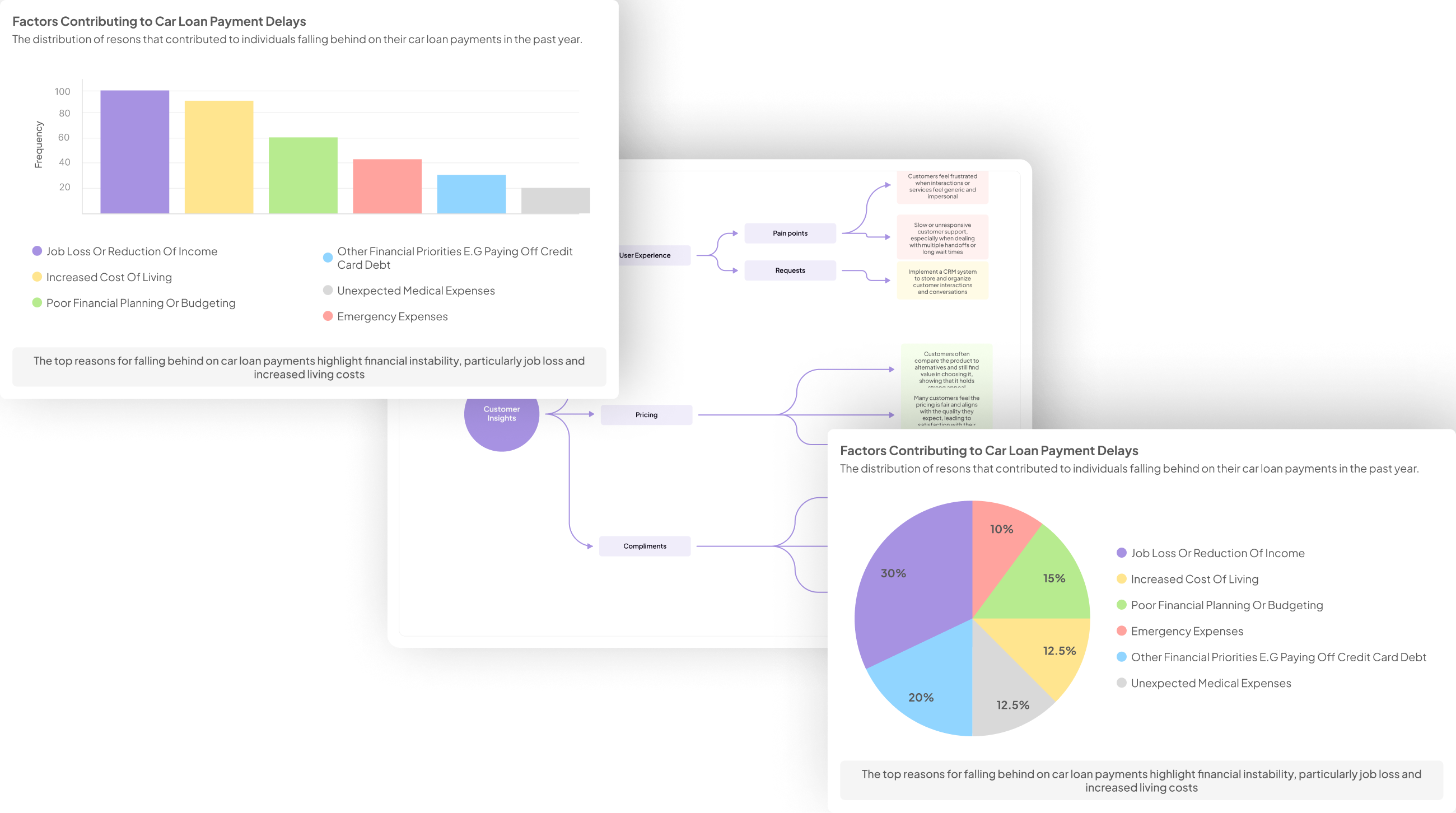
Understanding the fundamentals of UX Interview Analysis is essential for gaining valuable insights that can inform product development. This section will introduce the core goals and benefits of analyzing user experience interviews.
Understanding UX Interview Analysis is crucial for extracting meaningful insights from user interactions, which can significantly influence product development. This analysis serves as a bridge between user feedback and actionable data that shapes design decisions. By delving into user experience interviews, teams can uncover users' pain points, preferences, and expectations, ensuring that products are aligned with real-world needs.
The core goals of UX Interview Analysis include identifying recurring themes, understanding user behavior, and prioritizing features that address key issues. One primary benefit is that this process fosters a user-centered design approach, enabling product teams to create solutions that genuinely resonate with their audience. Moreover, by mapping user sentiments to actionable insights, organizations can enhance their strategic direction and ultimately drive innovation. Thus, mastering the fundamentals of UX Interview Analysis not only enriches the understanding of user needs but also propels the overall success of product development.
UX Interview Analysis: Gathering and Organizing Data
Gathering and organizing data is crucial to UX Interview Analysis, as it sets the foundation for deriving actionable insights. To begin, accurate transcription and effective note-taking are fundamental practices. Transcribing interviews ensures that every detail is captured, while structured notes help retain key thoughts and user sentiments. By preparing this raw data diligently, you pave the way for a more thorough analysis.
Next, segmenting the data into manageable components makes it easier to analyze. This method allows you to identify specific themes and patterns, leading to more refined insights. After organizing the data, thematic analysis becomes vital. It helps pinpoint trends and recurring issues, while techniques like affinity mapping assist in visualizing connections. These steps are essential in turning scattered user feedback into coherent and insightful findings that can influence design and strategy significantly.
Collecting and organizing data properly is the first step in converting interviews into actionable insights.
Gathering and organizing data correctly is essential in the process of UX Interview Analysis. By systematically collecting information from user interviews, you lay the groundwork for extracting valuable insights. Begin by transcribing interviews and taking thorough notes to capture all relevant details. This step ensures that no vital information slips through the cracks, enabling a comprehensive understanding of user experiences.
Once data is collected, segmenting the information into manageable parts makes analysis more manageable. Organizing the interviews based on themes or recurring topics establishes a clear structure for further exploration. Utilizing tools and techniques, such as matrix mapping, can help highlight significant patterns within the data. This preliminary effort transforms raw data into actionable insights, paving the way for identifying user needs and potential pain points. By keeping data organized, you make it easier to analyze trends, leading to more informed design and business decisions.
Preparing for Analysis
Preparing for analysis begins with laying a solid foundation for your UX interview analysis. The process starts with transcription and note-taking. Good transcription practices ensure that every word from your interviews is documented accurately. Additionally, thorough notes capture the nuances that might be missed in transcriptions alone. This approach guarantees that key insights and quotes are preserved for future analysis.
Next, segmenting the data plays a crucial role in managing the vast amount of information collected during interviews. Break down interviews into smaller, thematic sections to facilitate easier analysis. By categorizing the content based on specific topics or user concerns, you can identify patterns more effectively. This granularity allows for deeper insights and makes the synthesis of data more manageable, ensuring clarity when you move on to identifying themes. Preparing well sets the stage for meaningful analysis, leading to actionable insights that can directly impact product development and design strategies.
- Transcription and Note-Taking: Learn about the best practices for transcribing interviews and taking notes to ensure no information is lost.
Transcribing interviews and taking precise notes are critical steps in the process of UX interview analysis. Proper transcription ensures that every valuable insight shared by the interviewee is documented accurately. A common practice is to opt for software that can handle bulk transcriptions, allowing you to manage multiple recordings efficiently. When listening closely during the interview, jot down notable quotes or key phrases that might later be pivotal in analyzing user experiences.
In addition to transcribing, effective note-taking can enhance your understanding and retention of insights. It’s advisable to identify themes and emotions conveyed during the conversation as these elements can clarify underlying user needs. By categorizing notes into findings such as pain points, desires, and suggestions, you create a structured framework to refer back to during analysis. This comprehensive approach minimizes the risk of overlooking any essential details and ultimately enriches your UX interview analysis.
- Segmenting Data: How to break down interviews into manageable segments for easier analysis.
Segmenting the data gathered from user experience interviews is crucial for effective analysis. By dividing the conversation into manageable segments, you can more readily identify themes and insights that will inform your design decisions. Start by breaking down the interviews based on specific questions or topics. This creates a clearer picture of user sentiments and pain points, making it easier to extract actionable information.
Next, consider organizing your segments chronologically or thematically. This can highlight trends over time or reveal distinct user experiences across different themes. Utilizing tools to visualize these segments can further facilitate understanding, allowing for comparisons between varying responses. By methodically segmenting your data, you create a foundation for robust UX Interview Analysis, ultimately leading to deeper insights and improved product outcomes.
Identifying Patterns and Themes
Identifying patterns and themes in UX Interview Analysis is essential to uncovering meaningful insights from user feedback. The goal is to distill complex conversations into recognizable trends that inform design decisions and improve user experience. Start by employing thematic analysis, which involves categorizing responses into common themes. For instance, you might discover that a majority of users express frustration related to resource allocation, while others highlight the need for better feedback mechanisms.
Next, utilize affinity mapping techniques to visualize these connections. By organizing related insights into clusters, you can reveal how different themes interact with one another. This process not only helps prioritize areas for improvement but also ensures that key user needs and pain points are effectively communicated to stakeholders. As you engage deeply with the data, you'll begin to see patterns emerge that provide clarity and direction for product development.
After organizing, its crucial to recognize recurring themes and patterns.
After organizing the data from user experience interviews, the next step is recognizing recurring themes and patterns. Identifying these elements allows you to connect disparate insights, constructing a clearer picture of user needs. To do so, you might find thematic analysis particularly useful. This method enables you to categorize and summarize key points, facilitating deeper insights into user experiences.
Affinity mapping can further enhance your understanding by visually representing connections among themes. This technique allows you to group related insights, making it easier to see overarching patterns. By analyzing these recurring themes, you can prioritize the most relevant insights, ensuring they inform design and business decisions effectively. Ultimately, this organized analysis lays the groundwork for actionable strategies that respond to real user needs, making your findings invaluable in the UX interview analysis process.
- Thematic Analysis: Utilize thematic analysis to identify common points and outliers across interviews.
Thematic analysis plays a crucial role in UX interview analysis by helping researchers to identify common points and outliers among participant responses. Through this method, patterns emerge, revealing shared experiences and distinct perspectives that can inform design improvements. By systematically examining the data, you can categorize themes that highlight user needs, pain points, and expectations.
To effectively utilize thematic analysis, consider these steps:
-
Familiarization: Immerse yourself in the data by reading through interview transcripts multiple times. This helps in grasping the overall context before diving deeper into specific themes.
-
Coding: Develop codes that describe the content of different segments. This process transforms qualitative data into manageable categories, making it easier to analyze.
-
Theme Development: Identify overarching themes by grouping related codes. Focus not only on recurring themes but also pay attention to outliers that might provide unique insights.
-
Review and Refine Themes: Continuously refine themes until they accurately reflect the data. Ensure each theme has sufficient data to support it.
This structured approach ensures that insights from user interviews are thoroughly analyzed, leading to a comprehensive understanding of user experiences.
- Affinity Mapping Techniques: Employ affinity mapping for visualizing connections and themes within interview data.
Affinity mapping is a powerful technique that allows you to visualize the intricate connections and overarching themes discovered during your analysis of user experience interviews. This method proves invaluable when sifting through vast amounts of data, making it easier to identify patterns and commonalities among user responses. By grouping similar insights, you can effectively highlight key themes, which facilitates a clearer understanding of user needs and sentiments.
To get started with affinity mapping, follow these steps. First, gather all your interview notes or transcripts. Next, write down individual insights or quotes on sticky notes or digital cards. Arrange these notes on a board, grouping related ideas together. This process encourages collaboration and can lead to new insights as you discuss them with your team. Finally, review the clusters formed during this exercise to extract significant themes that can guide your UX design strategy, ensuring that your final output resonates better with user needs and preferences.
Interpreting Insights from UX Interview Analysis
Interpreting insights from UX Interview Analysis is crucial for transforming raw data into actionable strategies. The process begins with synthesizing information gathered from interviews, combining findings to create a coherent understanding of user needs. By carefully analyzing responses, you can identify common pain points and essential features that users prioritize. This synthesis not only highlights specific issues but also illustrates broader trends in user behavior.
Next, prioritizing insights is essential. Focus on determining which insights carry the most weight regarding user experience and business objectives. Once you’ve identified key patterns, communicating these results effectively is vital. Craft a narrative that translates complex data into compelling stories for stakeholders, ensuring that insights drive informed decision-making. Utilizing visualization tools can further enhance understanding, making it easier for teams to grasp the significance of your findings. Through these steps, you can maximize the value of your UX Interview Analysis.
Develop skills for interpreting the insights youve gathered and translating them into design and business strategies.
Interpreting insights from UX Interview Analysis is fundamental for bridging user feedback with design and business strategies. First, identify the most significant patterns from your gathered data. This involves systematically synthesizing user responses to uncover key themes. For example, analyzing user pain points may reveal critical needs that can guide product adjustments or innovations.
Once you have synthesized your findings, prioritize insights based on their impact. Not every insight will carry the same weight; focus on those most relevant to your audience or intended use. Communicate these insights effectively to stakeholders by crafting a compelling narrative. Presenting data visually, through charts or graphs, can significantly enhance understanding and retention. This not only facilitates better decision-making but also aligns your team with user-centric goals, ensuring that design and operational strategies resonate with actual user needs and expectations.
Synthesizing Information
Synthesizing information is pivotal in making sense of the insights gathered during UX interviews. This process involves combining various findings to create a comprehensive understanding of user needs and pain points. Start by reviewing your organized data, focusing on key takeaways from different interviews. This holistic view helps identify significant patterns and insights, leading to the formation of overarching themes that emerge across the dataset.
Next, prioritize these insights based on their relevance and potential impact. Not all findings are equally actionable. Determine which insights can drive the most value for users and guide product development effectively. By honing in on these crucial elements, you create a clearer narrative that informs design strategies. Ultimately, synthesizing information allows teams to advocate for user-centered solutions that resonate with real-world challenges, enhancing both usability and user satisfaction.
- Combining Findings: Methods for synthesizing the data to form a coherent picture of user needs and pain points.
To effectively synthesize insights from UX interviews, it's essential to establish methods that provide a clear view of user needs and pain points. Begin by compiling the interview data into manageable segments, allowing for easier comparison and analysis across multiple conversations. Identifying trends is crucial, as patterns can reveal common frustrations and desires among users, helping to map their experiences holistically.
Once you have categorized your findings, consider employing thematic analysis to pinpoint recurring themes. This process not only highlights significant issues but also draws attention to less obvious pain points. Additionally, utilizing affinity mapping can further enhance visualization, making it easier to see connections between user feedback. By effectively combining your findings, you'll create a comprehensive narrative that speaks to the heart of user experience, paving the way for informed decisions in product development and design.
- Prioritizing Insights: Criteria for determining which insights are most valuable and actionable.
Determining the value of insights from user experience interviews necessitates a structured prioritization process. Prioritizing insights ensures that time and resources are focused on addressing the most critical user needs. Begin by assessing the frequency of mentions for specific themes and pain points; insights that appear across multiple interviews often indicate larger issues requiring immediate attention.
Next, evaluate the potential impact of these insights on user experience and business objectives. For instance, insights that can significantly enhance user satisfaction or address critical pain points should be prioritized over those with limited implications. Lastly, consider the feasibility of implementing changes based on these insights; actionable insights should be both valuable and practical. This framework for prioritizing insights offers a clear path for transforming qualitative data into meaningful actions, ensuring effective outcomes in UX Interview Analysis.
Communicating Results
Effectively communicating results from UX interview analysis is crucial for ensuring that insights are properly utilized. Once you have gathered and synthesized your findings, it’s essential to present them in a way that resonates with stakeholders. Start by crafting a compelling narrative that not only highlights the key insights but also explains their significance. When weaving your story, focus on user needs and context, allowing stakeholders to connect emotionally with the findings.
The next step involves utilizing visualization tools to enhance understanding. Visual aids, such as graphs, charts, and infographics, can help simplify complex data points, making them more accessible. Additionally, visuals can aid in retention, allowing your audience to remember critical insights for future decision-making. Encourage open discussions around the results to foster collaborative decision-making, ensuring that all voices are heard in the interpretation of insights gathered from UX interview analysis.
Effectively sharing your analysis with stakeholders ensures the insights are utilized.
Sharing your analysis effectively with stakeholders is crucial to ensuring the insights gleaned from UX interview analysis are actionable and impactful. Stakeholders often come from different backgrounds, requiring clear and concise communication tailored to their expertise and interests. Engaging them with clear narratives around user needs and pain points can foster a deeper understanding of the data and its implications.
To facilitate this connection, consider the following strategies:
-
Craft a Compelling Narrative: Transform quantitative data into narratives that resonate emotionally. This makes insights relatable and emphasizes their significance.
-
Utilize Visualization Techniques: Incorporate visuals like charts and graphs to simplify complex information. Visual aids enhance retention and understanding, making your key points more persuasive.
-
Encourage Dialogue: Foster an open environment for discussion after presenting your findings. This allows stakeholders to ask questions and provides an opportunity for valuable feedback that can refine further analysis.
By applying these strategies, stakeholders will recognize the value in the insights derived from the UX interview analysis and be more likely to act upon them.
- Crafting a Narrative: Ways to turn data analysis into a compelling story that stakeholders can understand.
Turning data analysis into a compelling story is vital for engaging stakeholders and driving action. In UX Interview Analysis, the process begins with clearly identifying user pain points and needs revealed during interviews. By systematically summarizing findings and highlighting key trends, you can craft a narrative that resonates with your audience. This narrative should emphasize not just what the data shows but also why these insights matter for future decisions.
A well-structured narrative incorporates specific themes and patterns from the interviews, making complex data more accessible. Use poignant quotes from users to reinforce your points, allowing stakeholders to connect emotionally with the data. Additionally, visual aids can enhance understanding, making your insights not merely numbers but stories that inspire change. Rather than overwhelming stakeholders with raw data, focus on delivering a clear, insightful message that drives home the importance of user feedback.
- Visualization Tools and Techniques: Using visuals like graphs and charts to improve comprehension and retention.
Visual representation plays a pivotal role in enhancing comprehension and retention during UX interview analysis. By utilizing graphs, charts, and other visuals, analysts can transform complex data into easily digestible formats. This visualization aids stakeholders in quickly grasping key insights while fostering discussions that drive product innovation. Visual tools can highlight patterns, trends, and anomalies in user feedback, making the data not only accessible but also actionable.
To effectively incorporate visualization techniques, consider the following approaches:
-
Bar and Line Graphs: These are simple yet powerful for displaying quantitative data. They can illustrate changes in user satisfaction or pain points over time, making it easy to spot trends.
-
Pie Charts: Useful for showing proportions of different user sentiments regarding specific features or functionalities, pie charts help in understanding the overall user sentiment.
-
Heat Maps: Ideal for portraying user engagement and interaction on interfaces. They can show areas where users focus their attention most, providing critical insights for design improvements.
By weaving these tools into your UX interview analysis, not only will you improve comprehension, but you'll also enhance the ability to retain and act on important insights.
Tools for Effective UX Interview Analysis
To conduct effective UX Interview Analysis, various tools can streamline the process and enhance the quality of insights derived from user experiences. By utilizing these tools, teams can improve the efficiency of data collection and interpretation, allowing for more impactful design decisions.
First, transcription tools like Otter.ai automate the process of turning conversations into text, capturing every detail without losing nuances. Following transcription, platforms like Dovetail and NVivo can help analyze this textual data, identifying key themes and patterns. Additionally, MAXQDA and Atlas.ti offer robust capabilities for qualitative research, enabling deeper dives into user sentiments.
Moreover, employing visualization tools can significantly enhance insight communication. Graphs and charts can make data more accessible for stakeholders, ensuring that crucial findings lead to informed product enhancements. By integrating these tools into the UX Interview Analysis process, teams can transform raw data into valuable insights, ensuring a user-centered approach in product development.
Explore tools that can streamline the analysis process and enhance insights.
Streamlining the analysis of user experience interviews is essential in deriving insights that guide design and product decisions. Various tools are available to support this process, each designed to simplify data organization and uncover valuable information. By utilizing specific software, researchers can automate transcription, segment data, and visualize insights efficiently. These technologies enable teams to focus on interpreting results rather than getting bogged down by manual processes.
For effective UX interview analysis, consider using tools such as insight7, which offers robust capabilities for data analysis and visualization. Dovetail is another user-friendly option, streamlining the analysis with its intuitive interface. NVivo and MAXQDA are ideal for those engaged in qualitative research, providing advanced search functionalities and comprehensive analysis features. Additionally, transcription tools like Otter.ai can significantly enhance the organization of interview notes, allowing for easy retrieval of critical insights. Ultimately, integrating these tools into your analysis will empower your team to generate actionable insights that are both meaningful and impactful.
Recommended Tools
When engaging in UX Interview Analysis, having the right tools can significantly enhance your capability to extract meaningful insights. Various software solutions have emerged to streamline this process, each catering to different aspects of analysis that can benefit your project. Whether it's transcribing interviews, organizing data, or visualizing key findings, these tools can simplify what could otherwise be a cumbersome task.
Here are some recommended tools to consider:
- Insight7: This platform excels in data analysis and visualization, making it easier to glean insights from your interviews.
- Dovetail: Known for its intuitive interface, Dovetail allows users to analyze and share findings quickly.
- NVivo: NVivo is excellent for qualitative research, offering powerful search functionality to sift through vast amounts of data.
- MAXQDA: This versatile tool supports qualitative and mixed-methods research, allowing for a thorough analysis of interview data.
- Otter.ai: Otter.ai simplifies the transcription process, transforming conversations into organized notes that are easy to review.
- Atlas.ti: With advanced qualitative analysis tools, Atlas.ti enables users to explore relationships within data comprehensively.
Utilizing these tools can foster deeper understanding and facilitate effective communication of findings, ultimately leading to more user-centered design solutions.
- insight7: A top choice for data analysis and visualization in UX interviews.
In the realm of UX Interview Analysis, tools that facilitate effective data analysis and visualization have become essential. insight7 stands out as a top choice for this purpose, enabling users to transform raw data from interviews into actionable insights. Its user-friendly platform allows for quick analysis of customer conversations, making it easier to identify patterns and themes that arise during interviews.
With its ability to handle large volumes of data efficiently, insight7 helps businesses overcome the common struggles of manual data analysis, which can be both time-consuming and inefficient. By centralizing insights and enhancing collaboration, teams can better synthesize user feedback into coherent narratives. This ensures that valuable information doesn’t get lost in scattered files, ultimately empowering businesses to act quickly on user feedback and stay ahead of the competition. By embracing innovative tools like insight7, companies can optimize their UX Interview Analysis process and drive impactful product development.
- Dovetail: Known for its user-friendly interface and powerful analysis capabilities.
When it comes to harnessing insights from user experience interviews, a streamlined and accessible tool can make all the difference. The platform boasts a user-friendly interface that invites anyone within an organization to participate in the analysis process. Users do not require specialized training to navigate the tool. This democratization of insights ensures that valuable feedback is easily accessible, empowering teams to generate reports, transcribe calls, and uncover friction points in the customer experience with minimal effort.
Furthermore, the platform excels in its powerful analysis capabilities. It allows for in-depth examination of interview data, simplifying the identification of pain points, desires, and behaviors. Users can organize insights into actionable cards, providing clear evidence and context for each finding. This ability to synthesize information from multiple interviews in one project enhances understanding and facilitates comprehensive UX interview analysis. This tool not only enhances the analytical process but ultimately drives meaningful improvements in user experience design.
- NVivo: Ideal for qualitative research with robust search functionalities.
Conducting effective UX interview analysis necessitates the use of robust tools that can handle complex qualitative data. NVivo stands out as an exceptional choice for this purpose, owing to its comprehensive search functionalities. Researchers can quickly navigate large datasets to extract meaningful insights, making it easier to filter through interview transcripts and highlight key themes.
The platform allows users to organize and analyze data with remarkable efficiency. Users can create projects to compile interview materials, importing transcripts seamlessly from various sources. This capability supports effective querying; users can ask specific questions about the data and obtain precise answers rapidly. Additionally, NVivo’s visualization tools help to identify patterns and trends, ultimately enabling users to convert raw data into actionable insights that drive product development. By integrating NVivo into UX interview analysis, researchers can enhance their findings and ensure informed decision-making processes.
- MAXQDA: Offers versatile tools for qualitative and mixed methods research.
Maxqda provides a comprehensive solution for handling qualitative and mixed methods research, making it a valuable asset for UX interview analysis. This tool allows researchers to import diverse data formats, including audio files and transcripts, enabling seamless organization and analysis. By centralizing all data within projects, it simplifies the process of examining user interviews and extracting meaningful insights.
One standout feature of Maxqda is its ability to facilitate thematic analysis. Researchers can effortlessly identify recurring themes across interviews and visualize the connections within the data. The matrix functionalities enable users to pose specific questions and retrieve relevant insights rapidly, enhancing the understanding of user sentiments and trends. This versatility and efficiency make Maxqda an essential resource for anyone looking to derive actionable insights from user experience interviews.
- Otter.ai: Helps with transcription and note organization.
Transcribing and organizing interview data is a crucial step in UX Interview Analysis, where clarity and accessibility of information are paramount. Efficient transcription tools can convert audio recordings into readable text, making it easier to pull insights later. By having all discussions transcribed accurately, analysts can focus on deriving patterns and themes rather than struggling to remember details from the interviews. The importance of meticulous note-taking cannot be overstated, as it enhances the consolidation of significant points for further examination.
Once transcription is complete, organizing the notes is the next vital phase. Creating a structured library where transcripts are stored allows users to visualize conversations efficiently. By segmenting content based on themes or participant responses, analysts can recognize recurring issues quickly. This organized approach facilitates immediate access to insights, helping teams address user pain points directly. Ultimately, utilizing advanced transcription and note organization tools streamlines the process of analyzing interview data, enabling teams to make informed decisions grounded in user feedback.
- Atlas.ti: Provides advanced tools for qualitative data analysis.
Using advanced tools for qualitative data analysis is crucial for effective UX interview analysis. Such tools help you aggregate, organize, and extract insights from numerous user interviews quickly. For instance, a project setup allows you to gather interview transcripts into one cohesive space, paving the way for streamlined analysis.
These tools offer features like visualizing historical queries and summarizing vast amounts of data at a glance. In projects, it's easy to upload files, such as transcripts, from various sources like Google Drive. Once your data is collected, you can interrogate it with specific questions, enabling you to distill meaningful patterns and trends that reflect user sentiments. This efficient processing transforms complex qualitative data into actionable insights, making it easier to identify user needs and inform design decisions confidently. Ultimately, advanced qualitative analysis tools can elevate your understanding of user experience interviews, ensuring that your findings directly influence product development.
Conclusion: Leveraging UX Interview Analysis for Success
Utilizing UX Interview Analysis effectively can significantly enhance your understanding of user needs. This process involves meticulously examining user insights to inform better design and product strategies. By collecting valuable data during interviews, businesses can identify key pain points and desires that shape user experiences.
Success in UX design hinges on how well you interpret these insights. The essence of UX Interview Analysis lies in transforming raw data into actionable strategies that drive product innovation. By fostering a culture that values user feedback, organizations can create solutions that resonate profoundly with their target audience. Ultimately, embracing this analysis can lead to enhanced user satisfaction and business growth.
Concluding with the importance of UX Interview Analysis, this section will reinforce the need for meticulous analysis to drive user-centered design and product innovation.
The meticulous analysis of UX interview data is pivotal for driving user-centered design and fostering product innovation. Gathering insights through structured interviews reveals critical user experiences, pain points, and needs. However, the true power lies in analyzing these insights thoroughly, which transforms raw data into actionable knowledge that can guide design decisions.
Effective UX interview analysis not only captures user feedback but also identifies patterns that may go unnoticed. This process involves synthesizing distinct voices and narratives into coherent themes, enabling teams to prioritize solutions that resonate deeply with users. As a result, product innovations emerge that genuinely address user challenges. By investing time and effort in this analysis, organizations can create products that not only meet user expectations but also create meaningful experiences that enhance engagement and satisfaction. Ultimately, the emphasis on thoughtful UX interview analysis can lead to a stronger competitive edge in today's dynamic market.





