Coaching safety-critical conversations is a vital aspect of ensuring compliance, operational integrity, and safety in high-stakes environments like railways. With the increasing complexity of regulations, such as the Network Rail NR/L3/OPS/301 standards, organizations face significant challenges in maintaining effective communication protocols. Traditional training methods often fall short, lacking the scalability and immediacy required to address these challenges. This is where AI-powered coaching and roleplay, particularly through platforms like Insight7, can transform the landscape of safety-critical communication training.
The Safety Critical Communications Challenge
Safety-critical communications (SCC) are essential for preventing incidents and ensuring compliance with regulatory standards. However, organizations often struggle with several challenges:
-
Manual Review Limitations: Supervisors typically review only a small sample of communications, leading to less than 5% coverage. This retrospective approach delays the identification of compliance issues, often discovering problems weeks or months later.
-
Scalability Issues: With large teams, such as 500 workers making 50 calls a day, manual reviews result in over 25,000 calls daily, leaving over 98% of communications unmonitored. This lack of oversight can jeopardize audit readiness and compliance.
-
Regulatory Pressure: With strict deadlines, such as the March 2026 compliance for NR/L3/OPS/301, organizations must ensure that all safety-critical communications are recorded and retrievable. Non-compliance can lead to severe operational and legal consequences.
The stakes are high, as the effectiveness of safety-critical communications directly impacts incident prevention, workforce competence, and overall safety.
How AI Call Recording Analysis Works
AI-driven solutions streamline the process of monitoring and analyzing safety-critical communications. Here’s how it works:
Step 1: Call Recording Capture
AI systems capture voice recordings from various sources, including mobile devices, VoIP systems, and control rooms. This ensures comprehensive coverage across all communication channels.
Step 2: Speech-to-Text Transcription
The AI transcribes conversations with over 95% accuracy, recognizing rail terminology and identifying multiple speakers, which is crucial for accurate analysis.
Step 3: Protocol Analysis
AI analyzes transcripts against established safety-critical communication protocols. It identifies compliance with phonetic alphabet usage, repeat-back requirements, and message structure adherence.
Step 4: Scoring & Flagging
The system generates an overall compliance score, flags specific protocol violations, and identifies training needs, allowing organizations to address issues promptly.
Step 5: Insights & Reporting
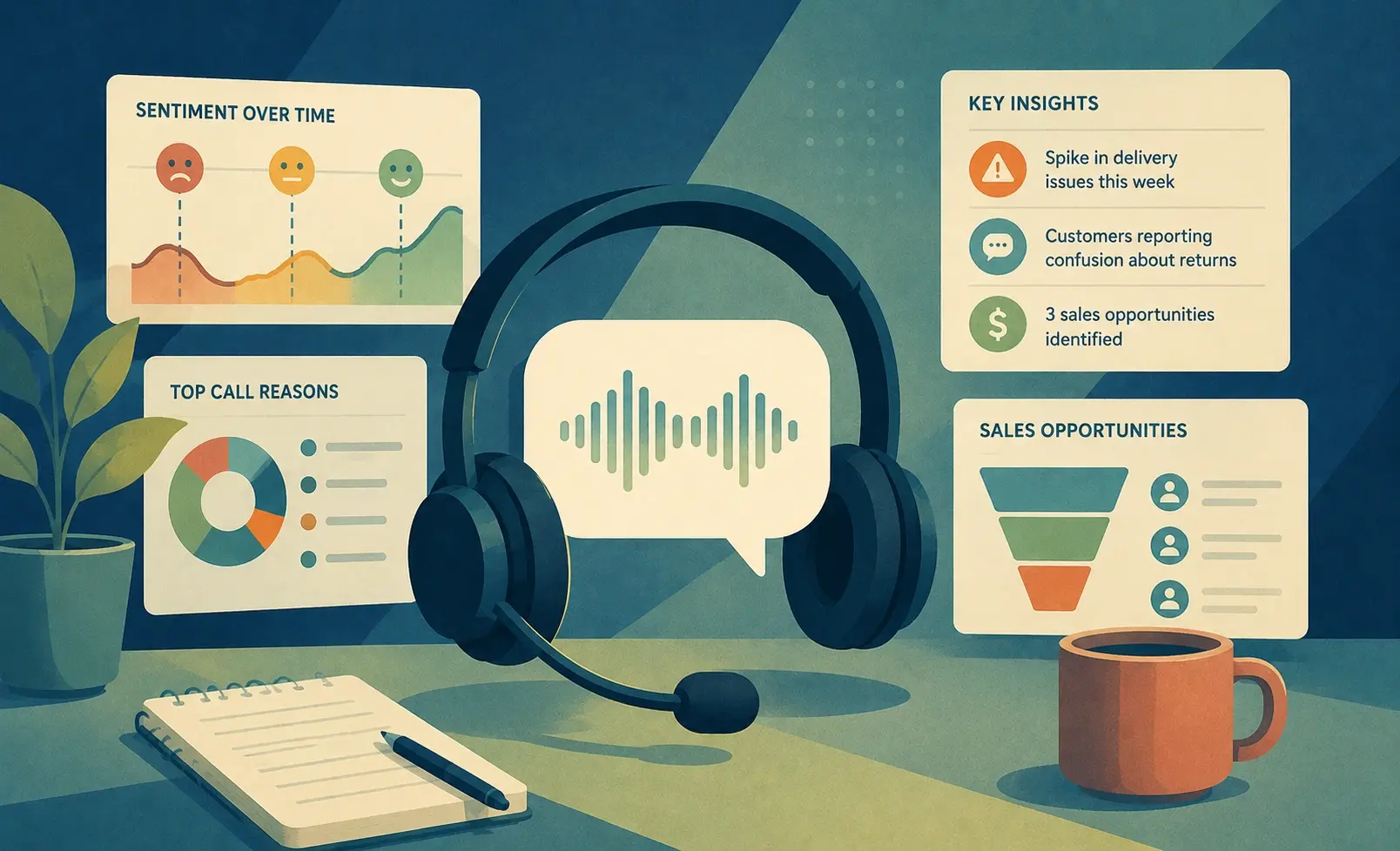
AI provides dashboards that visualize worker performance, team comparisons, and compliance trends, enabling organizations to make data-driven decisions.
By automating these processes, organizations can achieve 100% coverage of recorded calls, significantly enhancing their ability to monitor compliance and improve communication quality.
Implementation & Integration
To successfully implement AI coaching and roleplay for safety-critical conversations, organizations should follow these steps:
Preparation:
- Define the scope of communications to be recorded and monitored.
- Assess the current communication systems and identify gaps in compliance.
- Establish success criteria, such as protocol compliance targets and training effectiveness metrics.
Execution:
- Choose an AI platform like Insight7 that offers robust call recording and analysis capabilities.
- Integrate the AI solution with existing communication tools, ensuring compatibility with BYOD policies and various devices.
- Conduct a pilot program with a small group to test the system and gather feedback.
Evaluation:
- Monitor the effectiveness of the AI coaching through performance metrics and compliance scores.
- Gather user feedback to identify areas for improvement in the training process.
Iteration & Improvement:
- Continuously refine the training content based on AI-generated insights and evolving regulatory requirements.
- Scale the program across the organization, ensuring all teams receive consistent training and support.
By following this structured approach, organizations can effectively leverage AI to enhance their safety-critical communication training, ensuring compliance and reducing the risk of incidents.
Business Impact & Use Cases
The implementation of AI-powered coaching and roleplay can yield significant benefits for organizations engaged in safety-critical communications:
-
Protocol Failure Detection: AI rapidly identifies critical failures, such as missing phonetic alphabet usage or lack of repeat-backs, which traditional methods might miss for weeks.
-
Workforce Monitoring at Scale: AI enables continuous monitoring of all communications, providing visibility into contractor performance and location-specific compliance.
-
Training & Coaching: Instead of generic annual refreshers, organizations can implement targeted training interventions based on real-time data, addressing specific gaps in communication skills.
-
Incident Investigation: In the event of an incident, AI allows for quick retrieval of relevant calls, expediting investigations and ensuring compliance with regulatory requirements.
By transforming training from a reactive to a proactive approach, organizations can foster a culture of continuous improvement, ultimately enhancing safety and operational efficiency.
Frequently Asked Questions
Q1: How does AI coaching improve communication skills?
A1: AI coaching provides real-time feedback and personalized training based on actual conversations, allowing individuals to practice and improve their skills in a risk-free environment.
Q2: What types of scenarios can be simulated using AI roleplay?
A2: AI roleplay can simulate various scenarios, including objection handling, conflict resolution, and safety-critical communications, tailored to organizational needs.
Q3: How quickly can organizations see results from AI coaching?
A3: Organizations typically see measurable improvements within 2–4 weeks of implementing AI coaching, with reduced onboarding timelines for new hires.
Q4: Is AI coaching suitable for all levels of employees?
A4: Yes, AI coaching is beneficial for both new hires and experienced professionals, providing tailored training that meets individual skill levels.
Q5: What are the compliance benefits of using AI for safety-critical communications?
A5: AI ensures comprehensive monitoring and documentation of communications, making it easier to meet regulatory requirements and prepare for audits.
By embracing AI-powered coaching and roleplay, organizations can enhance their safety-critical communication training, ensuring compliance and fostering a culture of safety and excellence.