In today's fast-paced environment, clear verbal communication is critical, especially in safety-critical industries like rail. Miscommunication can lead to severe consequences, including safety incidents and regulatory non-compliance. As organizations prepare for stricter compliance requirements, such as those outlined in Network Rail's NR/L3/OPS/301 standards, the need for effective communication strategies becomes paramount. AI coaching emerges as a powerful solution to enhance message clarity and ensure adherence to communication protocols, ultimately safeguarding operations and improving overall efficiency.
The Safety Critical Communications Challenge
Effective verbal communication is the backbone of safety-critical operations in the rail industry. With the impending compliance deadlines set by Network Rail, organizations face significant challenges in ensuring that all communications meet regulatory standards. The stakes are high; failure to adhere to protocols can lead to safety incidents, legal repercussions, and loss of reputation.
The Manual Review Problem
Traditionally, supervisors have relied on manual reviews of a small sample of communications to ensure compliance. This approach has several drawbacks:
- Limited Coverage: Manual reviews typically cover less than 5% of calls, leaving over 95% of communications unmonitored.
- Delayed Detection: Issues often go unnoticed for weeks or months, making it difficult to implement timely corrective actions.
- Lack of Visibility: Organizations struggle to monitor subcontractor communications effectively, leading to compliance gaps.
- Overwhelming Documentation: The burden of compliance documentation can be daunting, diverting resources from core operational tasks.
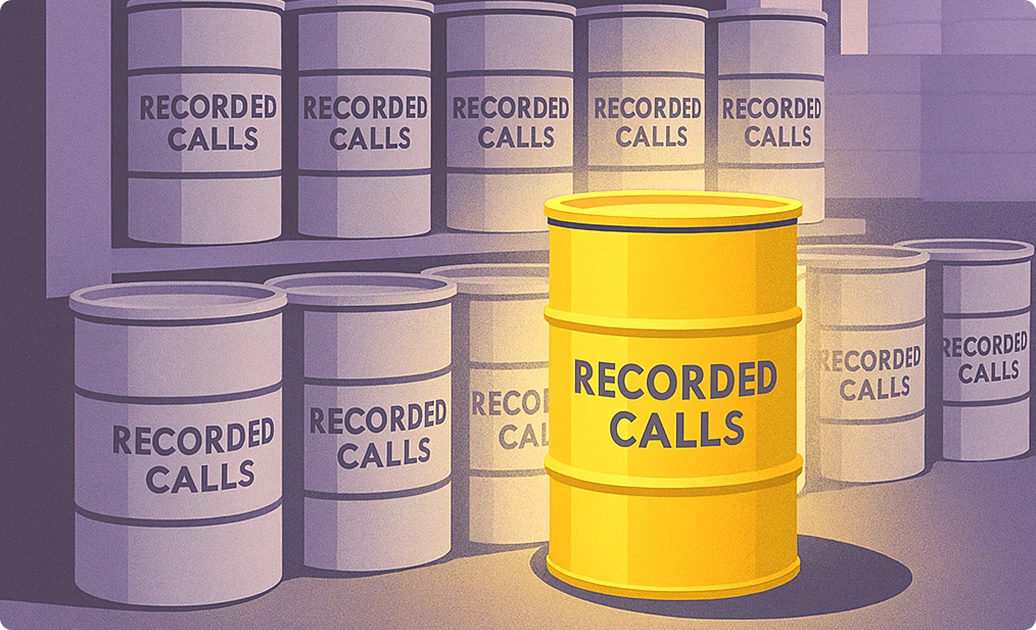
With thousands of calls generated daily, the scalability crisis becomes evident. For instance, with 500 workers making 50 calls each day, organizations can expect around 25,000 calls daily, making manual review impractical and inefficient.
Regulatory Pressure
The introduction of Network Rail's NR/L3/OPS/301 standards places additional pressure on organizations to ensure compliance. Key requirements include:
- Mandatory recording of safety-critical communications.
- Documentation of protocol adherence.
- Clear oversight of contractor communications.
Failure to comply can lead to severe penalties, making it essential for organizations to adopt innovative solutions.
How AI Coaching Enhances Communication
AI coaching leverages advanced technologies like natural language processing (NLP) and machine learning to analyze verbal communications in real-time. This approach transforms traditional training methods into dynamic, data-driven practices that enhance message clarity and protocol adherence.
The AI Pipeline
-
Call Recording Capture: Voice recordings are collected from various sources, including mobile devices, VoIP systems, and control rooms.
-
Speech-to-Text Transcription: AI transcribes calls with over 95% accuracy, recognizing industry-specific terminology and aligning timestamps.
-
Protocol Analysis: The AI analyzes transcripts against established safety-critical communication protocols, identifying:
- Phonetic alphabet usage and errors.
- Compliance with repeat-back requirements.
- Message structure adherence.
- Instances of ambiguous language or protocol violations.
-
Scoring & Flagging: Each call receives an overall compliance score, with specific feedback on protocol elements, risk classifications, and training needs.
-
Insights & Reporting: Organizations receive comprehensive dashboards that provide insights into worker performance, compliance trends, and training recommendations.
Practical Value of AI Coaching
AI coaching offers organizations several advantages:
- Immediate Feedback: Workers receive real-time feedback on their communication practices, allowing for quick adjustments.
- Scalable Training: AI coaching can be applied across teams, ensuring consistent standards and practices.
- Data-Driven Insights: Organizations can identify trends and gaps in communication, enabling targeted training interventions.
For instance, if a worker consistently omits the phonetic alphabet when communicating train IDs, the AI can flag this as a training need, prompting immediate coaching.
Implementation of AI Coaching
To successfully implement AI coaching for verbal communications, organizations should follow a structured approach:
Preparation
- Define Scope: Identify which communications need to be recorded and monitored, including internal teams and contractors.
- Select Tools: Choose an AI coaching platform, such as Insight7, that aligns with organizational needs and compliance requirements.
Execution
- Integration: Set up the AI platform to capture and analyze communications from various sources.
- Training: Provide initial training for supervisors and workers on how to use the AI tools effectively.
- Monitoring: Begin capturing calls and generating compliance reports.
Evaluation
- Assess Effectiveness: Regularly evaluate the impact of AI coaching on communication clarity and protocol adherence.
- Gather Feedback: Collect input from users to identify areas for improvement and adjust training programs accordingly.
Iteration & Improvement
- Continuous Learning: Use insights from AI analysis to refine training programs and address emerging communication challenges.
- Adapt to Changes: Stay informed about updates to regulatory requirements and adjust practices to maintain compliance.
Conclusion
AI coaching represents a transformative approach to enhancing verbal communication in safety-critical environments. By leveraging advanced technologies, organizations can improve message clarity, ensure protocol adherence, and ultimately safeguard operations against the risks associated with miscommunication. As the rail industry prepares for stricter compliance standards, adopting AI coaching tools like Insight7 will be essential for meeting regulatory demands and fostering a culture of continuous improvement in communication practices. Embracing this technology is not just about compliance; it's about creating a safer, more efficient workplace where clear communication is prioritized.