Overview
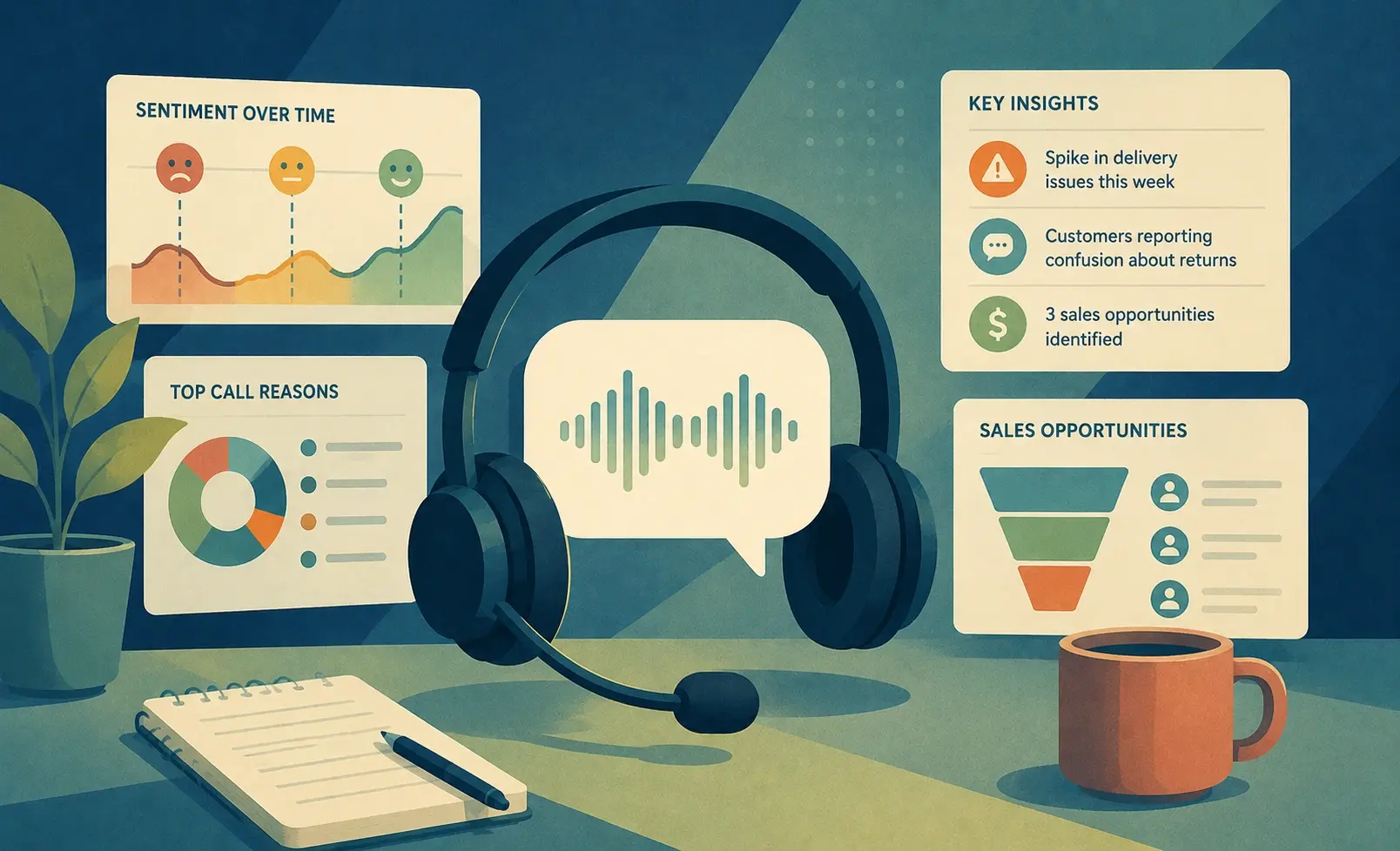
In the ever-evolving landscape of nonprofit organizations, effective communication with donors and members is crucial for success. With the increasing volume of calls and inquiries, nonprofits are turning to innovative solutions like agent assist technology to enhance their call management processes. Agent assist tools leverage artificial intelligence (AI) to provide real-time support to agents during donor and member interactions. This technology not only improves response times and accuracy but also enhances the overall experience for both agents and callers. In this post, we will explore how agent assist can transform nonprofit organizations' approach to managing donor and member calls, the core features of this technology, and practical steps for implementation.
Understanding Agent Assist Technology
Core Definition:
Agent assist technology refers to AI-driven tools that monitor customer interactions in real-time, understanding the context and intent of conversations. These tools provide agents with relevant information, guidance, and recommendations during calls, ultimately improving outcomes and enhancing the donor experience.
What It's NOT:
- Not just a searchable knowledge base
- Not static scripts or call flows
- Not post-call quality scoring
- Not a chatbot or IVR system
The Technology Stack
Agent assist operates through a layered technology stack that includes:
- Conversation Intelligence: Real-time speech-to-text and text analysis that captures and understands conversations.
- Context Engine: Analyzes customer sentiment and intent to provide tailored responses.
- Intelligence & Decision Engine: AI determines the most relevant guidance based on the context of the conversation.
- Presentation & Delivery: User interface that displays guidance without disrupting agent workflow.
- Integration Framework: Connects with existing CRM and contact center platforms.
- Analytics & Optimization: Measures performance and supports continuous improvement.
Core Platform Capabilities
When selecting an agent assist tool for your nonprofit, consider the following must-have features:
-
Real-Time Processing:
- Sub-2-second latency from speech to guidance.
- Continuous analysis throughout the interaction.
-
Context-Aware Knowledge Surfacing:
- Automatically displays relevant information based on the conversation.
- Reduces search time and improves resolution rates.
-
Sentiment Detection & Escalation Prevention:
- Recognizes emotional shifts and prompts de-escalation tactics when necessary.
-
Compliance Monitoring:
- Ensures adherence to regulatory and policy standards, reducing legal risks.
-
Multichannel Support:
- Operates across voice, chat, email, and social media, providing consistent agent support.
-
CRM & System Integration:
- Seamless connection with existing technology stacks to ensure smooth adoption.
By leveraging these capabilities, nonprofits can enhance their communication efforts, improve donor relationships, and ultimately drive greater engagement and retention.
Implementation Considerations
Implementing an agent assist solution requires a strategic approach to ensure success. Here’s a step-by-step guide to help your nonprofit effectively integrate this technology into your operations.
Preparation:
- Define Business Objectives: Identify specific goals such as improving response times, increasing donor satisfaction, or enhancing compliance.
- Assess Environment: Evaluate current call volumes, agent capabilities, and existing technology infrastructure.
Execution:
- Vendor Evaluation: Research and select an agent assist provider that meets your nonprofit's needs. Insight7 is a strong contender, offering robust AI capabilities tailored for nonprofit organizations.
- Pilot Program: Start with a small group of agents to test the system. Gather feedback and make necessary adjustments before a full rollout.
Evaluation:
- Monitor Performance: Track key metrics such as average handle time (AHT), first call resolution (FCR), and customer satisfaction (CSAT) to evaluate the effectiveness of the agent assist tool.
- Gather Feedback: Collect input from agents on the usability and effectiveness of the tool to identify areas for improvement.
Iteration & Improvement:
- Continuous Optimization: Regularly review performance metrics and agent feedback to refine the system and enhance its capabilities.
- Training and Support: Provide ongoing training for agents to ensure they are fully utilizing the features of the agent assist tool.
By following these steps, your nonprofit can successfully implement agent assist technology, leading to improved donor engagement and operational efficiency.
Business Impact & Metrics
The introduction of agent assist technology can significantly impact your nonprofit's operations. Here are key metrics to consider:
-
Efficiency Metrics:
- Average Handle Time (AHT): Expect a 10-25% reduction due to faster information access and fewer transfers.
- Transfer/Escalation Rate: Anticipate a 20-40% reduction as agents resolve issues more effectively with real-time guidance.
-
Quality Metrics:
- First Call Resolution (FCR): A potential increase of 10-20 percentage points as agents handle inquiries more efficiently.
- Customer Satisfaction (CSAT): An improvement of 8-15% is likely due to quicker resolutions and knowledgeable agents.
-
Cost Metrics:
- Cost Per Contact: A reduction of 15-30% can be expected, driven by improved efficiency and reduced supervision needs.
- Agent Attrition: A decrease of 20-40% is possible as agents experience less stress and greater job satisfaction.
By tracking these metrics, nonprofits can measure the ROI of their agent assist implementation and make data-driven decisions to enhance their operations.
Frequently Asked Questions
Q1: What is agent assist technology?
A1: Agent assist technology uses AI to provide real-time support to customer service agents during interactions, helping them respond faster and more accurately.
Q2: How can agent assist benefit nonprofit organizations?
A2: It enhances donor engagement by improving response times, reducing escalations, and ensuring compliance with regulations.
Q3: What features should I look for in an agent assist tool?
A3: Key features include real-time processing, context-aware knowledge surfacing, sentiment detection, compliance monitoring, and multichannel support.
Q4: How long does it take to implement an agent assist solution?
A4: Implementation timelines can vary, but typically it takes around 12-16 weeks to fully deploy the technology.
Q5: Can agent assist tools integrate with existing systems?
A5: Yes, most agent assist tools, including Insight7, offer integration capabilities with existing CRM and contact center platforms.
By adopting agent assist technology, nonprofit organizations can significantly enhance their communication strategies, leading to improved donor relationships and operational efficiency.