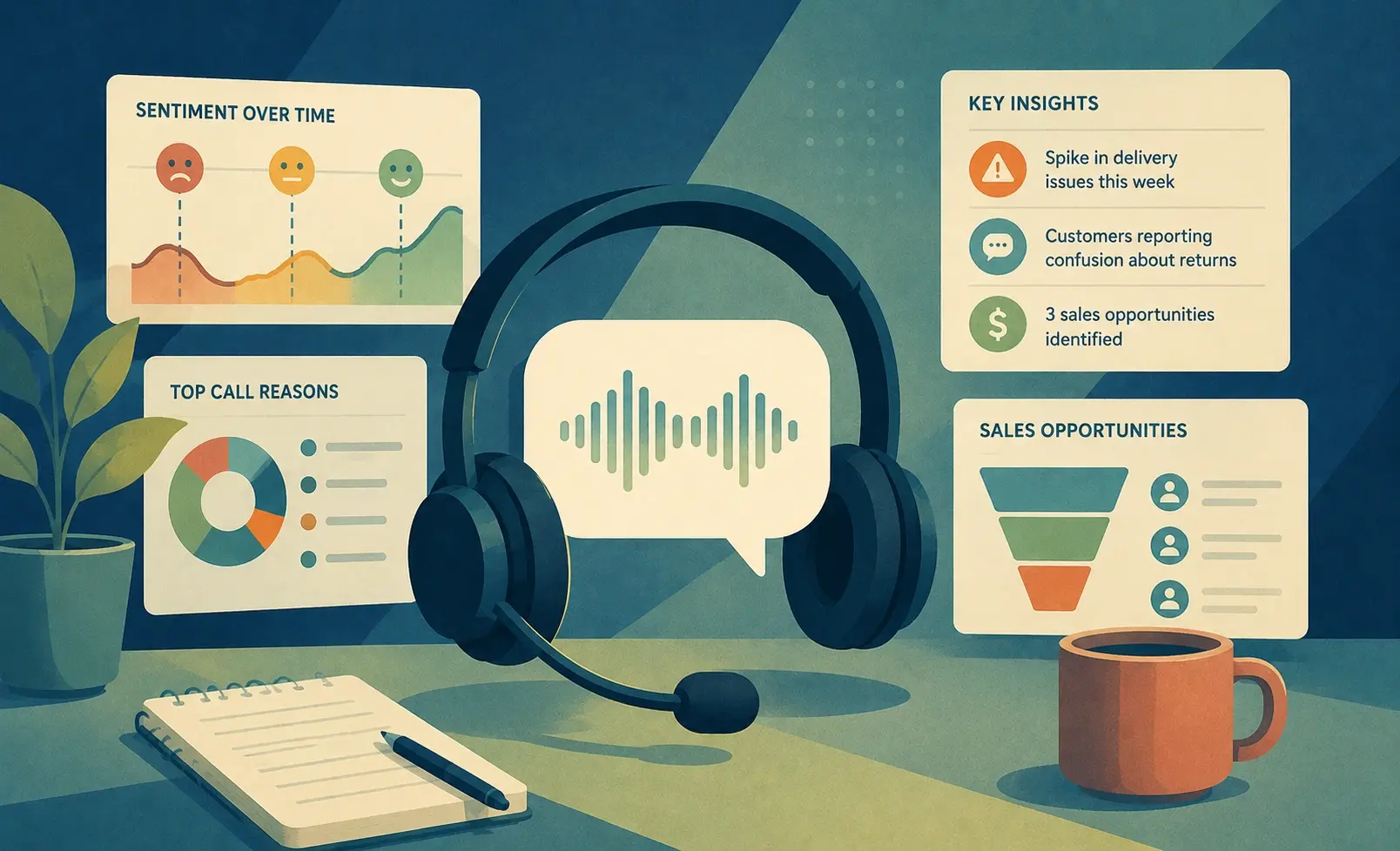
SaaS companies are increasingly turning to agent assist technologies to enhance their technical support and onboarding processes. These AI-powered tools provide real-time support to customer service agents, enabling them to deliver faster, more accurate assistance. By leveraging agent assist, companies can improve customer satisfaction, reduce handling times, and streamline onboarding for new users. In this post, we'll explore how agent assist works, its core capabilities, and the practical value it brings to SaaS organizations.
Understanding Agent Assist Technology
Core Definition:
Agent assist technology is a real-time artificial intelligence system that monitors customer interactions, understands context and intent, and provides agents with relevant information, guidance, and recommendations during conversations. This ensures that agents can respond effectively to customer inquiries, leading to improved outcomes.
What It's NOT:
- Not just a searchable knowledge base
- Not static scripts or call flows
- Not post-call quality scoring
- Not a chatbot or IVR system
Agent assist tools operate in the background, analyzing conversations and surfacing relevant information to support agents as they engage with customers. This real-time assistance allows agents to focus on providing exceptional service without getting bogged down in manual tasks.
Core Platform Capabilities
When evaluating agent assist solutions, consider these must-have features that are particularly beneficial for SaaS companies:
-
Real-Time Processing
- Sub-2-second latency from speech to guidance
- Continuous analysis throughout the interaction
- Why it matters: Agents need immediate guidance when a customer asks a question.
-
Context-Aware Knowledge Surfacing
- Automatically displays relevant information based on the conversation
- Why it matters: This eliminates the need for agents to search for answers, reducing handle time and improving resolution rates.
-
Sentiment Detection & Escalation Prevention
- Recognizes shifts in customer emotion and prompts de-escalation tactics
- Why it matters: This helps prevent escalations before they occur, enhancing the overall customer experience.
-
Compliance Monitoring
- Ensures adherence to regulatory and policy guidelines
- Prompts required disclosures and flags prohibited language
- Why it matters: This reduces legal risk and potential fines.
-
Multichannel Support
- Works across voice, chat, email, and social media
- Why it matters: Consistent agent support is crucial regardless of the communication channel.
These capabilities not only improve the efficiency of customer support but also enhance the onboarding experience for new users, making it easier for them to navigate your software solutions.
Implementation Considerations
Implementing agent assist technology requires a strategic approach to ensure success. Here’s a breakdown of the key phases:
Preparation:
- Define Clear Goals: Identify specific objectives for agent assist, such as reducing average handle time (AHT) or improving first call resolution (FCR).
- Involve Key Stakeholders: Engage contact center managers, IT teams, and training leads early in the process to align on goals and address potential challenges.
Execution:
- Choose the Right Platform: Evaluate solutions based on features, integration capabilities, and vendor viability. Insight7, for example, offers robust support for real-time processing and compliance monitoring.
- Pilot the Tool: Start with a small group of agents to test the technology and gather feedback. This allows for adjustments before a full rollout.
Evaluation:
- Monitor Performance: Track key metrics such as AHT, FCR, and customer satisfaction scores to assess the effectiveness of the agent assist tool.
- Gather Feedback: Regularly solicit input from agents to identify areas for improvement and ensure the technology meets their needs.
Iteration & Improvement:
- Refine the System: Use performance data to make ongoing adjustments to the agent assist tool, optimizing its recommendations and guidance based on real-world interactions.
By following these steps, SaaS companies can successfully integrate agent assist technology into their customer support and onboarding processes, leading to enhanced service delivery and improved user experiences.
Business Impact & Metrics
The implementation of agent assist technology can lead to significant improvements across various business metrics. Here are some key outcomes you can expect:
- Average Handle Time (AHT): Reduction of 10-25% due to faster information access and fewer transfers.
- First Call Resolution (FCR): Improvement of 10-20 percentage points, allowing issues to be resolved without callbacks.
- Customer Satisfaction (CSAT): Increase of 8-15% as a result of quicker resolutions and knowledgeable agents.
- Cost Per Contact: Reduction of 15-30% driven by improved efficiency and lower supervision needs.
- Agent Attrition: Improvement of 20-40% as agents experience reduced stress and enhanced support.
These metrics demonstrate the tangible benefits of adopting agent assist technology, ultimately leading to a more efficient operation and a better overall customer experience.
Frequently Asked Questions
Q: How does agent assist improve onboarding for new users?
A: Agent assist provides real-time guidance to agents, enabling them to help new users navigate the software more effectively and efficiently.
Q: Can agent assist technology be integrated with existing systems?
A: Yes, most agent assist solutions, including Insight7, offer seamless integration with existing CRM and knowledge management systems.
Q: What types of support channels can agent assist work with?
A: Agent assist can support various channels, including voice, chat, email, and social media, ensuring a consistent experience across all customer interactions.
Q: How quickly can we expect to see results after implementing agent assist?
A: Many organizations report measurable improvements within 2-4 weeks of implementation, particularly in key metrics like AHT and CSAT.
Q: Is agent assist technology suitable for all types of customer interactions?
A: While agent assist is highly effective for technical support and onboarding, it can also be beneficial in sales, customer success, and general customer service scenarios.
By leveraging agent assist technology, SaaS companies can enhance their technical support and onboarding processes, ultimately leading to improved customer satisfaction and operational efficiency.