Introduction to Multi-Stakeholder Discovery AI Simulation in Finance
Multi-Stakeholder Discovery AI Simulation in Finance is revolutionizing how organizations approach training and development, particularly in the realm of communication and negotiation. By leveraging artificial intelligence, this innovative simulation allows finance professionals to engage in realistic roleplay scenarios that mirror the complexities of real-world interactions. This matters because effective communication is critical in finance, where decisions often hinge on nuanced discussions and stakeholder buy-in.
The shift from traditional training methods to AI-powered simulations addresses significant challenges in skill development. Traditional approaches often lack the scalability and immediate feedback necessary for meaningful improvement. In contrast, AI simulations provide a dynamic environment where users can practice high-stakes conversations, receive personalized feedback, and measure their progress over time. This evolution not only enhances individual competencies but also drives organizational performance, making it a vital tool for finance teams aiming to optimize their communication strategies.
Scenario: Cost Marketing on Value through AI Simulation
Scenario: Cost Marketing on Value through AI Simulation
Setting:
In a bustling finance office, a team of financial advisors is preparing for a critical client meeting where they need to present a new investment strategy. The atmosphere is charged with anticipation, as they know that the success of this meeting hinges on their ability to communicate value effectively while addressing potential cost objections.
Participants / Components:
- Financial Advisor (Learner): A mid-level advisor eager to refine their communication skills and handle objections confidently.
- AI Persona (Client): A dynamic AI-driven simulation that mimics a skeptical client, equipped with various objections related to cost and value.
- Coaching Platform: An AI-powered coaching tool that provides real-time feedback and analytics on the advisor's performance during the roleplay.
Process / Flow / Response:
Step 1: Session Configuration
The financial advisor sets the learning objectives for the simulation, focusing on effectively conveying the value of the proposed investment strategy while anticipating and addressing cost-related objections. They select a scenario template that includes common client concerns about pricing.
Step 2: Dynamic AI Roleplay
The advisor engages in a live conversation with the AI persona, which presents objections such as, "Your fees seem high compared to my current advisor." The AI adapts its tone and emotional responses based on the advisor's replies, creating a realistic dialogue that challenges the advisor to think on their feet.
Step 3: Automated Evaluation
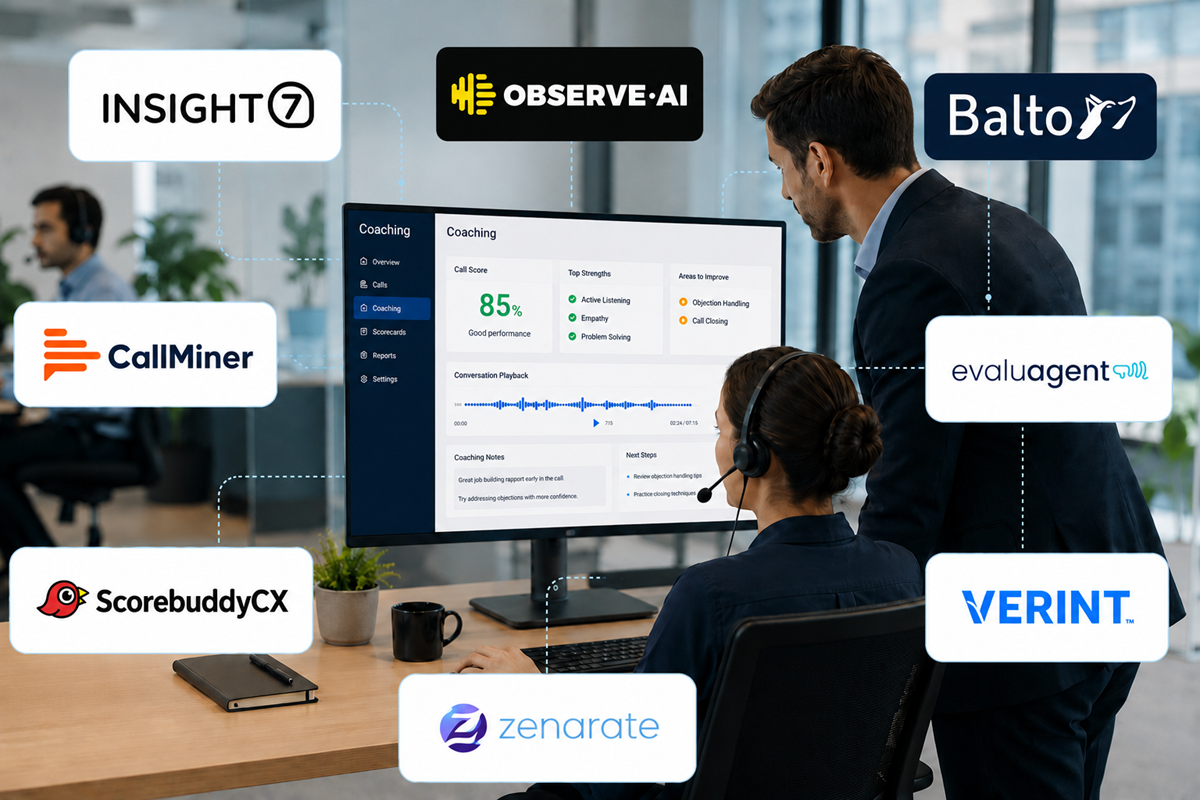
After the roleplay, the coaching platform analyzes the conversation, scoring the advisor on clarity, empathy, and effectiveness in addressing objections. It provides targeted feedback, highlighting strengths and areas for improvement, such as the need to better articulate the long-term value of the investment strategy.
Outcome:
The advisor leaves the simulation with enhanced confidence and a clearer understanding of how to communicate value effectively. They are better prepared for the upcoming client meeting, equipped with strategies to address cost objections and demonstrate the investment's worth, ultimately aiming to secure the client's trust and business.
Frequently Asked Questions about Multi-Stakeholder AI Simulations in Finance
Q: What is Multi-Stakeholder AI Simulation in Finance?
A: Multi-Stakeholder AI Simulation in Finance is an advanced training tool that uses AI to create realistic roleplay scenarios for finance professionals, enhancing their communication and negotiation skills.
Q: How does AI-powered coaching improve communication skills?
A: AI-powered coaching provides personalized, data-driven feedback in real-time, allowing users to practice and refine their communication skills in a risk-free environment.
Q: What types of scenarios can be simulated?
A: Scenarios can include objection handling, negotiation tactics, and client presentations, tailored to specific financial contexts and challenges.
Q: How quickly can users expect to see improvements?
A: Users typically see measurable improvements within 2 to 4 weeks of engaging with AI simulations, with onboarding timelines potentially reduced by 30-50%.
Q: Is AI coaching suitable for all levels of employees?
A: Yes, AI coaching is beneficial for both new hires and seasoned professionals, providing valuable practice and feedback regardless of experience level.
Q: What metrics are used to evaluate performance during simulations?
A: Performance is evaluated across various dimensions, including clarity, empathy, active listening, and goal alignment, using advanced linguistic and conversational analysis.