Introduction: Navigating Competing Priorities in Multi-Stakeholder AI Training
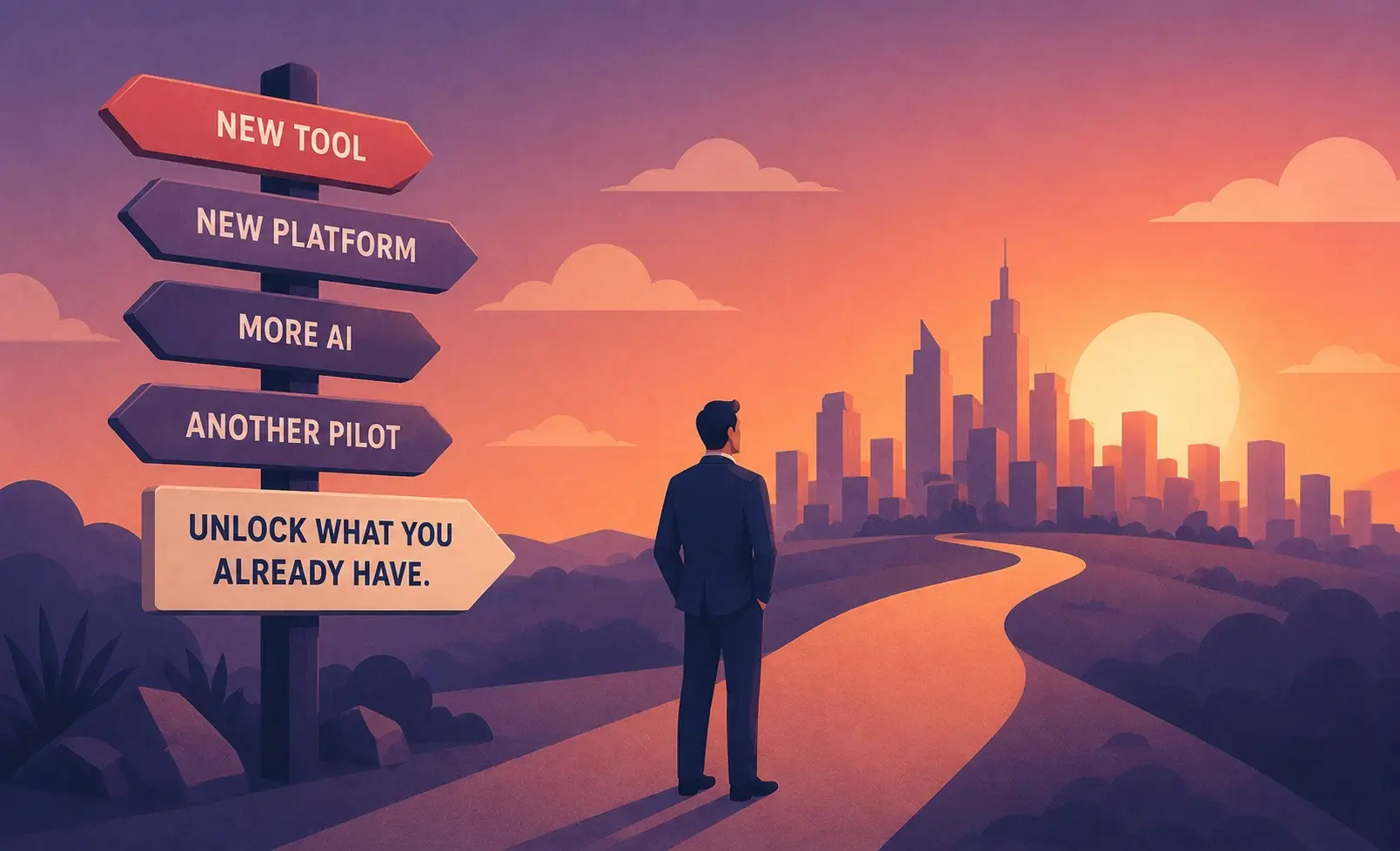
Navigating the complexities of multi-stakeholder AI training can be a daunting task, especially when different departments have competing priorities. As organizations strive to harness the power of artificial intelligence, they often encounter a landscape where the goals of sales, customer service, and leadership development may clash. Each department has its unique objectives, leading to potential friction in training initiatives and resource allocation.
In this environment, AI-powered coaching and roleplay emerge as a transformative solution. By providing a scalable, data-driven approach to skill development, these tools enable teams to practice critical communication skills in a risk-free setting. This not only helps bridge the gap between competing priorities but also fosters a culture of continuous learning and improvement across the organization. Embracing AI coaching can empower teams to align their efforts, ultimately driving better performance and enhanced customer experiences.
Scenario: Aligning Departmental Goals in AI Training Initiatives
Scenario: Aligning Departmental Goals in AI Training Initiatives
Setting:
In a mid-sized technology company, the sales, customer service, and leadership development departments are preparing to implement a new AI-powered coaching platform. Each department has distinct goals: sales aims to enhance closing rates, customer service seeks to improve client satisfaction, and leadership focuses on developing effective communication skills among managers. The challenge lies in aligning these competing priorities to ensure a cohesive training initiative.
Participants / Components:
- Sales Team Lead: Focused on increasing revenue through improved sales techniques.
- Customer Service Manager: Aiming to enhance customer interactions and resolve issues efficiently.
- HR Training Coordinator: Responsible for integrating training programs across departments and ensuring alignment with organizational goals.
Process / Flow / Response:
Step 1: Identify Common Objectives
The departments convene to discuss their individual goals and identify overlapping objectives, such as improving communication skills and enhancing customer interactions. This collaborative approach fosters a shared understanding of how each department's success contributes to the overall company performance.
Step 2: Customize AI Coaching Scenarios
Using the insights gathered, the HR Training Coordinator configures the AI coaching platform to create tailored scenarios that address the specific needs of each department while maintaining a focus on common objectives. For example, scenarios may include objection handling for sales and empathy training for customer service, both emphasizing effective communication.
Step 3: Implement and Monitor Progress
The departments roll out the AI coaching sessions, encouraging team members to engage in roleplay exercises that reflect real-world challenges. The platform's analytics track progress, providing data-driven insights into individual and team performance. Regular check-ins ensure that all departments remain aligned and can adjust their focus as needed based on performance metrics.
Outcome:
By aligning departmental goals through collaborative planning and tailored training, the company enhances overall communication skills, leading to improved sales performance, higher customer satisfaction, and more effective leadership. This integrated approach not only addresses competing priorities but also fosters a culture of continuous improvement across the organization.
Frequently Asked Questions on Multi-Stakeholder AI Training Challenges
Q: What are the main challenges of multi-stakeholder AI training?
A: The primary challenges include aligning competing departmental priorities, ensuring consistent training quality across teams, and managing the diverse objectives of sales, customer service, and leadership development.
Q: How does AI-powered coaching help with these challenges?
A: AI-powered coaching provides scalable, data-driven training that adapts to individual needs, allowing departments to practice relevant scenarios while receiving personalized feedback, thus aligning their goals more effectively.
Q: Can AI coaching replace human trainers?
A: No, AI coaching complements human trainers by automating repetitive practice and providing objective feedback, allowing trainers to focus on more complex coaching needs and personalized support.
Q: How quickly can organizations expect to see results from AI coaching?
A: Organizations typically see measurable improvements within 2–4 weeks of implementing AI coaching, with onboarding timelines potentially shrinking by 30–50%.
Q: Is AI coaching suitable for all levels of employees?
A: Yes, AI coaching is beneficial for both new hires and senior leaders, as it helps develop essential communication skills relevant to their roles.
Q: How is performance measured in AI coaching sessions?
A: Performance is evaluated through automated analysis of conversations, scoring various behavioral dimensions such as clarity, empathy, and active listening, providing actionable insights for improvement.