Introduction: Addressing Trust Objections in AI Scenarios
In the rapidly evolving landscape of AI-powered coaching and roleplay, addressing trust objections is paramount. Organizations are increasingly turning to AI solutions to enhance training and development, yet skepticism remains about their effectiveness. This skepticism often stems from a desire for tangible proof that these technologies deliver real results. As companies invest in AI-driven platforms, they seek reassurance that these tools can genuinely improve communication skills and foster measurable growth.
The challenge lies in demonstrating the efficacy of AI coaching. Traditional training methods, while foundational, often fall short in providing the scalability and personalized feedback that modern learners require. By leveraging AI's capabilities, organizations can transform training from a passive experience into an interactive, data-driven practice. This shift not only enhances skill acquisition but also builds confidence in the technology, ultimately addressing the trust objections that may hinder adoption.
Scenario: Overcoming Trust Objections with AI Roleplay
Scenario: Overcoming Trust Objections with AI Roleplay
Setting:
In a corporate training room, a sales team is preparing for a new product launch. They are using an AI-powered coaching platform to practice handling customer objections in real-time roleplay scenarios.
Participants / Components:
- Sales Representative: A team member who engages with the AI to simulate customer interactions.
- AI Persona: An adaptive AI that mimics a skeptical customer, presenting various objections.
- Training Facilitator: A manager overseeing the session, providing guidance and feedback.
Process / Flow / Response:
Step 1: Session Configuration
The training facilitator sets up the session by defining specific learning objectives, such as improving objection handling skills. They select a scenario focused on trust objections related to the new product's pricing and effectiveness.
Step 2: Dynamic AI Roleplay
The sales representative engages in a live conversation with the AI persona, which presents objections like, "How do I know this product will deliver the promised results?" The AI adapts its tone and difficulty based on the representative's responses, creating a realistic practice environment.
Step 3: Automated Evaluation
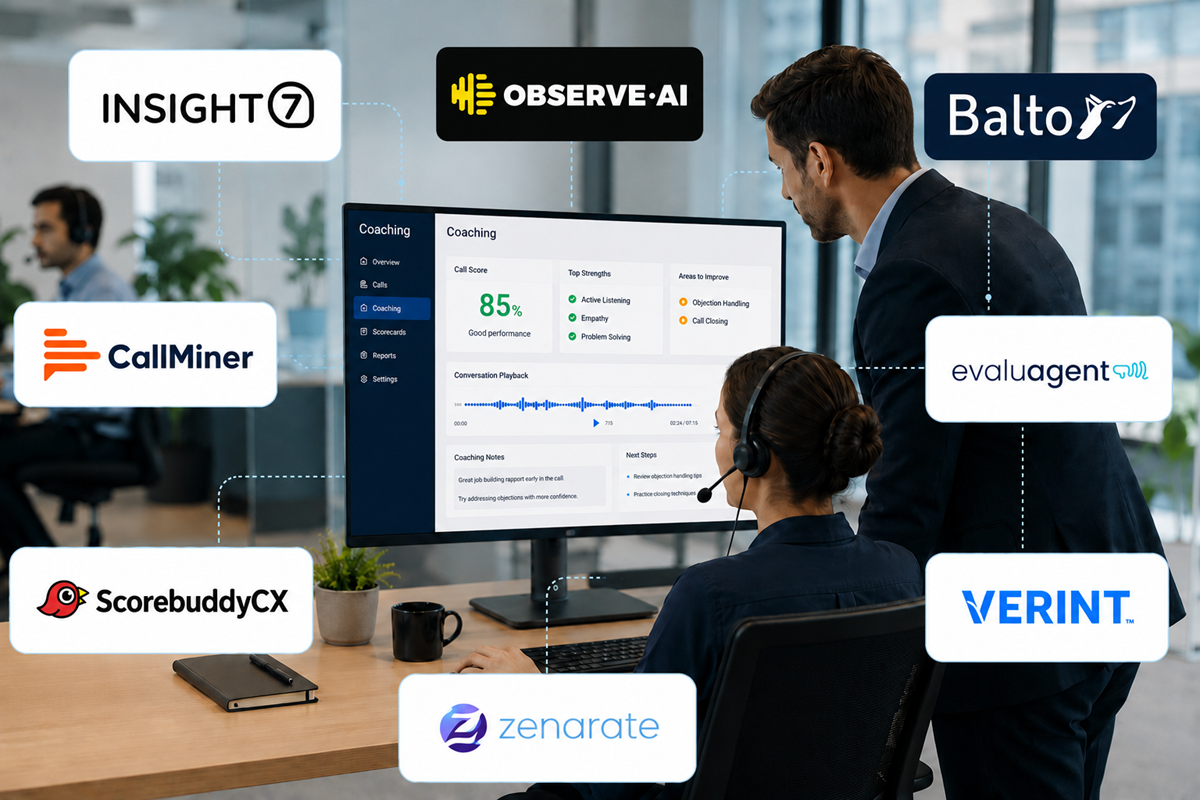
After the roleplay, the AI analyzes the conversation, assessing the representative's clarity, empathy, and effectiveness in addressing objections. It provides personalized feedback, highlighting strengths and areas for improvement, such as the need for more evidence to support claims.
Outcome:
The sales representative gains confidence in handling objections, equipped with data-driven insights to refine their approach. The practice not only enhances their skills but also builds trust in the AI coaching platform, demonstrating its effectiveness in real-world scenarios.
Frequently Asked Questions about Trust Objection Scenarios in AI
Scenario: Overcoming Trust Objections with AI Roleplay
Setting:
In a corporate training room, a sales team is preparing for a new product launch. They are using an AI-powered coaching platform to practice handling customer objections in real-time roleplay scenarios.
Participants / Components:
- Sales Representative: A team member who engages with the AI to simulate customer interactions.
- AI Persona: An adaptive AI that mimics a skeptical customer, presenting various objections.
- Training Facilitator: A manager overseeing the session, providing guidance and feedback.
Process / Flow / Response:
Step 1: Session Configuration
The training facilitator sets up the session by defining specific learning objectives, such as improving objection handling skills. They select a scenario focused on trust objections related to the new product's pricing and effectiveness.
Step 2: Dynamic AI Roleplay
The sales representative engages in a live conversation with the AI persona, which presents objections like, "How do I know this product will deliver the promised results?" The AI adapts its tone and difficulty based on the representative's responses, creating a realistic practice environment.
Step 3: Automated Evaluation
After the roleplay, the AI analyzes the conversation, assessing the representative's clarity, empathy, and effectiveness in addressing objections. It provides personalized feedback, highlighting strengths and areas for improvement, such as the need for more evidence to support claims.
Outcome:
The sales representative gains confidence in handling objections, equipped with data-driven insights to refine their approach. The practice not only enhances their skills but also builds trust in the AI coaching platform, demonstrating its effectiveness in real-world scenarios.