Introduction to Trust Objection AI Simulation: Just Send Me Information
In the fast-evolving landscape of communication training, the "Trust Objection AI Simulation: Just Send Me Information" represents a groundbreaking approach to overcoming common sales objections. This innovative simulation leverages artificial intelligence to create realistic roleplay scenarios that allow sales professionals to practice handling objections in a safe, controlled environment. By simulating real-world conversations, learners can refine their skills in addressing trust-related objections, ultimately leading to improved sales outcomes and customer relationships.
The significance of this AI-powered simulation lies in its ability to transform traditional training methods. Instead of relying solely on passive learning techniques, such as lectures or videos, this approach offers dynamic, interactive experiences that adapt to the user's responses. As a result, participants can engage in meaningful practice, receive immediate feedback, and develop the confidence needed to navigate challenging conversations. This shift not only enhances individual performance but also equips teams with the tools necessary to foster trust and credibility in their interactions with clients.
Scenario: Navigating Trust Objections with AI Roleplay
Scenario: Navigating Trust Objections with AI Roleplay
Setting:
A virtual training environment where sales professionals engage in realistic roleplay scenarios with AI personas designed to simulate customer interactions.
Participants / Components:
- Sales Professional: The learner practicing their objection-handling skills.
- AI Persona: A dynamic, responsive character representing a skeptical customer.
- Feedback System: An automated tool that evaluates the interaction and provides insights.
Process / Flow / Response:
Step 1: Initial Engagement
The sales professional initiates the conversation, introducing themselves and their product. The AI persona responds with a trust objection, such as, "I need more information before making a decision."
Step 2: Active Listening and Inquiry
The sales professional practices active listening by acknowledging the objection and asking clarifying questions. For example, they might say, "I understand you want more information. Can you specify what details would help you feel more comfortable?"
Step 3: Tailored Response and Value Proposition
Based on the AI persona's feedback, the sales professional crafts a tailored response that highlights the product's value and addresses specific concerns. They might say, "I can share case studies and testimonials from clients who faced similar hesitations and found success with our solution."
Outcome:
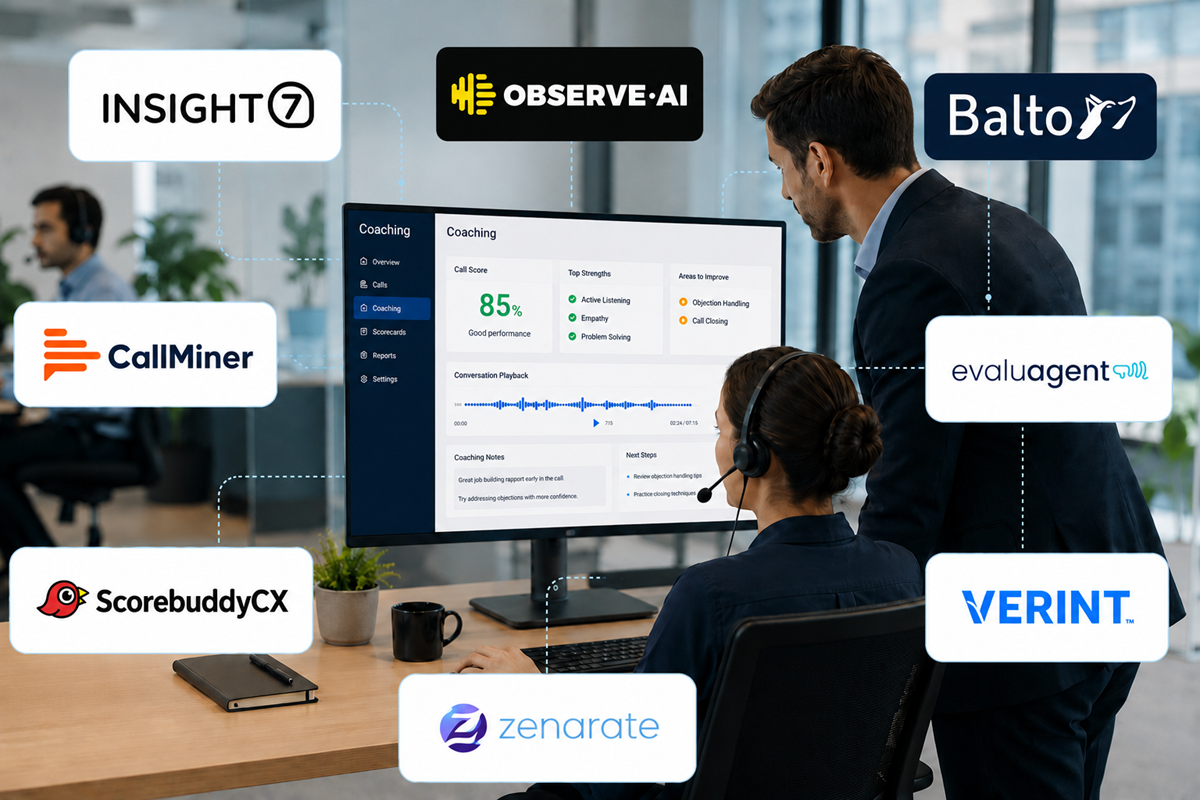
The expected result is a more confident sales professional who can effectively navigate trust objections, leading to improved customer engagement and higher conversion rates. The AI coaching platform provides immediate feedback on communication skills, helping the learner refine their approach in real-time.
Frequently Asked Questions about Trust Objection AI Simulation
Q: What is Trust Objection AI Simulation?
A: Trust Objection AI Simulation is an AI-powered training tool that allows sales professionals to practice handling trust-related objections through realistic roleplay scenarios, enhancing their communication skills and confidence.
Q: How does AI coaching differ from traditional training methods?
A: Unlike traditional training, which often relies on passive learning, AI coaching offers dynamic, interactive simulations that adapt to learner responses, providing immediate feedback and opportunities for real-world practice.
Q: Can AI simulations effectively replicate real customer interactions?
A: Yes, AI simulations use natural language processing and behavioral analytics to create highly adaptive and realistic conversations, allowing learners to engage in authentic practice scenarios.
Q: What types of objections can be practiced using this simulation?
A: The simulation focuses on common trust-related objections, such as needing more information, concerns about product reliability, or hesitation due to previous experiences.
Q: How quickly can participants expect to see improvements in their skills?
A: Participants typically see measurable improvements within 2–4 weeks of regular practice, with onboarding timelines potentially shrinking by 30–50%.
Q: Is this training suitable for all levels of sales professionals?
A: Yes, the simulation is beneficial for both new hires and experienced sales professionals, allowing everyone to refine their skills in a safe environment.