Introduction to Trust Objection AI Scenarios: We Get These Calls Every Day
In the evolving landscape of communication training, the emergence of AI-powered coaching and roleplay has transformed how organizations address trust objections. Every day, teams encounter calls that challenge their credibility and effectiveness, making it crucial to equip them with the skills to navigate these conversations confidently. This innovative approach allows individuals to engage in realistic simulations, honing their ability to respond to trust objections in a safe, controlled environment.
By utilizing advanced AI technology, organizations can provide their teams with on-demand practice opportunities, enabling them to refine their communication skills without the pressure of real-world stakes. This not only enhances their ability to handle objections but also fosters a culture of continuous learning and improvement. As the demand for effective communication grows, embracing AI coaching becomes essential for organizations aiming to build trust and credibility in their interactions.
Scenario: Navigating Trust Objections in AI Conversations
Scenario: Navigating Trust Objections in AI Conversations
Setting:
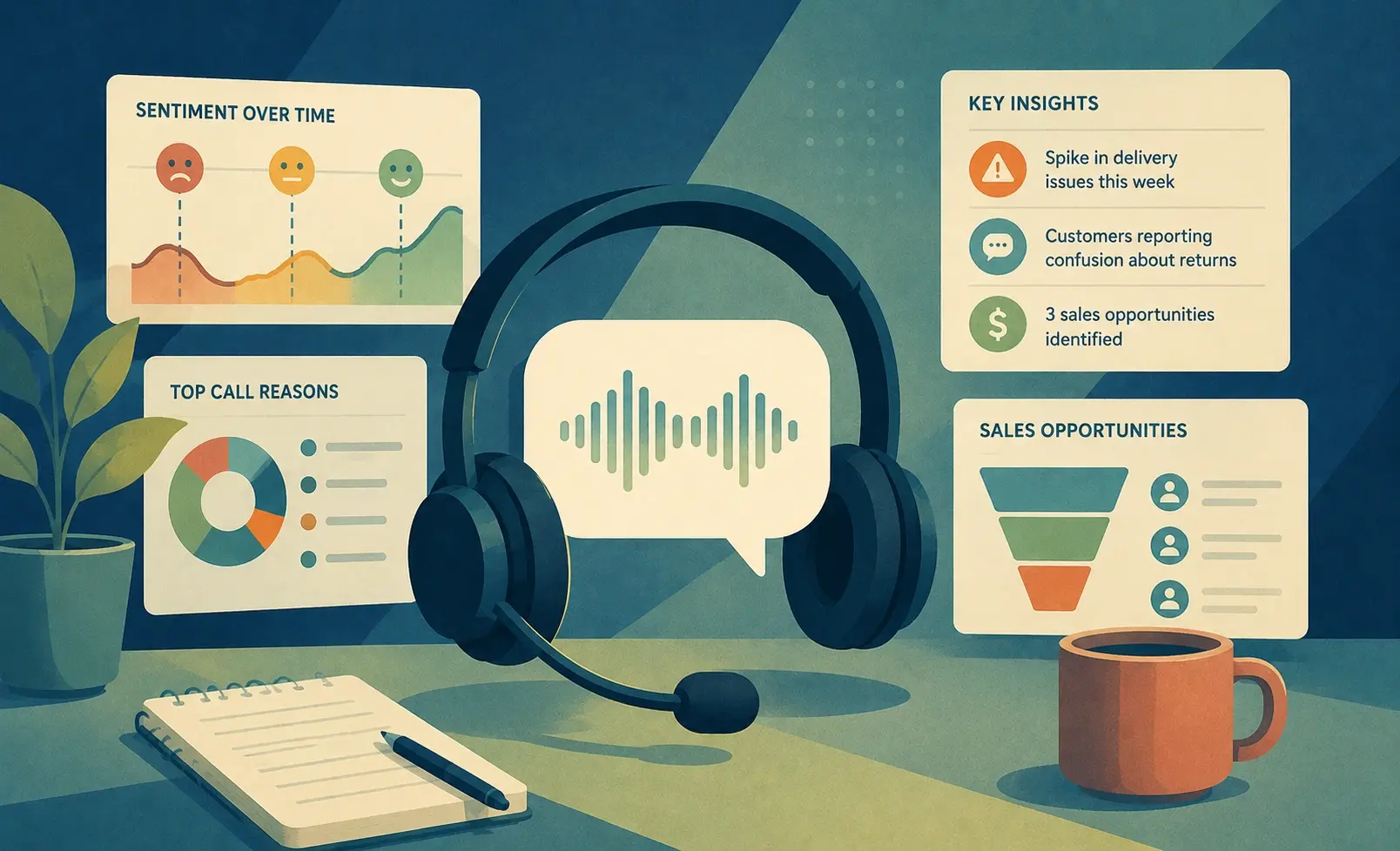
A customer service center where agents handle incoming calls from clients expressing skepticism about AI solutions. The environment is fast-paced, with agents equipped with headsets and access to AI coaching tools.
Participants / Components:
- Customer Service Agent: Responsible for addressing client inquiries and resolving concerns.
- AI Coaching Platform: Provides real-time feedback and guidance during the conversation.
- Client: A potential user of AI technology who has reservations about its reliability and effectiveness.
Process / Flow / Response:
Step 1: Acknowledge Concerns
The agent begins the conversation by actively listening to the client’s concerns about AI technology. They validate the client’s feelings by saying, “I understand why you might feel uncertain about AI. Many of our clients felt the same way initially.”
Step 2: Provide Evidence and Reassurance
The agent shares success stories and data that demonstrate the effectiveness of the AI solutions. They might say, “In fact, we’ve helped over 1,000 businesses improve their customer satisfaction scores by 30% using our AI tools.”
Step 3: Engage in Dialogue
The agent encourages the client to express specific concerns, using open-ended questions like, “What particular aspects of AI worry you the most?” This approach fosters a collaborative dialogue, allowing the agent to tailor their responses to the client’s unique fears.
Outcome:
The desired result is to build trust with the client by addressing their objections directly, providing evidence of success, and engaging them in a meaningful conversation. This process not only alleviates concerns but also positions the agent as a knowledgeable partner in the client’s decision-making process.
Frequently Asked Questions about Trust Objections in AI
Q: What are trust objections in AI conversations?
A: Trust objections in AI conversations refer to customer concerns about the reliability, effectiveness, and ethical implications of AI technologies. These objections often arise during interactions where clients express skepticism about AI's capabilities.
Q: How can AI coaching help address trust objections?
A: AI coaching provides realistic roleplay scenarios that allow individuals to practice handling trust objections in a safe environment. This training enhances their communication skills and builds confidence in addressing customer concerns.
Q: What types of scenarios can be practiced with AI coaching?
A: Scenarios can include objection handling, conflict resolution, and negotiation practices. AI coaching platforms often offer customizable scenarios tailored to specific organizational needs.
Q: How does AI coaching provide feedback?
A: AI coaching platforms analyze conversations in real-time, evaluating aspects such as clarity, empathy, and active listening. They then provide personalized, data-driven feedback to help learners improve their communication skills.
Q: Can AI coaching be used for different roles within an organization?
A: Yes, AI coaching is versatile and can be used across various roles, including sales, customer service, and leadership, making it applicable for any communication-driven position.
Q: How quickly can improvements be seen with AI coaching?
A: Organizations typically see measurable improvements within 2–4 weeks of implementing AI coaching, with onboarding timelines potentially shrinking by 30–50%.