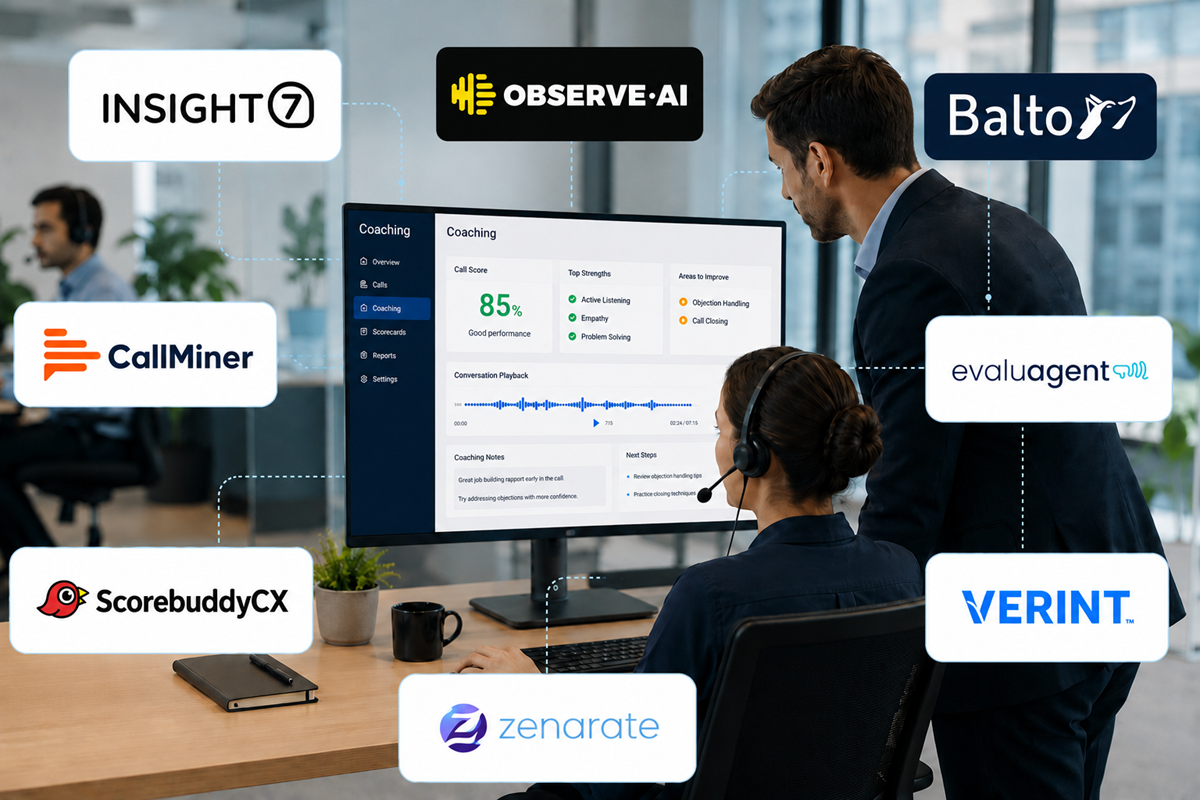
Introduction to Trust Objection AI Simulation: Partnering with Industry Leaders
Trust Objection AI Simulation is revolutionizing the way organizations approach training and development, particularly in the realm of communication skills. By leveraging advanced AI technology, this simulation enables teams to engage in realistic roleplay scenarios that mimic real-world conversations. This is crucial in today's fast-paced business environment, where effective communication can significantly impact sales, customer satisfaction, and overall organizational success.
As companies strive to enhance their training programs, the integration of AI-powered coaching offers a scalable and efficient solution. Traditional methods often fall short in providing the necessary practice and feedback needed for skill development. With Trust Objection AI Simulation, organizations can ensure that their teams are not only prepared for challenging conversations but also able to receive personalized feedback that drives continuous improvement. This innovative approach transforms the training landscape, making it a strategic asset rather than a mere cost center.
Scenario: Overcoming Trust Objections with AI-Powered Simulations
Scenario: Overcoming Trust Objections with AI-Powered Simulations
Setting:
In a corporate training room, a sales team is preparing for a crucial client presentation. The atmosphere is tense as team members anticipate potential objections from the client regarding their product's value and pricing.
Participants / Components:
- Sales Representative: Engaging with the client to present the product.
- AI Simulation Tool: Provides realistic roleplay scenarios and feedback.
- Team Leader: Observing and guiding the sales representative through the process.
Process / Flow / Response:
Step 1: Session Configuration
The team configures the AI simulation tool to focus on common trust objections, such as "Your price is too high" and "I need to consult with my team." They set specific learning objectives to enhance objection handling skills.
Step 2: Dynamic AI Roleplay
The sales representative engages in a live conversation with the AI, which mimics a skeptical client. The AI responds dynamically, challenging the representative with realistic objections while adapting its tone and emotional cues based on the representative's responses.
Step 3: Automated Evaluation
After the roleplay, the AI analyzes the conversation, providing feedback on key areas such as empathy, clarity, and active listening. The sales representative receives targeted recommendations for improvement, such as refining their value proposition and addressing concerns more effectively.
Outcome:
The sales representative gains confidence in handling trust objections, equipped with personalized feedback that enhances their communication skills. This practice not only prepares them for the upcoming client meeting but also fosters a culture of continuous learning and improvement within the team.
Frequently Asked Questions about Trust Objection AI Simulation
Q: What is Trust Objection AI Simulation?
A: Trust Objection AI Simulation is an advanced training tool that uses AI to create realistic roleplay scenarios, helping teams practice and improve their communication skills, particularly in handling objections.
Q: How does AI-powered coaching differ from traditional training methods?
A: Unlike traditional methods, AI-powered coaching offers scalable, on-demand practice with real-time feedback, allowing for continuous skill development rather than one-off training sessions.
Q: What types of scenarios can be practiced using this AI simulation?
A: Users can practice various scenarios, including objection handling, negotiation, conflict resolution, and customer service interactions, tailored to their specific organizational needs.
Q: How is feedback provided after a roleplay session?
A: The AI analyzes the conversation and provides personalized feedback on key communication behaviors such as clarity, empathy, and active listening, along with targeted recommendations for improvement.
Q: Can this AI simulation be customized for different teams or roles?
A: Yes, organizations can customize scenarios and evaluation criteria to align with their internal standards, ensuring relevance to specific teams or roles.
Q: What are the expected outcomes of using Trust Objection AI Simulation?
A: Users can expect improved confidence in handling objections, faster skill acquisition, and measurable performance improvements within a short timeframe, typically 2–4 weeks.