Introduction to AI Scenarios for Objection Handling
AI-powered coaching and roleplay is revolutionizing the way organizations approach communication skills training. As businesses increasingly recognize the importance of effective communication in driving success, the need for innovative training solutions has never been greater. Traditional methods often fall short, lacking the scalability and real-time feedback necessary for meaningful development. This is where AI scenarios come into play, offering a dynamic and engaging way to practice handling objections and other critical conversations.
By leveraging advanced technologies such as natural language processing and behavioral analytics, AI coaching platforms create realistic simulations that adapt to learners' responses. This allows individuals and teams to engage in risk-free practice, honing their skills in a safe environment. The ability to receive personalized, data-driven feedback further enhances the learning experience, transforming soft skills into measurable competencies that can be continuously improved over time.
Scenario: Mastering Objection Handling with AI Roleplay
Scenario: Mastering Objection Handling with AI Roleplay
Setting:
The scenario takes place in a virtual training environment where sales representatives engage in roleplay sessions with an AI-powered coaching platform. The AI simulates various customer personas, each presenting common objections during a sales call.
Participants / Components:
- Sales Representative: The learner practicing objection handling skills.
- AI Persona: A dynamic, responsive customer simulated by the AI, programmed to present realistic objections.
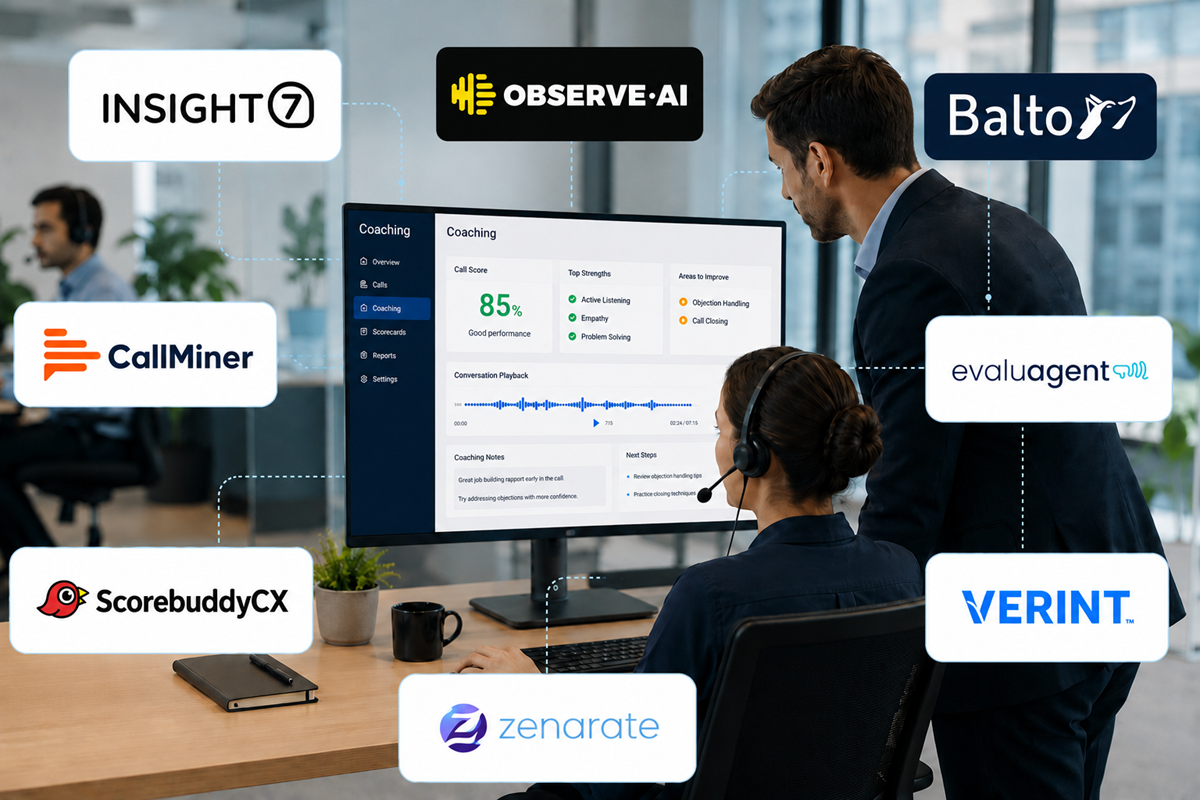
- Coaching Dashboard: A tool that provides real-time feedback and analytics on the sales representative's performance.
Process / Flow / Response:
Step 1: Scenario Selection
The sales representative selects a specific objection handling scenario from a library of prebuilt templates, such as "Price Objection" or "Need to Consult Others." This selection aligns with their current training focus and learning objectives.
Step 2: Dynamic Roleplay
The sales representative engages in a live conversation with the AI persona. The AI adapts its responses based on the representative's replies, challenging them with objections like "Your price is too high" or "I need to think about it." This interaction mimics real-world conversations, providing a safe space for practice.
Step 3: Automated Evaluation
After the roleplay, the AI analyzes the conversation, assessing key communication skills such as empathy, clarity, and active listening. The coaching dashboard displays scores and personalized feedback, highlighting strengths and areas for improvement, enabling the sales representative to reflect on their performance.
Outcome:
The expected result is a marked improvement in the sales representative's ability to handle objections effectively. Through repeated practice and data-driven feedback, they gain confidence and refine their communication skills, leading to better customer interactions and increased sales success.
Frequently Asked Questions on AI-Driven Objection Scenarios
Scenario: Mastering Objection Handling with AI Roleplay
Setting:
The scenario takes place in a virtual training environment where sales representatives engage in roleplay sessions with an AI-powered coaching platform. The AI simulates various customer personas, each presenting common objections during a sales call.
Participants / Components:
- Sales Representative: The learner practicing objection handling skills.
- AI Persona: A dynamic, responsive customer simulated by the AI, programmed to present realistic objections.
- Coaching Dashboard: A tool that provides real-time feedback and analytics on the sales representative's performance.
Process / Flow / Response:
Step 1: Scenario Selection
The sales representative selects a specific objection handling scenario from a library of prebuilt templates, such as "Price Objection" or "Need to Consult Others." This selection aligns with their current training focus and learning objectives.
Step 2: Dynamic Roleplay
The sales representative engages in a live conversation with the AI persona. The AI adapts its responses based on the representative's replies, challenging them with objections like "Your price is too high" or "I need to think about it." This interaction mimics real-world conversations, providing a safe space for practice.
Step 3: Automated Evaluation
After the roleplay, the AI analyzes the conversation, assessing key communication skills such as empathy, clarity, and active listening. The coaching dashboard displays scores and personalized feedback, highlighting strengths and areas for improvement, enabling the sales representative to reflect on their performance.
Outcome:
The expected result is a marked improvement in the sales representative's ability to handle objections effectively. Through repeated practice and data-driven feedback, they gain confidence and refine their communication skills, leading to better customer interactions and increased sales success.