Introduction to Service Failure AI Coaching: Addressing Mobile App Crashes on Launch
In the rapidly evolving landscape of mobile applications, service failures such as app crashes on launch can significantly impact user experience and brand reputation. Addressing these failures effectively is crucial, particularly as users increasingly rely on mobile apps for everyday tasks. Service Failure AI Coaching offers a transformative approach to tackling these issues by leveraging artificial intelligence to simulate real-world scenarios, enabling teams to practice and refine their responses to service disruptions.
This innovative coaching method allows organizations to create realistic roleplay situations where employees can engage with AI personas that mimic customer reactions during app crashes. By providing immediate feedback and analytics on communication behaviors, AI coaching not only enhances problem-solving skills but also fosters a culture of continuous improvement. As teams become more adept at handling service failures, they can minimize downtime, improve customer satisfaction, and ultimately drive better business outcomes.
Scenario: Navigating Customer Frustration During App Launch Failures
Scenario: Navigating Customer Frustration During App Launch Failures
Setting:
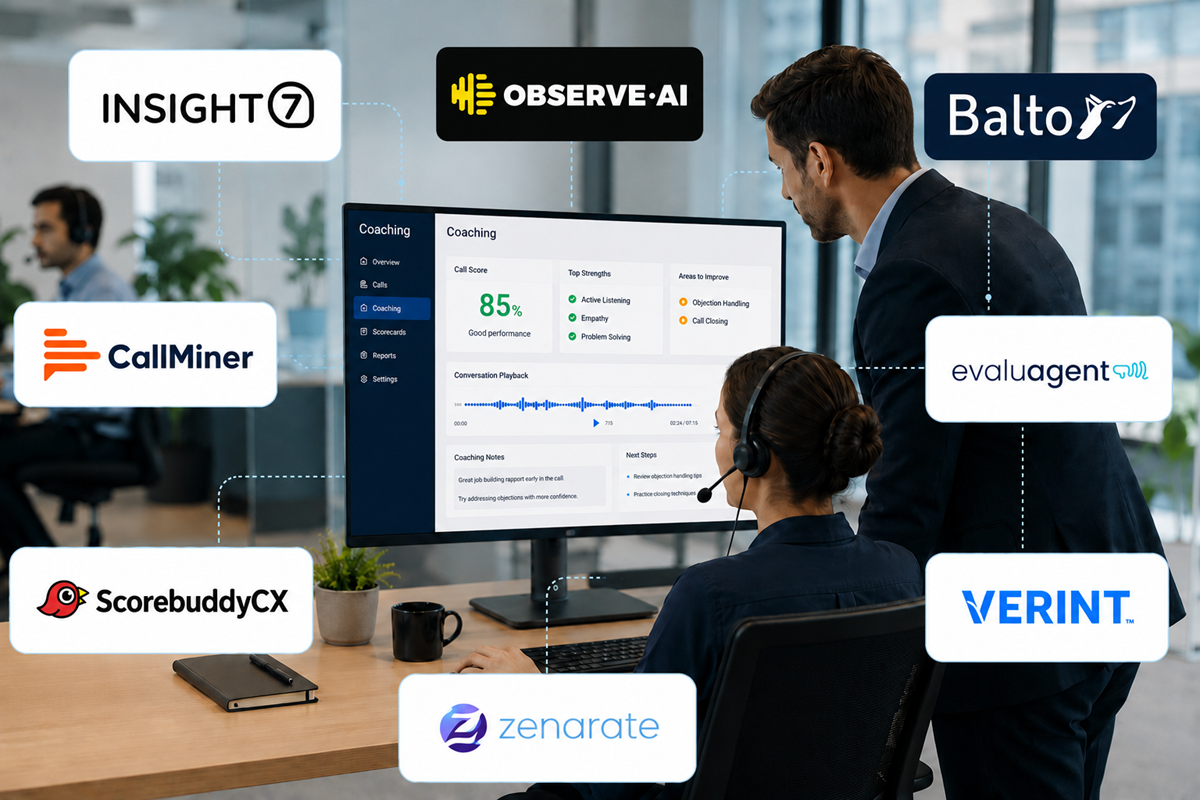
The scenario unfolds in a customer support center where agents are receiving calls from frustrated users whose mobile app crashes upon launch. The environment is fast-paced, with agents equipped with headsets and access to a knowledge base to assist customers effectively.
Participants / Components:
- Customer Support Agent: Responsible for addressing customer complaints and providing solutions.
- Frustrated Customer: A user experiencing repeated app crashes, feeling disappointed and angry.
- AI Coaching System: A tool that simulates customer interactions and provides feedback to the agent.
Process / Flow / Response:
Step 1: Active Listening
The agent begins the conversation by allowing the customer to express their frustration without interruption. They acknowledge the customer's feelings, saying, “I understand how frustrating this must be for you.” This step is crucial in calming the customer and making them feel heard.
Step 2: Empathy and Assurance
Next, the agent empathizes with the customer’s situation, reinforcing that their concerns are valid. They assure the customer that the issue is being taken seriously and that they will work to resolve it. For example, the agent might say, “I’m here to help you, and I will do my best to fix this issue.”
Step 3: Problem-Solving and Follow-Up
The agent then guides the customer through troubleshooting steps, such as clearing the app cache or reinstalling the app. If the issue persists, the agent escalates the matter to the technical team while providing the customer with a timeline for follow-up. The agent concludes by saying, “I will ensure our tech team looks into this, and I’ll follow up with you within 24 hours.”
Outcome:
The expected result is a reduction in customer frustration and an increase in satisfaction, even if the immediate issue is not resolved. By employing AI coaching, the agent improves their handling of such scenarios, leading to better customer experiences and enhanced communication skills over time.
Frequently Asked Questions about AI Coaching for Service Failures
Q: What is AI-powered coaching for service failures?
A: AI-powered coaching for service failures utilizes artificial intelligence to simulate realistic customer interactions, enabling teams to practice and refine their responses to issues like app crashes.
Q: How does AI coaching improve communication skills?
A: AI coaching provides personalized, data-driven feedback on communication behaviors, allowing individuals to identify strengths and areas for improvement in real-time conversations.
Q: Can AI coaching be customized for specific organizations?
A: Yes, AI coaching platforms can be tailored to align with an organization's internal standards, scenarios, and evaluation criteria, ensuring relevant and effective training.
Q: How quickly can teams expect to see results from AI coaching?
A: Organizations typically see measurable improvements in communication skills within 2–4 weeks of implementing AI coaching, with onboarding timelines potentially reduced by 30–50%.
Q: Is AI coaching suitable for all levels of employees?
A: Absolutely! AI coaching is beneficial for both new hires and experienced leaders, providing valuable practice and feedback for all communication-driven roles.
Q: What types of scenarios can be practiced with AI coaching?
A: AI coaching allows practice in various scenarios, including objection handling, complaint resolution, negotiation, and delivering feedback, making it versatile for different roles.