Introduction to Service Failure Scenarios: When Products Completely Stop Working
Service failures can be a significant source of frustration for both customers and organizations, especially when a product completely stops working. In today’s fast-paced digital landscape, where customer expectations are higher than ever, the implications of such failures can be far-reaching. They not only impact customer satisfaction but can also erode trust and loyalty, leading to long-term damage to a brand’s reputation.
Understanding how to navigate these service failure scenarios is crucial. Organizations must be equipped to respond effectively, turning potential crises into opportunities for improvement. AI-powered coaching and roleplay can play a pivotal role in this process, allowing teams to practice and refine their responses to service failures in a safe, controlled environment. By simulating real-world scenarios, organizations can enhance their communication skills, ensuring that when a product fails, their teams are prepared to handle the situation with empathy and efficiency.
Scenario: Navigating a Complete Product Failure with AI Support
Scenario: Navigating a Complete Product Failure with AI Support
Setting:
This scenario takes place in a customer service center where representatives are handling inquiries about a software product that has unexpectedly stopped working for users. The environment is fast-paced, with multiple customer interactions occurring simultaneously.
Participants / Components:
- Customer Service Representative (CSR)
- AI Coaching Platform
- Customer (end-user experiencing the product failure)
Process / Flow / Response:
Step 1: Initial Customer Interaction
The CSR greets the customer and listens attentively to their concerns about the product failure. They acknowledge the frustration and express empathy, ensuring the customer feels heard.
Step 2: Utilizing AI Support
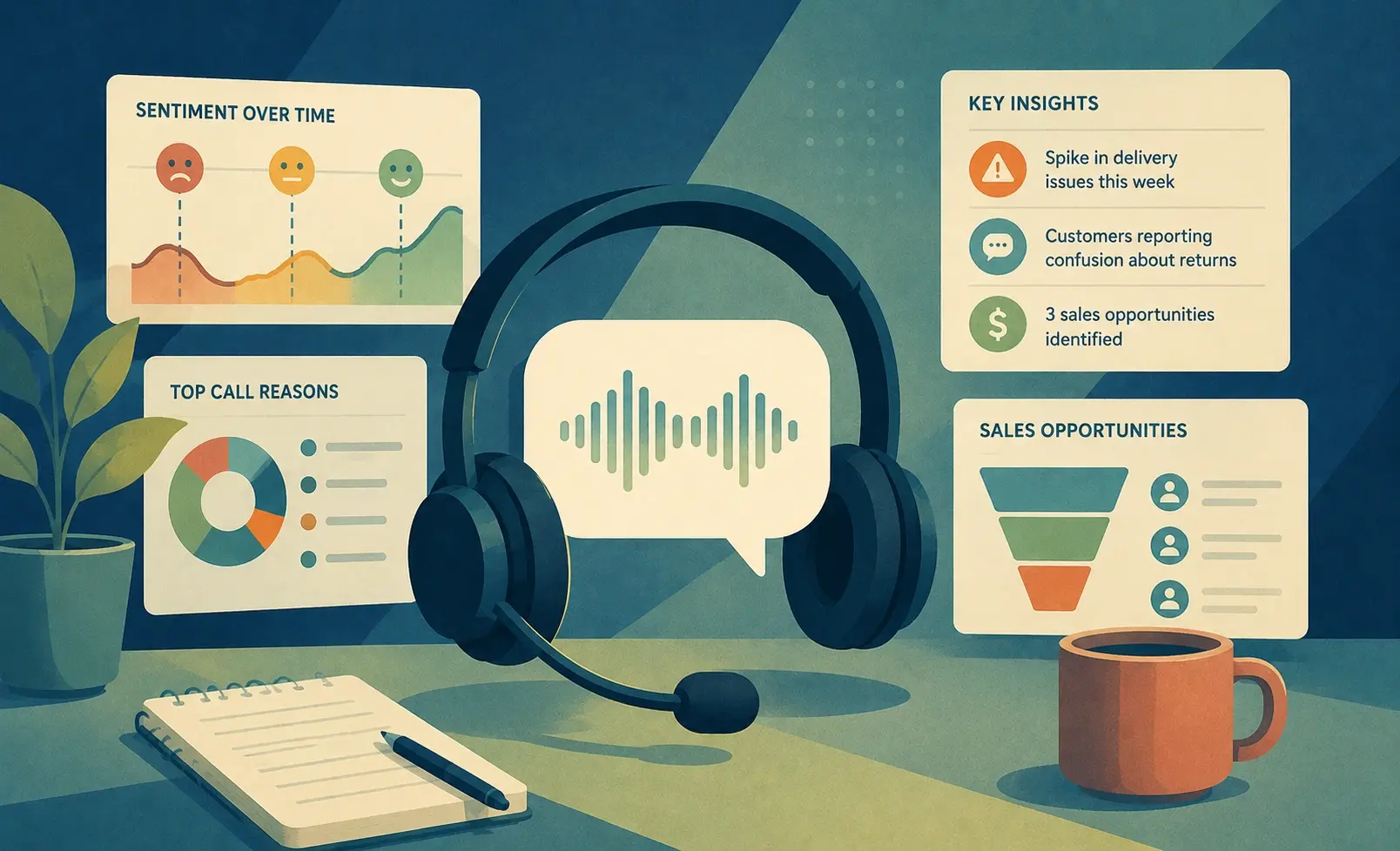
The CSR accesses the AI coaching platform, which provides real-time suggestions based on the conversation's context. The AI analyzes the customer's tone and emotional state, offering tailored responses to de-escalate the situation and guide the CSR on how to address the customer's specific issue.
Step 3: Resolution and Follow-Up
After gathering necessary information, the CSR offers a solution, such as a temporary workaround or a timeline for a fix. The AI platform prompts the CSR to schedule a follow-up to ensure the customer's issue is resolved, reinforcing a commitment to customer satisfaction.
Outcome:
The expected result is a satisfied customer who feels valued and supported, leading to increased trust in the brand. The CSR gains confidence and improves their communication skills through the AI coaching feedback, enhancing overall service quality.
Frequently Asked Questions on Handling Service Failures in AI Products
Q: What should I do first when a product completely stops working?
A: Begin by acknowledging the customer's frustration and expressing empathy. It's essential to listen actively to their concerns before attempting to resolve the issue.
Q: How can AI coaching help in handling service failures?
A: AI coaching provides real-time feedback and suggestions during customer interactions, helping representatives improve their communication skills and manage difficult situations effectively.
Q: What are the key benefits of using AI-powered roleplay in training?
A: AI-powered roleplay allows for risk-free practice of challenging conversations, scalable coaching across teams, and personalized feedback based on actual interactions, enhancing overall service quality.
Q: How quickly can we expect improvements in handling service failures with AI coaching?
A: Organizations typically see measurable improvements within 2–4 weeks of implementing AI coaching, significantly enhancing the team's ability to manage service failures.
Q: Can AI coaching replace human customer service representatives?
A: No, AI coaching complements human representatives by providing them with tools and feedback to handle situations better, but it does not replace the need for human empathy and understanding in customer interactions.
Q: How can we measure the effectiveness of AI coaching in our organization?
A: Effectiveness can be measured through performance analytics, tracking improvements in communication skills, customer satisfaction scores, and the speed of issue resolution over time.