Introduction: Navigating Customer Threats in De-escalation Scenarios
In today's fast-paced business environment, managing customer interactions effectively is crucial, especially when faced with threats of negative publicity. When a customer expresses their intent to share their dissatisfaction widely, it can escalate tensions and potentially harm a company's reputation. Understanding how to navigate these high-stakes situations is vital for maintaining customer relationships and ensuring a positive brand image.
AI-powered coaching and roleplay offer innovative solutions for training employees to handle such scenarios. By simulating realistic conversations, these tools equip staff with the skills needed to de-escalate conflicts and respond empathetically. This proactive approach not only enhances communication skills but also fosters a culture of continuous improvement, enabling teams to turn challenging interactions into opportunities for positive engagement.
Scenario: Handling the Customer Who Threatens to Share Negative Feedback
Scenario: Handling the Customer Who Threatens to Share Negative Feedback
Setting:
This scenario takes place in a customer service call center where representatives handle inquiries and complaints from customers. The environment is fast-paced, with multiple agents on calls, and the pressure to maintain customer satisfaction is high.
Participants / Components:
- Customer Service Representative (CSR)
- Upset Customer
- AI Coaching System (for roleplay and feedback)
Process / Flow / Response:
Step 1: Acknowledge the Customer's Concern
The CSR begins the conversation by actively listening to the customer's complaint. They express empathy and validate the customer's feelings, saying something like, "I understand why you're upset, and I appreciate you bringing this to my attention."
Step 2: Offer a Solution
The CSR then asks clarifying questions to understand the issue better and offers a potential solution. For example, they might say, "Let’s see how we can resolve this for you. Can you tell me more about what happened?" This approach helps to de-escalate the situation by focusing on resolution rather than the complaint itself.
Step 3: Utilize AI Coaching Insights
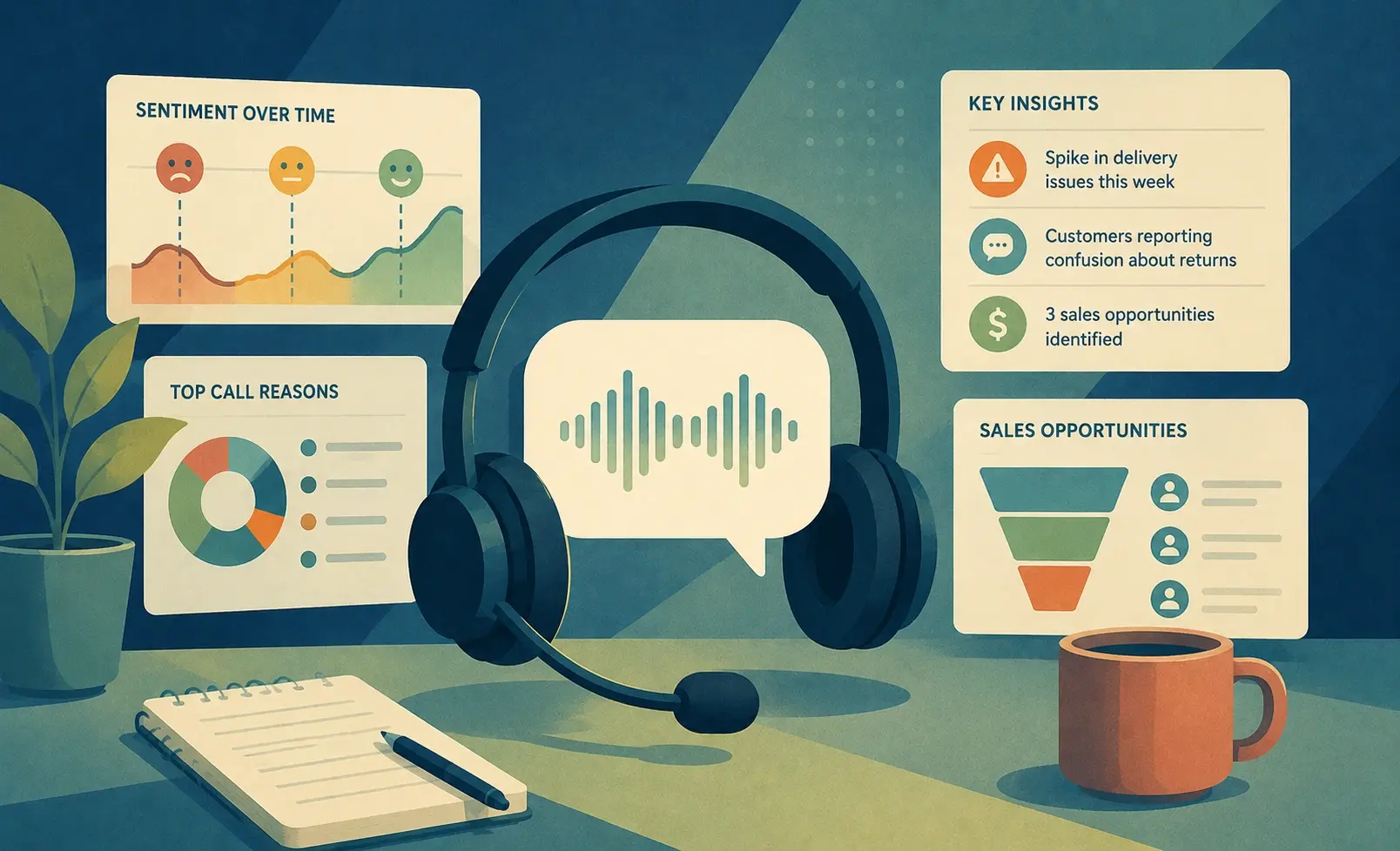
Throughout the interaction, the CSR can reference insights from the AI coaching system, which provides real-time feedback on their communication style, tone, and effectiveness. After the call, the CSR reviews the AI-generated report to identify strengths and areas for improvement, ensuring they are better prepared for future interactions.
Outcome:
The expected outcome is a calmer customer who feels heard and valued, leading to a potential resolution of their issue. The CSR not only resolves the immediate concern but also learns from the experience, enhancing their skills for future interactions. This proactive approach can prevent negative feedback from being shared publicly, thus protecting the company's reputation.
Frequently Asked Questions on De-escalation Strategies and AI Solutions
Scenario: Handling the Customer Who Threatens to Share Negative Feedback
Setting:
This scenario takes place in a customer service call center where representatives handle inquiries and complaints from customers. The environment is fast-paced, with multiple agents on calls, and the pressure to maintain customer satisfaction is high.
Participants / Components:
- Customer Service Representative (CSR)
- Upset Customer
- AI Coaching System (for roleplay and feedback)
Process / Flow / Response:
Step 1: Acknowledge the Customer's Concern
The CSR begins the conversation by actively listening to the customer's complaint. They express empathy and validate the customer's feelings, saying something like, "I understand why you're upset, and I appreciate you bringing this to my attention."
Step 2: Offer a Solution
The CSR then asks clarifying questions to understand the issue better and offers a potential solution. For example, they might say, "Let’s see how we can resolve this for you. Can you tell me more about what happened?" This approach helps to de-escalate the situation by focusing on resolution rather than the complaint itself.
Step 3: Utilize AI Coaching Insights
Throughout the interaction, the CSR can reference insights from the AI coaching system, which provides real-time feedback on their communication style, tone, and effectiveness. After the call, the CSR reviews the AI-generated report to identify strengths and areas for improvement, ensuring they are better prepared for future interactions.
Outcome:
The expected outcome is a calmer customer who feels heard and valued, leading to a potential resolution of their issue. The CSR not only resolves the immediate concern but also learns from the experience, enhancing their skills for future interactions. This proactive approach can prevent negative feedback from being shared publicly, thus protecting the company's reputation.