Introduction to Managing Repeated Customer Complaints with AI
Managing repeated customer complaints is a critical challenge for businesses striving to maintain high levels of customer satisfaction. When a customer voices their concerns for the third time regarding the same issue, it signals a breakdown in communication and service delivery that can lead to frustration and potential loss of loyalty. In today's fast-paced environment, organizations must leverage advanced tools to address these complaints effectively and efficiently.
AI-powered roleplay and coaching platforms offer a transformative approach to managing such scenarios. By simulating realistic customer interactions, these tools allow teams to practice and refine their communication skills in a risk-free environment. This not only enhances their ability to handle difficult conversations but also equips them with the insights needed to resolve recurring issues proactively. As businesses increasingly turn to AI for training and development, the ability to respond to repeated complaints with empathy and effectiveness becomes a vital component of customer service excellence.
Scenario: Handling the Third Complaint About the Same Issue
Scenario: Handling the Third Complaint About the Same Issue
Setting:
This scenario takes place in a customer service center where representatives handle incoming calls from frustrated customers. The representative has already dealt with the same customer twice regarding an unresolved issue, which has now escalated to a third complaint.
Participants / Components:
- Customer Service Representative (CSR)
- Frustrated Customer
- AI-Powered Coaching Tool
Process / Flow / Response:
Step 1: Acknowledge the Customer's Frustration
The CSR begins the conversation by acknowledging the customer's frustration. They say, "I understand that this is the third time you’re reaching out about this issue, and I’m here to help resolve it for you."
Step 2: Gather Information
The CSR uses active listening techniques to gather all relevant details from the customer. They ask clarifying questions such as, "Can you please explain what happened during your previous interactions?" This helps to ensure that the CSR fully understands the context and specifics of the complaint.
Step 3: Utilize AI Coaching Insights
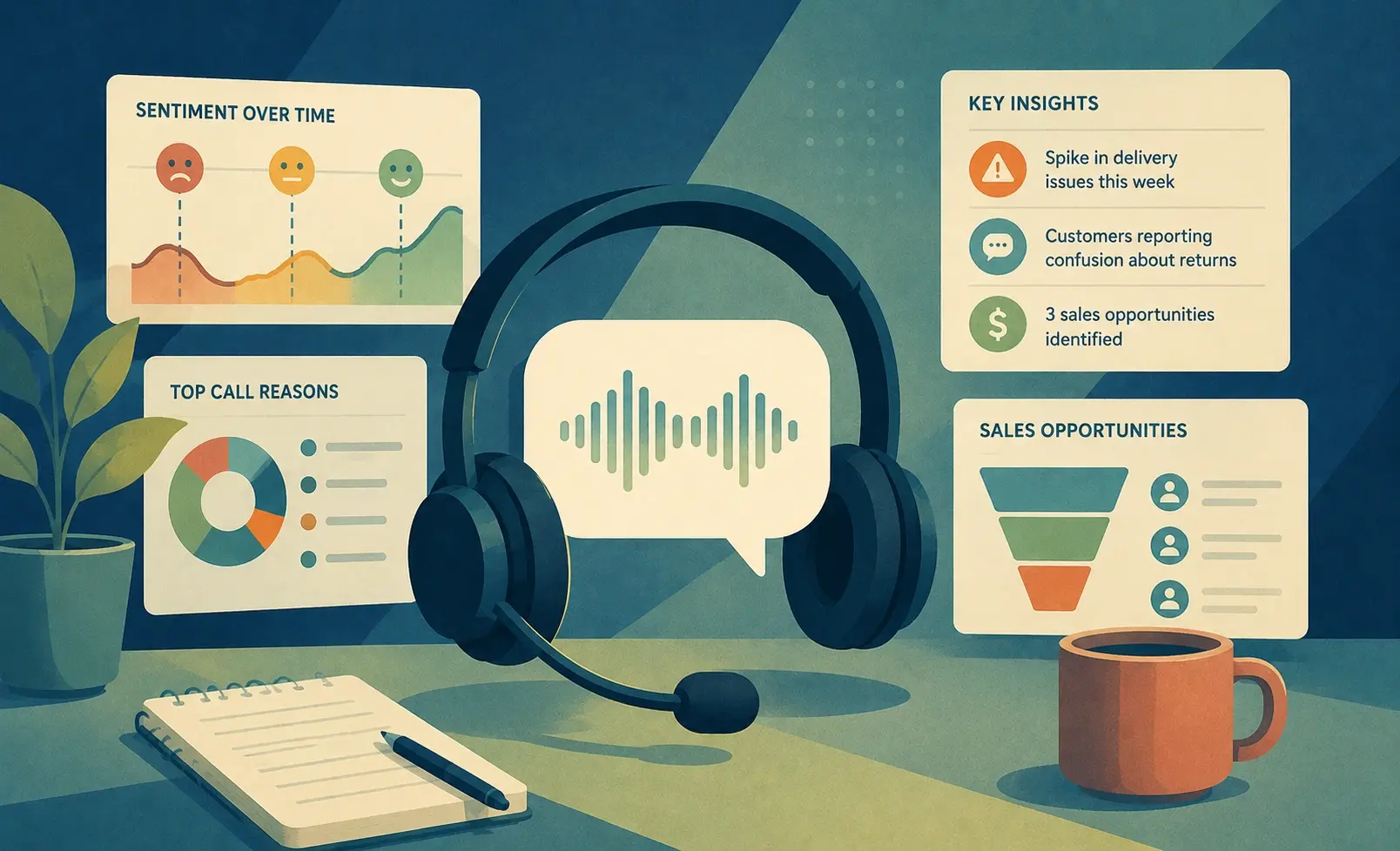
The CSR accesses insights from the AI-powered coaching tool, which provides real-time feedback on their communication style. They adapt their approach based on the tool's recommendations, focusing on empathy and solution-oriented language. For instance, they might say, "I can see how this situation has been frustrating for you, and I appreciate your patience."
Outcome:
By following this structured approach, the CSR effectively addresses the customer's concerns, leading to a resolution that satisfies the customer. The AI tool enhances the CSR's ability to communicate empathetically, ultimately improving customer satisfaction and reducing the likelihood of future complaints on the same issue.
Frequently Asked Questions on AI Solutions for Angry Customer Scenarios
Scenario: Handling the Third Complaint About the Same Issue
Setting:
This scenario takes place in a bustling customer service center where representatives handle incoming calls from frustrated customers. The representative has already dealt with the same customer twice regarding an unresolved issue, which has now escalated to a third complaint.
Participants / Components:
- Customer Service Representative (CSR)
- Frustrated Customer
- AI-Powered Coaching Tool
Process / Flow / Response:
Step 1: Acknowledge the Customer's Frustration
The CSR begins the conversation by acknowledging the customer's frustration. They say, "I understand that this is the third time you’re reaching out about this issue, and I’m here to help resolve it for you."
Step 2: Gather Information
The CSR uses active listening techniques to gather all relevant details from the customer. They ask clarifying questions such as, "Can you please explain what happened during your previous interactions?" This helps to ensure that the CSR fully understands the context and specifics of the complaint.
Step 3: Utilize AI Coaching Insights
The CSR accesses insights from the AI-powered coaching tool, which provides real-time feedback on their communication style. They adapt their approach based on the tool's recommendations, focusing on empathy and solution-oriented language. For instance, they might say, "I can see how this situation has been frustrating for you, and I appreciate your patience."
Outcome:
By following this structured approach, the CSR effectively addresses the customer's concerns, leading to a resolution that satisfies the customer. The AI tool enhances the CSR's ability to communicate empathetically, ultimately improving customer satisfaction and reducing the likelihood of future complaints on the same issue.