Improving communication skills and public speaking at work is essential for fostering collaboration, enhancing leadership, and driving business success. To achieve this, individuals can focus on several key strategies: actively practicing public speaking in low-stakes environments, seeking constructive feedback, and utilizing technology to refine their skills. Engaging in role-playing scenarios can also help build confidence and adaptability. Furthermore, understanding the audience's needs and tailoring messages accordingly is crucial for effective communication. By embracing these techniques, employees can enhance their ability to convey ideas clearly, connect with colleagues, and ultimately thrive in their professional environments.
In today’s fast-paced workplace, effective communication is more than just exchanging information; it’s about building relationships and creating a positive organizational culture. As teams become increasingly diverse and remote, honing these skills becomes vital for ensuring clarity and collaboration. This article will explore practical methods to improve communication skills and public speaking, empowering professionals to express themselves confidently and effectively.
Essential Techniques for Enhancing Communication Skills and Public Speaking
Improving communication skills and public speaking at work is essential for fostering collaboration, enhancing leadership, and driving business success. To achieve this, individuals can focus on several key strategies: actively practicing public speaking in low-stakes environments, seeking constructive feedback, and utilizing technology to refine their skills. Engaging in role-playing scenarios can also help build confidence and adaptability. Furthermore, understanding the audience's needs and tailoring messages accordingly is crucial for effective communication. By embracing these techniques, employees can enhance their ability to convey ideas clearly, connect with colleagues, and ultimately thrive in their professional environments.
In today’s fast-paced workplace, effective communication is more than just exchanging information; it’s about building relationships and creating a positive organizational culture. As teams become increasingly diverse and remote, honing these skills becomes vital for ensuring clarity and collaboration. This article will explore practical methods to improve communication skills and public speaking, empowering professionals to express themselves confidently and effectively.
One of the most effective ways to enhance communication skills is through active listening. This involves fully concentrating on the speaker, understanding their message, and responding thoughtfully. By practicing active listening, employees can foster a more inclusive environment where everyone feels heard and valued. This not only improves interpersonal relationships but also enhances team dynamics.
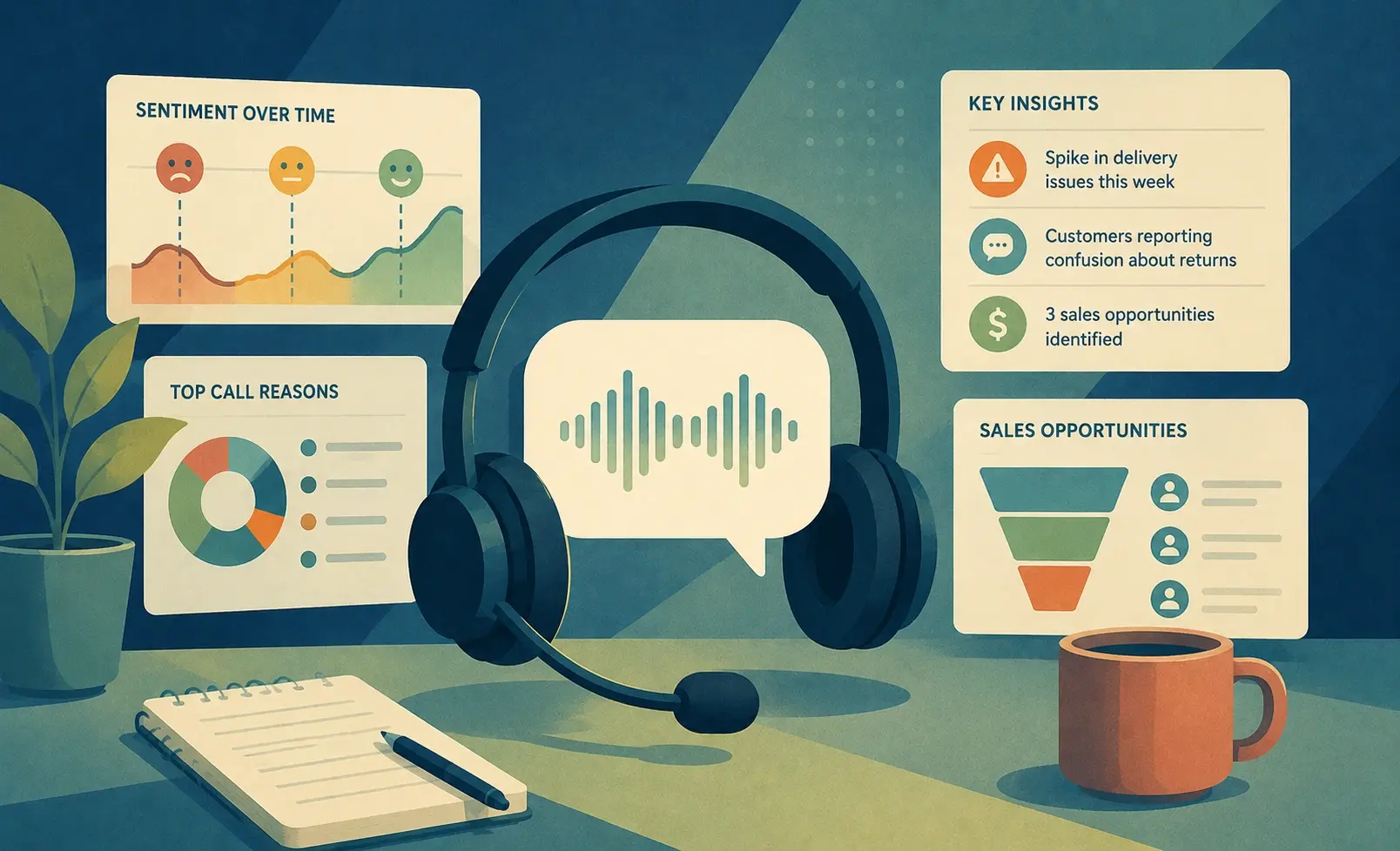
Another critical technique is to seek constructive feedback on communication styles and public speaking performances. Feedback helps identify areas for improvement and reinforces strengths. Utilizing AI-powered tools, such as those offered by Insight7, can provide unbiased evaluations of communication effectiveness during customer interactions. These tools can analyze tone, empathy, and resolution quality, offering actionable insights that can be used to refine skills.
Role-playing scenarios are also invaluable for improving public speaking and communication. By simulating real-life situations, employees can practice their responses in a safe environment, which helps build confidence and adaptability. This method allows individuals to experiment with different communication styles and receive immediate feedback from peers or coaches.
In addition to these techniques, leveraging technology can significantly enhance communication skills. AI-powered platforms can assist in evaluating conversations and providing personalized coaching recommendations. For instance, Insight7's call analytics can help identify recurring customer pain points and sentiment trends, allowing employees to tailor their communication strategies effectively.
Understanding the audience is crucial for effective communication. Tailoring messages to meet the specific needs and expectations of different stakeholders can lead to more impactful interactions. This involves recognizing the diverse backgrounds and perspectives within a team and adjusting communication styles accordingly.
Moreover, fostering an environment that encourages open dialogue and collaboration can lead to improved communication skills across the board. Regular team meetings, feedback sessions, and collaborative projects can provide opportunities for individuals to practice and refine their skills in a supportive setting.
In conclusion, enhancing communication skills and public speaking at work requires a multifaceted approach that includes active listening, seeking feedback, role-playing, leveraging technology, and understanding the audience. By implementing these techniques, professionals can not only improve their individual communication abilities but also contribute to a more effective and collaborative workplace culture.
Comparison Table
Improving communication skills and public speaking at work is essential for fostering collaboration, enhancing leadership, and driving business success. Key strategies include actively practicing public speaking in low-stakes environments, seeking constructive feedback, and utilizing technology to refine skills. Engaging in role-playing scenarios builds confidence and adaptability, while understanding the audience's needs ensures effective communication. By embracing these techniques, employees can enhance their ability to convey ideas clearly, connect with colleagues, and thrive in their professional environments.
In today’s fast-paced workplace, effective communication is more than just exchanging information; it’s about building relationships and creating a positive organizational culture. As teams become increasingly diverse and remote, honing these skills becomes vital for ensuring clarity and collaboration. This article will explore practical methods to improve communication skills and public speaking, empowering professionals to express themselves confidently and effectively.
One effective way to enhance communication skills is through active listening. This involves fully concentrating on the speaker, understanding their message, and responding thoughtfully. Practicing active listening fosters a more inclusive environment where everyone feels heard and valued, improving interpersonal relationships and team dynamics.
Another critical technique is to seek constructive feedback on communication styles and public speaking performances. Feedback helps identify areas for improvement and reinforces strengths. Utilizing AI-powered tools, such as those offered by Insight7, can provide unbiased evaluations of communication effectiveness during customer interactions. These tools analyze tone, empathy, and resolution quality, offering actionable insights for skill refinement.
Role-playing scenarios are invaluable for improving public speaking and communication. Simulating real-life situations allows employees to practice responses in a safe environment, building confidence and adaptability. This method enables individuals to experiment with different communication styles and receive immediate feedback from peers or coaches.
Leveraging technology can significantly enhance communication skills. AI-powered platforms assist in evaluating conversations and providing personalized coaching recommendations. For instance, Insight7's call analytics help identify recurring customer pain points and sentiment trends, allowing employees to tailor their communication strategies effectively.
Understanding the audience is crucial for effective communication. Tailoring messages to meet the specific needs and expectations of different stakeholders leads to more impactful interactions. Recognizing diverse backgrounds and perspectives within a team and adjusting communication styles accordingly is essential.
Fostering an environment that encourages open dialogue and collaboration can lead to improved communication skills across the board. Regular team meetings, feedback sessions, and collaborative projects provide opportunities for individuals to practice and refine their skills in a supportive setting.
In conclusion, enhancing communication skills and public speaking at work requires a multifaceted approach that includes active listening, seeking feedback, role-playing, leveraging technology, and understanding the audience. By implementing these techniques, professionals can improve their individual communication abilities and contribute to a more effective and collaborative workplace culture.
Selection Criteria
Improving communication skills and public speaking at work is essential for fostering collaboration, enhancing leadership, and driving business success. Key strategies include actively practicing public speaking in low-stakes environments, seeking constructive feedback, and utilizing technology to refine skills. Engaging in role-playing scenarios builds confidence and adaptability, while understanding the audience's needs ensures effective communication. By embracing these techniques, employees can enhance their ability to convey ideas clearly, connect with colleagues, and thrive in their professional environments.
Effective communication is more than just exchanging information; it’s about building relationships and creating a positive organizational culture. As teams become increasingly diverse and remote, honing these skills becomes vital for ensuring clarity and collaboration. This article will explore practical methods to improve communication skills and public speaking, empowering professionals to express themselves confidently and effectively.
One effective way to enhance communication skills is through active listening. This involves fully concentrating on the speaker, understanding their message, and responding thoughtfully. Practicing active listening fosters a more inclusive environment where everyone feels heard and valued, improving interpersonal relationships and team dynamics.
Another critical technique is to seek constructive feedback on communication styles and public speaking performances. Feedback helps identify areas for improvement and reinforces strengths. Utilizing AI-powered tools, such as those offered by Insight7, can provide unbiased evaluations of communication effectiveness during customer interactions. These tools analyze tone, empathy, and resolution quality, offering actionable insights for skill refinement.
Role-playing scenarios are invaluable for improving public speaking and communication. Simulating real-life situations allows employees to practice responses in a safe environment, building confidence and adaptability. This method enables individuals to experiment with different communication styles and receive immediate feedback from peers or coaches.
Leveraging technology can significantly enhance communication skills. AI-powered platforms assist in evaluating conversations and providing personalized coaching recommendations. For instance, Insight7's call analytics help identify recurring customer pain points and sentiment trends, allowing employees to tailor their communication strategies effectively.
Understanding the audience is crucial for effective communication. Tailoring messages to meet the specific needs and expectations of different stakeholders leads to more impactful interactions. Recognizing diverse backgrounds and perspectives within a team and adjusting communication styles accordingly is essential.
Fostering an environment that encourages open dialogue and collaboration can lead to improved communication skills across the board. Regular team meetings, feedback sessions, and collaborative projects provide opportunities for individuals to practice and refine their skills in a supportive setting.
In conclusion, enhancing communication skills and public speaking at work requires a multifaceted approach that includes active listening, seeking feedback, role-playing, leveraging technology, and understanding the audience. By implementing these techniques, professionals can improve their individual communication abilities and contribute to a more effective and collaborative workplace culture.
Implementation Guide
To improve communication skills and public speaking at work, professionals should actively practice in low-stakes environments, seek constructive feedback, and leverage technology for skill enhancement. Engaging in role-playing scenarios builds confidence and adaptability, while understanding the audience's needs ensures effective communication. By implementing these strategies, employees can enhance their ability to convey ideas clearly, connect with colleagues, and thrive in their professional environments.
Effective communication is essential in today’s diverse and fast-paced workplace. It goes beyond merely exchanging information; it involves building relationships and fostering a positive organizational culture. As teams become increasingly remote, honing communication skills becomes vital for ensuring clarity and collaboration. This article will explore practical methods to enhance these skills, empowering professionals to express themselves confidently and effectively.
One effective way to enhance communication skills is through active listening. This involves fully concentrating on the speaker, understanding their message, and responding thoughtfully. Practicing active listening fosters a more inclusive environment where everyone feels heard and valued, improving interpersonal relationships and team dynamics.
Another critical technique is to seek constructive feedback on communication styles and public speaking performances. Feedback helps identify areas for improvement and reinforces strengths. Utilizing AI-powered tools, such as those offered by Insight7, can provide unbiased evaluations of communication effectiveness during customer interactions. These tools analyze tone, empathy, and resolution quality, offering actionable insights for skill refinement.
Role-playing scenarios are invaluable for improving public speaking and communication. Simulating real-life situations allows employees to practice responses in a safe environment, building confidence and adaptability. This method enables individuals to experiment with different communication styles and receive immediate feedback from peers or coaches.
Leveraging technology can significantly enhance communication skills. AI-powered platforms assist in evaluating conversations and providing personalized coaching recommendations. For instance, Insight7's call analytics help identify recurring customer pain points and sentiment trends, allowing employees to tailor their communication strategies effectively.
Understanding the audience is crucial for effective communication. Tailoring messages to meet the specific needs and expectations of different stakeholders leads to more impactful interactions. Recognizing diverse backgrounds and perspectives within a team and adjusting communication styles accordingly is essential.
Fostering an environment that encourages open dialogue and collaboration can lead to improved communication skills across the board. Regular team meetings, feedback sessions, and collaborative projects provide opportunities for individuals to practice and refine their skills in a supportive setting.
In conclusion, enhancing communication skills and public speaking at work requires a multifaceted approach that includes active listening, seeking feedback, role-playing, leveraging technology, and understanding the audience. By implementing these techniques, professionals can improve their individual communication abilities and contribute to a more effective and collaborative workplace culture.
Frequently Asked Questions
Frequently Asked Questions
Q: How can I improve my communication skills at work?
A: To enhance communication skills at work, practice active listening, seek constructive feedback, and tailor your messages to your audience's needs. Engaging in role-playing scenarios can also help build confidence.
Q: What role does technology play in improving communication skills?
A: Technology, such as AI-powered tools like Insight7, can provide unbiased evaluations of communication effectiveness, analyze tone and sentiment, and offer personalized coaching recommendations to refine skills.
Q: Why is public speaking important in the workplace?
A: Public speaking is crucial in the workplace as it fosters collaboration, enhances leadership presence, and helps convey ideas clearly, ultimately driving business success.
Q: How can I build confidence in public speaking?
A: Building confidence in public speaking can be achieved through practice in low-stakes environments, receiving feedback from peers, and utilizing role-playing to simulate real-life scenarios.
Q: What are some effective techniques for engaging an audience?
A: Effective techniques for engaging an audience include understanding their needs, using clear and concise language, and incorporating storytelling elements to make your message relatable and impactful.