Public speaking can be a daunting task, with many individuals experiencing significant nervousness before stepping onto the stage. However, with the support of AI, improving public speaking skills and reducing anxiety is more achievable than ever. AI tools can provide personalized feedback on delivery, tone, and body language, helping speakers refine their presentations in a judgment-free environment. Additionally, AI-driven platforms can simulate real-life speaking scenarios, allowing users to practice and receive constructive critiques. By leveraging these technologies, individuals can build confidence, enhance their communication skills, and ultimately transform their public speaking experiences into opportunities for growth and success. This article will explore various AI tools and techniques that can help you conquer public speaking nervousness effectively.
AI Tools to Overcome Public Speaking Anxiety
AI tools are revolutionizing the way we approach public speaking, particularly for those grappling with nervousness. By providing personalized feedback, simulating real-life scenarios, and offering constructive critiques, AI can significantly enhance public speaking skills and reduce anxiety. This section will delve into how AI support can help improve public speaking nervousness, focusing on the various tools and techniques available.
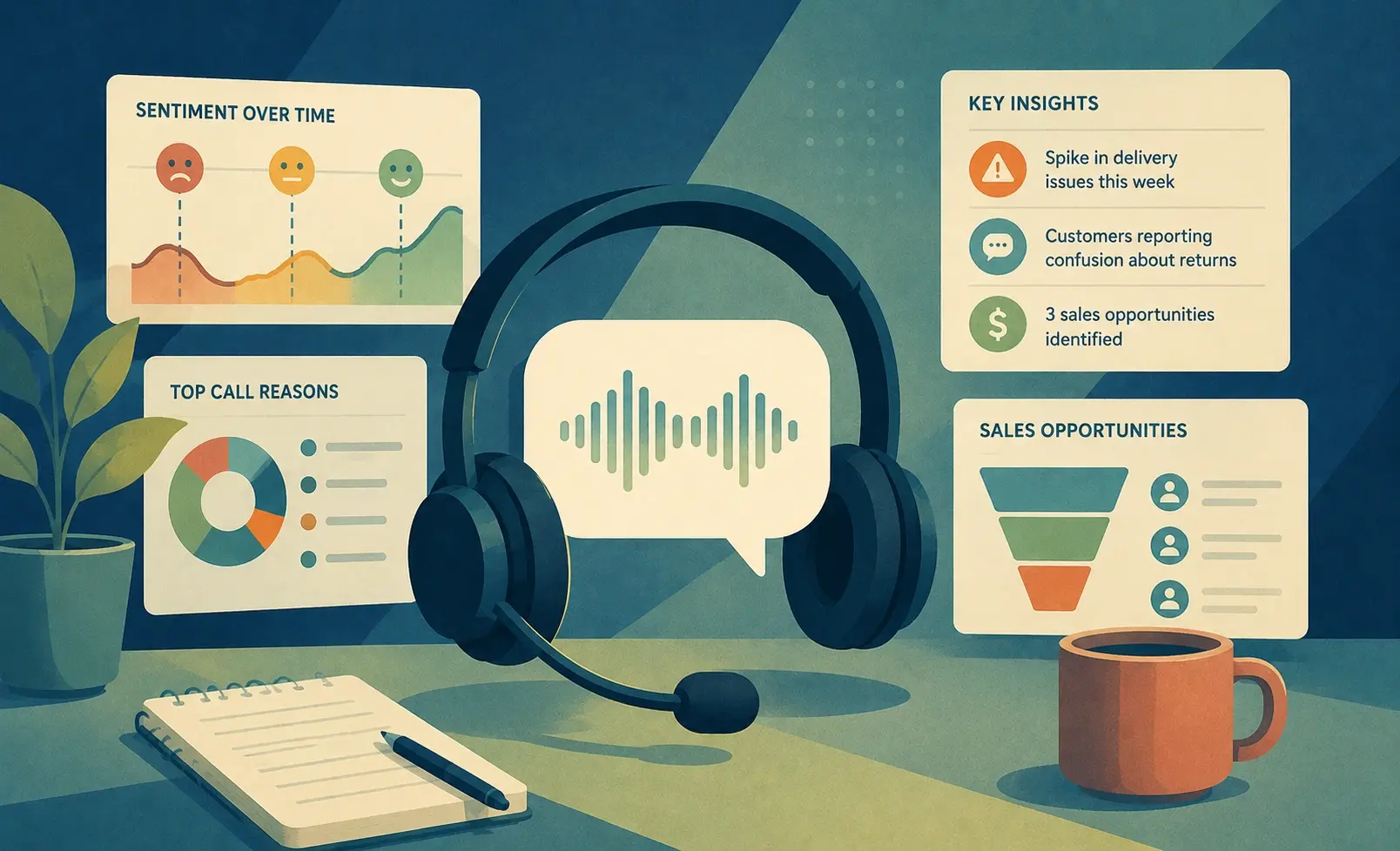
One of the most effective ways AI can assist in overcoming public speaking anxiety is through AI-powered evaluation tools. These platforms analyze recordings of practice speeches, scoring them based on criteria such as tone, clarity, and emotional engagement. For instance, Insight7’s AI capabilities can automatically evaluate every call or presentation, providing insights into how effectively a speaker conveys their message. By receiving objective feedback on their delivery, speakers can identify areas for improvement, such as reducing filler words or adjusting their pace, which can help build their confidence over time.
Moreover, AI-driven coaching platforms can offer personalized recommendations based on individual performance. These tools can track progress over time, allowing users to see their improvement and gain insights into their speaking habits. For example, if a speaker tends to rush through their presentations, the AI can suggest techniques to slow down and emphasize key points. This tailored coaching approach not only enhances skills but also fosters a sense of accomplishment, further alleviating anxiety.
Another innovative application of AI in public speaking is the use of virtual reality (VR) simulations. These immersive environments allow users to practice speaking in front of a virtual audience, providing a safe space to rehearse without the pressure of a live audience. By simulating real-life scenarios, speakers can become accustomed to the dynamics of public speaking, helping to desensitize their nerves. This practice can lead to improved performance in actual speaking engagements, as users become more comfortable and familiar with the experience.
AI tools also excel in sentiment detection, which can be invaluable for speakers looking to connect with their audience. By analyzing audience reactions during practice sessions, AI can provide feedback on how well a speaker engages their listeners. This insight allows speakers to adjust their content and delivery style to better resonate with their audience, ultimately enhancing their effectiveness and reducing anxiety about audience reception.
Furthermore, AI can help speakers prepare by generating content and structuring presentations. Tools that utilize generative AI can assist in crafting compelling narratives, ensuring that speakers convey their messages clearly and persuasively. This support can alleviate the stress of content creation, allowing speakers to focus on their delivery and connection with the audience.
In addition to these tools, AI can facilitate practice through role-playing scenarios. By simulating interactions with challenging audience members or unexpected questions, speakers can develop their ability to think on their feet and respond confidently. This preparation can significantly reduce anxiety, as individuals feel more equipped to handle real-life speaking situations.
Ultimately, the integration of AI in public speaking training offers a multifaceted approach to overcoming nervousness. By providing personalized feedback, simulating real-life scenarios, and enhancing content creation, AI tools empower speakers to refine their skills and build confidence. As individuals leverage these technologies, they can transform their public speaking experiences from sources of anxiety into opportunities for growth and success. Embracing AI support not only enhances communication skills but also fosters a more resilient mindset, enabling speakers to thrive in any speaking engagement.
Comparison Table
Comparison Table
When it comes to improving public speaking nervousness with AI support, various tools and techniques stand out. AI-powered evaluation tools, like Insight7, automatically assess practice speeches, providing objective feedback on tone, clarity, and emotional engagement. This helps speakers identify areas for improvement, such as reducing filler words or adjusting pace. Additionally, AI-driven coaching platforms offer personalized recommendations and track progress, fostering a sense of accomplishment. Virtual reality simulations create immersive environments for practice, allowing users to rehearse in front of a virtual audience, which desensitizes nerves. Sentiment detection tools analyze audience reactions, enabling speakers to adjust their delivery for better engagement. Overall, AI tools empower individuals to refine their skills, build confidence, and transform public speaking into an opportunity for growth.
Selection Criteria
Selection Criteria
To effectively improve public speaking nervousness with AI support, several selection criteria should be considered. First, the AI tool must provide comprehensive evaluation capabilities, automatically analyzing practice speeches for tone, clarity, and emotional engagement. This objective feedback is crucial for identifying specific areas for improvement. Additionally, the platform should offer personalized coaching recommendations that track progress over time, allowing users to see their development and build confidence.
Another important criterion is the inclusion of immersive practice environments, such as virtual reality simulations, which enable users to rehearse in front of a virtual audience. This desensitization to speaking scenarios can significantly reduce anxiety. Furthermore, sentiment detection features that analyze audience reactions during practice sessions can enhance engagement strategies. Lastly, the tool should facilitate content creation, helping speakers craft compelling narratives, thus alleviating the stress of preparation. By meeting these criteria, AI tools can empower individuals to transform their public speaking experiences.
Implementation Guide
To improve public speaking nervousness with AI support, individuals can leverage various AI-powered tools designed to enhance their skills and build confidence. AI platforms can automatically evaluate practice speeches, offering objective feedback on aspects like tone, clarity, and emotional engagement. This feedback helps speakers identify specific areas for improvement, such as reducing filler words or adjusting their pacing. Additionally, personalized coaching recommendations track progress over time, fostering a sense of accomplishment and growth.
Immersive practice environments, such as virtual reality simulations, allow users to rehearse in front of a virtual audience, desensitizing them to speaking scenarios and significantly reducing anxiety. Sentiment detection tools can analyze audience reactions during practice sessions, enabling speakers to adjust their delivery for better engagement. By utilizing these AI tools, individuals can transform their public speaking experiences into opportunities for personal and professional development.
Frequently Asked Questions
Frequently Asked Questions
Q: How can AI help reduce public speaking nervousness?
A: AI can provide objective feedback on practice speeches, analyzing tone, clarity, and emotional engagement, which helps speakers identify areas for improvement and build confidence.
Q: What features should I look for in an AI tool for public speaking?
A: Look for tools that offer comprehensive evaluation capabilities, personalized coaching recommendations, immersive practice environments like virtual reality, and sentiment detection to analyze audience reactions.
Q: Can AI simulate a real audience for practice?
A: Yes, some AI platforms use virtual reality simulations to create immersive environments where users can practice in front of a virtual audience, helping to desensitize them to speaking scenarios.
Q: How does sentiment detection work in AI public speaking tools?
A: Sentiment detection analyzes audience reactions during practice sessions, providing insights into engagement levels and allowing speakers to adjust their delivery for better connection.
Q: Is it possible to track my progress with AI support?
A: Absolutely! Many AI tools offer personalized coaching that tracks your progress over time, helping you see your development and gain confidence in your public speaking abilities.