Improving your fear of public speaking can be effectively achieved through AI simulation. By leveraging advanced technologies, individuals can practice their speaking skills in a safe, judgment-free environment. AI simulations provide real-time feedback on various aspects of delivery, such as tone, pacing, and body language, allowing users to refine their techniques and build confidence. Additionally, these tools can simulate audience reactions, helping speakers to acclimate to different scenarios and reduce anxiety. This article will explore how AI-driven platforms can transform your public speaking abilities, offering practical tips and insights to help you conquer your fears and become a more effective communicator.
Public speaking is a common source of anxiety for many, but with the rise of AI simulation technology, overcoming this fear has become more accessible than ever. Imagine practicing your speech in front of a virtual audience that provides instant feedback on your performance. This innovative approach allows you to rehearse in a low-pressure setting, where you can make mistakes and learn from them without the fear of judgment. AI tools can analyze your delivery, pinpoint areas for improvement, and even suggest enhancements to your content. By integrating these simulations into your preparation routine, you can transform your public speaking skills, gain confidence, and ultimately deliver compelling presentations that resonate with your audience.
AI Tools for Overcoming Public Speaking Anxiety
Improving your fear of public speaking can be effectively achieved through AI simulation. By leveraging advanced technologies, individuals can practice their speaking skills in a safe, judgment-free environment. AI simulations provide real-time feedback on various aspects of delivery, such as tone, pacing, and body language, allowing users to refine their techniques and build confidence. Additionally, these tools can simulate audience reactions, helping speakers acclimate to different scenarios and reduce anxiety. This article will explore how AI-driven platforms can transform your public speaking abilities, offering practical tips and insights to help you conquer your fears and become a more effective communicator.
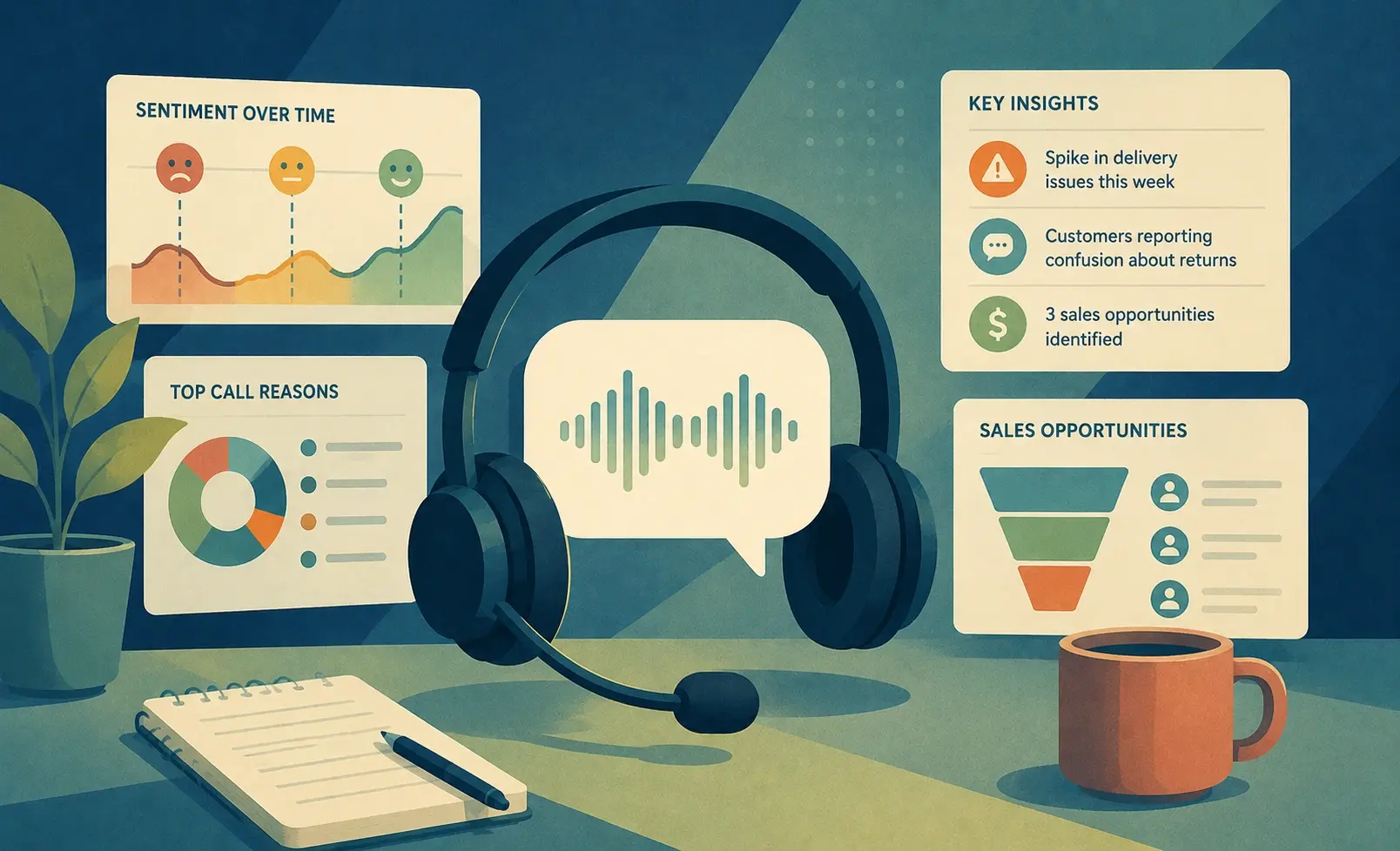
AI simulations offer a unique opportunity for individuals to practice public speaking without the pressure of a live audience. These platforms can analyze your performance in real-time, providing feedback on critical elements like clarity, engagement, and emotional resonance. For instance, tools that evaluate call interactions can help you understand how your tone affects audience perception, allowing you to adjust your delivery accordingly. By practicing with AI, you can experiment with different styles and approaches, gaining insights into what resonates best with your audience.
One of the most significant advantages of AI simulation is the ability to receive immediate, unbiased feedback. Unlike traditional practice methods, where feedback may be subjective and influenced by personal relationships, AI tools deliver objective assessments based on predefined criteria. This means you can focus on specific areas for improvement, such as reducing filler words or enhancing your pacing. Over time, this targeted practice can lead to substantial improvements in your public speaking skills.
Moreover, AI simulations can recreate various audience scenarios, from supportive listeners to challenging critics. This exposure helps you prepare for real-life situations, allowing you to develop strategies for managing anxiety and adapting your delivery based on audience reactions. By familiarizing yourself with different environments, you can build resilience and confidence, making you a more versatile speaker.
Incorporating AI simulations into your public speaking preparation routine can significantly enhance your skills. Start by identifying specific areas you want to improve, such as clarity or engagement. Use AI tools to practice regularly, focusing on the feedback provided to refine your delivery. As you become more comfortable with the technology, challenge yourself with more complex scenarios to further develop your abilities.
Ultimately, the key to overcoming public speaking anxiety lies in consistent practice and a willingness to learn from feedback. By embracing AI simulation technology, you can transform your approach to public speaking, turning fear into confidence and uncertainty into mastery. With dedication and the right tools, you can become a compelling communicator who captivates audiences and delivers impactful messages.
Comparison Table
Comparison Table
| Feature/Aspect | AI Simulation for Public Speaking | Traditional Public Speaking Practice |
|---|---|---|
| Feedback Type | Real-time, objective feedback on delivery | Subjective feedback from peers or mentors |
| Environment | Safe, judgment-free virtual audience | Live audience with potential for anxiety |
| Customization | Tailored scenarios based on user needs | Limited to the context of actual events |
| Skill Focus | Emphasis on tone, pacing, body language | General speaking skills without specific metrics |
| Practice Frequency | Accessible anytime, promoting consistent practice | Often limited to scheduled sessions |
| Audience Simulation | Can simulate various audience reactions | Real audience dynamics, which can be unpredictable |
| Learning Curve | Gradual improvement through targeted practice | Varies based on individual feedback and experience |
| Technology Integration | Utilizes AI for analysis and improvement | Relies on traditional methods and personal insights |
Selection Criteria
Selection Criteria
To effectively improve your fear of public speaking using AI simulation, consider the following selection criteria:
-
Real-Time Feedback: Choose AI tools that provide immediate, objective assessments of your delivery, focusing on tone, pacing, and body language. This allows for targeted improvements.
-
Customizable Scenarios: Look for platforms that can tailor practice sessions to your specific needs, simulating various audience types and reactions to help you prepare for different situations.
-
User-Friendly Interface: Opt for AI simulations that are easy to navigate, enabling you to focus on practicing rather than figuring out how to use the technology.
-
Progress Tracking: Select tools that offer performance analytics over time, helping you identify trends in your improvement and areas that still need work.
-
Support for Diverse Learning Styles: Ensure the AI platform accommodates different learning preferences, whether through visual aids, auditory feedback, or interactive elements, to enhance your learning experience.
Implementation Guide
To improve your fear of public speaking with AI simulation, leverage platforms that provide real-time feedback, customizable scenarios, and user-friendly interfaces. These AI tools can simulate various audience reactions, allowing you to practice in a safe, judgment-free environment. By focusing on specific aspects like tone, pacing, and body language, you can track your progress over time and refine your skills. Engaging with AI simulations not only enhances your confidence but also prepares you for real-life speaking situations by offering insights tailored to your unique needs.
AI simulations for public speaking offer a transformative approach to overcoming anxiety. Traditional methods often involve practicing in front of friends or family, which can be intimidating and subjective. In contrast, AI-powered platforms provide objective assessments and constructive feedback, allowing you to identify areas for improvement without the pressure of a live audience. This technology enables you to practice consistently, making it easier to build confidence and master your delivery. By integrating AI into your public speaking practice, you can turn your fear into a powerful tool for growth and success.
Frequently Asked Questions
Q: How can AI simulations help improve my fear of public speaking?
A: AI simulations provide a safe, judgment-free environment to practice public speaking, offering real-time feedback on aspects like tone, pacing, and body language. This objective assessment helps identify areas for improvement, allowing you to build confidence gradually.
Q: What features should I look for in an AI simulation tool?
A: Look for tools that offer real-time feedback, customizable scenarios, a user-friendly interface, progress tracking, and support for diverse learning styles to enhance your practice experience.
Q: Can AI simulations replace traditional public speaking practice?
A: While AI simulations cannot fully replace traditional practice, they complement it by providing objective insights and allowing for consistent practice without the pressure of a live audience.
Q: How do I track my progress with AI simulations?
A: Many AI platforms provide performance analytics over time, helping you identify trends in your improvement and areas that still need work, which is essential for continuous growth.
Q: Are AI simulations suitable for all levels of public speakers?
A: Yes, AI simulations cater to all levels, from beginners to experienced speakers, by allowing users to tailor practice sessions to their specific needs and skill levels.