Public speaking can be a daunting task, especially for introverts who often feel overwhelmed by the prospect of addressing an audience. However, advancements in artificial intelligence (AI) are transforming the landscape of public speaking training, creating safe and supportive environments for practice. AI-powered tools can simulate real-life speaking scenarios, offering instant feedback on delivery, tone, and body language. This allows introverts to rehearse their speeches without the fear of judgment, helping them build confidence and refine their skills. By leveraging AI, individuals can engage in personalized coaching, track their progress, and ultimately become more effective communicators. This article will explore how AI is revolutionizing public speaking training for introverts, providing practical insights and strategies for success.
AI Tools for Introverts in Public Speaking
Public speaking training for introverts has been significantly enhanced by the advent of artificial intelligence (AI), creating a safe and supportive practice environment. AI tools allow introverts to rehearse their speeches without the fear of judgment, providing instant feedback on delivery, tone, and body language. This technology enables personalized coaching, helping users track their progress and refine their skills in a low-pressure setting. By leveraging AI, introverts can build confidence and become more effective communicators, ultimately transforming their public speaking experiences.
For many introverts, the thought of speaking in front of an audience can trigger anxiety and self-doubt. Traditional practice methods, such as rehearsing in front of friends or family, can feel intimidating and may not provide the constructive feedback needed for improvement. AI-powered tools, however, offer a judgment-free zone where individuals can practice at their own pace. These tools can simulate real-life speaking scenarios, allowing users to engage in realistic practice sessions without the pressure of a live audience.
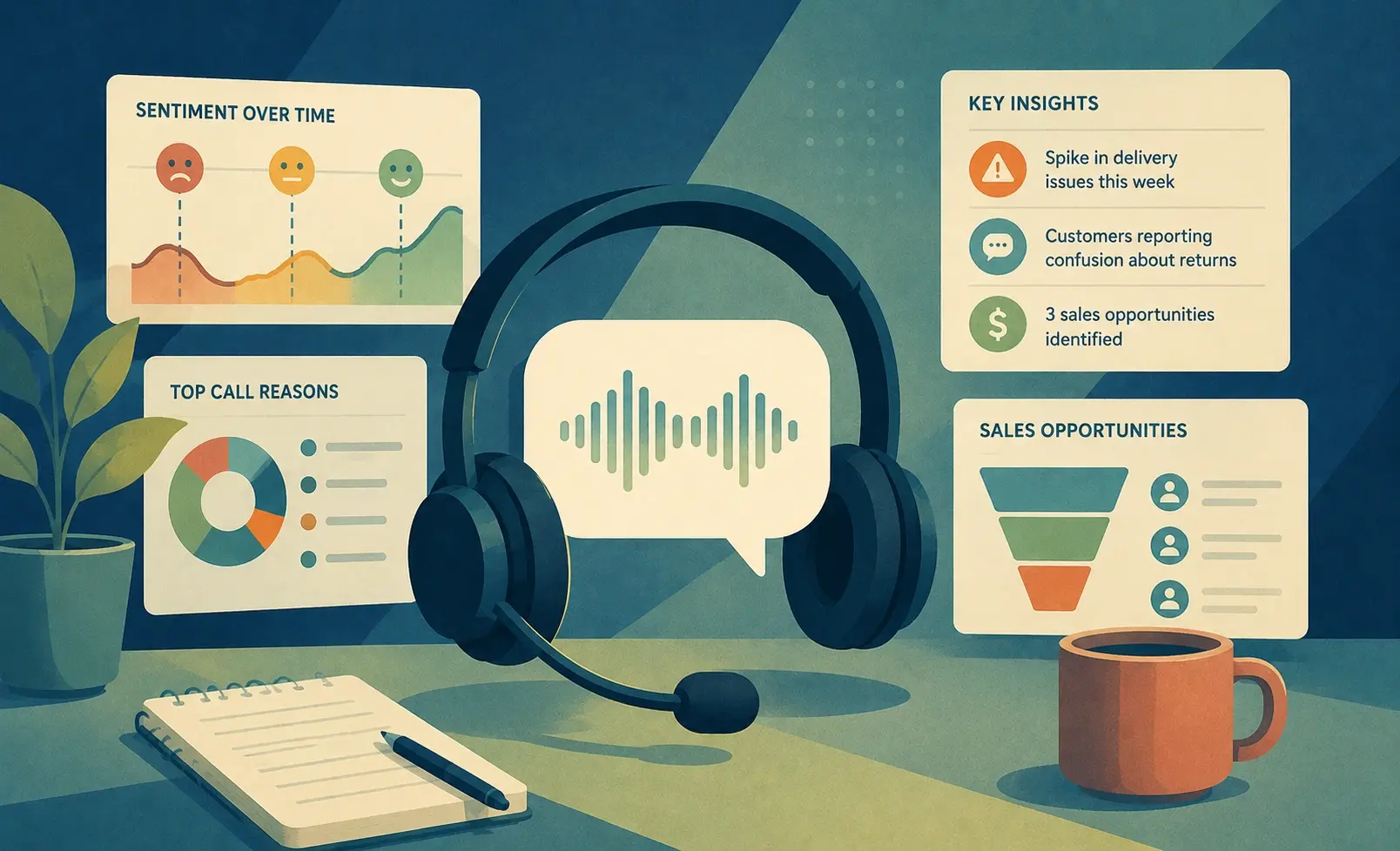
One of the key features of AI tools is their ability to automatically evaluate speaking performance. For example, platforms like Insight7 can assess various aspects of a speech, including tone, empathy, and resolution effectiveness. This level of analysis provides users with actionable insights that can be used to enhance their delivery. By receiving immediate feedback on their performance, introverts can identify areas for improvement and make adjustments in real time, leading to a more polished presentation.
Moreover, AI tools can track progress over time, allowing users to see how their skills evolve. This continuous monitoring helps build a sense of achievement and motivates individuals to keep practicing. As they witness their improvements, introverts may find themselves feeling more confident and less anxious about public speaking engagements.
In addition to performance evaluation, AI can also assist in crafting speeches. By analyzing successful speeches and presentations, AI tools can suggest enhancements to content, structure, and delivery style. This feature is particularly beneficial for introverts who may struggle with articulating their thoughts or organizing their ideas effectively. With AI as a supportive partner, they can create compelling narratives that resonate with their audience.
Furthermore, AI tools can provide personalized coaching recommendations based on individual performance metrics. For instance, if an introvert frequently uses filler words or struggles with pacing, the AI can highlight these issues and offer specific strategies for improvement. This tailored approach ensures that each user receives the guidance they need to overcome their unique challenges.
The multilingual support offered by AI platforms also broadens accessibility for non-native speakers. Introverts who may feel self-conscious about their language skills can practice in a safe environment, receiving feedback that helps them improve both their speaking and language proficiency. This inclusive approach fosters a sense of belonging and encourages individuals to embrace public speaking as a valuable skill.
In conclusion, AI is revolutionizing public speaking training for introverts by creating safe, supportive practice environments that foster growth and confidence. Through automatic evaluations, personalized coaching, and continuous progress tracking, introverts can refine their skills and transform their public speaking experiences. By leveraging these innovative tools, individuals can overcome their fears and become effective communicators, ready to engage with any audience.
Comparison Table
Comparison Table
Public speaking training for introverts has been transformed by AI, creating safe practice environments that cater to their unique needs. AI tools provide an opportunity for introverts to rehearse speeches without fear of judgment, offering instant feedback on delivery, tone, and body language. This technology allows for personalized coaching, enabling users to track their progress and refine their skills in a low-pressure setting. Key features include automatic evaluations of speaking performance, tailored coaching recommendations, and multilingual support, which broadens accessibility for non-native speakers. By leveraging AI, introverts can build confidence and become effective communicators, ultimately enhancing their public speaking experiences. The integration of AI in training empowers introverts to overcome anxiety and embrace public speaking as a valuable skill.
Selection Criteria
Public speaking training for introverts has been significantly enhanced by artificial intelligence (AI), creating safe and supportive practice environments. AI tools allow introverts to rehearse their speeches without fear of judgment, providing instant feedback on delivery, tone, and body language. This technology enables personalized coaching, helping users track their progress and refine their skills in a low-pressure setting. By leveraging AI, introverts can build confidence and become more effective communicators, ultimately transforming their public speaking experiences.
For many introverts, the thought of speaking in front of an audience can trigger anxiety and self-doubt. Traditional practice methods, such as rehearsing in front of friends or family, can feel intimidating and may not provide the constructive feedback needed for improvement. AI-powered tools, however, offer a judgment-free zone where individuals can practice at their own pace. These tools can simulate real-life speaking scenarios, allowing users to engage in realistic practice sessions without the pressure of a live audience.
One of the key features of AI tools is their ability to automatically evaluate speaking performance. For example, platforms like Insight7 can assess various aspects of a speech, including tone, empathy, and resolution effectiveness. This level of analysis provides users with actionable insights that can be used to enhance their delivery. By receiving immediate feedback on their performance, introverts can identify areas for improvement and make adjustments in real time, leading to a more polished presentation.
Moreover, AI tools can track progress over time, allowing users to see how their skills evolve. This continuous monitoring helps build a sense of achievement and motivates individuals to keep practicing. As they witness their improvements, introverts may find themselves feeling more confident and less anxious about public speaking engagements.
In addition to performance evaluation, AI can also assist in crafting speeches. By analyzing successful speeches and presentations, AI tools can suggest enhancements to content, structure, and delivery style. This feature is particularly beneficial for introverts who may struggle with articulating their thoughts or organizing their ideas effectively. With AI as a supportive partner, they can create compelling narratives that resonate with their audience.
Furthermore, AI tools can provide personalized coaching recommendations based on individual performance metrics. For instance, if an introvert frequently uses filler words or struggles with pacing, the AI can highlight these issues and offer specific strategies for improvement. This tailored approach ensures that each user receives the guidance they need to overcome their unique challenges.
The multilingual support offered by AI platforms also broadens accessibility for non-native speakers. Introverts who may feel self-conscious about their language skills can practice in a safe environment, receiving feedback that helps them improve both their speaking and language proficiency. This inclusive approach fosters a sense of belonging and encourages individuals to embrace public speaking as a valuable skill.
In conclusion, AI is revolutionizing public speaking training for introverts by creating safe, supportive practice environments that foster growth and confidence. Through automatic evaluations, personalized coaching, and continuous progress tracking, introverts can refine their skills and transform their public speaking experiences. By leveraging these innovative tools, individuals can overcome their fears and become effective communicators, ready to engage with any audience.
Implementation Guide
Public speaking training for introverts has been revolutionized by artificial intelligence (AI), creating safe and supportive practice environments tailored to their unique needs. AI tools enable introverts to rehearse their speeches without the fear of judgment, offering instant feedback on delivery, tone, and body language. This technology facilitates personalized coaching, allowing users to track their progress and refine their skills in a low-pressure setting. Key features include automatic evaluations of speaking performance, tailored coaching recommendations, and multilingual support, which enhances accessibility for non-native speakers. By leveraging AI, introverts can build confidence and transform their public speaking experiences, ultimately becoming more effective communicators.
For many introverts, the prospect of speaking in front of an audience can trigger anxiety and self-doubt. Traditional practice methods, such as rehearsing in front of friends or family, can feel intimidating and may not provide the constructive feedback necessary for improvement. AI-powered tools, however, create a judgment-free zone where individuals can practice at their own pace. These tools simulate real-life speaking scenarios, allowing users to engage in realistic practice sessions without the pressure of a live audience.
One of the standout features of AI tools is their ability to automatically evaluate speaking performance. Platforms like Insight7 can assess various aspects of a speech, including tone, empathy, and resolution effectiveness. This level of analysis provides users with actionable insights that can enhance their delivery. By receiving immediate feedback on their performance, introverts can identify areas for improvement and make adjustments in real time, leading to a more polished presentation.
Moreover, AI tools can track progress over time, enabling users to witness their skills evolve. This continuous monitoring fosters a sense of achievement and motivates individuals to keep practicing. As they observe their improvements, introverts may feel increasingly confident and less anxious about public speaking engagements.
In addition to performance evaluation, AI can assist in crafting speeches. By analyzing successful speeches and presentations, AI tools can suggest enhancements to content, structure, and delivery style. This feature is particularly beneficial for introverts who may struggle with articulating their thoughts or organizing their ideas effectively. With AI as a supportive partner, they can create compelling narratives that resonate with their audience.
Furthermore, AI tools provide personalized coaching recommendations based on individual performance metrics. For instance, if an introvert frequently uses filler words or struggles with pacing, the AI can highlight these issues and offer specific strategies for improvement. This tailored approach ensures that each user receives the guidance they need to overcome their unique challenges.
The multilingual support offered by AI platforms also broadens accessibility for non-native speakers. Introverts who may feel self-conscious about their language skills can practice in a safe environment, receiving feedback that helps them improve both their speaking and language proficiency. This inclusive approach fosters a sense of belonging and encourages individuals to embrace public speaking as a valuable skill.
In conclusion, AI is transforming public speaking training for introverts by creating safe, supportive practice environments that foster growth and confidence. Through automatic evaluations, personalized coaching, and continuous progress tracking, introverts can refine their skills and enhance their public speaking experiences. By leveraging these innovative tools, individuals can overcome their fears and become effective communicators, ready to engage with any audience.
Frequently Asked Questions
Frequently Asked Questions
Q: How can AI help introverts with public speaking?
A: AI provides a safe, judgment-free environment for introverts to practice their speeches, offering instant feedback on delivery, tone, and body language. This personalized coaching helps build confidence and refine skills.
Q: What features do AI tools offer for public speaking training?
A: AI tools automatically evaluate speaking performance, track progress over time, and provide tailored coaching recommendations based on individual performance metrics, helping users improve effectively.
Q: Can AI assist in crafting speeches for introverts?
A: Yes, AI can analyze successful speeches and suggest enhancements to content, structure, and delivery style, making it easier for introverts to articulate their thoughts and create compelling narratives.
Q: Is AI training accessible for non-native speakers?
A: Absolutely! AI tools often include multilingual support, allowing non-native speakers to practice in a safe environment while receiving feedback that enhances both their speaking and language proficiency.
Q: How does AI track progress in public speaking skills?
A: AI tools continuously monitor user performance, providing insights into areas of improvement and fostering a sense of achievement, which motivates users to keep practicing and refining their skills.