Voice training exercises for public speaking, enhanced by AI feedback, represent a transformative approach to mastering communication skills. By leveraging advanced technology, individuals can receive real-time insights into their vocal delivery, tone, and engagement levels. This article will explore various effective voice training exercises designed to improve clarity, confidence, and overall presentation skills. Additionally, we will discuss how AI tools can analyze speech patterns, detect emotional nuances, and provide personalized recommendations, making practice sessions more productive and tailored to individual needs. As public speaking remains a vital skill across numerous professional landscapes, integrating AI feedback into voice training exercises can significantly elevate one's effectiveness and impact as a speaker.
Voice Training Exercises with AI Feedback
Voice training exercises for public speaking, enhanced by AI feedback, provide a powerful way to refine communication skills. These exercises focus on improving vocal clarity, tone, and engagement, while AI tools offer real-time analysis and personalized recommendations. By integrating AI feedback into practice sessions, individuals can identify strengths and weaknesses in their delivery, making their preparation more efficient and effective. This combination not only boosts confidence but also enhances overall presentation skills, ensuring that speakers can connect with their audience more effectively.
Voice training exercises can take various forms, each targeting specific aspects of vocal delivery. One effective exercise is the "breath control drill," where speakers practice deep breathing techniques to enhance vocal projection and reduce anxiety. This exercise helps to stabilize the voice, allowing for clearer articulation during presentations. Another valuable exercise is the "intonation practice," where speakers read passages aloud, focusing on varying their pitch and tone to convey emotion and maintain audience interest. This practice can be further enhanced with AI feedback, which can analyze vocal patterns and suggest adjustments for improved delivery.
AI tools can also assist in identifying filler words and pacing issues. For instance, during practice sessions, speakers can record their presentations and use AI software to analyze their speech. The AI can detect overused phrases, such as "um" or "like," and provide feedback on pacing, helping speakers to develop a more polished and confident delivery. Additionally, AI can evaluate the emotional tone of the speaker's voice, offering insights into how well they convey enthusiasm or empathy, which are crucial for engaging an audience.
Incorporating role-playing scenarios into voice training exercises can also be beneficial. By simulating real-life speaking situations, such as interviews or presentations, speakers can practice their delivery in a safe environment. AI can provide immediate feedback on their performance, highlighting areas for improvement and reinforcing positive habits. This dynamic approach not only builds confidence but also prepares speakers to handle unexpected questions or challenges during actual presentations.
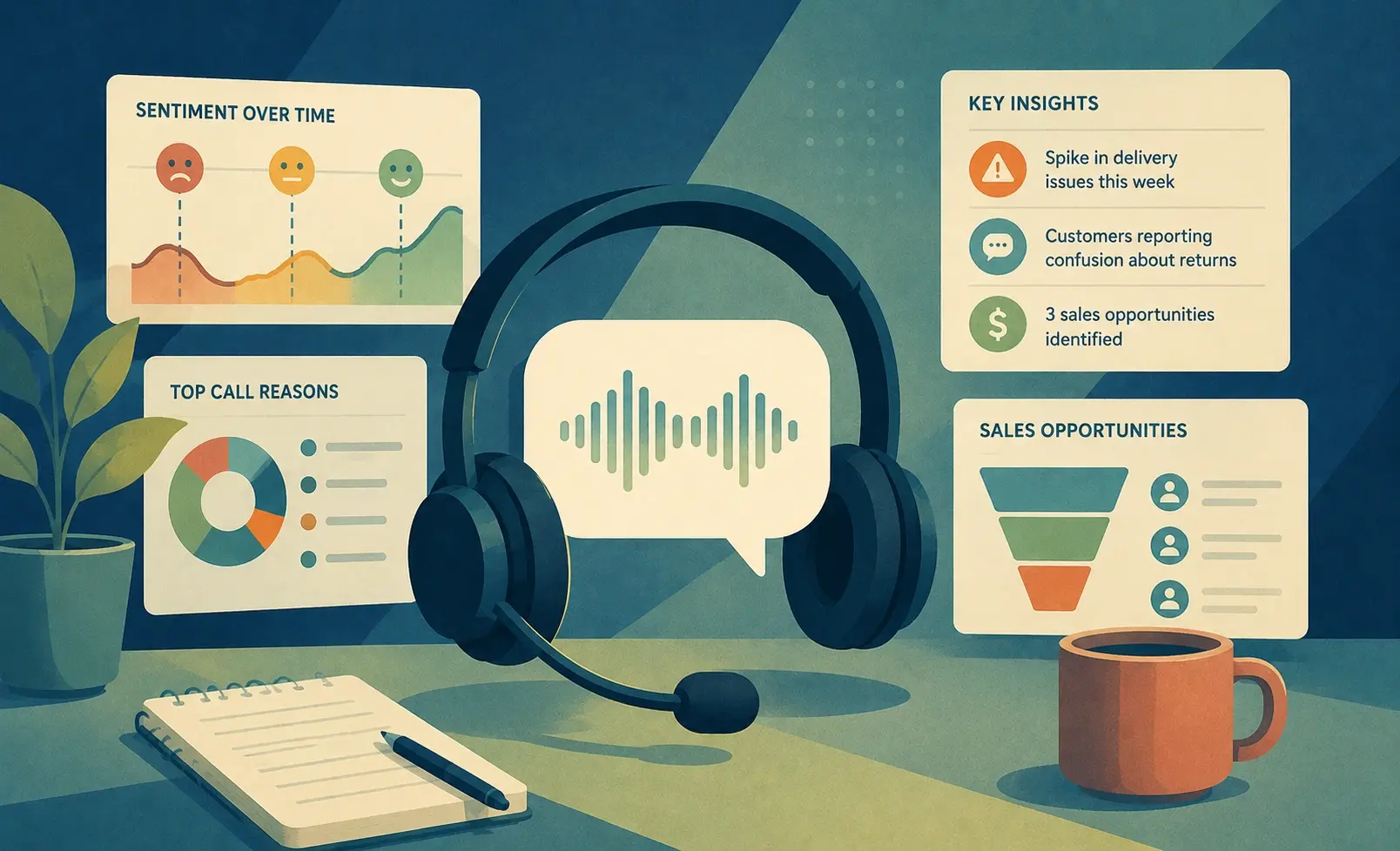
Moreover, the use of AI-powered call analytics can enhance voice training by providing insights into customer interactions. By analyzing recorded conversations, speakers can learn how to adjust their tone and delivery based on audience reactions. This data-driven approach allows for continuous improvement, as speakers can track their progress over time and refine their techniques accordingly.
Ultimately, voice training exercises for public speaking, when combined with AI feedback, create a comprehensive learning experience. This integration not only enhances the speaker's ability to communicate effectively but also fosters a deeper understanding of audience engagement. As public speaking remains a vital skill in various professional settings, leveraging AI technology can significantly elevate one's effectiveness and impact as a speaker. By embracing these innovative tools and techniques, individuals can transform their public speaking abilities and connect with their audiences on a more profound level.
Comparison Table
Voice training exercises for public speaking, when enhanced with AI feedback, offer a revolutionary approach to mastering communication skills. These exercises focus on improving vocal clarity, tone, and engagement, while AI tools provide real-time analysis and personalized recommendations. By integrating AI feedback into practice sessions, individuals can efficiently identify their strengths and weaknesses in delivery, ultimately boosting their confidence and enhancing overall presentation skills.
One effective exercise is the "breath control drill," where speakers practice deep breathing techniques to improve vocal projection and reduce anxiety. This stabilizes the voice, allowing for clearer articulation during presentations. Another valuable exercise is "intonation practice," where speakers read passages aloud, varying their pitch and tone to convey emotion and maintain audience interest. AI feedback can analyze vocal patterns and suggest adjustments for improved delivery.
AI tools also assist in identifying filler words and pacing issues. During practice sessions, speakers can record their presentations and use AI software to analyze their speech, detecting overused phrases and providing feedback on pacing. This helps develop a more polished delivery. Additionally, AI evaluates the emotional tone of the speaker's voice, offering insights into how well they convey enthusiasm or empathy, crucial for audience engagement.
Incorporating role-playing scenarios into voice training exercises can further enhance learning. By simulating real-life speaking situations, speakers can practice their delivery in a safe environment, with AI providing immediate feedback on performance. This dynamic approach builds confidence and prepares speakers to handle unexpected challenges during actual presentations.
Moreover, AI-powered call analytics can enhance voice training by providing insights into customer interactions. By analyzing recorded conversations, speakers learn to adjust their tone and delivery based on audience reactions, allowing for continuous improvement.
Ultimately, voice training exercises for public speaking, combined with AI feedback, create a comprehensive learning experience that enhances communication effectiveness and fosters a deeper understanding of audience engagement. Leveraging AI technology can significantly elevate one's public speaking abilities, enabling individuals to connect with their audiences on a more profound level.
Selection Criteria
Voice training exercises for public speaking, enhanced by AI feedback, provide a powerful way to refine communication skills. These exercises focus on improving vocal clarity, tone, and engagement, while AI tools offer real-time analysis and personalized recommendations. By integrating AI feedback into practice sessions, individuals can efficiently identify their strengths and weaknesses in delivery, ultimately boosting their confidence and enhancing overall presentation skills.
One effective exercise is the "breath control drill," where speakers practice deep breathing techniques to improve vocal projection and reduce anxiety. This stabilizes the voice, allowing for clearer articulation during presentations. Another valuable exercise is "intonation practice," where speakers read passages aloud, varying their pitch and tone to convey emotion and maintain audience interest. AI feedback can analyze vocal patterns and suggest adjustments for improved delivery.
AI tools also assist in identifying filler words and pacing issues. During practice sessions, speakers can record their presentations and use AI software to analyze their speech, detecting overused phrases and providing feedback on pacing. This helps develop a more polished delivery. Additionally, AI evaluates the emotional tone of the speaker's voice, offering insights into how well they convey enthusiasm or empathy, crucial for audience engagement.
Incorporating role-playing scenarios into voice training exercises can further enhance learning. By simulating real-life speaking situations, speakers can practice their delivery in a safe environment, with AI providing immediate feedback on performance. This dynamic approach builds confidence and prepares speakers to handle unexpected challenges during actual presentations.
Moreover, AI-powered call analytics can enhance voice training by providing insights into customer interactions. By analyzing recorded conversations, speakers learn to adjust their tone and delivery based on audience reactions, allowing for continuous improvement.
Ultimately, voice training exercises for public speaking, combined with AI feedback, create a comprehensive learning experience that enhances communication effectiveness and fosters a deeper understanding of audience engagement. Leveraging AI technology can significantly elevate one's public speaking abilities, enabling individuals to connect with their audiences on a more profound level.
Implementation Guide
Voice training exercises for public speaking, enhanced by AI feedback, provide a powerful way to refine communication skills. These exercises focus on improving vocal clarity, tone, and engagement, while AI tools offer real-time analysis and personalized recommendations. By integrating AI feedback into practice sessions, individuals can efficiently identify their strengths and weaknesses in delivery, ultimately boosting their confidence and enhancing overall presentation skills.
One effective exercise is the "breath control drill," where speakers practice deep breathing techniques to improve vocal projection and reduce anxiety. This stabilizes the voice, allowing for clearer articulation during presentations. Another valuable exercise is "intonation practice," where speakers read passages aloud, varying their pitch and tone to convey emotion and maintain audience interest. AI feedback can analyze vocal patterns and suggest adjustments for improved delivery.
AI tools also assist in identifying filler words and pacing issues. During practice sessions, speakers can record their presentations and use AI software to analyze their speech, detecting overused phrases and providing feedback on pacing. This helps develop a more polished delivery. Additionally, AI evaluates the emotional tone of the speaker's voice, offering insights into how well they convey enthusiasm or empathy, crucial for audience engagement.
Incorporating role-playing scenarios into voice training exercises can further enhance learning. By simulating real-life speaking situations, speakers can practice their delivery in a safe environment, with AI providing immediate feedback on performance. This dynamic approach builds confidence and prepares speakers to handle unexpected challenges during actual presentations.
Moreover, AI-powered call analytics can enhance voice training by providing insights into customer interactions. By analyzing recorded conversations, speakers learn to adjust their tone and delivery based on audience reactions, allowing for continuous improvement.
Ultimately, voice training exercises for public speaking, combined with AI feedback, create a comprehensive learning experience that enhances communication effectiveness and fosters a deeper understanding of audience engagement. Leveraging AI technology can significantly elevate one's public speaking abilities, enabling individuals to connect with their audiences on a more profound level.
Frequently Asked Questions
Frequently Asked Questions
Q: What are voice training exercises for public speaking with AI feedback?
A: Voice training exercises for public speaking involve techniques aimed at improving vocal clarity, tone, and engagement, enhanced by AI tools that provide real-time analysis and personalized recommendations.
Q: How does AI feedback enhance voice training?
A: AI feedback analyzes vocal patterns, detects filler words, and evaluates emotional tone, allowing speakers to identify strengths and weaknesses in their delivery for continuous improvement.
Q: Can AI help with anxiety during public speaking?
A: Yes, AI tools can assist in practicing deep breathing techniques and vocal exercises that stabilize the voice, helping to reduce anxiety and improve articulation during presentations.
Q: What role do role-playing scenarios play in voice training?
A: Role-playing scenarios simulate real-life speaking situations, allowing speakers to practice their delivery in a safe environment while receiving immediate AI feedback on their performance.
Q: How can AI-powered call analytics improve public speaking skills?
A: By analyzing recorded conversations, AI-powered call analytics provide insights into audience reactions, enabling speakers to adjust their tone and delivery for better engagement and effectiveness.