Public speaking is a vital skill that can significantly impact personal and professional success. To enhance nonverbal communication, integrating AI into practice can provide invaluable feedback and insights. This article will explore various public speaking exercises that leverage AI technology to improve body language, facial expressions, and overall delivery. By utilizing AI-powered tools, speakers can receive real-time analysis of their gestures, posture, and eye contact, allowing for targeted improvements. These exercises not only build confidence but also foster a deeper connection with the audience, ultimately leading to more engaging and effective presentations. Let’s delve into how these innovative practices can transform your public speaking abilities and elevate your communication skills.
Public Speaking Exercises to Enhance Nonverbal Communication with AI
Public speaking exercises that enhance nonverbal communication with AI can significantly improve your presentation skills. By leveraging AI-powered tools, speakers can receive real-time feedback on their body language, facial expressions, and overall delivery. These exercises focus on key aspects such as posture, eye contact, and gestures, allowing for targeted improvements that foster a deeper connection with the audience. In this section, we will explore various exercises that utilize AI technology to transform your public speaking abilities and elevate your communication skills.
One effective exercise is to practice in front of an AI-powered evaluation tool that analyzes your speech. These tools can automatically evaluate your delivery, scoring interactions based on custom quality criteria. By recording your practice sessions, you can receive insights into your tone, empathy, and resolution effectiveness. This feedback helps identify areas for improvement, such as reducing filler words or adjusting your pacing, which are crucial for maintaining audience engagement.
Another valuable exercise involves using AI to simulate audience reactions. By practicing in a virtual environment where the AI mimics audience responses, you can learn to adjust your nonverbal cues in real time. This exercise helps you become more aware of how your body language and facial expressions impact audience perception. For instance, if the AI detects a lack of engagement, you can experiment with varying your gestures or maintaining eye contact to draw the audience back in.
Incorporating AI-driven coaching recommendations into your practice routine can also enhance your nonverbal communication. After each practice session, review the AI-generated feedback to identify specific skill gaps and receive targeted coaching suggestions. This personalized approach allows you to focus on the aspects of your delivery that need the most attention, whether it's improving your posture or enhancing your emotional expressiveness.
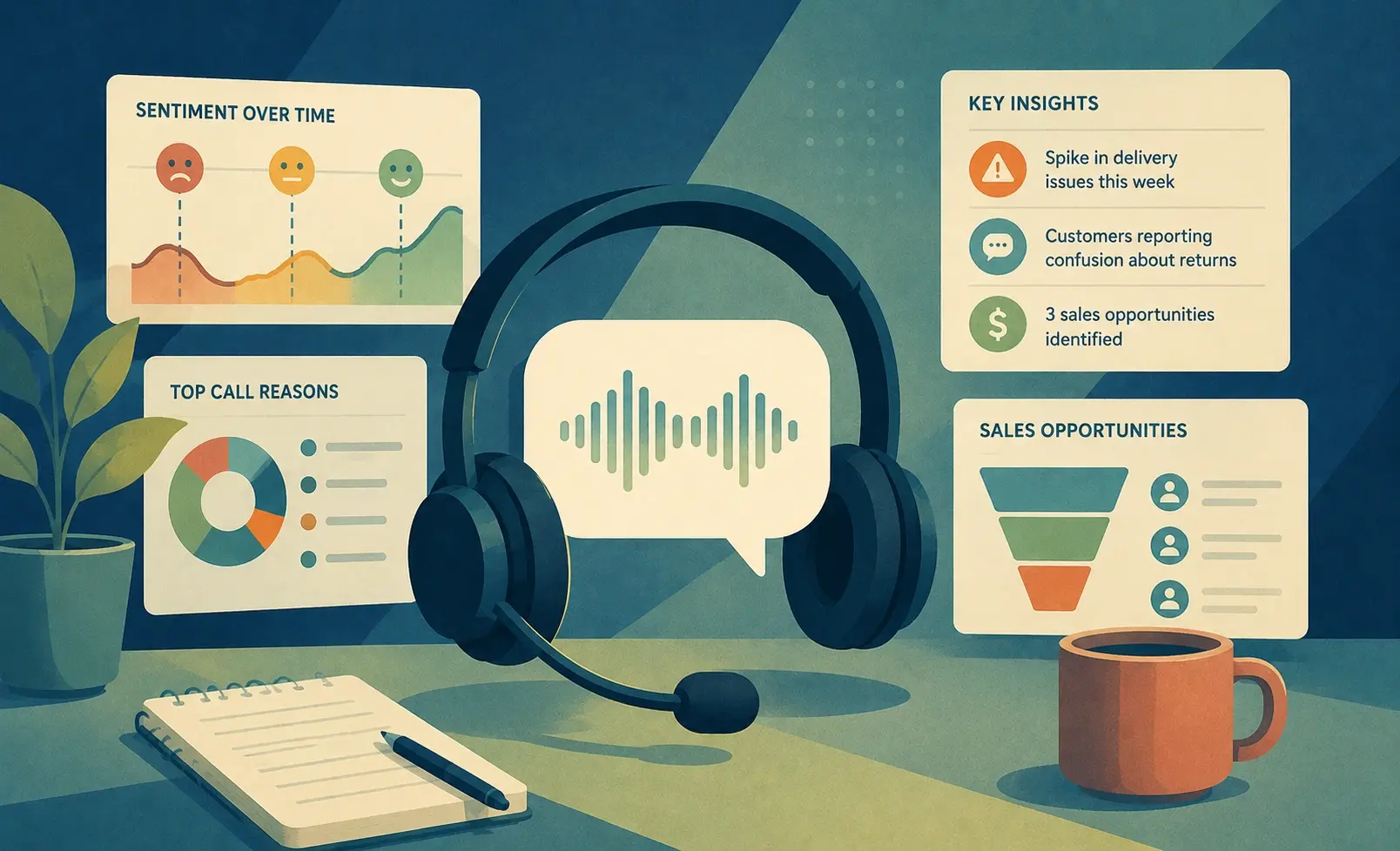
Additionally, utilizing AI tools that detect customer sentiment can provide insights into how your nonverbal communication is received. By analyzing recordings of your speeches or presentations, these tools can help you understand the emotional response of your audience. This information is invaluable for refining your delivery style and ensuring that your nonverbal cues align with your intended message.
To further develop your skills, consider engaging in role-playing exercises with AI simulations. These platforms can create realistic scenarios where you practice responding to various audience dynamics, such as challenging questions or unexpected reactions. This not only builds your confidence but also helps you adapt your nonverbal communication strategies in a safe environment.
In conclusion, public speaking exercises that leverage AI technology can significantly enhance your nonverbal communication skills. By utilizing AI-powered evaluation tools, audience simulations, and personalized coaching recommendations, you can refine your delivery and create a more engaging experience for your audience. Embracing these innovative practices will not only boost your confidence but also elevate your overall communication effectiveness, making you a more compelling speaker.
Comparison Table
Comparison Table
When it comes to enhancing nonverbal communication through public speaking exercises with AI, various tools and methods offer unique advantages.
| Feature/Tool | AI-Powered Evaluation Tools | Audience Simulation Tools | AI-Driven Coaching Recommendations | Sentiment Detection Tools |
|---|---|---|---|---|
| Real-Time Feedback | Provides immediate analysis of tone, body language, and pacing. | Mimics audience reactions to help adjust delivery. | Offers personalized insights based on performance. | Analyzes audience emotional responses to refine delivery. |
| Focus Areas | Targets specific aspects like posture and eye contact. | Helps in understanding audience engagement levels. | Identifies skill gaps and suggests improvements. | Detects emotional trends during presentations. |
| Practice Environment | Allows for solo practice with recorded sessions. | Creates a virtual audience for realistic practice. | Integrates feedback into practice routines. | Provides post-presentation analysis for improvement. |
| User Engagement | Engages users with actionable insights for improvement. | Engages users by simulating real-life scenarios. | Engages users through tailored coaching sessions. | Engages users by revealing audience sentiment trends. |
| Outcome | Enhances overall presentation effectiveness through targeted feedback. | Improves adaptability and awareness of nonverbal cues. | Boosts confidence with personalized coaching. | Refines delivery style based on audience reactions. |
By leveraging these AI-driven tools, speakers can significantly enhance their nonverbal communication skills, leading to more impactful and engaging presentations.
Selection Criteria
Selection Criteria
When evaluating public speaking exercises aimed at improving nonverbal communication with AI, consider the following selection criteria:
- Real-Time Feedback: The exercise should provide immediate analysis of body language, tone, and pacing to allow for instant adjustments.
- Audience Simulation: Look for tools that mimic audience reactions, enabling speakers to practice and adapt their delivery based on simulated feedback.
- Personalized Coaching: The program should offer tailored insights and recommendations based on individual performance, helping to identify specific areas for improvement.
- Sentiment Detection: Effective exercises should analyze audience emotional responses during practice sessions, providing valuable data to refine delivery styles.
- Engagement Level: The exercises must actively engage users, encouraging them to practice consistently and apply learned skills in real-world scenarios.
By focusing on these criteria, speakers can select the most effective AI-driven tools to enhance their nonverbal communication skills.
Implementation Guide
Implementation Guide
To effectively implement public speaking exercises for improving nonverbal communication with AI, start by selecting the right AI-powered evaluation tools that provide real-time feedback on body language, tone, and pacing. Incorporate audience simulation tools that mimic real-life reactions, allowing speakers to practice and adapt their delivery based on simulated feedback. Utilize AI-driven coaching recommendations to offer personalized insights tailored to individual performance, helping identify specific areas for improvement. Additionally, leverage sentiment detection tools to analyze audience emotional responses during practice sessions, providing valuable data to refine delivery styles. Finally, ensure that exercises actively engage users, encouraging consistent practice and application of learned skills in real-world scenarios, ultimately enhancing their nonverbal communication effectiveness.
Frequently Asked Questions
Frequently Asked Questions
Q: How can AI help improve my nonverbal communication skills in public speaking?
A: AI can analyze your body language, tone, and pacing during practice sessions, providing real-time feedback that helps you make immediate adjustments to enhance your delivery.
Q: What types of exercises are effective for improving nonverbal communication?
A: Effective exercises include audience simulation tools that mimic reactions, personalized coaching insights based on your performance, and sentiment detection to analyze emotional responses during your practice.
Q: Is it possible to receive personalized coaching through AI tools?
A: Yes, many AI-powered platforms offer tailored insights and recommendations based on your individual performance, helping you identify specific areas for improvement in your nonverbal communication.
Q: How does sentiment detection work in public speaking exercises?
A: Sentiment detection analyzes audience emotional responses during practice sessions, providing valuable data that helps refine your delivery style and improve audience engagement.
Q: Why is consistent practice important for improving nonverbal communication?
A: Consistent practice allows you to apply learned skills in real-world scenarios, reinforcing your abilities and enhancing your overall effectiveness as a public speaker.