AI is revolutionizing traditional public speaking practice routines by providing personalized feedback, simulating audience interactions, and enhancing overall delivery. Through advanced tools, speakers can receive real-time insights on their pacing, tone, and clarity, allowing for targeted improvements. AI-driven platforms can analyze body language and vocal delivery, helping speakers engage their audience more effectively. Additionally, these technologies create customized practice sessions tailored to individual strengths and weaknesses, making the learning process more efficient and less intimidating. As a result, public speaking becomes more accessible, empowering individuals to refine their skills and build confidence in various speaking scenarios, from interviews to presentations. This article explores the transformative impact of AI on public speaking practices and offers insights into leveraging these tools for success.
AI Tools for Enhancing Public Speaking Practice
AI enhances traditional public speaking practice routines by offering personalized feedback, simulating audience interactions, and refining delivery techniques. Through advanced AI tools, speakers can receive real-time insights on their pacing, tone, and clarity, enabling targeted improvements. These platforms analyze body language and vocal delivery, helping speakers engage their audience more effectively. Additionally, AI technologies create customized practice sessions tailored to individual strengths and weaknesses, making the learning process more efficient and less intimidating. As a result, public speaking becomes more accessible, empowering individuals to refine their skills and build confidence in various speaking scenarios, from interviews to presentations.
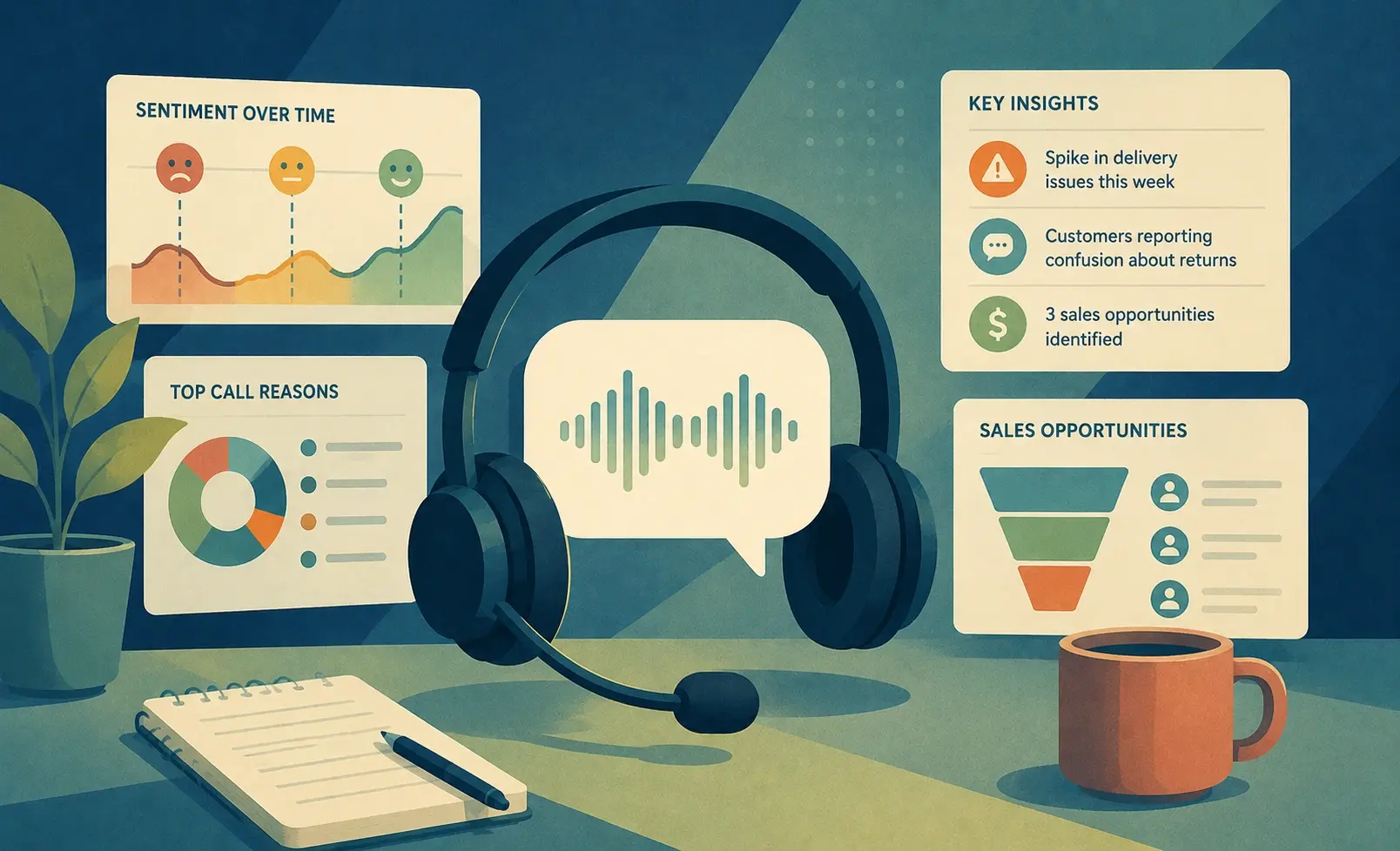
Incorporating AI into public speaking practice routines transforms how individuals prepare and perform. Traditional methods often involve rehearsing in front of a mirror or seeking feedback from friends, which can be subjective and limited. AI tools, however, provide objective evaluations by analyzing every aspect of a speaker's delivery. For instance, platforms can automatically evaluate calls or presentations, scoring interactions against custom quality criteria. This allows speakers to identify areas for improvement, such as tone, pacing, and emotional engagement, leading to more polished and effective presentations.
Moreover, AI-driven coaching systems can generate actionable insights from real conversations, helping speakers understand their strengths and weaknesses. By tracking performance over time, these tools enable users to monitor their progress and receive targeted coaching recommendations. This continuous feedback loop fosters an environment of growth and development, making it easier for individuals to enhance their public speaking skills.
Another significant advantage of AI in public speaking is its ability to simulate audience reactions. Some platforms can create virtual environments where speakers can practice their delivery while receiving feedback on how their audience might respond. This immersive experience helps speakers adjust their presentations in real-time, improving their ability to engage and connect with listeners. By understanding audience dynamics, speakers can tailor their messages to resonate more effectively, ultimately leading to more impactful communication.
AI also plays a crucial role in identifying recurring themes and trends in audience feedback. By analyzing data from various speaking engagements, AI tools can uncover insights about common pain points or areas of interest among audiences. This information allows speakers to refine their content and delivery, ensuring that their presentations are relevant and engaging. Additionally, understanding audience sentiment can help speakers gauge their effectiveness and make necessary adjustments to improve future performances.
The integration of AI into public speaking practice routines not only enhances individual skills but also democratizes access to effective training. With AI-powered platforms, anyone can practice and improve their public speaking abilities, regardless of their background or experience level. This accessibility empowers a broader range of individuals to develop their communication skills, fostering a culture of confident and effective speakers.
In conclusion, AI significantly enhances traditional public speaking practice routines by providing personalized feedback, simulating audience interactions, and offering actionable insights for improvement. By leveraging these advanced tools, speakers can refine their delivery, engage their audiences more effectively, and build the confidence needed to succeed in various speaking scenarios. As AI continues to evolve, its role in shaping the future of public speaking will only grow, making it an essential resource for anyone looking to improve their communication skills.
Comparison Table
AI significantly enhances traditional public speaking practice routines by offering personalized feedback, simulating audience interactions, and refining delivery techniques. Through advanced AI tools, speakers receive real-time insights on their pacing, tone, and clarity, enabling targeted improvements. These platforms analyze body language and vocal delivery, helping speakers engage their audience more effectively. Additionally, AI technologies create customized practice sessions tailored to individual strengths and weaknesses, making the learning process more efficient and less intimidating.
Incorporating AI into public speaking transforms preparation and performance. Traditional methods often involve rehearsing in front of a mirror or seeking feedback from friends, which can be subjective and limited. AI tools provide objective evaluations by analyzing every aspect of a speaker's delivery, allowing for the identification of areas for improvement, such as tone, pacing, and emotional engagement.
Moreover, AI-driven coaching systems generate actionable insights from real conversations, helping speakers understand their strengths and weaknesses. By tracking performance over time, these tools enable users to monitor progress and receive targeted coaching recommendations. This continuous feedback loop fosters an environment of growth and development, making it easier for individuals to enhance their public speaking skills.
Another significant advantage of AI in public speaking is its ability to simulate audience reactions. Some platforms create virtual environments where speakers can practice their delivery while receiving feedback on how their audience might respond. This immersive experience helps speakers adjust their presentations in real-time, improving their ability to engage and connect with listeners.
AI also plays a crucial role in identifying recurring themes and trends in audience feedback. By analyzing data from various speaking engagements, AI tools uncover insights about common pain points or areas of interest among audiences. This information allows speakers to refine their content and delivery, ensuring that their presentations are relevant and engaging.
The integration of AI into public speaking practice routines not only enhances individual skills but also democratizes access to effective training. With AI-powered platforms, anyone can practice and improve their public speaking abilities, regardless of their background or experience level. This accessibility empowers a broader range of individuals to develop their communication skills, fostering a culture of confident and effective speakers.
In conclusion, AI significantly enhances traditional public speaking practice routines by providing personalized feedback, simulating audience interactions, and offering actionable insights for improvement. By leveraging these advanced tools, speakers can refine their delivery, engage their audiences more effectively, and build the confidence needed to succeed in various speaking scenarios. As AI continues to evolve, its role in shaping the future of public speaking will only grow, making it an essential resource for anyone looking to improve their communication skills.
Selection Criteria
AI significantly enhances traditional public speaking practice routines by providing personalized feedback, simulating audience interactions, and refining delivery techniques. By leveraging AI tools, speakers can receive real-time insights on their pacing, tone, and clarity, enabling targeted improvements. These platforms analyze body language and vocal delivery, helping speakers engage their audience more effectively. Additionally, AI technologies create customized practice sessions tailored to individual strengths and weaknesses, making the learning process more efficient and less intimidating.
Incorporating AI into public speaking transforms preparation and performance. Traditional methods often involve rehearsing in front of a mirror or seeking feedback from friends, which can be subjective and limited. AI tools provide objective evaluations by analyzing every aspect of a speaker's delivery, allowing for the identification of areas for improvement, such as tone, pacing, and emotional engagement.
Moreover, AI-driven coaching systems generate actionable insights from real conversations, helping speakers understand their strengths and weaknesses. By tracking performance over time, these tools enable users to monitor progress and receive targeted coaching recommendations. This continuous feedback loop fosters an environment of growth and development, making it easier for individuals to enhance their public speaking skills.
Another significant advantage of AI in public speaking is its ability to simulate audience reactions. Some platforms create virtual environments where speakers can practice their delivery while receiving feedback on how their audience might respond. This immersive experience helps speakers adjust their presentations in real-time, improving their ability to engage and connect with listeners.
AI also plays a crucial role in identifying recurring themes and trends in audience feedback. By analyzing data from various speaking engagements, AI tools uncover insights about common pain points or areas of interest among audiences. This information allows speakers to refine their content and delivery, ensuring that their presentations are relevant and engaging.
The integration of AI into public speaking practice routines not only enhances individual skills but also democratizes access to effective training. With AI-powered platforms, anyone can practice and improve their public speaking abilities, regardless of their background or experience level. This accessibility empowers a broader range of individuals to develop their communication skills, fostering a culture of confident and effective speakers.
In conclusion, AI significantly enhances traditional public speaking practice routines by providing personalized feedback, simulating audience interactions, and offering actionable insights for improvement. By leveraging these advanced tools, speakers can refine their delivery, engage their audiences more effectively, and build the confidence needed to succeed in various speaking scenarios. As AI continues to evolve, its role in shaping the future of public speaking will only grow, making it an essential resource for anyone looking to improve their communication skills.
Implementation Guide
AI significantly enhances traditional public speaking practice routines by offering personalized feedback, simulating audience interactions, and refining delivery techniques. Through advanced AI tools, speakers receive real-time insights on their pacing, tone, and clarity, enabling targeted improvements. These platforms analyze body language and vocal delivery, helping speakers engage their audience more effectively. Additionally, AI technologies create customized practice sessions tailored to individual strengths and weaknesses, making the learning process more efficient and less intimidating.
Incorporating AI into public speaking transforms preparation and performance. Traditional methods often involve rehearsing in front of a mirror or seeking feedback from friends, which can be subjective and limited. AI tools provide objective evaluations by analyzing every aspect of a speaker's delivery, allowing for the identification of areas for improvement, such as tone, pacing, and emotional engagement.
Moreover, AI-driven coaching systems generate actionable insights from real conversations, helping speakers understand their strengths and weaknesses. By tracking performance over time, these tools enable users to monitor progress and receive targeted coaching recommendations. This continuous feedback loop fosters an environment of growth and development, making it easier for individuals to enhance their public speaking skills.
Another significant advantage of AI in public speaking is its ability to simulate audience reactions. Some platforms create virtual environments where speakers can practice their delivery while receiving feedback on how their audience might respond. This immersive experience helps speakers adjust their presentations in real-time, improving their ability to engage and connect with listeners.
AI also plays a crucial role in identifying recurring themes and trends in audience feedback. By analyzing data from various speaking engagements, AI tools uncover insights about common pain points or areas of interest among audiences. This information allows speakers to refine their content and delivery, ensuring that their presentations are relevant and engaging.
The integration of AI into public speaking practice routines not only enhances individual skills but also democratizes access to effective training. With AI-powered platforms, anyone can practice and improve their public speaking abilities, regardless of their background or experience level. This accessibility empowers a broader range of individuals to develop their communication skills, fostering a culture of confident and effective speakers.
In conclusion, AI significantly enhances traditional public speaking practice routines by providing personalized feedback, simulating audience interactions, and offering actionable insights for improvement. By leveraging these advanced tools, speakers can refine their delivery, engage their audiences more effectively, and build the confidence needed to succeed in various speaking scenarios. As AI continues to evolve, its role in shaping the future of public speaking will only grow, making it an essential resource for anyone looking to improve their communication skills.
Frequently Asked Questions
Frequently Asked Questions
Q: How does AI provide personalized feedback for public speaking?
A: AI tools analyze various aspects of a speaker's delivery, such as tone, pacing, and clarity, offering tailored feedback that helps refine their performance.
Q: Can AI simulate audience interactions during practice?
A: Yes, some AI platforms create virtual environments that simulate audience reactions, allowing speakers to adjust their presentations in real-time based on the feedback received.
Q: How does AI help in identifying areas for improvement?
A: AI-driven coaching systems evaluate recorded speeches and provide actionable insights, enabling speakers to understand their strengths and weaknesses and track their progress over time.
Q: Is AI accessible for everyone looking to improve their public speaking skills?
A: Absolutely! AI-powered platforms democratize access to effective training, allowing individuals from various backgrounds and experience levels to practice and enhance their public speaking abilities.
Q: What role does AI play in enhancing audience engagement?
A: By analyzing audience feedback and sentiment trends, AI tools help speakers refine their content and delivery, ensuring their presentations resonate with listeners and address common pain points.