AI coaching is revolutionizing public speaking by enhancing body language, a critical component of effective communication. Through advanced analytics and real-time feedback, AI tools can assess non-verbal cues such as posture, gestures, and facial expressions, providing speakers with actionable insights to improve their delivery. This technology allows individuals to practice in a judgment-free environment, receiving personalized coaching that helps them become more aware of their body language and its impact on audience engagement. As a result, speakers can cultivate a more confident and persuasive presence, ultimately leading to more successful presentations and interactions. In this article, we will explore how AI coaching tools can refine body language, boost public speaking skills, and foster greater audience connection.
AI Coaching Tools for Body Language Improvement
AI coaching significantly enhances body language in public speaking by providing speakers with real-time feedback and personalized insights into their non-verbal communication. By analyzing elements such as posture, gestures, and facial expressions, AI tools can help individuals become more aware of their body language and its impact on audience engagement. This technology allows users to practice in a supportive environment, where they can receive constructive criticism without the fear of judgment, ultimately leading to a more confident and persuasive presence during presentations.
One of the primary ways AI coaching improves body language is through its ability to evaluate and score interactions based on custom quality criteria. This includes detecting sentiment and empathy, which are crucial for establishing a connection with the audience. By understanding how their body language affects the emotional tone of their delivery, speakers can adjust their gestures and expressions to enhance audience engagement. For instance, if an AI tool identifies that a speaker's posture appears closed or defensive, it can recommend adjustments to create a more open and inviting presence.
Moreover, AI coaching tools can generate actionable coaching insights from real conversations, allowing speakers to track their performance over time. This continuous monitoring helps identify skill gaps and suggests targeted coaching recommendations for improvement. By focusing on specific aspects of body language, such as maintaining eye contact or using appropriate gestures, speakers can refine their delivery and become more effective communicators.
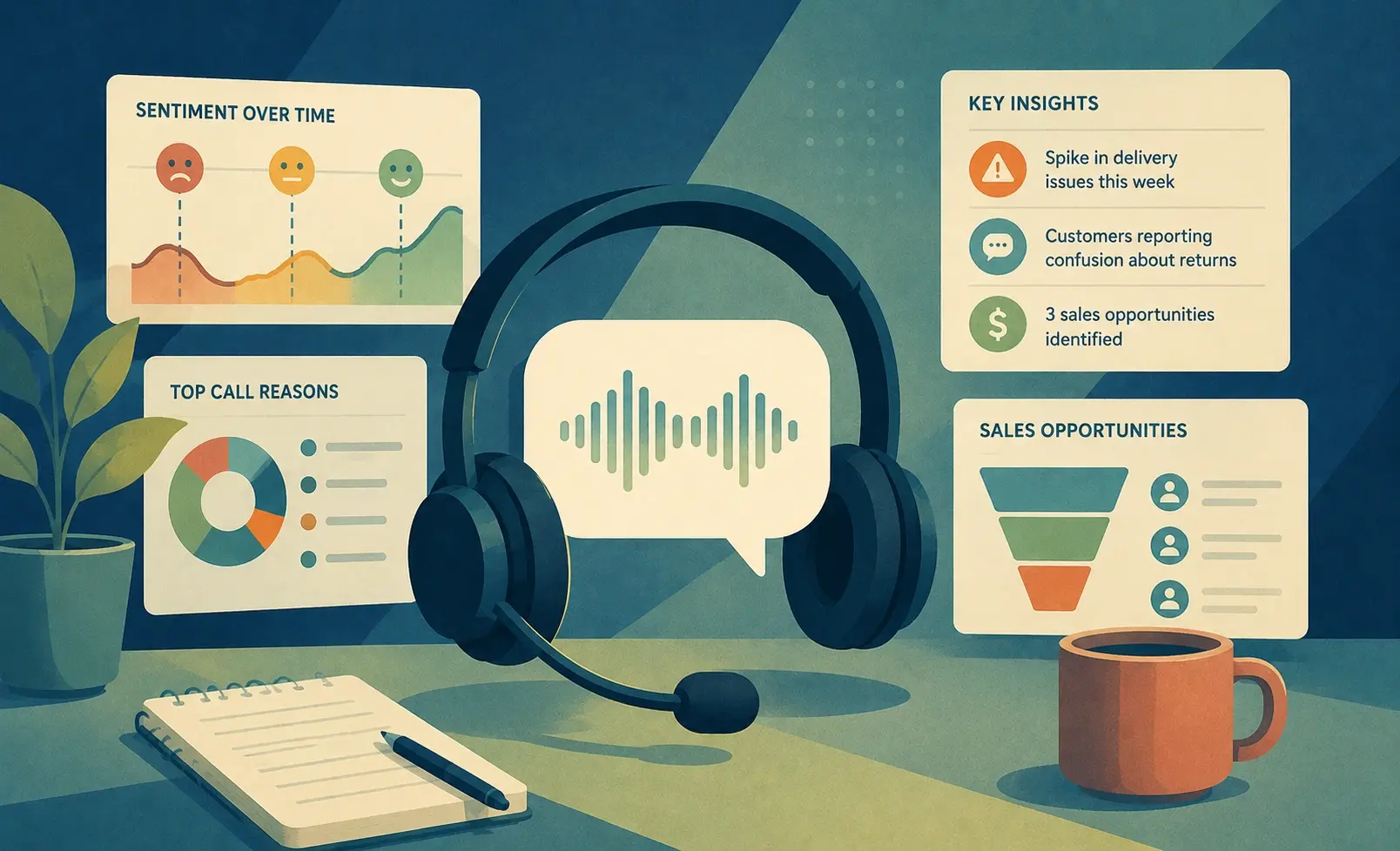
The use of performance dashboards in AI coaching platforms also enables speakers to visualize trends in their body language and overall presentation style. By analyzing data from previous presentations, individuals can pinpoint areas for improvement and set measurable goals for their next speaking engagement. This data-driven approach fosters a sense of accountability and encourages speakers to actively work on their body language skills.
In addition, AI coaching tools can surface upsell and cross-sell opportunities in support interactions, which can be particularly beneficial for sales professionals. By honing their body language skills, these individuals can convey confidence and authority, making them more persuasive during client interactions. The ability to read and respond to audience cues effectively can lead to improved outcomes in sales presentations and negotiations.
Ultimately, AI coaching empowers speakers to cultivate a more engaging and impactful presence. By providing personalized feedback and actionable insights, these tools help individuals become more self-aware of their body language, leading to enhanced public speaking skills. As speakers refine their non-verbal communication, they can foster greater connections with their audiences, resulting in more successful presentations and interactions. The integration of AI coaching into public speaking training represents a significant advancement in how individuals can develop their communication skills in today's fast-paced, technology-driven world.
Comparison Table
AI coaching significantly enhances body language in public speaking by providing real-time feedback and personalized insights into non-verbal communication. These tools analyze elements such as posture, gestures, and facial expressions, helping speakers become more aware of how their body language impacts audience engagement. By practicing in a supportive environment, individuals receive constructive criticism without fear of judgment, leading to a more confident and persuasive presence during presentations.
AI coaching tools evaluate and score interactions based on custom quality criteria, detecting sentiment and empathy essential for audience connection. For instance, if a speaker's posture appears closed, the AI can recommend adjustments to create a more inviting presence. Continuous monitoring allows speakers to track performance over time, identify skill gaps, and receive targeted coaching recommendations. Performance dashboards visualize trends in body language, enabling speakers to set measurable goals for improvement.
Additionally, AI coaching can surface upsell and cross-sell opportunities, particularly beneficial for sales professionals. By refining body language skills, individuals can convey confidence and authority, enhancing persuasion during client interactions. Ultimately, AI coaching empowers speakers to cultivate a more engaging presence, fostering greater connections with their audiences and resulting in more successful presentations. Integrating AI coaching into public speaking training represents a significant advancement in developing communication skills in today's technology-driven world.
Selection Criteria
AI coaching significantly enhances body language in public speaking by offering real-time feedback and personalized insights into non-verbal communication. These tools analyze key elements such as posture, gestures, and facial expressions, helping speakers become more aware of how their body language affects audience engagement. By practicing in a supportive environment, individuals receive constructive criticism without the fear of judgment, ultimately leading to a more confident and persuasive presence during presentations.
One of the primary benefits of AI coaching is its ability to evaluate and score interactions based on custom quality criteria, including sentiment and empathy, which are crucial for establishing a connection with the audience. For example, if a speaker's posture appears closed, the AI can recommend adjustments to create a more open and inviting presence. Continuous monitoring allows speakers to track their performance over time, identify skill gaps, and receive targeted coaching recommendations for improvement.
Moreover, performance dashboards in AI coaching platforms enable speakers to visualize trends in their body language and overall presentation style. By analyzing data from previous presentations, individuals can pinpoint areas for improvement and set measurable goals for their next speaking engagement. This data-driven approach fosters accountability and encourages speakers to actively work on their body language skills.
Additionally, AI coaching can surface upsell and cross-sell opportunities, which can be particularly beneficial for sales professionals. By honing their body language skills, these individuals can convey confidence and authority, making them more persuasive during client interactions. The ability to read and respond to audience cues effectively can lead to improved outcomes in sales presentations and negotiations.
Ultimately, AI coaching empowers speakers to cultivate a more engaging and impactful presence. By providing personalized feedback and actionable insights, these tools help individuals become more self-aware of their body language, leading to enhanced public speaking skills. As speakers refine their non-verbal communication, they can foster greater connections with their audiences, resulting in more successful presentations and interactions. Integrating AI coaching into public speaking training represents a significant advancement in developing communication skills in today's fast-paced, technology-driven world.
Implementation Guide
AI coaching significantly enhances body language in public speaking by offering real-time feedback and personalized insights into non-verbal communication. These tools analyze key elements such as posture, gestures, and facial expressions, helping speakers become more aware of how their body language affects audience engagement. By practicing in a supportive environment, individuals receive constructive criticism without the fear of judgment, ultimately leading to a more confident and persuasive presence during presentations.
One of the primary benefits of AI coaching is its ability to evaluate and score interactions based on custom quality criteria, including sentiment and empathy, which are crucial for establishing a connection with the audience. For example, if a speaker's posture appears closed, the AI can recommend adjustments to create a more open and inviting presence. Continuous monitoring allows speakers to track their performance over time, identify skill gaps, and receive targeted coaching recommendations for improvement.
Moreover, performance dashboards in AI coaching platforms enable speakers to visualize trends in their body language and overall presentation style. By analyzing data from previous presentations, individuals can pinpoint areas for improvement and set measurable goals for their next speaking engagement. This data-driven approach fosters accountability and encourages speakers to actively work on their body language skills.
Additionally, AI coaching can surface upsell and cross-sell opportunities, which can be particularly beneficial for sales professionals. By honing their body language skills, these individuals can convey confidence and authority, making them more persuasive during client interactions. The ability to read and respond to audience cues effectively can lead to improved outcomes in sales presentations and negotiations.
Ultimately, AI coaching empowers speakers to cultivate a more engaging and impactful presence. By providing personalized feedback and actionable insights, these tools help individuals become more self-aware of their body language, leading to enhanced public speaking skills. As speakers refine their non-verbal communication, they can foster greater connections with their audiences, resulting in more successful presentations and interactions. Integrating AI coaching into public speaking training represents a significant advancement in developing communication skills in today's fast-paced, technology-driven world.
Frequently Asked Questions
Frequently Asked Questions
Q: How does AI coaching improve body language in public speaking?
A: AI coaching enhances body language by providing real-time feedback on posture, gestures, and facial expressions, helping speakers become more aware of their non-verbal communication.
Q: What specific features of AI coaching help with body language?
A: Key features include the ability to evaluate interactions against custom quality criteria, detect sentiment and empathy, and offer personalized coaching recommendations based on performance data.
Q: Can AI coaching help identify areas for improvement in body language?
A: Yes, AI coaching continuously monitors performance, allowing speakers to track their body language trends over time and identify specific skill gaps for targeted improvement.
Q: How does AI coaching foster self-awareness in speakers?
A: By providing actionable insights and constructive criticism in a supportive environment, AI coaching helps speakers become more self-aware of their body language, leading to a more engaging presence.
Q: Is AI coaching beneficial for sales professionals?
A: Absolutely. By refining their body language skills, sales professionals can convey confidence and authority, enhancing their persuasiveness during client interactions and improving overall outcomes.