AI is revolutionizing corporate public speaking training by providing scalable, personalized coaching that enhances communication skills across organizations. Through advanced analytics, AI can evaluate speech delivery, detect emotional cues, and offer tailored feedback, making it easier for individuals to improve their public speaking abilities. This technology allows companies to implement consistent training programs that adapt to the unique needs of their teams, ensuring that every employee, regardless of location or experience level, can access high-quality coaching. By leveraging AI-powered tools, organizations can foster a culture of effective communication, ultimately leading to improved performance, increased confidence, and better engagement in public speaking scenarios. This article will explore how AI enhances corporate public speaking training at scale, focusing on its capabilities, benefits, and practical applications.
AI-Powered Tools for Enhancing Corporate Public Speaking Training
AI enhances corporate public speaking training at scale by providing personalized, data-driven insights that help individuals refine their communication skills. Through advanced analytics, AI-powered tools can evaluate speech delivery, detect emotional cues, and offer tailored feedback, making it easier for employees to improve their public speaking abilities. This technology enables organizations to implement consistent training programs that adapt to the unique needs of their teams, ensuring that every employee, regardless of location or experience level, can access high-quality coaching. By leveraging AI, companies can foster a culture of effective communication, ultimately leading to improved performance, increased confidence, and better engagement in public speaking scenarios.
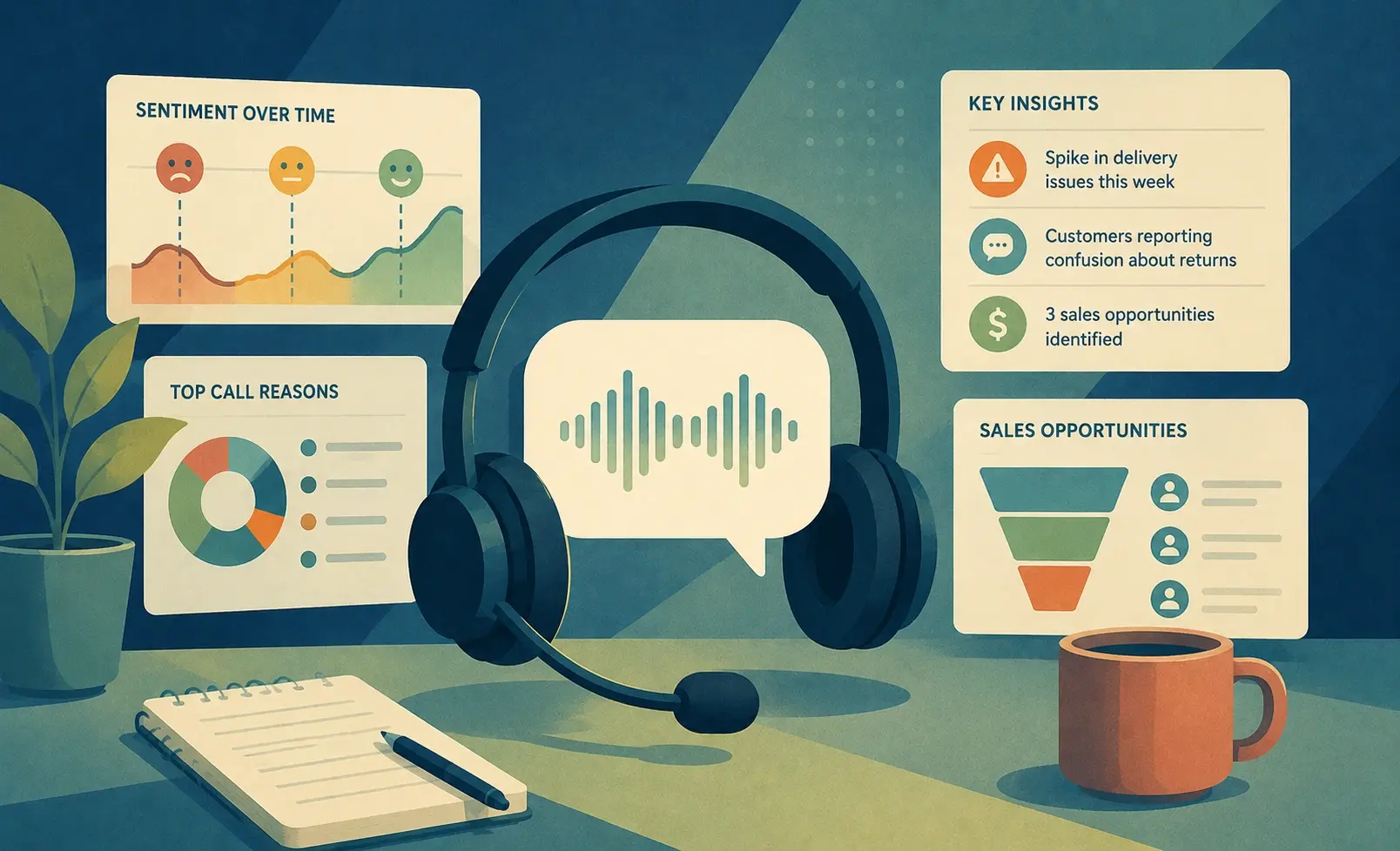
In today’s fast-paced business environment, effective communication is paramount. AI-powered tools streamline the public speaking training process, allowing organizations to evaluate and enhance the skills of their employees at scale. For instance, platforms like Insight7 utilize AI to automatically assess customer-facing conversations, scoring interactions based on criteria such as tone, empathy, and resolution effectiveness. This not only provides consistent and unbiased quality assurance insights but also helps identify areas for improvement across teams.
Moreover, AI can generate actionable coaching insights from real conversations, tracking agent performance and pinpointing skill gaps. This targeted approach to coaching ensures that employees receive personalized feedback, which is crucial for their development. By continuously monitoring quality and compliance, organizations can refine their training programs and adapt them to meet the evolving needs of their workforce.
The ability to detect customer sentiment and identify upsell opportunities in real time further enhances the training experience. Employees can learn to navigate customer interactions more effectively, improving their overall communication skills. Additionally, AI tools can surface recurring issues and product gaps, allowing teams to address customer pain points proactively. This not only boosts service quality but also fosters a more engaged and satisfied workforce.
AI's multilingual support is another significant advantage, enabling organizations to evaluate global conversations accurately. This feature is particularly beneficial for multinational companies, ensuring that all employees, regardless of their language proficiency, can access the same level of training and support. By breaking down language barriers, AI empowers diverse teams to communicate more effectively and confidently.
In summary, AI enhances corporate public speaking training at scale by providing personalized coaching, actionable insights, and continuous performance monitoring. By leveraging these advanced tools, organizations can create a culture of effective communication, leading to improved employee performance and engagement. As companies continue to embrace AI technology, the potential for enhancing public speaking skills across their workforce will only grow, paving the way for more confident and capable communicators in the business world.
Comparison Table
AI enhances corporate public speaking training at scale by providing personalized coaching, actionable insights, and continuous performance monitoring. Through advanced analytics, AI-powered tools can evaluate speech delivery, detect emotional cues, and offer tailored feedback, making it easier for employees to refine their communication skills. This technology allows organizations to implement consistent training programs that adapt to the unique needs of their teams, ensuring that every employee, regardless of location or experience level, can access high-quality coaching. By leveraging AI, companies can foster a culture of effective communication, leading to improved performance, increased confidence, and better engagement in public speaking scenarios.
AI-powered tools streamline the public speaking training process, enabling organizations to evaluate and enhance employee skills effectively. For instance, platforms like Insight7 automatically assess customer-facing conversations, scoring interactions based on criteria such as tone, empathy, and resolution effectiveness. This provides consistent quality assurance insights and helps identify areas for improvement across teams.
Moreover, AI generates actionable coaching insights from real conversations, tracking agent performance and pinpointing skill gaps. This targeted approach ensures that employees receive personalized feedback crucial for their development. Continuous monitoring of quality and compliance allows organizations to refine their training programs to meet the evolving needs of their workforce.
AI's ability to detect customer sentiment and identify upsell opportunities in real time further enhances the training experience. Employees learn to navigate customer interactions more effectively, improving their overall communication skills. Additionally, AI tools can surface recurring issues and product gaps, allowing teams to proactively address customer pain points, thus boosting service quality and fostering a more engaged workforce.
Multilingual support is another significant advantage of AI, enabling organizations to evaluate global conversations accurately. This feature is particularly beneficial for multinational companies, ensuring that all employees, regardless of language proficiency, can access the same level of training and support. By breaking down language barriers, AI empowers diverse teams to communicate more effectively and confidently.
In summary, AI enhances corporate public speaking training at scale by providing personalized coaching, actionable insights, and continuous performance monitoring. By leveraging these advanced tools, organizations can create a culture of effective communication, leading to improved employee performance and engagement. As companies continue to embrace AI technology, the potential for enhancing public speaking skills across their workforce will only grow, paving the way for more confident and capable communicators in the business world.
Selection Criteria
AI enhances corporate public speaking training at scale by delivering personalized coaching, actionable insights, and continuous performance monitoring. By utilizing advanced analytics, AI-powered tools can evaluate speech delivery, detect emotional cues, and provide tailored feedback, making it easier for employees to refine their communication skills. This technology allows organizations to implement consistent training programs that adapt to the unique needs of their teams, ensuring that every employee, regardless of location or experience level, can access high-quality coaching.
In today’s fast-paced business environment, effective communication is paramount. AI-powered tools streamline the public speaking training process, enabling organizations to evaluate and enhance employee skills effectively. For instance, platforms like Insight7 automatically assess customer-facing conversations, scoring interactions based on criteria such as tone, empathy, and resolution effectiveness. This provides consistent quality assurance insights and helps identify areas for improvement across teams.
Moreover, AI generates actionable coaching insights from real conversations, tracking agent performance and pinpointing skill gaps. This targeted approach ensures that employees receive personalized feedback crucial for their development. Continuous monitoring of quality and compliance allows organizations to refine their training programs to meet the evolving needs of their workforce.
AI's ability to detect customer sentiment and identify upsell opportunities in real time further enhances the training experience. Employees learn to navigate customer interactions more effectively, improving their overall communication skills. Additionally, AI tools can surface recurring issues and product gaps, allowing teams to proactively address customer pain points, thus boosting service quality and fostering a more engaged workforce.
Multilingual support is another significant advantage of AI, enabling organizations to evaluate global conversations accurately. This feature is particularly beneficial for multinational companies, ensuring that all employees, regardless of language proficiency, can access the same level of training and support. By breaking down language barriers, AI empowers diverse teams to communicate more effectively and confidently.
In summary, AI enhances corporate public speaking training at scale by providing personalized coaching, actionable insights, and continuous performance monitoring. By leveraging these advanced tools, organizations can create a culture of effective communication, leading to improved employee performance and engagement. As companies continue to embrace AI technology, the potential for enhancing public speaking skills across their workforce will only grow, paving the way for more confident and capable communicators in the business world.
Implementation Guide
AI enhances corporate public speaking training at scale by offering personalized coaching, actionable insights, and continuous performance monitoring. By leveraging advanced analytics, AI-powered tools can evaluate speech delivery, detect emotional cues, and provide tailored feedback, making it easier for employees to refine their communication skills. This technology allows organizations to implement consistent training programs that adapt to the unique needs of their teams, ensuring that every employee, regardless of location or experience level, can access high-quality coaching.
In the fast-paced business environment, effective communication is crucial. AI tools streamline the public speaking training process by automatically assessing customer-facing conversations, scoring interactions based on tone, empathy, and resolution effectiveness. This provides consistent quality assurance insights and identifies areas for improvement across teams.
Furthermore, AI generates actionable coaching insights from real conversations, tracking agent performance and pinpointing skill gaps. This targeted approach ensures employees receive personalized feedback essential for their development. Continuous monitoring of quality and compliance allows organizations to refine training programs to meet the evolving needs of their workforce.
AI's ability to detect customer sentiment and identify upsell opportunities in real time enhances the training experience. Employees learn to navigate customer interactions more effectively, improving their overall communication skills. Additionally, AI tools can surface recurring issues and product gaps, enabling teams to proactively address customer pain points, thus boosting service quality and fostering a more engaged workforce.
Multilingual support is another significant advantage of AI, allowing organizations to evaluate global conversations accurately. This feature is particularly beneficial for multinational companies, ensuring that all employees, regardless of language proficiency, can access the same level of training and support. By breaking down language barriers, AI empowers diverse teams to communicate more effectively and confidently.
In summary, AI enhances corporate public speaking training at scale by providing personalized coaching, actionable insights, and continuous performance monitoring. By leveraging these advanced tools, organizations can cultivate a culture of effective communication, leading to improved employee performance and engagement. As companies continue to embrace AI technology, the potential for enhancing public speaking skills across their workforce will only grow, paving the way for more confident and capable communicators in the business world.
Frequently Asked Questions
Frequently Asked Questions
Q: How does AI improve public speaking training for corporate teams?
A: AI enhances public speaking training by providing personalized coaching, actionable insights, and continuous performance monitoring, allowing employees to refine their communication skills effectively.
Q: What specific features do AI tools offer for public speaking training?
A: AI tools automatically evaluate speech delivery, detect emotional cues, and provide tailored feedback based on criteria such as tone, empathy, and resolution effectiveness.
Q: Can AI tools adapt to different employee needs?
A: Yes, AI-powered platforms can implement consistent training programs that adapt to the unique needs of teams, ensuring high-quality coaching for every employee, regardless of location or experience level.
Q: How does AI support multilingual communication in training?
A: AI offers multilingual support, enabling organizations to accurately evaluate global conversations and ensuring that all employees can access the same level of training and support, regardless of language proficiency.
Q: What impact does AI have on employee engagement and performance?
A: By providing personalized feedback and actionable insights, AI fosters a culture of effective communication, leading to improved employee performance, engagement, and overall service quality.