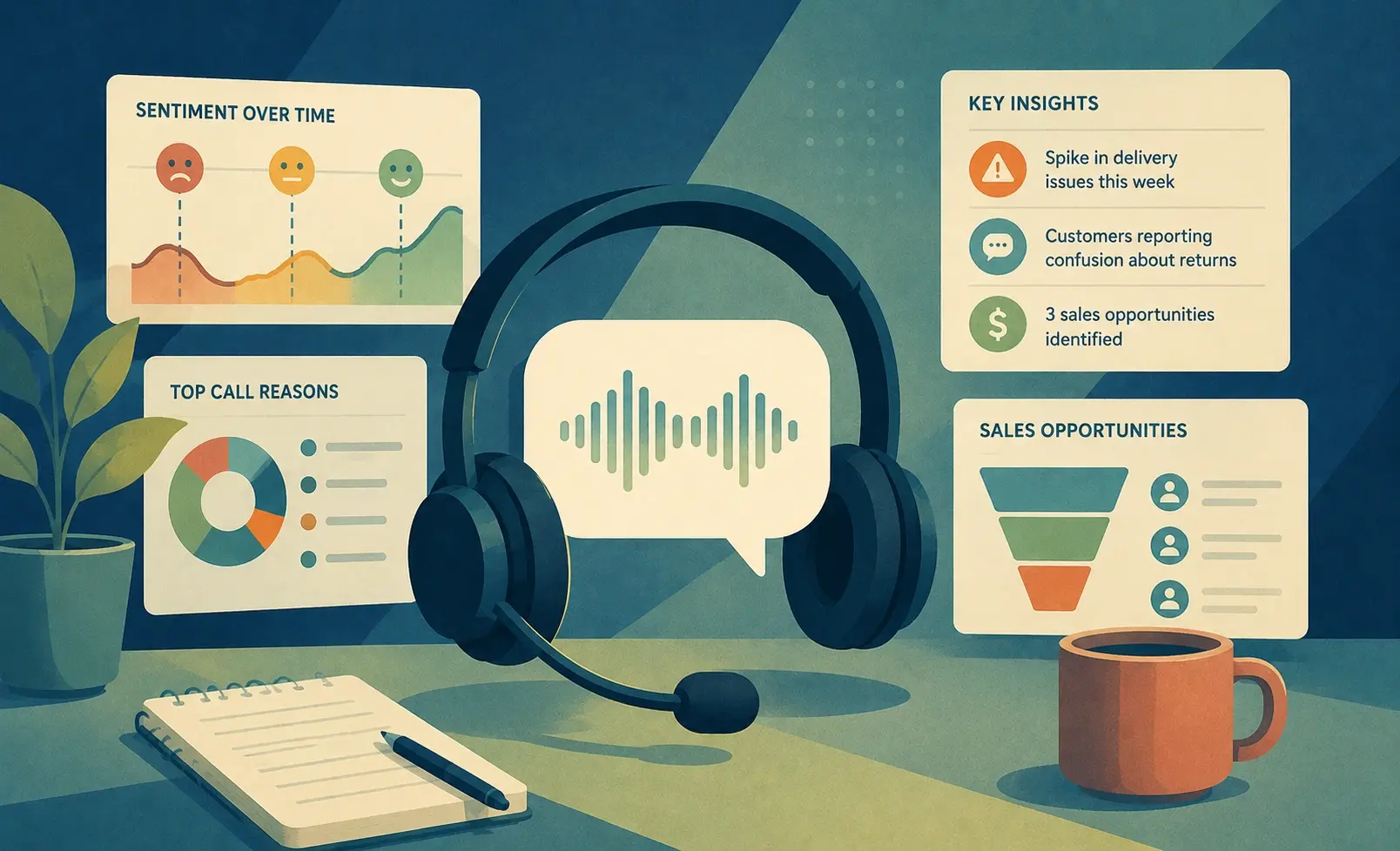
AI is revolutionizing leadership and public speaking training programs by providing personalized feedback, data-driven insights, and real-time coaching capabilities. With AI tools, leaders can enhance their communication skills, identify areas for improvement, and practice in a safe environment. These technologies analyze speech patterns, detect emotional nuances, and offer tailored recommendations, making training more effective and accessible. As a result, individuals can refine their public speaking abilities and leadership qualities, ensuring they connect authentically with their audience. This transformation not only boosts individual performance but also fosters a culture of continuous improvement within organizations. By leveraging AI, training programs can become more adaptive, engaging, and impactful, ultimately preparing leaders for the challenges of modern communication.
The Impact of AI on Leadership Training
AI is transforming leadership and public speaking training programs by offering personalized feedback, data-driven insights, and real-time coaching capabilities. With AI tools, leaders can enhance their communication skills, identify areas for improvement, and practice in a safe environment. These technologies analyze speech patterns, detect emotional nuances, and provide tailored recommendations, making training more effective and accessible. This transformation not only boosts individual performance but also fosters a culture of continuous improvement within organizations, ensuring leaders connect authentically with their audience.
AI-powered call analytics platforms like Insight7 exemplify this transformation. By automatically evaluating customer interactions, these tools help leaders uncover insights that drive revenue and improve service quality. They provide consistent, unbiased quality assurance insights, enabling leaders to coach team members effectively. Furthermore, the ability to track performance and identify skill gaps allows for targeted coaching recommendations, enhancing overall training programs. As a result, organizations can create a more adaptive and engaging training environment, ultimately preparing leaders for the challenges of modern communication.
Q: How does AI enhance leadership training?
A: AI enhances leadership training by providing personalized feedback, analyzing speech patterns, and offering real-time coaching, which helps leaders improve their communication skills effectively.
Q: What role does AI play in public speaking training?
A: AI plays a crucial role in public speaking training by detecting emotional nuances and providing tailored recommendations, allowing individuals to refine their skills in a supportive environment.
Q: How can organizations benefit from AI in training programs?
A: Organizations can benefit from AI in training programs by fostering continuous improvement, enhancing individual performance, and creating a more adaptive and engaging training environment.
The Role of AI in Enhancing Public Speaking Skills
AI is transforming leadership and public speaking training programs by providing innovative solutions that enhance the effectiveness of training initiatives. By leveraging AI-powered tools, organizations can offer personalized feedback, analyze communication patterns, and deliver real-time coaching, which significantly improves the learning experience for leaders and aspiring public speakers. This technology not only identifies areas for improvement but also fosters a culture of continuous learning, ensuring that individuals can connect authentically with their audience.
In the realm of leadership training, AI plays a pivotal role by automating the evaluation of customer interactions. Platforms like Insight7 enable leaders to uncover actionable insights from conversations, driving revenue and improving service quality. By automatically assessing calls for sentiment, empathy, and resolution effectiveness, these tools provide unbiased quality assurance insights that empower leaders to coach their teams effectively. Furthermore, the ability to track performance over time and identify skill gaps allows for targeted coaching recommendations, enhancing the overall training programs.
AI also revolutionizes public speaking training by offering a safe environment for practice and feedback. Through advanced analytics, AI tools can detect emotional nuances in speech and provide tailored recommendations that help individuals refine their delivery. This immediate feedback loop not only boosts confidence but also equips speakers with the skills necessary to engage their audience effectively.
As organizations embrace AI in their training programs, they can create more adaptive and engaging learning environments. This transformation prepares leaders for the challenges of modern communication, ensuring they are equipped to navigate complex interactions and foster meaningful connections. By integrating AI into leadership and public speaking training, companies can enhance individual performance and cultivate a culture of continuous improvement that benefits the entire organization.
Q: How does AI enhance leadership training?
A: AI enhances leadership training by providing personalized feedback, analyzing speech patterns, and offering real-time coaching, which helps leaders improve their communication skills effectively.
Q: What role does AI play in public speaking training?
A: AI plays a crucial role in public speaking training by detecting emotional nuances and providing tailored recommendations, allowing individuals to refine their skills in a supportive environment.
Q: How can organizations benefit from AI in training programs?
A: Organizations can benefit from AI in training programs by fostering continuous improvement, enhancing individual performance, and creating a more adaptive and engaging training environment.
Comparison Table
AI is revolutionizing leadership and public speaking training programs by providing personalized feedback, real-time coaching, and data-driven insights. These advancements enable leaders to enhance their communication skills, identify areas for improvement, and practice in a supportive environment. AI tools analyze speech patterns, detect emotional nuances, and offer tailored recommendations, making training more effective and accessible. This transformation not only boosts individual performance but also fosters a culture of continuous improvement within organizations, ensuring leaders can connect authentically with their audience.
AI-powered call analytics platforms, such as Insight7, exemplify this transformation by automatically evaluating customer interactions. These tools help leaders uncover actionable insights that drive revenue and improve service quality. By assessing calls for sentiment, empathy, and resolution effectiveness, Insight7 provides unbiased quality assurance insights that empower leaders to coach their teams effectively. Additionally, the ability to track performance over time and identify skill gaps allows for targeted coaching recommendations, enhancing overall training programs. As organizations integrate AI into their training initiatives, they create adaptive and engaging learning environments, preparing leaders for the complexities of modern communication.
Q: How does AI enhance leadership training?
A: AI enhances leadership training by providing personalized feedback, analyzing speech patterns, and offering real-time coaching, which helps leaders improve their communication skills effectively.
Q: What role does AI play in public speaking training?
A: AI plays a crucial role in public speaking training by detecting emotional nuances and providing tailored recommendations, allowing individuals to refine their skills in a supportive environment.
Q: How can organizations benefit from AI in training programs?
A: Organizations can benefit from AI in training programs by fostering continuous improvement, enhancing individual performance, and creating a more adaptive and engaging training environment.
Selection Criteria
Selection Criteria
AI is transforming leadership and public speaking training programs by enhancing the effectiveness of training initiatives through personalized feedback and real-time coaching. The selection criteria for effective AI tools in these programs should include capabilities such as automated call evaluation, sentiment detection, and performance tracking. These features allow organizations to analyze communication patterns and identify areas for improvement, fostering a culture of continuous learning. Additionally, the ability to deliver unbiased quality assurance insights empowers leaders to coach their teams effectively. Tools that offer multilingual support and enterprise-grade security are also essential, ensuring that organizations can operate globally while maintaining compliance. Ultimately, the right AI solutions should create adaptive learning environments that prepare leaders for modern communication challenges.
Frequently Asked Questions
Q: How does AI enhance leadership training?
A: AI enhances leadership training by providing personalized feedback, analyzing speech patterns, and offering real-time coaching, which helps leaders improve their communication skills effectively.
Q: What role does AI play in public speaking training?
A: AI plays a crucial role in public speaking training by detecting emotional nuances and providing tailored recommendations, allowing individuals to refine their skills in a supportive environment.
Q: How can organizations benefit from AI in training programs?
A: Organizations can benefit from AI in training programs by fostering continuous improvement, enhancing individual performance, and creating a more adaptive and engaging training environment.
Q: What are the key features to look for in AI tools for training?
A: Key features to look for include automated call evaluation, sentiment detection, performance tracking, and multilingual support, ensuring comprehensive analysis and effective coaching.
Q: How does AI contribute to team coaching and performance management?
A: AI contributes to team coaching and performance management by generating actionable insights from conversations, tracking agent performance over time, and identifying skill gaps for targeted coaching recommendations.