Public speaking anxiety is a common challenge that many individuals face, but with the advent of artificial intelligence (AI), there are innovative techniques available to help manage these nerves effectively. This article will explore how AI can provide personalized feedback, simulate practice scenarios, and offer real-time coaching to enhance public speaking skills. By leveraging AI tools, speakers can receive constructive insights on their delivery, tone, and body language, helping them build confidence and reduce anxiety. As we delve into these AI-driven strategies, you'll discover practical methods to transform your public speaking experience from daunting to empowering, ensuring you can communicate your ideas with clarity and poise.
Public speaking often evokes feelings of anxiety and self-doubt, but understanding and managing these emotions is crucial for effective communication. AI techniques can play a transformative role in this process. By utilizing AI-powered platforms, individuals can practice their speeches in a safe environment, receive instant feedback on their performance, and identify areas for improvement. These tools analyze various aspects of delivery, such as pacing, tone, and use of filler words, allowing speakers to refine their skills and approach. Furthermore, AI can simulate audience reactions, providing a realistic practice experience that helps desensitize speakers to their fears. Embracing these AI techniques not only calms nerves but also empowers individuals to present confidently and authentically.
AI Techniques for Managing Public Speaking Anxiety
Public speaking anxiety is a prevalent issue that many individuals encounter, but AI techniques offer innovative solutions to help manage these nerves effectively. By leveraging AI-powered tools, speakers can practice their presentations in a supportive environment, receive immediate feedback on their performance, and identify areas for improvement. These tools analyze various aspects of delivery, including pacing, tone, and the use of filler words, allowing speakers to refine their skills and approach. Furthermore, AI can simulate audience reactions, providing a realistic practice experience that helps desensitize speakers to their fears. Embracing these AI techniques not only calms nerves but also empowers individuals to present confidently and authentically.
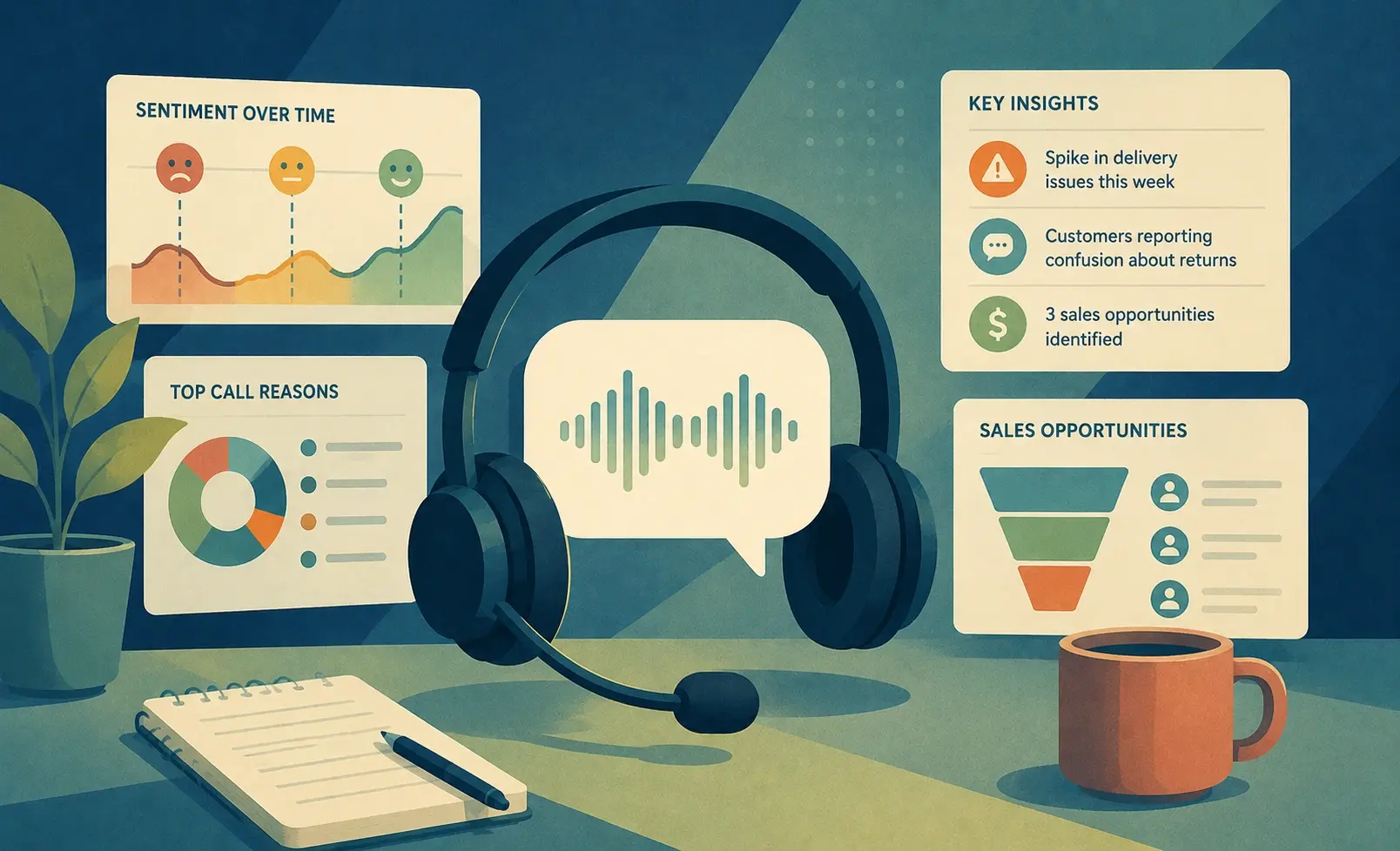
AI techniques for managing public speaking anxiety focus on personalized feedback and real-time coaching, which can significantly enhance a speaker's confidence. For instance, platforms that utilize AI call analytics can evaluate practice sessions by scoring interactions against custom quality criteria. This evaluation includes detecting sentiment and empathy, which are crucial for effective communication. By receiving consistent and unbiased insights, speakers can understand how their delivery affects audience engagement and make necessary adjustments.
Moreover, AI-driven coaching recommendations can help identify skill gaps and suggest targeted improvements. For example, if a speaker tends to rush through their presentation, the AI can highlight this issue and provide strategies to slow down and emphasize key points. This personalized approach not only addresses specific anxieties but also fosters a growth mindset, encouraging speakers to view challenges as opportunities for development.
Another significant advantage of AI in public speaking is its ability to simulate various audience scenarios. By practicing in front of a virtual audience, speakers can experience different reactions and learn to adapt their delivery accordingly. This exposure helps reduce the fear of judgment and builds resilience, making it easier to handle unexpected situations during actual presentations.
In addition to practice and feedback, AI tools can also assist in refining content. For instance, speakers can use AI to analyze the clarity and impact of their message, ensuring that their ideas are communicated effectively. This not only boosts the speaker's confidence but also enhances the overall quality of the presentation, making it more engaging for the audience.
In summary, AI techniques for managing public speaking anxiety provide a comprehensive approach to overcoming nerves and improving communication skills. By utilizing AI-powered platforms for practice, feedback, and content refinement, speakers can transform their public speaking experiences from daunting to empowering. Embracing these innovative tools not only calms nerves but also equips individuals with the skills needed to communicate their ideas with clarity and poise.
Comparison Table
Comparison Table
| AI Technique | Description | Benefits | Use Cases |
|---|---|---|---|
| AI-Powered Call Evaluation | Automatically evaluates customer-facing conversations for tone, empathy, and resolution effectiveness. | Provides unbiased insights, helping speakers understand their delivery and audience engagement. | Practice sessions for public speaking. |
| Real-Time Coaching | Offers personalized feedback during practice sessions, identifying specific areas for improvement. | Builds confidence by addressing individual anxieties and fostering a growth mindset. | Speech rehearsals and presentations. |
| Audience Simulation | Creates virtual audience scenarios to help speakers adapt their delivery based on audience reactions. | Reduces fear of judgment and builds resilience in handling unexpected situations. | Mock presentations and training sessions. |
| Content Refinement Tools | Analyzes the clarity and impact of a speaker's message to ensure effective communication. | Enhances overall presentation quality, making it more engaging for the audience. | Speech writing and editing. |
| Performance Dashboards | Visualizes trends and performance metrics to track improvement over time. | Helps speakers benchmark their progress and identify skill gaps for targeted coaching. | Ongoing skill development and training programs. |
Selection Criteria
Selection Criteria
When evaluating AI techniques for managing public speaking anxiety, consider the following selection criteria:
-
Personalization: The ability of the AI tool to provide tailored feedback based on individual performance metrics, such as pacing, tone, and use of filler words, is crucial. This personalization helps speakers understand their unique challenges and areas for improvement.
-
Real-Time Feedback: Look for platforms that offer immediate coaching insights during practice sessions. Real-time feedback can significantly enhance a speaker's confidence by addressing specific anxieties as they arise.
-
Audience Simulation: The effectiveness of the AI tool in simulating various audience scenarios is vital. This feature helps speakers adapt their delivery to different reactions, reducing the fear of judgment and building resilience.
-
Content Refinement: Evaluate whether the AI can assist in analyzing the clarity and impact of the speaker’s message. Tools that enhance content quality ensure that ideas are communicated effectively, boosting overall presentation engagement.
-
Performance Tracking: The ability to visualize trends and performance metrics over time is essential for ongoing development. Tools that provide dashboards for tracking progress can help speakers benchmark their improvement and identify skill gaps for targeted coaching.
Implementation Guide
Managing public speaking anxiety can be a daunting challenge, but AI techniques offer innovative solutions to help calm nerves and boost confidence. By leveraging AI-powered tools, speakers can receive personalized feedback, simulate audience interactions, and refine their content for clarity and impact. These technologies provide real-time coaching, allowing individuals to practice their delivery in a supportive environment while addressing specific anxieties. Additionally, performance tracking features help speakers visualize their progress over time, enabling them to identify areas for improvement. In this article, we will explore various AI techniques that can transform public speaking from a source of anxiety into an opportunity for growth and connection.
Public speaking anxiety is a common issue that affects many individuals, but AI techniques can effectively help manage these nerves. Here are some key strategies:
-
AI-Powered Call Evaluation: This technique automatically evaluates public speaking practice sessions, providing insights on tone, empathy, and resolution effectiveness. By understanding their delivery style, speakers can make necessary adjustments to engage their audience better.
-
Real-Time Coaching: AI tools offer immediate feedback during practice sessions, allowing speakers to address specific areas of anxiety as they arise. This real-time support builds confidence and encourages a growth mindset.
-
Audience Simulation: By creating virtual audience scenarios, AI helps speakers adapt their delivery based on audience reactions. This reduces the fear of judgment and builds resilience in handling unexpected situations.
-
Content Refinement Tools: These tools analyze the clarity and impact of a speaker's message, ensuring effective communication. By enhancing overall presentation quality, speakers can create more engaging experiences for their audience.
-
Performance Dashboards: Visualizing trends and performance metrics over time is essential for ongoing development. AI tools that provide dashboards help speakers benchmark their progress and identify skill gaps for targeted coaching.
By incorporating these AI techniques into their preparation, individuals can transform their public speaking experiences, turning anxiety into confidence and connection.
Frequently Asked Questions
Frequently Asked Questions
Q: What are AI techniques for managing public speaking anxiety?
A: AI techniques for managing public speaking anxiety include real-time coaching, audience simulation, and performance tracking, which help speakers refine their delivery and build confidence.
Q: How does AI provide real-time feedback during practice sessions?
A: AI tools analyze a speaker's performance in real-time, offering immediate insights on tone, pacing, and use of filler words, allowing for quick adjustments to enhance delivery.
Q: Can AI simulate audience reactions?
A: Yes, AI can create virtual audience scenarios that mimic various reactions, helping speakers practice their delivery and adapt to different situations, reducing the fear of judgment.
Q: How can AI help improve the clarity of my message?
A: AI-powered content refinement tools analyze the effectiveness of a speaker's message, ensuring that ideas are communicated clearly and engagingly, which boosts overall presentation quality.
Q: What role do performance dashboards play in public speaking preparation?
A: Performance dashboards visualize trends and metrics over time, enabling speakers to track their progress, identify skill gaps, and focus on targeted coaching for continuous improvement.