Crisis communication is essential for organizations to navigate challenging situations effectively. Practicing this skill can be significantly enhanced through AI coaching, which provides real-time feedback and insights. By leveraging AI-powered platforms, teams can simulate crisis scenarios, receive personalized coaching, and analyze communication effectiveness. This approach not only helps in honing skills like empathy and clarity but also identifies areas for improvement. In this article, we will explore how AI coaching can transform crisis communication practices, offering actionable strategies and tools to ensure your team is prepared to respond effectively in high-pressure situations.
In today’s fast-paced business environment, the ability to communicate effectively during a crisis is paramount. Organizations face various challenges that can arise unexpectedly, from public relations issues to operational disruptions. The stakes are high, and the right communication can make all the difference. AI coaching offers a unique solution by providing a safe space for teams to practice their responses, analyze their performance, and refine their messaging. By utilizing AI-driven insights, organizations can ensure that their crisis communication strategies are not only effective but also adaptable to the dynamic nature of modern challenges. Through this article, we will delve into the specific ways AI coaching can enhance crisis communication skills, leading to more confident and competent responses in times of need.
Essential Tools for Practicing Crisis Communication with AI Coaching
Practicing crisis communication using AI coaching can significantly enhance an organization's ability to respond effectively during challenging situations. By leveraging AI-powered platforms, teams can simulate crisis scenarios, receive personalized feedback, and analyze their communication effectiveness. This approach not only helps in honing essential skills like empathy and clarity but also identifies areas for improvement, ensuring that teams are well-prepared to navigate high-pressure situations.
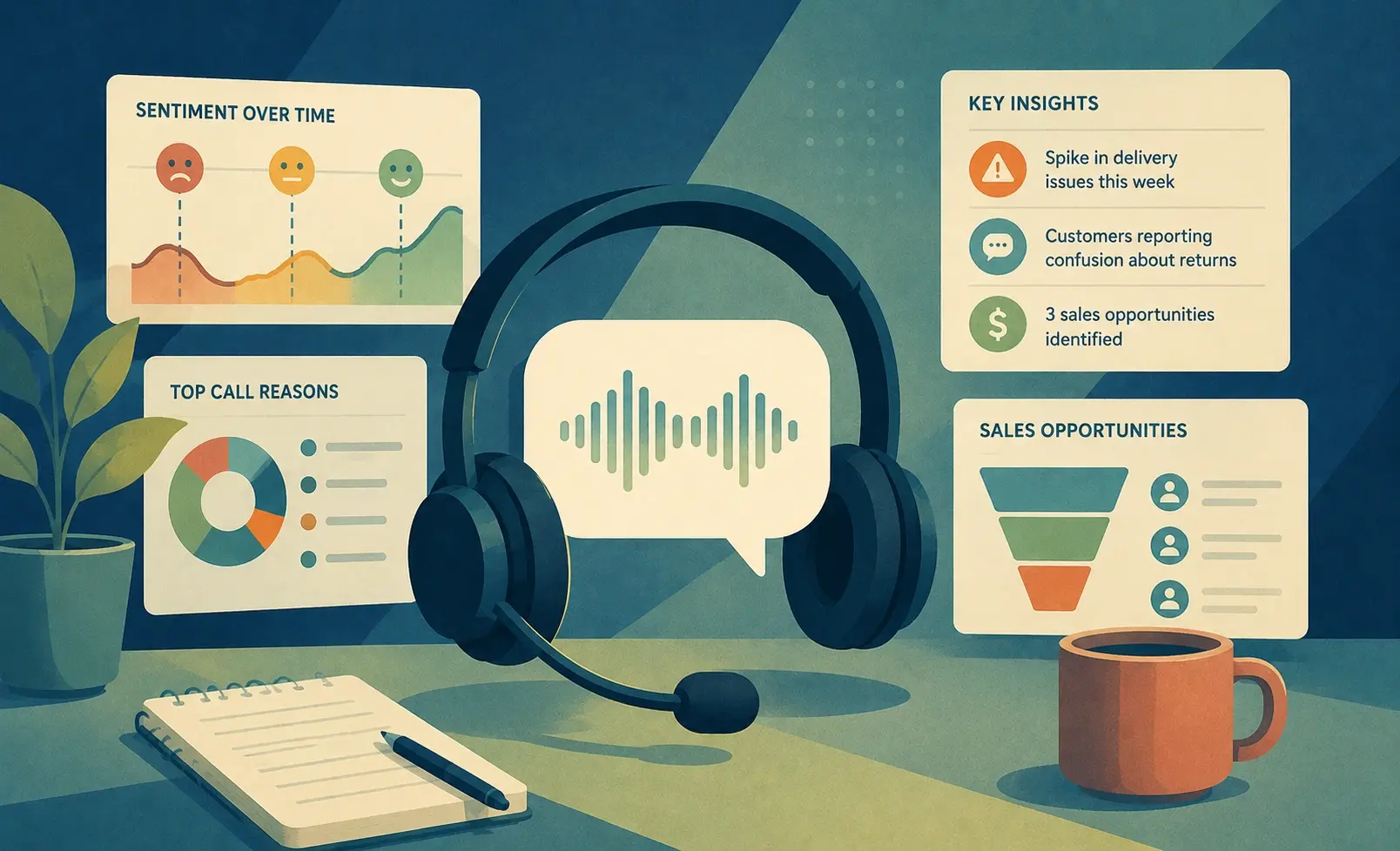
To practice crisis communication effectively with AI coaching, organizations can utilize AI-powered call analytics platforms like Insight7. These platforms automatically evaluate customer interactions, scoring them against custom quality criteria while detecting sentiment, empathy, and resolution effectiveness. This capability allows leaders to gain insights into team performance and identify skill gaps, enabling targeted coaching recommendations that refine communication strategies.
One effective way to practice crisis communication is through role-playing scenarios. AI coaching platforms can simulate various crisis situations, allowing team members to practice their responses in a safe environment. For instance, customer-facing teams can engage in simulated calls where they must address a crisis, such as a product recall or a public relations issue. The AI evaluates their performance in real-time, providing feedback on tone, empathy, and clarity, which helps team members improve their communication skills.
Another essential aspect of practicing crisis communication is analyzing past interactions. AI platforms like Insight7 can automatically evaluate 100% of customer calls, providing insights into recurring pain points and sentiment trends. By reviewing these interactions, teams can identify what worked well and what didn’t during previous crises, allowing them to refine their messaging and approach for future situations.
Moreover, AI coaching can help track agent performance over time, enabling organizations to monitor improvements and ensure that team members are consistently applying the skills they have learned. This continuous performance management fosters a culture of accountability and growth, where team members are encouraged to develop their crisis communication skills further.
In addition to role-playing and performance analysis, organizations can utilize AI-driven coaching recommendations to personalize training programs. By generating actionable insights from real conversations, AI can suggest specific areas for improvement tailored to individual team members. This personalized approach ensures that each team member receives the guidance they need to enhance their crisis communication skills effectively.
Finally, it is crucial to foster a supportive environment where team members feel comfortable practicing their skills. AI coaching provides a judgment-free zone where individuals can experiment with different communication styles and approaches without the fear of negative repercussions. This safe space encourages creativity and confidence, essential components of effective crisis communication.
In summary, practicing crisis communication using AI coaching involves simulating crisis scenarios, analyzing past interactions, tracking performance, and providing personalized coaching recommendations. By leveraging AI-powered platforms like Insight7, organizations can enhance their team's communication skills, ensuring they are well-prepared to respond effectively during crises. This proactive approach not only improves individual performance but also strengthens the organization's overall crisis management capabilities.
Comparison Table
Practicing crisis communication using AI coaching can significantly enhance an organization's ability to respond effectively during challenging situations. By leveraging AI-powered platforms like Insight7, teams can simulate crisis scenarios, receive personalized feedback, and analyze their communication effectiveness. This approach helps hone essential skills such as empathy and clarity while identifying areas for improvement, ensuring teams are well-prepared to navigate high-pressure situations.
AI coaching allows for role-playing various crisis scenarios, enabling team members to practice their responses in a safe environment. Insight7 automatically evaluates customer interactions, providing insights into sentiment, empathy, and resolution effectiveness. By analyzing past interactions and tracking performance over time, organizations can foster a culture of accountability and growth, ensuring continuous improvement in crisis communication skills. This proactive approach not only enhances individual performance but also strengthens the organization's overall crisis management capabilities.
Selection Criteria
Selection Criteria
To effectively practice crisis communication using AI coaching, organizations should consider several key selection criteria. First, the AI platform must offer robust call analytics capabilities, allowing for the automatic evaluation of customer interactions to assess sentiment, empathy, and resolution effectiveness. This ensures that team members receive actionable insights based on real conversations.
Next, the platform should facilitate role-playing scenarios that simulate various crisis situations, enabling team members to practice their responses in a safe environment. Continuous performance tracking is essential, as it allows organizations to monitor improvements over time and foster a culture of accountability and growth.
Additionally, personalized coaching recommendations tailored to individual team members can enhance training programs, ensuring that each member develops the necessary skills for effective crisis communication. Finally, a supportive environment is crucial, where team members feel comfortable experimenting with different communication styles without fear of negative repercussions.
Implementation Guide
To practice crisis communication using AI coaching, organizations should leverage platforms like Insight7 that provide robust call analytics and personalized feedback. By simulating crisis scenarios, team members can role-play their responses in a safe environment, enhancing their communication skills under pressure. The AI platform evaluates interactions to assess sentiment, empathy, and resolution effectiveness, offering actionable insights for improvement. Continuous performance tracking fosters accountability and growth, while tailored coaching recommendations ensure that each team member develops the necessary skills for effective crisis management. This proactive approach not only strengthens individual capabilities but also enhances the organization's overall readiness to navigate challenging situations.
Q: How can AI coaching improve crisis communication skills?
A: AI coaching enhances crisis communication skills by providing personalized feedback, simulating crisis scenarios for practice, and offering insights into sentiment and empathy during interactions.
Q: What features should I look for in an AI coaching platform?
A: Look for robust call analytics, role-playing capabilities, continuous performance tracking, and personalized coaching recommendations to effectively develop crisis communication skills.
Q: How does role-playing help in crisis communication training?
A: Role-playing allows team members to practice their responses in a safe environment, helping them build confidence and refine their communication strategies for real-life crises.
Q: Why is continuous performance tracking important?
A: Continuous performance tracking is essential for monitoring improvements over time, fostering a culture of accountability, and ensuring ongoing development in crisis communication skills.
Q: What role does sentiment analysis play in crisis communication?
A: Sentiment analysis helps identify emotional responses during customer interactions, allowing teams to understand and improve their empathy and resolution effectiveness in crisis situations.
Frequently Asked Questions
Frequently Asked Questions
Q: How can AI coaching improve crisis communication skills?
A: AI coaching enhances crisis communication skills by providing personalized feedback, simulating crisis scenarios for practice, and offering insights into sentiment and empathy during interactions.
Q: What features should I look for in an AI coaching platform?
A: Look for robust call analytics, role-playing capabilities, continuous performance tracking, and personalized coaching recommendations to effectively develop crisis communication skills.
Q: How does role-playing help in crisis communication training?
A: Role-playing allows team members to practice their responses in a safe environment, helping them build confidence and refine their communication strategies for real-life crises.
Q: Why is continuous performance tracking important?
A: Continuous performance tracking is essential for monitoring improvements over time, fostering a culture of accountability, and ensuring ongoing development in crisis communication skills.
Q: What role does sentiment analysis play in crisis communication?
A: Sentiment analysis helps identify emotional responses during customer interactions, allowing teams to understand and improve their empathy and resolution effectiveness in crisis situations.