In today's competitive business landscape, effective presentation skills are essential for employees at all levels. Presentation Skills Training for Employees at Scale equips teams with the tools and techniques necessary to communicate ideas clearly and persuasively, enhancing overall performance and engagement. This training not only boosts individual confidence but also fosters a culture of effective communication within organizations. By leveraging technology and tailored content, companies can implement scalable training programs that address diverse employee needs, ensuring that everyone from new hires to seasoned executives can present with impact. In this article, we will explore the importance of presentation skills training, strategies for scaling such initiatives, and the benefits of investing in employee development to drive business success.
Essential Tools for Scaling Presentation Skills Training
Scaling Presentation Skills Training for Employees at Scale requires a strategic approach that leverages technology, tailored content, and continuous feedback mechanisms. By integrating AI-powered tools like Insight7, organizations can enhance their training programs, ensuring that employees not only learn effective presentation techniques but also receive ongoing support and evaluation. This section will explore essential tools and strategies for implementing scalable presentation skills training, focusing on how organizations can maximize the impact of their training initiatives.
One of the most effective ways to scale presentation skills training is through the use of AI-powered analytics platforms. Insight7, for example, offers AI-driven call evaluation and quality assurance automation that can be adapted for presentation training. By automatically evaluating recorded presentations or practice sessions, organizations can provide employees with unbiased feedback on their delivery, tone, and engagement levels. This technology allows trainers to assess 100% of presentations, ensuring that every employee receives constructive feedback tailored to their specific needs.
In addition to AI evaluation, organizations can implement performance management systems that track individual progress over time. Insight7’s coaching and performance management capabilities can help identify skill gaps in presentation abilities and suggest targeted coaching recommendations. By continuously monitoring employee performance, organizations can adapt their training programs to address specific weaknesses, ensuring that employees are always improving and developing their presentation skills.
Another critical component of scaling presentation skills training is the use of multilingual support. In today’s globalized workforce, employees may come from diverse linguistic backgrounds. Insight7’s multilingual capabilities allow organizations to evaluate presentations in various languages, ensuring that all employees can participate in training programs effectively. This inclusivity not only enhances learning outcomes but also fosters a sense of belonging among team members.
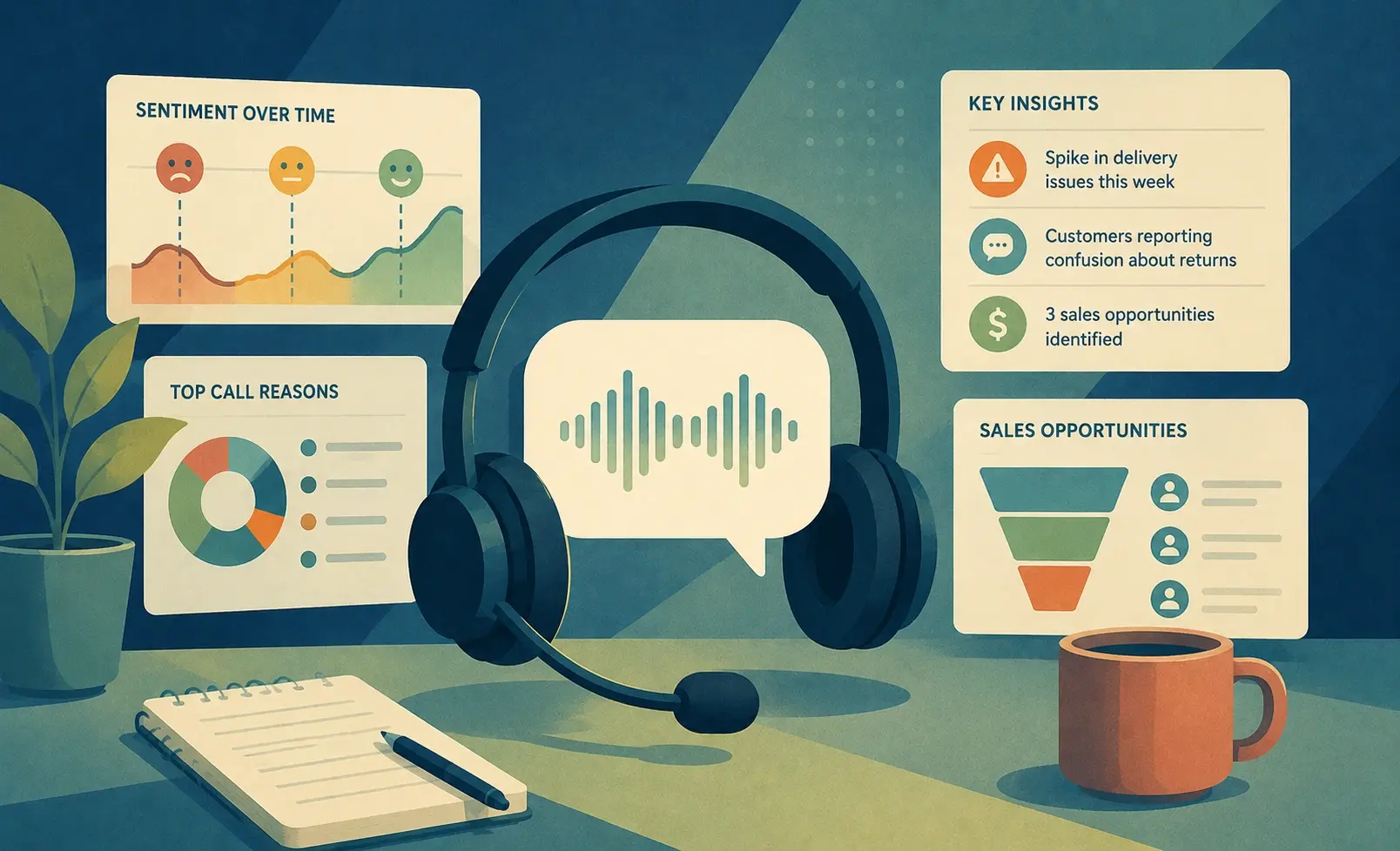
To further enhance the training experience, organizations can utilize performance dashboards that visualize trends across teams. These dashboards can highlight areas of strength and opportunities for improvement, making it easier for managers to identify high performers and those who may need additional support. By leveraging data-driven insights, organizations can create a culture of continuous learning and improvement, where employees are motivated to refine their presentation skills.
Role-playing and simulation tools are also essential for scaling presentation skills training. By incorporating practice scenarios where employees can rehearse their presentations in a safe environment, organizations can help build confidence and competence. AI-driven coaching tools can simulate real-life interactions, providing employees with the opportunity to practice their delivery and receive instant feedback. This hands-on approach not only reinforces learning but also prepares employees for actual presentations, reducing anxiety and increasing effectiveness.
Moreover, organizations should consider creating a library of resources that employees can access at any time. This could include recorded training sessions, best practice guides, and examples of effective presentations. By providing on-demand access to these materials, employees can continue to learn and refine their skills even after formal training sessions have concluded.
Finally, it is crucial to measure the impact of presentation skills training on overall business performance. Organizations should establish clear metrics to evaluate the effectiveness of their training programs, such as employee engagement levels, customer satisfaction scores, and sales performance. By linking presentation skills training to tangible business outcomes, organizations can justify their investment in employee development and demonstrate the value of effective communication.
In conclusion, scaling presentation skills training for employees at scale involves a multifaceted approach that incorporates AI technology, continuous feedback, and a commitment to ongoing learning. By utilizing tools like Insight7, organizations can create a robust training framework that not only enhances individual presentation skills but also drives overall business success. Investing in employee development in this way fosters a culture of effective communication, ultimately leading to improved performance and growth.
Comparison Table
Comparison Table
When considering Presentation Skills Training for Employees at Scale, Insight7 offers a unique advantage through its AI-powered analytics platform. Unlike traditional training methods, Insight7 automatically evaluates 100% of presentations, providing unbiased feedback on delivery, tone, and engagement. This ensures that all employees receive consistent coaching tailored to their specific needs. Additionally, the platform’s multilingual support allows organizations to conduct training across diverse linguistic backgrounds, enhancing inclusivity. Performance dashboards visualize trends and identify skill gaps, enabling targeted coaching recommendations. Furthermore, the integration of role-playing and simulation tools allows employees to practice in a safe environment, building confidence before actual presentations. Overall, Insight7 transforms presentation skills training into a scalable, data-driven initiative that drives employee performance and business growth.
Selection Criteria
Selection Criteria
When selecting a presentation skills training program for employees at scale, organizations should prioritize several key criteria. First, the program must incorporate AI-driven analytics, like those offered by Insight7, to provide unbiased evaluations of presentations, ensuring consistent feedback across all employees. Additionally, the training should feature multilingual support to accommodate diverse teams, fostering inclusivity and effective learning. Performance management capabilities are essential, allowing organizations to track individual progress and identify skill gaps over time. The inclusion of role-playing and simulation tools will enhance practical learning experiences, enabling employees to rehearse in a safe environment. Finally, the program should provide data-driven insights through performance dashboards, helping managers visualize trends and make informed coaching decisions.
Implementation Guide
Implementation Guide
To implement Presentation Skills Training for Employees at Scale effectively, organizations should leverage Insight7's AI-powered call analytics platform. Begin by integrating the platform into your training program to automatically evaluate presentation sessions, ensuring unbiased feedback on delivery, tone, and engagement. Utilize the multilingual support feature to cater to diverse teams, enhancing inclusivity and learning effectiveness. Establish performance dashboards to visualize trends and identify skill gaps across employees, allowing for targeted coaching recommendations. Incorporate role-playing and simulation tools to provide a safe environment for practice, enabling employees to build confidence before real presentations. Finally, continuously monitor and refine training programs based on data-driven insights to drive employee performance and foster business growth.
Frequently Asked Questions
Q: What is Presentation Skills Training for Employees at Scale?
A: Presentation Skills Training for Employees at Scale is a structured program designed to enhance employees' presentation abilities across an organization, utilizing tools like AI-driven analytics for unbiased feedback and performance tracking.
Q: How does AI improve presentation skills training?
A: AI enhances training by automatically evaluating presentations for tone, engagement, and delivery, providing consistent feedback that helps employees identify strengths and areas for improvement.
Q: Why is multilingual support important in training programs?
A: Multilingual support is crucial as it accommodates diverse teams, ensuring that all employees can engage with the training content effectively, regardless of their primary language.
Q: What role does performance management play in this training?
A: Performance management allows organizations to track individual progress, identify skill gaps, and tailor coaching recommendations, ensuring that employees receive the support they need to improve.
Q: How can role-playing and simulations benefit employees during training?
A: Role-playing and simulations provide a safe environment for employees to practice their presentation skills, build confidence, and receive immediate feedback, enhancing their learning experience.