Sales presentations are crucial for closing deals and driving revenue, making effective training in presentation skills essential for sales teams. This article will explore best practices for enhancing sales presentation skills through targeted training and practice. We will discuss the importance of role-playing scenarios, utilizing feedback mechanisms, and leveraging technology to refine delivery and content. By focusing on these elements, sales professionals can improve their confidence, engage their audience, and ultimately increase their success rates. As we delve into the specifics of sales presentation skills training, we will highlight actionable strategies that can be implemented immediately to elevate performance and achieve better results in customer interactions.
Essential Sales Presentation Skills Training Practices
Sales presentation skills training is a vital aspect of equipping sales teams with the tools they need to effectively engage clients and close deals. This training should focus on practical, hands-on practices that enhance presentation delivery, content mastery, and audience engagement. By incorporating role-playing scenarios, utilizing feedback mechanisms, and leveraging advanced technologies like AI-powered analytics, organizations can significantly improve their sales presentation outcomes. This section will explore essential training practices that can elevate sales presentation skills, ensuring that sales professionals are not only prepared but also confident in their delivery.
One of the most effective training practices is role-playing. This technique allows sales professionals to simulate real-life scenarios, enabling them to practice their presentations in a safe environment. Role-playing can help salespeople refine their messaging, improve their delivery, and develop strategies for handling objections. By engaging in these exercises, team members can receive immediate feedback from peers and trainers, which is crucial for identifying areas of improvement. This practice not only boosts confidence but also fosters a collaborative learning atmosphere where team members can learn from each other's experiences.
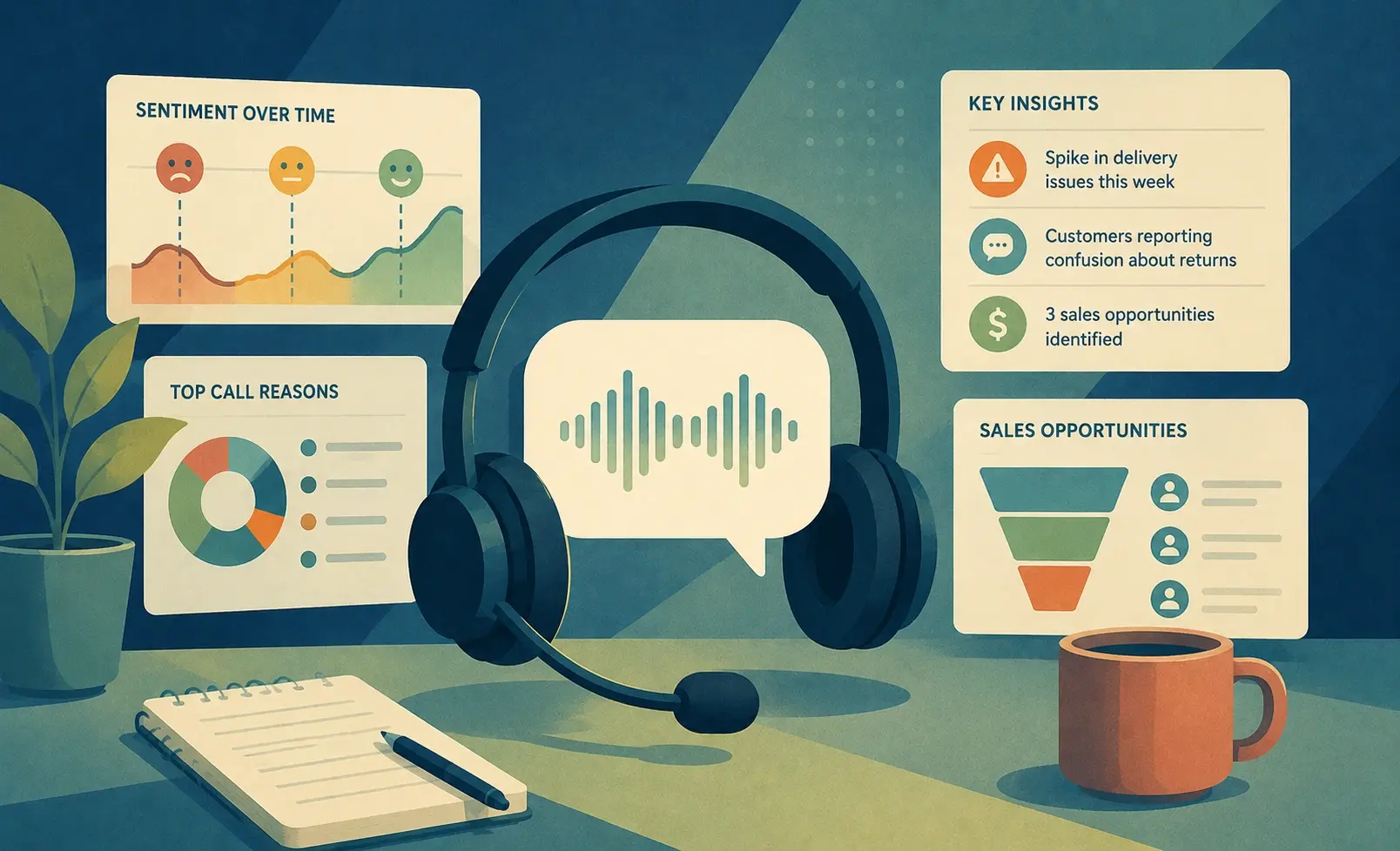
In addition to role-playing, incorporating AI-powered tools like Insight7 can enhance the training process. Insight7's AI-powered call analytics platform evaluates sales presentations by analyzing recorded calls. This technology automatically assesses interactions against custom quality criteria, providing insights into tone, empathy, and resolution effectiveness. By utilizing these insights, sales teams can identify trends in their presentations and receive personalized coaching recommendations. This data-driven approach ensures that training is tailored to the specific needs of each salesperson, allowing them to focus on areas that require improvement.
Feedback mechanisms are another critical component of effective sales presentation skills training. Regularly soliciting feedback from peers, managers, and even clients can provide valuable insights into how presentations are perceived. This feedback loop allows sales professionals to adjust their strategies and refine their content based on real-world interactions. By fostering a culture of continuous improvement, organizations can ensure that their sales teams are always evolving and adapting to meet the needs of their clients.
Moreover, the integration of performance management tools can significantly enhance the training process. By tracking agent performance over time, organizations can benchmark progress and identify skill gaps. These tools can also monitor quality and compliance, ensuring that sales presentations align with organizational standards. With a clear understanding of performance metrics, sales professionals can set specific goals for their presentations and work towards achieving them.
Another essential practice is to focus on the emotional aspect of presentations. Understanding customer sentiment and emotional responses during interactions can provide sales professionals with the insights needed to tailor their approach. By leveraging AI-driven sentiment detection tools, sales teams can gain a deeper understanding of their audience, allowing them to adjust their messaging and delivery style accordingly. This level of personalization can significantly enhance the effectiveness of sales presentations, leading to higher engagement and conversion rates.
Finally, training should also emphasize the importance of storytelling in sales presentations. Sales professionals should be encouraged to share customer success stories that resonate with their audience. By framing these stories around the specific needs and challenges faced by potential clients, salespeople can create a compelling narrative that captures attention and builds trust. This approach not only makes presentations more engaging but also demonstrates the value of the product or service being offered.
In conclusion, effective sales presentation skills training requires a multifaceted approach that incorporates role-playing, AI-powered analytics, feedback mechanisms, performance management, emotional intelligence, and storytelling. By implementing these essential practices, organizations can empower their sales teams to deliver impactful presentations that resonate with clients and drive revenue growth. Investing in these training practices will ultimately lead to improved sales performance and a stronger competitive edge in the market.
Comparison Table
Comparison Table
Sales presentation skills training is essential for equipping sales teams with the tools they need to effectively engage clients and close deals. Below is a comparison of key practices that enhance training effectiveness:
| Training Practice | Description | Benefits |
|---|---|---|
| Role-Playing | Simulates real-life scenarios for practice. | Boosts confidence, refines messaging, and develops objection-handling strategies. |
| AI-Powered Analytics | Utilizes platforms like Insight7 to evaluate presentations. | Provides data-driven insights on tone, empathy, and effectiveness, allowing for personalized coaching. |
| Feedback Mechanisms | Regularly solicits input from peers and clients. | Creates a culture of continuous improvement and allows for adjustments based on real-world interactions. |
| Performance Management Tools | Tracks agent performance and identifies skill gaps. | Enables benchmarking and ensures presentations align with organizational standards. |
| Emotional Intelligence | Focuses on understanding customer sentiment during interactions. | Enhances personalization in messaging, leading to higher engagement and conversion rates. |
| Storytelling | Encourages sharing customer success stories relevant to the audience. | Builds trust and makes presentations more engaging by framing solutions around client challenges. |
By integrating these practices, organizations can empower their sales teams to deliver impactful presentations that resonate with clients and drive revenue growth.
Selection Criteria
Selection Criteria
When selecting a training program for sales presentation skills, it's crucial to prioritize hands-on practice and feedback mechanisms. Look for programs that incorporate role-playing scenarios, allowing sales professionals to simulate real-life interactions and refine their messaging. Additionally, consider platforms like Insight7 that utilize AI-powered analytics to evaluate presentations, providing actionable insights on tone, empathy, and resolution effectiveness. Ensure the training includes regular feedback loops from peers and managers to foster continuous improvement. Performance management tools should also be integrated to track progress and identify skill gaps. Lastly, emphasize the importance of emotional intelligence and storytelling to create engaging presentations that resonate with clients. This multifaceted approach will empower sales teams to deliver impactful presentations and drive revenue growth.
Implementation Guide
To effectively implement sales presentation skills training, organizations should focus on integrating practical exercises, feedback mechanisms, and advanced analytics. Begin by incorporating role-playing scenarios that simulate real-life interactions, allowing sales professionals to practice their skills in a safe environment. Utilize AI-powered platforms like Insight7 to evaluate these presentations, providing insights on tone, empathy, and resolution effectiveness. Regular feedback loops from peers and managers are essential for fostering continuous improvement, while performance management tools help track progress and identify skill gaps. Emphasizing emotional intelligence and storytelling will further enhance engagement, making presentations more relatable and impactful. This comprehensive approach ensures that sales teams are well-equipped to connect with clients and drive revenue growth.
Frequently Asked Questions
Q: What is sales presentation skills training practice?
A: Sales presentation skills training practice involves structured exercises designed to enhance the effectiveness of sales professionals in delivering presentations. This includes role-playing scenarios, feedback mechanisms, and the use of analytics to refine skills.
Q: Why is role-playing important in sales presentation training?
A: Role-playing allows sales professionals to simulate real-life interactions, helping them practice their messaging and receive immediate feedback, which is crucial for skill development.
Q: How can AI tools enhance sales presentation training?
A: AI tools, like Insight7, can evaluate presentations for tone, empathy, and resolution effectiveness, providing actionable insights that help sales teams improve their delivery and engagement.
Q: What should be included in a sales presentation training program?
A: An effective program should include practical exercises, regular feedback from peers and managers, and performance management tools to track progress and identify skill gaps.
Q: How does emotional intelligence play a role in sales presentations?
A: Emotional intelligence is vital in sales presentations as it helps professionals connect with their audience, understand their needs, and deliver messages that resonate, ultimately driving engagement and sales.