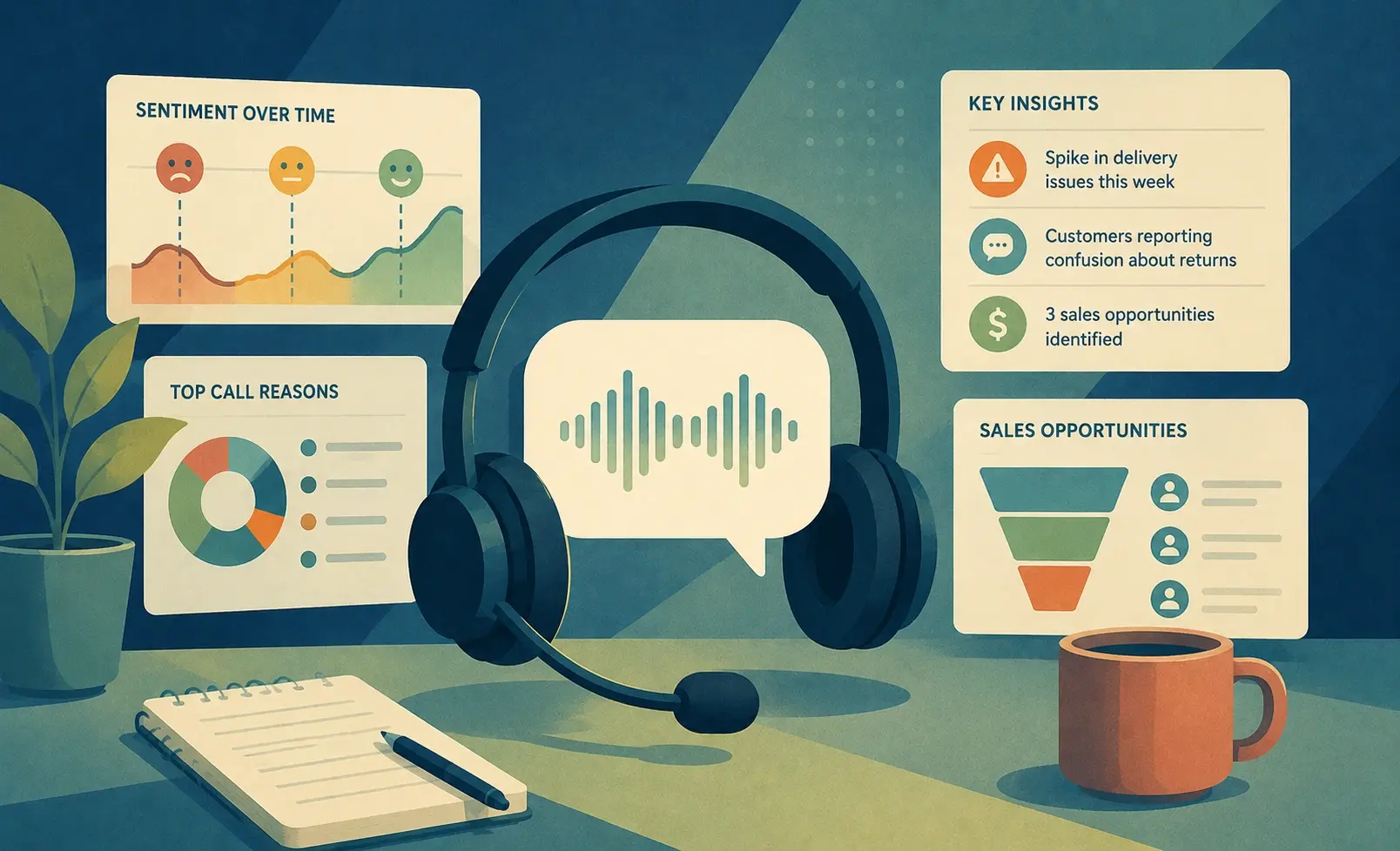
In today's competitive landscape, mastering sales presentation skills is essential for success, and AI is transforming how sales professionals train and improve. By leveraging AI-powered tools, sales teams can receive real-time feedback, analyze their performance, and refine their presentation techniques based on data-driven insights. This article explores how AI can enhance training programs, enabling sales professionals to identify strengths and weaknesses, practice effectively, and ultimately deliver more impactful presentations. With features like sentiment detection and personalized coaching recommendations, AI not only streamlines the training process but also empowers sales teams to engage customers more effectively, driving revenue growth and improving service quality. Join us as we delve into the innovative ways AI is reshaping sales training and presentation skills.
AI Tools for Enhancing Sales Presentation Skills
Training for sales presentation skills with AI is revolutionizing how sales professionals prepare and perform. By integrating AI-powered tools into training programs, sales teams can receive real-time feedback, analyze their performance, and refine their presentation techniques based on actionable insights. This approach not only enhances individual skills but also drives overall team performance, leading to increased revenue and improved customer experiences.
AI tools like Insight7's call analytics platform provide a robust framework for evaluating sales presentations. By automatically assessing customer interactions, these tools score conversations against custom quality criteria, detecting elements such as sentiment, empathy, and resolution effectiveness. This level of analysis allows sales professionals to understand their strengths and weaknesses in real-time, enabling targeted improvements.
One of the key benefits of AI in training is its ability to generate actionable coaching insights from actual conversations. For instance, Insight7 can track agent performance over time, identifying skill gaps and recommending personalized coaching strategies. This ensures that sales professionals are not only aware of their performance metrics but also equipped with the knowledge to enhance their skills effectively.
Moreover, AI tools can uncover recurring customer pain points and sentiment trends, which are invaluable for tailoring sales presentations. By understanding what resonates with customers, sales teams can craft presentations that address specific needs and concerns, ultimately leading to more successful outcomes. This data-driven approach fosters a culture of continuous improvement, where sales professionals can iterate on their techniques based on real feedback.
Training programs can also leverage AI's multilingual support to cater to diverse teams operating in various regions. This capability ensures that sales presentations are culturally relevant and linguistically appropriate, enhancing engagement with clients across different markets. With enterprise-grade security measures in place, organizations can confidently utilize these AI tools without compromising sensitive data.
The integration of AI into sales training not only streamlines the learning process but also empowers sales teams to practice effectively. Role-playing scenarios powered by AI can simulate real-life interactions, allowing sales professionals to rehearse their presentations in a safe environment. This practice builds confidence and fluency, making them better prepared for actual client meetings.
In summary, training for sales presentation skills with AI is a game-changer for sales teams. By utilizing AI-powered call analytics, personalized coaching insights, and role-playing simulations, organizations can enhance their training programs significantly. This leads to improved performance, increased customer satisfaction, and ultimately, higher revenue. Embracing AI in sales training is not just an option; it is a strategic imperative for success in today's competitive landscape.
Comparison Table
| Feature | Insight7 | Traditional Training Methods |
|---|---|---|
| Evaluation Method | AI-powered call analytics automatically evaluates 100% of customer calls for sentiment, empathy, and resolution effectiveness. | Manual evaluations often rely on subjective assessments, leading to inconsistencies. |
| Coaching Insights | Generates actionable coaching insights from real conversations, identifying skill gaps and suggesting targeted recommendations. | Coaching is often based on generalized feedback, lacking specificity to individual performance. |
| Performance Tracking | Continuously monitors agent performance over time, providing data-driven insights for improvement. | Performance tracking is typically periodic and may not reflect real-time progress. |
| Multilingual Support | Offers multilingual capabilities to evaluate global conversations accurately, enhancing training for diverse teams. | Traditional methods may not address language barriers, limiting effectiveness in global markets. |
| Security Compliance | Adheres to enterprise-grade security standards (GDPR and SOC2 compliant), ensuring data protection. | Security measures may vary, potentially exposing sensitive data during training. |
| Role-Playing Simulations | AI-driven role-playing scenarios allow for safe practice, building confidence and fluency in presentations. | Role-playing often lacks structured feedback and may not simulate real-life interactions effectively. |
| Data-Driven Insights | Uncovers recurring customer pain points and sentiment trends, informing tailored presentations. | Insights are often anecdotal, lacking the depth of data analysis for informed decision-making. |
Selection Criteria
Training for sales presentation skills with AI is transforming how sales professionals prepare and deliver their pitches. By leveraging AI-powered tools, sales teams can receive real-time feedback, analyze their performance, and refine their techniques based on actionable insights. This not only enhances individual skills but also drives overall team performance, leading to increased revenue and improved customer experiences.
AI tools like Insight7's call analytics platform automatically evaluate customer interactions, scoring conversations against custom quality criteria. This assessment includes detecting sentiment, empathy, and resolution effectiveness, allowing sales professionals to identify their strengths and areas for improvement in real-time. Moreover, AI generates actionable coaching insights from actual conversations, tracking agent performance over time and suggesting targeted coaching strategies.
Additionally, AI can uncover recurring customer pain points and sentiment trends, enabling sales teams to tailor their presentations to address specific needs and concerns. This data-driven approach fosters continuous improvement, ensuring that sales professionals can iterate on their techniques based on real feedback.
Training programs can also utilize AI's multilingual support, catering to diverse teams operating in various regions. This capability ensures that sales presentations are culturally relevant and linguistically appropriate, enhancing engagement with clients across different markets. With robust security measures in place, organizations can confidently use these AI tools without compromising sensitive data.
In summary, integrating AI into sales training significantly enhances the learning process, empowering sales teams to practice effectively through role-playing simulations. This builds confidence and fluency, preparing them for actual client meetings. Embracing AI in sales training is not just an option; it is a strategic imperative for success in today's competitive landscape.
Implementation Guide
Training for sales presentation skills with AI is revolutionizing how sales teams prepare and deliver their pitches. By utilizing AI-powered tools like Insight7's call analytics platform, sales professionals can receive real-time feedback on their performance, analyze customer interactions, and refine their techniques based on actionable insights. This approach not only enhances individual skills but also drives overall team performance, leading to increased revenue and improved customer experiences.
AI tools automatically evaluate customer interactions, scoring conversations against custom quality criteria that include sentiment, empathy, and resolution effectiveness. This allows sales professionals to identify strengths and areas for improvement in real-time. Furthermore, AI generates actionable coaching insights from actual conversations, tracking agent performance over time and suggesting targeted coaching strategies tailored to individual needs.
Additionally, AI uncovers recurring customer pain points and sentiment trends, enabling sales teams to tailor their presentations to address specific client concerns. This data-driven approach fosters continuous improvement, ensuring that sales professionals can iterate on their techniques based on real feedback. With multilingual support, AI tools cater to diverse teams, ensuring that sales presentations are culturally relevant and linguistically appropriate for various markets.
In summary, integrating AI into sales training significantly enhances the learning process, empowering sales teams to practice effectively through role-playing simulations. This builds confidence and fluency, preparing them for actual client meetings. Embracing AI in sales training is not just an option; it is a strategic imperative for success in today's competitive landscape.
Frequently Asked Questions
Content for section: Frequently Asked Questions – comprehensive analysis and insights.