In today's fast-paced business environment, developing effective sales negotiation templates is crucial for success. Leveraging AI technology can significantly enhance this process by analyzing historical negotiation data, identifying successful strategies, and tailoring templates to meet specific client needs. By utilizing AI-driven insights, sales teams can create customizable templates that not only streamline negotiations but also improve outcomes. This article will explore the benefits of AI in sales negotiation template development, including how it can help identify upsell opportunities, enhance training programs, and ultimately drive revenue growth. As organizations increasingly adopt AI tools, understanding their applications in sales negotiations will be essential for maintaining a competitive edge in the market.
Essential Steps for Developing Sales Negotiation Templates with AI
Developing sales negotiation templates with AI involves several essential steps that can significantly enhance the effectiveness of sales teams. By leveraging AI technology, organizations can create customizable templates that streamline negotiations and improve outcomes. Here are the essential steps for developing sales negotiation templates with AI:
-
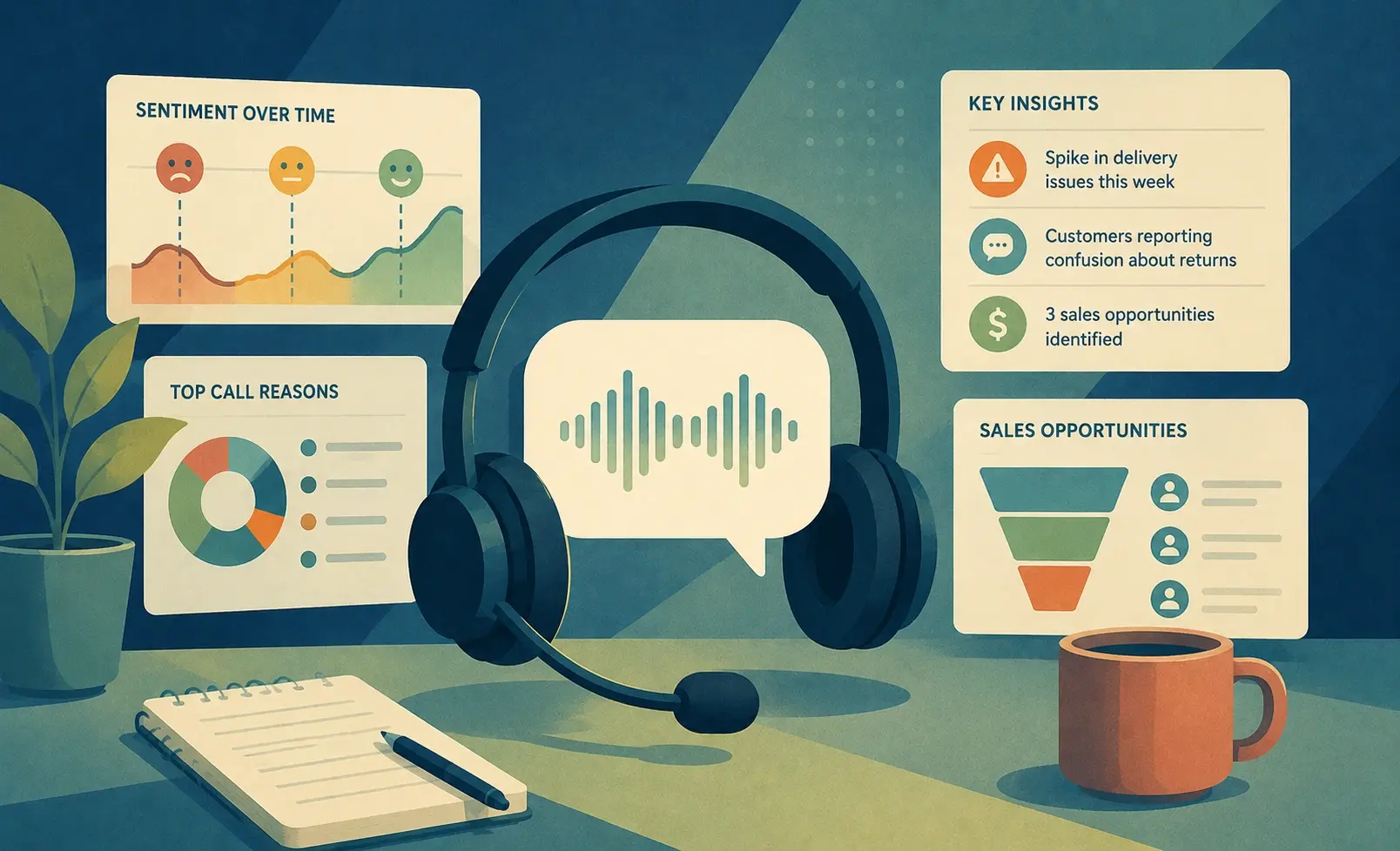
Data Collection and Analysis: The first step in developing AI-driven sales negotiation templates is to gather historical negotiation data. This data can include past sales calls, negotiation outcomes, and customer feedback. AI-powered call analytics platforms, like Insight7, can automatically evaluate these conversations, scoring interactions against custom quality criteria. By analyzing this data, sales teams can identify successful negotiation strategies and common pitfalls, providing a solid foundation for template development.
-
Identifying Key Insights: Once the data is collected, the next step is to uncover insights that drive revenue and improve service quality. AI tools can detect sentiment, empathy, and resolution effectiveness during negotiations, helping teams understand what works and what doesn’t. For example, by identifying recurring customer pain points and sentiment trends, sales teams can tailor their negotiation templates to address specific client needs, ultimately leading to more successful outcomes.
-
Template Customization: AI enables the creation of customizable negotiation templates that can be adapted to various industries and client profiles. By using AI-driven insights, sales teams can develop templates that reflect the unique needs of different clients, ensuring that each negotiation is relevant and impactful. This customization can include adjusting language, tone, and content based on the specific context of the negotiation.
-
Integration with Coaching and Performance Management: To maximize the effectiveness of sales negotiation templates, organizations should integrate them with coaching and performance management tools. AI can generate actionable coaching insights from real conversations, helping sales managers identify skill gaps and suggest targeted coaching recommendations. By continuously monitoring agent performance and improvement over time, organizations can refine their negotiation strategies and templates based on real-world results.
-
Testing and Iteration: After developing initial templates, it’s crucial to test them in real negotiation scenarios. AI can facilitate this process by providing real-time feedback during practice negotiations. By simulating various negotiation situations, sales teams can refine their templates based on performance metrics and feedback. This iterative process ensures that the templates evolve and improve over time, adapting to changing market conditions and customer expectations.
-
Monitoring and Continuous Improvement: The final step is to establish a system for ongoing monitoring and improvement of the negotiation templates. AI-powered platforms can continuously evaluate the effectiveness of negotiations, identifying trends and areas for enhancement. By regularly updating templates based on these insights, organizations can ensure that their sales teams remain competitive and effective in their negotiations.
In conclusion, developing sales negotiation templates with AI involves a systematic approach that includes data collection, insight identification, customization, integration with coaching, testing, and continuous improvement. By following these essential steps, organizations can leverage AI technology to create effective negotiation templates that drive revenue growth and enhance customer satisfaction. As the business landscape continues to evolve, embracing AI in sales negotiations will be key to maintaining a competitive edge.
Comparison Table
Comparison Table
When developing sales negotiation templates with AI, organizations can benefit from various features and capabilities that enhance efficiency and effectiveness. Insight7, an AI-powered call analytics platform, offers automated evaluation of customer interactions, scoring against custom quality criteria, and sentiment detection. This allows sales teams to identify successful negotiation strategies and areas for improvement. In contrast, traditional methods often rely on manual analysis and subjective feedback, which can lead to inconsistencies. AI-driven insights enable customizable templates tailored to specific client needs, enhancing the relevance of negotiations. Additionally, integrating AI with coaching tools provides actionable insights for performance management, ensuring continuous improvement. Overall, leveraging AI in sales negotiation template development streamlines processes, improves outcomes, and drives revenue growth.
Selection Criteria
Selection Criteria
When developing sales negotiation templates with AI, organizations should consider several key selection criteria to ensure effectiveness and relevance. First, the ability of the AI platform to analyze historical negotiation data is crucial; platforms like Insight7 can automatically evaluate conversations, scoring them against custom quality criteria. This capability allows teams to identify successful strategies and common pitfalls.
Next, customization options are essential. The AI should enable the creation of templates that can be tailored to various industries and client profiles, ensuring that negotiations are contextually relevant. Additionally, integration with coaching and performance management tools is vital; AI-generated insights can help identify skill gaps and provide targeted coaching recommendations, enhancing overall team performance.
Finally, the platform should support continuous monitoring and improvement, allowing organizations to adapt their templates based on real-time feedback and evolving market conditions. By focusing on these criteria, businesses can leverage AI to develop effective sales negotiation templates that drive revenue growth and improve customer satisfaction.
Implementation Guide
Implementation Guide
To effectively develop sales negotiation templates using AI, organizations should follow a structured implementation guide. Begin by leveraging Insight7’s AI-powered call analytics to analyze historical negotiation data, identifying successful strategies and common pitfalls. This data-driven approach allows for the creation of customizable templates tailored to specific client needs and industry contexts.
Next, integrate AI insights with coaching and performance management tools to identify skill gaps and provide targeted coaching recommendations. Continuous monitoring of negotiation outcomes is essential; utilize AI to adapt templates based on real-time feedback and evolving market conditions. Finally, ensure that the platform supports multilingual capabilities and complies with enterprise-grade security standards, allowing for a seamless and secure implementation across diverse teams. By following these steps, organizations can enhance their sales negotiation processes, driving revenue growth and improving customer satisfaction.
Frequently Asked Questions
Q: What is a sales negotiation template developed with AI?
A: A sales negotiation template developed with AI is a customizable framework that leverages artificial intelligence to analyze historical negotiation data, identify successful strategies, and provide tailored recommendations for sales teams.
Q: How can AI improve the effectiveness of sales negotiation templates?
A: AI enhances sales negotiation templates by automating the evaluation of past negotiations, scoring them against quality criteria, and providing insights that help teams refine their strategies based on real-time feedback.
Q: What are the key benefits of using AI for sales negotiation template development?
A: The key benefits include improved customization for various industries, enhanced coaching recommendations based on performance data, and the ability to continuously adapt templates to changing market conditions.
Q: How does Insight7 support the development of sales negotiation templates?
A: Insight7 supports template development by offering AI-powered call analytics that evaluate conversations, detect sentiment, and uncover upsell opportunities, enabling sales teams to create effective, data-driven negotiation frameworks.
Q: What should organizations consider when implementing AI-driven sales negotiation templates?
A: Organizations should focus on the AI platform's ability to analyze historical data, customization options for different client profiles, integration with coaching tools, and continuous monitoring for ongoing improvement.