AI has revolutionized the way we practice negotiation techniques, offering tailored approaches for various situations. By simulating real-life scenarios, AI tools provide instant feedback on communication styles, emotional intelligence, and negotiation strategies. This technology allows users to engage in role-playing exercises that mimic actual negotiations, helping them refine their skills in a safe environment. Additionally, AI can analyze past interactions to identify strengths and weaknesses, enabling personalized coaching and targeted practice. As a result, individuals can build confidence and adaptability, ensuring they are well-prepared for diverse negotiation contexts. This article will explore how AI enhances negotiation practice, the benefits of using AI-driven simulations, and the impact on overall negotiation effectiveness.
AI Tools for Practicing Negotiation Techniques
AI tools have transformed the landscape of negotiation practice by providing dynamic, tailored experiences that cater to various negotiation scenarios. These tools enable users to engage in realistic role-playing exercises, receive instant feedback, and analyze their performance, ultimately enhancing their negotiation skills. By simulating real-life negotiations, AI helps individuals refine their communication styles, emotional intelligence, and strategic approaches, ensuring they are well-prepared for diverse contexts.
One of the key advantages of AI in negotiation practice is its ability to simulate a wide range of scenarios. For instance, users can practice negotiating in high-stakes environments, such as business deals or conflict resolution, where the stakes are high and the pressure is palpable. AI-driven simulations can mimic the nuances of these situations, allowing users to experiment with different tactics and strategies in a safe environment. This immersive experience fosters adaptability and confidence, enabling negotiators to respond effectively to unexpected challenges.
Moreover, AI tools can analyze past negotiation interactions to identify patterns and areas for improvement. By evaluating recorded conversations, AI can provide insights into the effectiveness of various negotiation techniques, highlighting successful strategies and pinpointing weaknesses. This data-driven approach allows users to focus their practice on specific areas that require attention, such as handling objections or building rapport. As a result, individuals can engage in targeted practice that is directly relevant to their unique negotiation styles and situations.
Instant feedback is another significant benefit of using AI in negotiation training. Traditional role-playing exercises often rely on subjective assessments from peers or trainers, which can vary widely in quality and consistency. In contrast, AI tools offer objective evaluations based on predefined criteria, such as tone, empathy, and resolution effectiveness. This unbiased feedback helps users understand their strengths and weaknesses more clearly, enabling them to make informed adjustments to their approach.
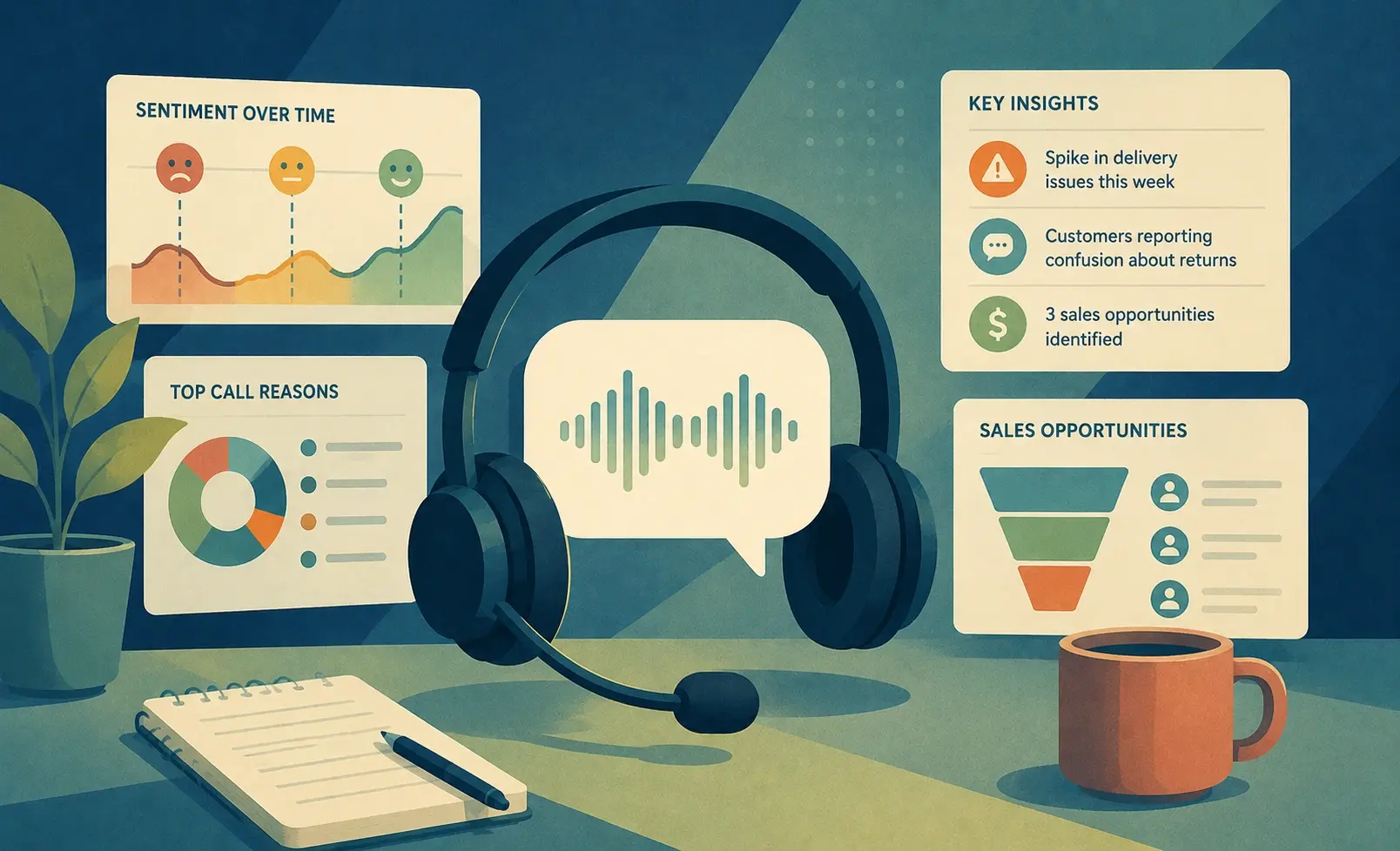
AI tools also facilitate continuous learning and improvement. With features like performance dashboards and coaching recommendations, users can track their progress over time and receive personalized guidance. This ongoing support is crucial for developing negotiation skills, as it encourages individuals to practice regularly and refine their techniques based on real-time insights. By integrating AI into their training regimen, negotiators can cultivate a growth mindset and remain committed to enhancing their abilities.
Furthermore, the multilingual capabilities of AI tools make them accessible to a global audience, allowing users from diverse backgrounds to practice negotiation techniques in their preferred language. This inclusivity not only broadens the reach of negotiation training but also ensures that individuals can engage with the content in a way that resonates with their cultural context. As a result, AI-driven negotiation practice becomes a valuable resource for organizations looking to enhance their teams' skills across different regions.
In conclusion, AI tools significantly enhance the practice of negotiation techniques by providing tailored simulations, objective feedback, and continuous learning opportunities. By leveraging these technologies, individuals can build their confidence, adaptability, and effectiveness in negotiations, ultimately leading to better outcomes in various situations. As organizations increasingly recognize the value of AI in training and development, the future of negotiation practice looks promising, with AI at the forefront of this evolution.
Comparison Table
AI significantly enhances the practice of different negotiation techniques by providing tailored simulations, objective feedback, and continuous learning opportunities. Through AI-powered tools, users can engage in realistic role-playing exercises that mimic various negotiation scenarios, allowing them to refine their communication styles and strategies in a safe environment. These tools analyze past interactions to identify strengths and weaknesses, enabling personalized coaching that targets specific areas for improvement. Instant feedback from AI ensures that users receive unbiased evaluations, helping them make informed adjustments to their approach. Additionally, the multilingual capabilities of AI tools make negotiation practice accessible to a global audience, fostering inclusivity and cultural relevance. Overall, AI-driven negotiation practice empowers individuals to build confidence and adaptability, leading to better outcomes in diverse situations.
Selection Criteria
AI significantly enhances the practice of different negotiation techniques by offering tailored simulations, objective feedback, and continuous learning opportunities. Through AI-powered tools, users can engage in realistic role-playing exercises that mimic various negotiation scenarios, allowing them to refine their communication styles and strategies in a safe environment. These tools analyze past interactions to identify strengths and weaknesses, enabling personalized coaching that targets specific areas for improvement. Instant feedback from AI ensures that users receive unbiased evaluations, helping them make informed adjustments to their approach. Additionally, the multilingual capabilities of AI tools make negotiation practice accessible to a global audience, fostering inclusivity and cultural relevance. Overall, AI-driven negotiation practice empowers individuals to build confidence and adaptability, leading to better outcomes in diverse situations.
Implementation Guide
AI significantly enhances the practice of different negotiation techniques by providing tailored simulations, objective feedback, and continuous learning opportunities. With AI-powered tools, users can engage in realistic role-playing exercises that mimic various negotiation scenarios, allowing them to refine their communication styles and strategies in a safe environment. These tools analyze past interactions to identify strengths and weaknesses, enabling personalized coaching that targets specific areas for improvement.
To implement AI effectively in negotiation practice, start by selecting an AI tool that offers customizable scenarios relevant to your negotiation context. Regularly engage in simulated negotiations to build confidence and adaptability. Utilize the instant feedback provided by AI to make informed adjustments to your approach, ensuring continuous improvement. Lastly, leverage the multilingual capabilities of AI tools to practice negotiations in diverse cultural contexts, enhancing your global negotiation skills.
Frequently Asked Questions
Q: How does AI enhance negotiation practice?
A: AI enhances negotiation practice by providing tailored simulations and objective feedback, allowing users to engage in realistic role-playing exercises that mimic various negotiation scenarios.
Q: What types of negotiation scenarios can AI simulate?
A: AI can simulate a wide range of negotiation scenarios, including sales negotiations, conflict resolution, and cross-cultural discussions, enabling users to practice and refine their techniques in diverse contexts.
Q: How does AI provide feedback during negotiation practice?
A: AI offers instant, unbiased feedback on communication styles, strategies, and effectiveness, helping users identify strengths and weaknesses to make informed adjustments to their approach.
Q: Can AI tools accommodate different languages and cultures?
A: Yes, many AI negotiation tools support multilingual capabilities, making practice accessible to a global audience and fostering cultural relevance in negotiation techniques.
Q: How can I get started with AI negotiation practice?
A: To get started, select an AI tool that offers customizable negotiation scenarios, engage in regular simulated negotiations, and utilize the feedback provided to continuously improve your skills.