Practicing win-win negotiation strategies with AI coaching can significantly enhance the effectiveness of customer-facing teams. By leveraging AI-powered call analytics, organizations can gain valuable insights into negotiation dynamics, allowing them to identify areas for improvement and develop tailored strategies that benefit both parties. This article will explore how AI coaching can facilitate better negotiation outcomes, improve communication skills, and foster a culture of collaboration. We will delve into the core capabilities of AI-driven coaching, including real-time feedback, sentiment analysis, and performance tracking, all aimed at transforming negotiation practices into a more strategic and mutually beneficial process. Embracing these technologies not only enhances negotiation skills but also drives overall team performance and customer satisfaction.
Essential Win-Win Negotiation Strategies with AI Coaching
Practicing win-win negotiation strategies with AI coaching can transform how customer-facing teams engage in negotiations, leading to improved outcomes for both parties involved. By utilizing AI-powered call analytics, organizations can gain insights into negotiation dynamics, identify areas for improvement, and develop tailored strategies that foster collaboration and mutual benefit. This section will explore how AI coaching can enhance negotiation practices through real-time feedback, sentiment analysis, and performance tracking, ultimately driving better communication skills and team performance.
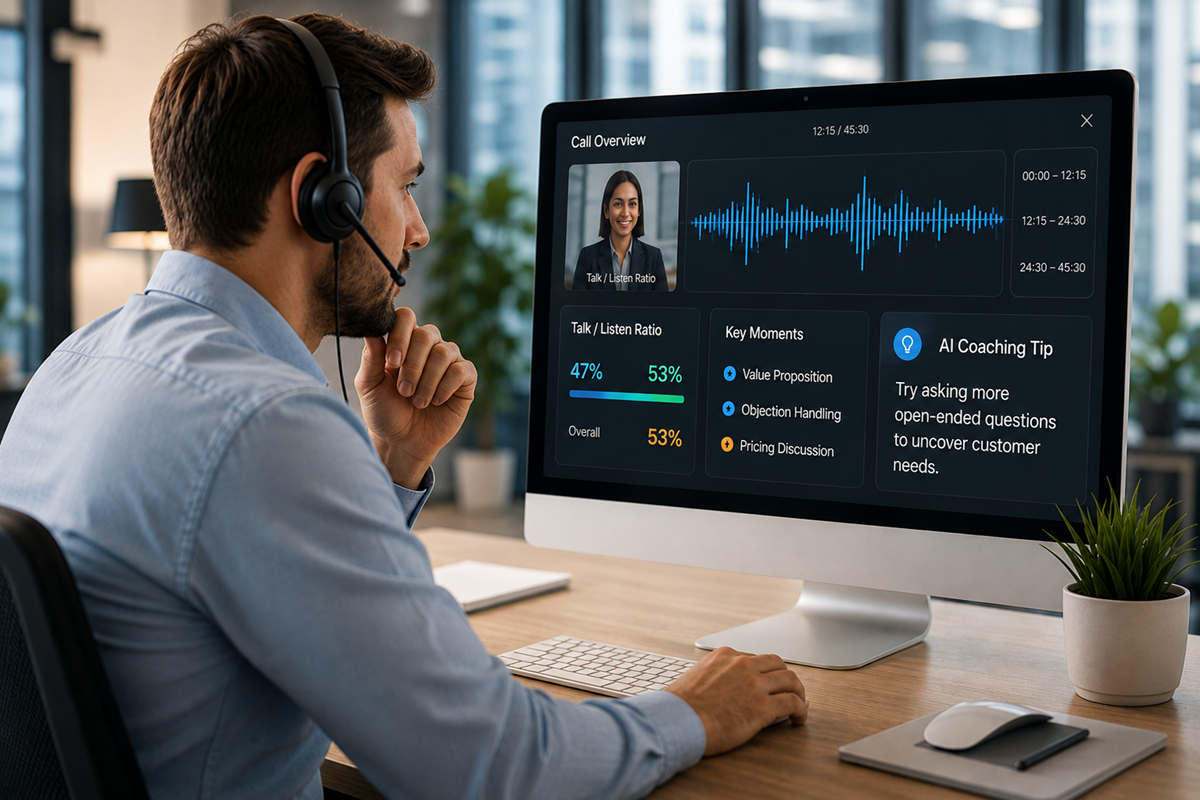
AI coaching provides a unique opportunity for teams to practice win-win negotiation strategies in a safe and controlled environment. With AI-powered call evaluation, customer-facing teams can analyze their negotiation conversations in real-time. This technology automatically evaluates 100% of customer calls, scoring interactions against custom quality criteria. By detecting sentiment, empathy, and resolution effectiveness, teams can gain valuable insights into their negotiation styles and identify areas for improvement.
One of the key advantages of practicing negotiation strategies with AI coaching is the ability to receive personalized, actionable feedback. AI-driven coaching recommendations are generated from real conversations, allowing team members to track their performance and improvement over time. This continuous monitoring helps identify skill gaps and suggests targeted coaching recommendations, ensuring that every negotiation practice session is focused on enhancing specific competencies.
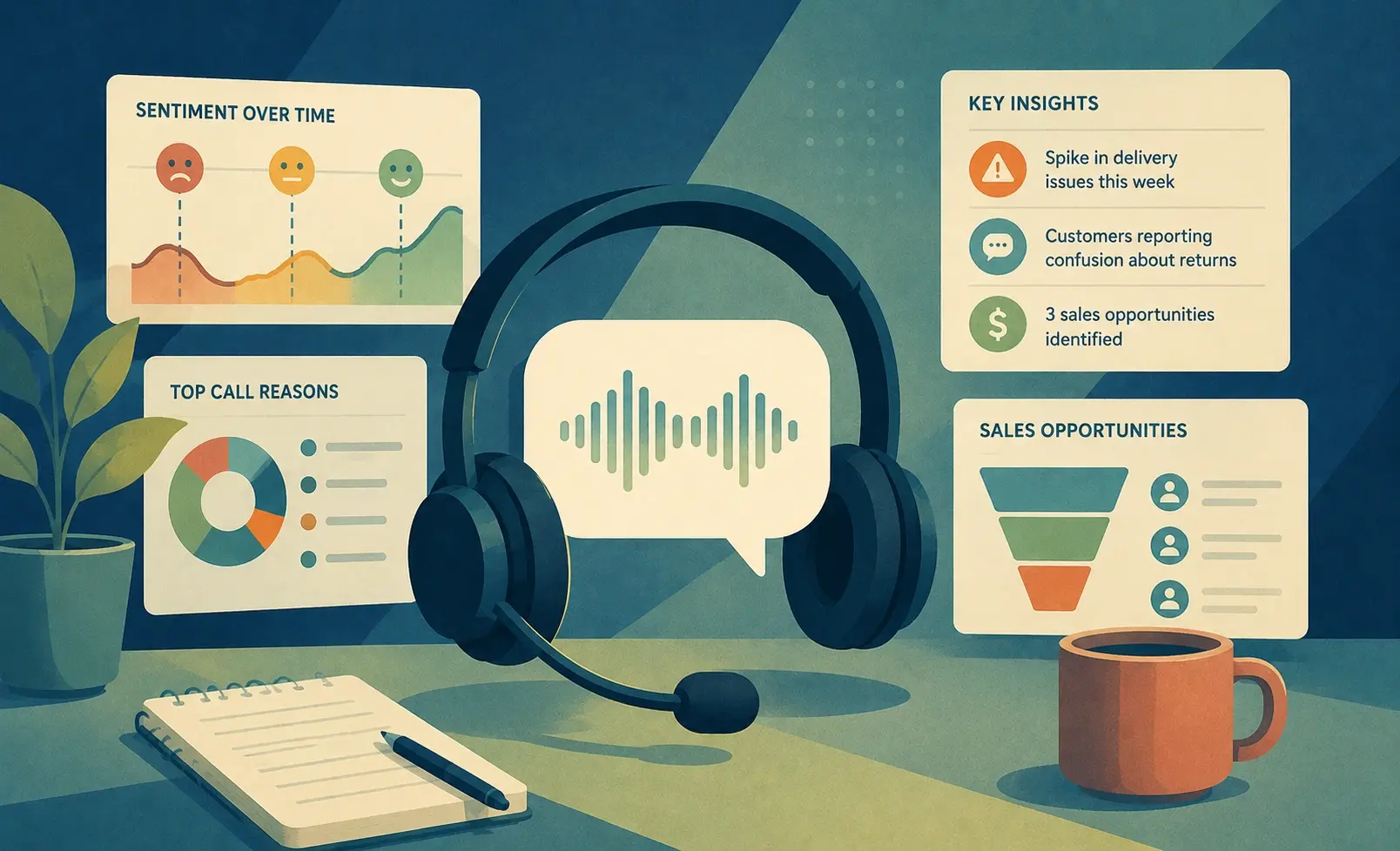
Moreover, AI coaching can uncover recurring customer pain points and sentiment trends, which are critical for effective negotiation. By understanding the drivers of customer satisfaction and escalation, teams can tailor their negotiation strategies to address specific concerns and foster a more collaborative atmosphere. This level of insight not only improves negotiation outcomes but also enhances overall customer experience.
The integration of AI in negotiation training allows for a more dynamic and engaging learning process. Teams can simulate various negotiation scenarios, practicing their strategies in a risk-free environment. This role-playing aspect of AI coaching enables team members to refine their skills, such as objection handling and value building, before engaging with actual customers. The ability to practice these skills in a controlled setting leads to greater confidence and preparedness during real negotiations.
Additionally, AI coaching supports multilingual capabilities, making it easier for global teams to practice negotiation strategies across different languages and cultures. This inclusivity ensures that all team members can benefit from AI-driven coaching, regardless of their location or language proficiency.
In conclusion, practicing win-win negotiation strategies with AI coaching empowers customer-facing teams to enhance their negotiation skills through real-time feedback, personalized coaching, and valuable insights. By leveraging AI-powered call analytics, organizations can foster a culture of collaboration and continuous improvement, ultimately leading to better negotiation outcomes and increased customer satisfaction. Embracing these technologies not only enhances negotiation practices but also drives overall team performance, making it an essential component of modern customer engagement strategies.
Comparison Table
Comparison Table
Practicing win-win negotiation strategies with AI coaching offers a transformative approach for customer-facing teams. The table below highlights key features and benefits of utilizing AI coaching compared to traditional negotiation training methods:
| Feature/Benefit | AI Coaching | Traditional Training |
|---|---|---|
| Real-Time Feedback | Provides immediate insights on negotiation tactics. | Feedback is often delayed and generalized. |
| Sentiment Analysis | Analyzes emotional tone during negotiations. | Lacks emotional intelligence assessment. |
| Performance Tracking | Continuously monitors and tracks improvement over time. | Limited tracking of individual progress. |
| Personalized Coaching | Offers tailored recommendations based on actual calls. | One-size-fits-all training sessions. |
| Simulated Role-Playing | Engages teams in realistic scenarios for practice. | Role-playing can be awkward and less frequent. |
| Multilingual Support | Supports global teams with language diversity. | Often limited to one language or culture. |
| Data-Driven Insights | Uncovers trends and pain points for strategic focus. | Insights are anecdotal and less actionable. |
By leveraging AI coaching, organizations can enhance their negotiation practices, leading to improved outcomes and stronger customer relationships.
Selection Criteria
Practicing win-win negotiation strategies with AI coaching can significantly enhance the effectiveness of customer-facing teams. By leveraging AI-powered call analytics, organizations can gain real-time insights into negotiation dynamics, enabling teams to identify areas for improvement and develop tailored strategies that foster collaboration. This approach allows for personalized, actionable feedback based on actual conversations, which helps team members track their performance and enhance specific negotiation skills over time. Additionally, AI coaching uncovers recurring customer pain points and sentiment trends, allowing teams to address concerns proactively and create a more collaborative atmosphere. Ultimately, integrating AI into negotiation training empowers teams to refine their skills in a risk-free environment, leading to improved outcomes and greater customer satisfaction.
Implementation Guide
Practicing win-win negotiation strategies with AI coaching can revolutionize how customer-facing teams approach negotiations. By leveraging AI-powered call analytics, organizations can gain real-time insights into negotiation dynamics, allowing teams to identify areas for improvement and develop tailored strategies that foster collaboration. This approach provides personalized, actionable feedback based on actual conversations, helping team members track their performance and enhance specific negotiation skills over time. Additionally, AI coaching uncovers recurring customer pain points and sentiment trends, enabling teams to address concerns proactively and create a more collaborative atmosphere. Ultimately, integrating AI into negotiation training empowers teams to refine their skills in a risk-free environment, leading to improved outcomes and greater customer satisfaction.
To implement these strategies effectively, organizations should focus on continuous performance tracking, utilize sentiment analysis for emotional intelligence, and engage in simulated role-playing scenarios. By doing so, teams can cultivate a culture of collaboration and ensure that every negotiation is a win-win for both parties involved.
Frequently Asked Questions
Frequently Asked Questions
Q: What are win-win negotiation strategies?
A: Win-win negotiation strategies focus on finding mutually beneficial solutions for all parties involved, promoting collaboration and long-term relationships.
Q: How can AI coaching enhance negotiation skills?
A: AI coaching provides personalized feedback based on real conversations, helping team members identify strengths and weaknesses in their negotiation techniques.
Q: What role does call analytics play in negotiation training?
A: Call analytics evaluate negotiation dynamics, uncovering insights into customer sentiment and pain points, which can be addressed to improve negotiation outcomes.
Q: Is AI coaching suitable for all customer-facing teams?
A: Yes, AI coaching can benefit various customer-facing teams, including sales, customer support, and account management, by enhancing their negotiation skills and overall performance.
Q: How can organizations implement AI coaching for negotiations?
A: Organizations can implement AI coaching by integrating call analytics into their training programs, focusing on continuous performance tracking and simulated role-playing scenarios.