Internal negotiation practice using AI simulation represents a transformative approach to enhancing negotiation skills within organizations. By leveraging advanced AI technologies, teams can engage in realistic, interactive simulations that mimic real-world negotiation scenarios. This method not only allows participants to practice their skills in a safe environment but also provides immediate feedback on their performance, helping them identify areas for improvement. The integration of AI in negotiation training enables organizations to create tailored experiences that address specific challenges, ultimately leading to more effective negotiators. As businesses continue to seek innovative solutions for skill development, AI simulations stand out as a powerful tool for fostering negotiation expertise and driving better outcomes in both internal and external negotiations.
Internal Negotiation Tools for AI Simulation
Internal negotiation practice using AI simulation is revolutionizing how organizations enhance their negotiation skills. By utilizing AI technologies, teams can engage in realistic simulations that replicate real-world negotiation scenarios, allowing participants to practice in a safe environment while receiving immediate feedback on their performance. This innovative approach not only helps identify areas for improvement but also tailors the training experience to address specific organizational challenges. As businesses increasingly seek effective solutions for skill development, AI simulations emerge as a powerful tool for cultivating negotiation expertise and achieving better outcomes in both internal and external negotiations.
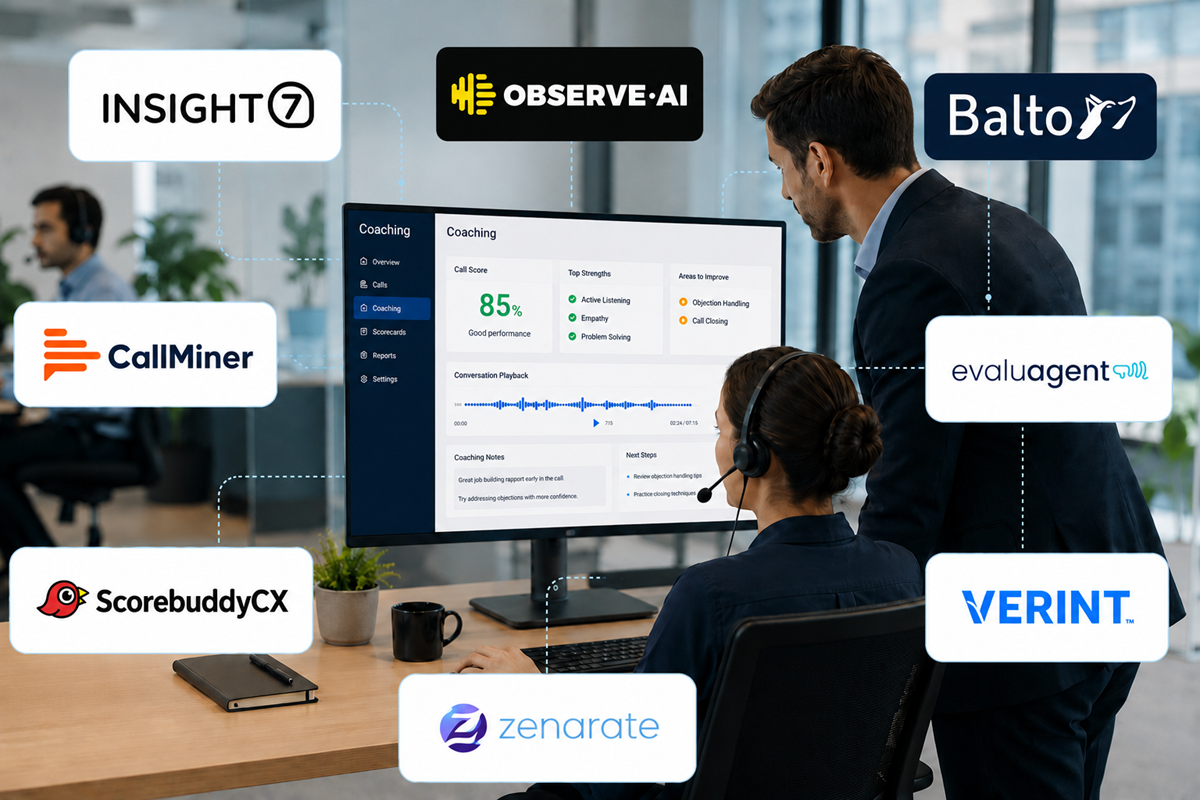
The integration of AI-powered call analytics, like those offered by Insight7, enhances internal negotiation practice by providing a structured framework for evaluating and improving negotiation skills. With features such as AI call evaluation and quality assurance automation, organizations can automatically assess negotiation interactions based on custom quality criteria. This capability ensures that every negotiation scenario is analyzed for key elements like sentiment, empathy, and resolution effectiveness, allowing teams to refine their approach continuously.
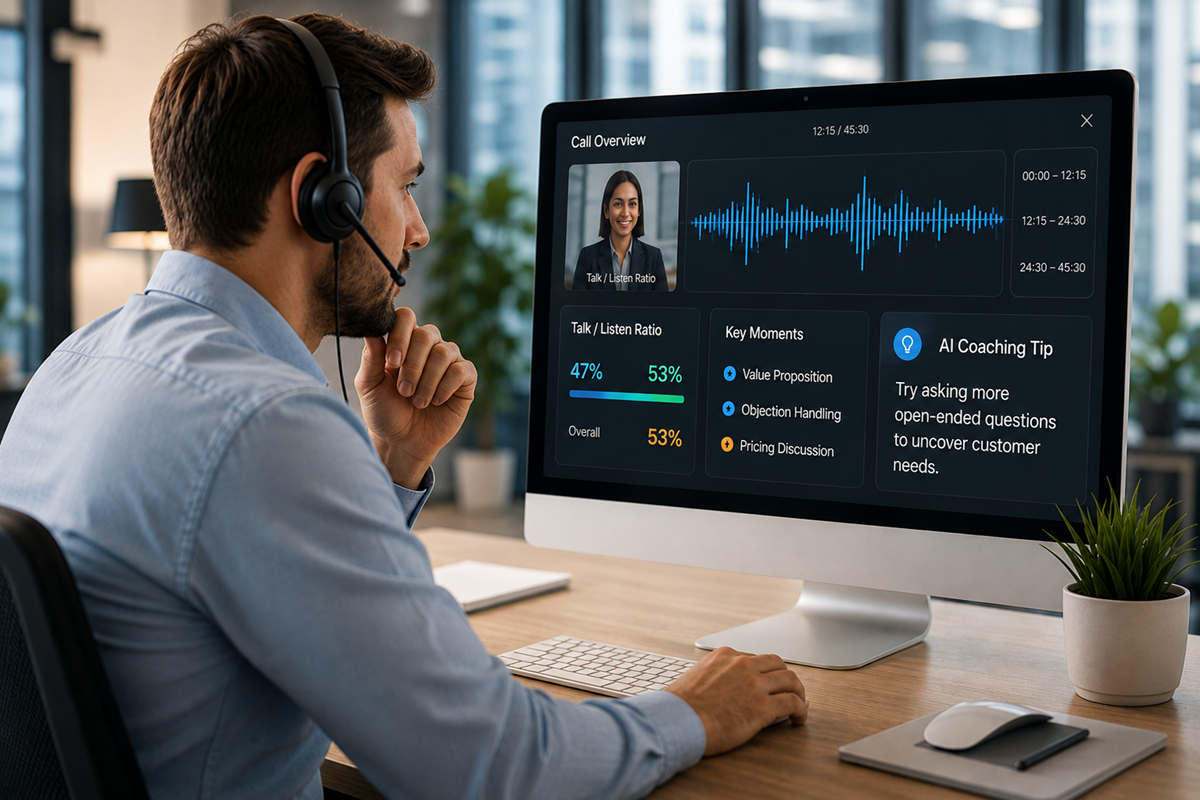
One of the core benefits of using AI simulations for internal negotiation practice is the ability to generate actionable coaching insights from real conversations. By tracking agent performance over time, organizations can identify skill gaps and suggest targeted coaching recommendations. This data-driven approach empowers teams to focus on specific areas that require improvement, leading to more effective negotiation strategies and better overall performance.
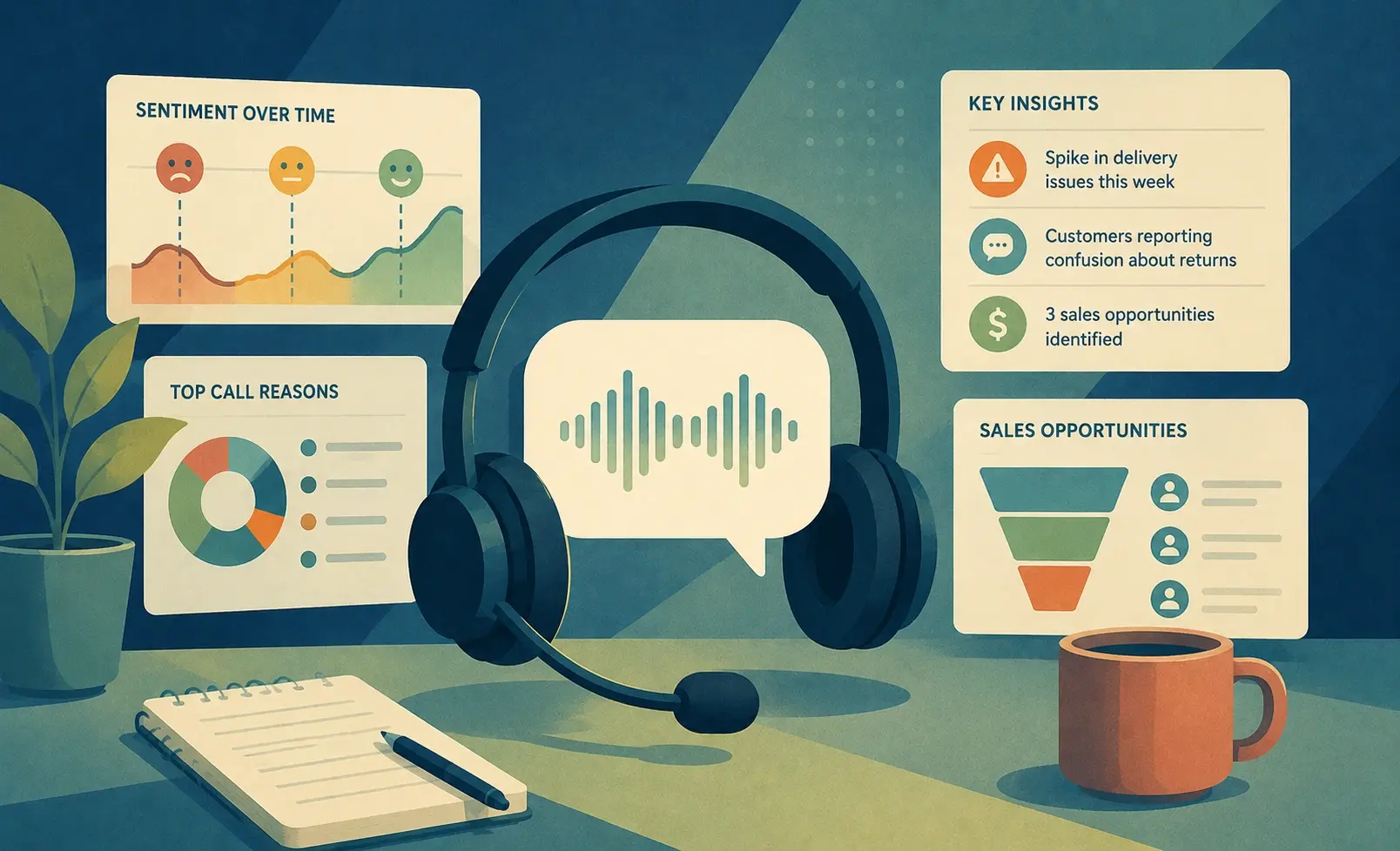
Moreover, AI simulations can uncover recurring customer pain points and sentiment trends, providing valuable insights into what drives satisfaction and escalation during negotiations. By detecting upsell and cross-sell opportunities in real time, organizations can leverage these insights to refine their negotiation tactics and improve outcomes. This not only enhances the negotiation process but also drives revenue growth by identifying potential opportunities that may have otherwise been overlooked.
The performance management capabilities of AI simulations further support internal negotiation practice by allowing organizations to benchmark and track agent performance over time. With performance dashboards that visualize trends across teams, leaders can easily monitor quality and compliance, ensuring that negotiation practices align with organizational goals. This continuous monitoring fosters a culture of improvement, where teams are encouraged to learn from their experiences and adapt their strategies accordingly.
In addition to these features, the multilingual support offered by AI-powered platforms ensures that organizations can evaluate global conversations accurately, making it easier to implement negotiation training across diverse teams. This inclusivity is crucial for organizations operating in multiple regions, as it allows for a consistent approach to negotiation practice that respects cultural differences and communication styles.
As organizations look to enhance their internal negotiation practices, AI simulations provide a comprehensive solution that combines technology with tailored training experiences. By turning every negotiation interaction into actionable intelligence, teams can develop their skills effectively, leading to improved negotiation outcomes and stronger relationships with stakeholders. The future of negotiation training lies in the ability to harness AI technology, making it an essential component of any organization's skill development strategy.
Q: How does AI simulation improve negotiation skills?
A: AI simulation enhances negotiation skills by providing realistic practice scenarios, immediate feedback, and actionable insights, allowing participants to refine their techniques in a safe environment.
Q: What are the benefits of using AI-powered call analytics in negotiation training?
A: AI-powered call analytics offer automated evaluation of negotiation interactions, actionable coaching insights, and performance tracking, helping organizations identify skill gaps and improve overall negotiation effectiveness.
Q: Can AI simulations be customized for specific organizational needs?
A: Yes, AI simulations can be tailored to address specific challenges and scenarios relevant to an organization, ensuring that the training experience is aligned with its unique negotiation objectives.
Q: How does continuous monitoring contribute to negotiation improvement?
A: Continuous monitoring through performance management capabilities allows organizations to track agent performance over time, fostering a culture of improvement and enabling teams to adapt their strategies based on real-time insights.
Q: Is multilingual support available for AI negotiation training?
A: Yes, AI-powered platforms often include multilingual support, allowing organizations to implement negotiation training across diverse teams and ensuring effective communication in various languages.
Comparison Table
Comparison Table
| Feature/Capability | Internal Negotiation Practice Using AI Simulation | Insight7 AI-Powered Call Analytics |
|---|---|---|
| Realistic Practice Scenarios | Engages teams in simulations that mimic real negotiations | Evaluates customer interactions for insights |
| Immediate Feedback | Provides instant performance feedback for skill improvement | Automated evaluation of call quality and sentiment |
| Actionable Insights | Generates insights tailored to specific negotiation challenges | Uncovers trends and upsell opportunities |
| Performance Tracking | Monitors progress over time to identify skill gaps | Tracks agent performance and compliance |
| Customization | Tailors simulations to organizational needs | Custom evaluation templates for alignment |
| Multilingual Support | Supports diverse teams in various languages | Offers multilingual evaluation capabilities |
| Coaching Recommendations | Suggests targeted coaching based on simulation outcomes | Provides personalized, AI-driven coaching insights |
Selection Criteria
Internal negotiation practice using AI simulation is transforming how organizations enhance their negotiation skills. By leveraging AI technologies, teams can engage in realistic simulations that replicate real-world negotiation scenarios, allowing participants to practice in a safe environment while receiving immediate feedback on their performance. This innovative approach helps identify areas for improvement and tailors the training experience to address specific organizational challenges. As businesses increasingly seek effective solutions for skill development, AI simulations emerge as a powerful tool for cultivating negotiation expertise and achieving better outcomes in both internal and external negotiations.
The integration of AI-powered call analytics enhances internal negotiation practice by providing a structured framework for evaluating and improving negotiation skills. With features such as AI call evaluation and quality assurance automation, organizations can automatically assess negotiation interactions based on custom quality criteria. This capability ensures that every negotiation scenario is analyzed for key elements like sentiment, empathy, and resolution effectiveness, allowing teams to continuously refine their approach.
One of the core benefits of using AI simulations for internal negotiation practice is the ability to generate actionable coaching insights from real conversations. By tracking agent performance over time, organizations can identify skill gaps and suggest targeted coaching recommendations. This data-driven approach empowers teams to focus on specific areas that require improvement, leading to more effective negotiation strategies and better overall performance.
Moreover, AI simulations can uncover recurring customer pain points and sentiment trends, providing valuable insights into what drives satisfaction and escalation during negotiations. By detecting upsell and cross-sell opportunities in real time, organizations can leverage these insights to refine their negotiation tactics and improve outcomes. This not only enhances the negotiation process but also drives revenue growth by identifying potential opportunities that may have otherwise been overlooked.
The performance management capabilities of AI simulations further support internal negotiation practice by allowing organizations to benchmark and track agent performance over time. With performance dashboards that visualize trends across teams, leaders can easily monitor quality and compliance, ensuring that negotiation practices align with organizational goals. This continuous monitoring fosters a culture of improvement, where teams are encouraged to learn from their experiences and adapt their strategies accordingly.
In addition to these features, the multilingual support offered by AI-powered platforms ensures that organizations can evaluate global conversations accurately, making it easier to implement negotiation training across diverse teams. This inclusivity is crucial for organizations operating in multiple regions, as it allows for a consistent approach to negotiation practice that respects cultural differences and communication styles.
As organizations look to enhance their internal negotiation practices, AI simulations provide a comprehensive solution that combines technology with tailored training experiences. By turning every negotiation interaction into actionable intelligence, teams can develop their skills effectively, leading to improved negotiation outcomes and stronger relationships with stakeholders. The future of negotiation training lies in the ability to harness AI technology, making it an essential component of any organization's skill development strategy.
Q: How does AI simulation improve negotiation skills?
A: AI simulation enhances negotiation skills by providing realistic practice scenarios, immediate feedback, and actionable insights, allowing participants to refine their techniques in a safe environment.
Q: What are the benefits of using AI-powered call analytics in negotiation training?
A: AI-powered call analytics offer automated evaluation of negotiation interactions, actionable coaching insights, and performance tracking, helping organizations identify skill gaps and improve overall negotiation effectiveness.
Q: Can AI simulations be customized for specific organizational needs?
A: Yes, AI simulations can be tailored to address specific challenges and scenarios relevant to an organization, ensuring that the training experience is aligned with its unique negotiation objectives.
Q: How does continuous monitoring contribute to negotiation improvement?
A: Continuous monitoring through performance management capabilities allows organizations to track agent performance over time, fostering a culture of improvement and enabling teams to adapt their strategies based on real-time insights.
Q: Is multilingual support available for AI negotiation training?
A: Yes, AI-powered platforms often include multilingual support, allowing organizations to implement negotiation training across diverse teams and ensuring effective communication in various languages.
Implementation Guide
Implementing internal negotiation practice using AI simulation can significantly enhance the skills of your teams. By leveraging AI technology, organizations can create realistic negotiation scenarios that allow participants to practice in a safe environment while receiving immediate feedback on their performance. This approach not only identifies areas for improvement but also tailors the training experience to address specific organizational challenges, driving better negotiation outcomes.
To effectively implement this practice, start by integrating AI-powered platforms that offer customizable simulations aligned with your negotiation objectives. Ensure that the simulations provide actionable insights and performance tracking, enabling teams to monitor their progress over time. Additionally, consider incorporating multilingual support to facilitate training across diverse teams, fostering inclusivity and consistency in negotiation practices. By embracing AI simulations, organizations can cultivate negotiation expertise, ultimately leading to stronger relationships with stakeholders and improved revenue growth.
Frequently Asked Questions
Q: How does AI simulation improve negotiation skills?
A: AI simulation enhances negotiation skills by providing realistic practice scenarios, immediate feedback, and actionable insights, allowing participants to refine their techniques in a safe environment.
Q: What are the benefits of using AI-powered call analytics in negotiation training?
A: AI-powered call analytics offer automated evaluation of negotiation interactions, actionable coaching insights, and performance tracking, helping organizations identify skill gaps and improve overall negotiation effectiveness.
Q: Can AI simulations be customized for specific organizational needs?
A: Yes, AI simulations can be tailored to address specific challenges and scenarios relevant to an organization, ensuring that the training experience is aligned with its unique negotiation objectives.
Q: How does continuous monitoring contribute to negotiation improvement?
A: Continuous monitoring through performance management capabilities allows organizations to track agent performance over time, fostering a culture of improvement and enabling teams to adapt their strategies based on real-time insights.
Q: Is multilingual support available for AI negotiation training?
A: Yes, AI-powered platforms often include multilingual support, allowing organizations to implement negotiation training across diverse teams and ensuring effective communication in various languages.