Making concessions in negotiation can be a delicate balancing act, but leveraging AI feedback can significantly enhance this process. By utilizing AI-powered call analytics, negotiators can gain insights into conversation dynamics, sentiment, and resolution effectiveness. This data-driven approach allows for more informed decision-making when it comes to making concessions, ensuring that they align with both the negotiator's objectives and the counterpart's needs. Furthermore, AI can help identify patterns in past negotiations, revealing what types of concessions have been most effective in achieving desired outcomes. As we explore the strategies for making concessions with AI feedback, we will delve into practical applications, the benefits of data-driven insights, and how to foster a more collaborative negotiation environment.
Tools for Making Concessions in Negotiation with AI Feedback
Making concessions in negotiation can be a challenging yet essential aspect of reaching mutually beneficial agreements. Leveraging AI feedback, particularly through platforms like Insight7, can transform how negotiators approach this delicate process. By utilizing AI-powered call analytics, negotiators can gain valuable insights into conversation dynamics, sentiment, and resolution effectiveness, enabling them to make informed decisions about concessions. This data-driven approach ensures that concessions align with both the negotiator's objectives and the counterpart's needs, fostering a more collaborative negotiation environment.
AI can analyze past negotiations to identify patterns and reveal which types of concessions have been most effective in achieving desired outcomes. For example, by evaluating customer interactions, AI can uncover recurring pain points and sentiment trends, allowing negotiators to tailor their concessions to address specific concerns. This targeted approach not only enhances the likelihood of a successful negotiation but also builds trust and rapport with the counterpart.
One of the core capabilities of AI in negotiation is its ability to evaluate calls automatically, scoring interactions against custom quality criteria. This feature allows negotiators to detect sentiment and empathy levels during conversations, providing insights into how their counterparts are responding to various proposals. By understanding the emotional landscape of the negotiation, negotiators can adjust their strategies and make concessions that resonate more effectively with the other party.
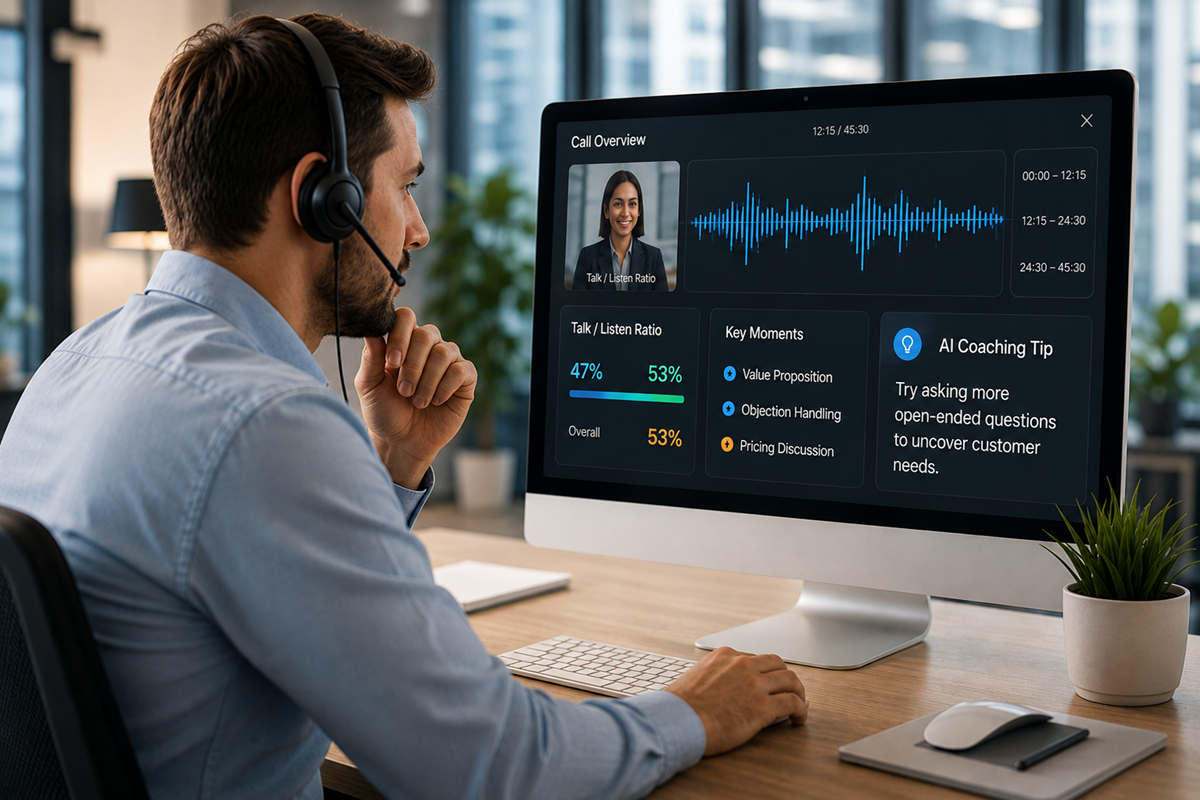
Moreover, AI-driven coaching recommendations can help negotiators identify skill gaps and suggest targeted strategies for making concessions. By continuously monitoring performance and compliance, AI can provide real-time feedback that enhances negotiation skills over time. This ongoing development ensures that negotiators are better equipped to handle complex discussions and make concessions that are not only strategic but also empathetic.
The use of performance dashboards further enhances the negotiation process by visualizing trends across agents and teams. This data allows negotiators to benchmark their performance against industry standards and learn from successful interactions. By analyzing what has worked well in previous negotiations, teams can refine their approach to making concessions, ultimately leading to improved outcomes.
In practice, making concessions with AI feedback involves several key steps. First, negotiators should utilize AI-powered evaluation tools to assess past negotiations and identify effective concession strategies. Next, they can leverage sentiment detection to gauge the emotional responses of their counterparts during discussions. This understanding enables negotiators to tailor their concessions to meet the specific needs and concerns of the other party.
Additionally, incorporating AI-driven coaching insights can help negotiators refine their skills and develop a more nuanced approach to concessions. By continuously learning from AI feedback, negotiators can adapt their strategies in real-time, ensuring that their concessions are both relevant and impactful.
In conclusion, making concessions in negotiation is a complex process that can be significantly enhanced through AI feedback. By utilizing AI-powered call analytics, negotiators can gain valuable insights into conversation dynamics, sentiment, and resolution effectiveness. This data-driven approach not only informs concession strategies but also fosters a more collaborative negotiation environment, ultimately leading to better outcomes for all parties involved. As organizations continue to embrace AI technology, the ability to make informed concessions will become an essential skill for successful negotiators.
Comparison Table
Comparison Table
When making concessions in negotiation, leveraging AI feedback can significantly enhance the process. Insight7's AI-powered call analytics platform offers tools that automatically evaluate customer interactions, providing insights into sentiment, empathy, and resolution effectiveness. This data-driven approach allows negotiators to identify which concessions have historically led to successful outcomes.
In contrast to traditional negotiation methods, AI feedback enables real-time adjustments based on emotional responses detected during conversations. Additionally, AI-driven coaching recommendations help negotiators refine their skills and develop targeted strategies for making concessions. Overall, using AI feedback fosters a more collaborative negotiation environment, ensuring that concessions are not only strategic but also empathetic, ultimately leading to better outcomes for all parties involved.
Selection Criteria
Selection Criteria
When considering the integration of AI feedback for making concessions in negotiation, several selection criteria are essential. First, the AI platform should offer robust call evaluation capabilities, automatically analyzing 100% of negotiation calls to assess sentiment, empathy, and resolution effectiveness. This ensures that negotiators receive unbiased insights into their interactions, allowing them to identify which concessions resonate best with counterparts.
Second, the platform must provide actionable coaching recommendations based on real conversation data. This feature helps negotiators refine their skills and develop targeted strategies for making concessions, enhancing their ability to respond effectively in real-time. Additionally, performance dashboards should visualize trends and benchmarks, enabling teams to learn from successful negotiation tactics and continuously improve their approach.
Lastly, the solution should support multilingual capabilities and comply with enterprise-grade security standards, ensuring it meets the diverse needs of global teams while safeguarding sensitive information. By focusing on these criteria, organizations can effectively leverage AI feedback to enhance their negotiation processes and outcomes.
Implementation Guide
When making concessions in negotiation, integrating AI feedback can significantly enhance the process. AI-powered platforms, like Insight7, automatically analyze customer interactions, providing valuable insights into sentiment, empathy, and resolution effectiveness. This data-driven approach allows negotiators to identify which concessions have historically led to successful outcomes, enabling them to make informed decisions.
AI feedback facilitates real-time adjustments based on emotional cues detected during conversations, fostering a more collaborative negotiation environment. Additionally, AI-driven coaching recommendations help negotiators refine their skills and develop targeted strategies for making concessions. By leveraging these insights, negotiators can ensure that their concessions are not only strategic but also empathetic, ultimately leading to better outcomes for all parties involved. This combination of technology and human insight creates a more effective negotiation process.
Frequently Asked Questions
Frequently Asked Questions
Q: How can AI feedback improve my negotiation skills?
A: AI feedback provides real-time insights into your negotiation calls, analyzing sentiment and empathy to help you understand which concessions are most effective. This data-driven approach allows you to refine your strategies and respond more effectively during negotiations.
Q: What features should I look for in an AI platform for negotiation?
A: Look for platforms that offer automatic call evaluation, actionable coaching recommendations, performance dashboards, and multilingual support. These features ensure you receive unbiased insights and can track your progress over time.
Q: Can AI help with making concessions in negotiations?
A: Yes, AI can analyze past interactions to identify successful concession strategies, allowing you to make informed decisions that resonate with your negotiation counterparts.
Q: Is AI feedback suitable for global teams?
A: Absolutely! Many AI platforms, including Insight7, offer multilingual support and comply with enterprise-grade security standards, making them ideal for diverse, global teams.
Q: How does AI ensure unbiased feedback in negotiations?
A: AI evaluates interactions against custom quality criteria, delivering consistent insights that are free from human bias, allowing negotiators to focus on improving their skills objectively.