Improving executive negotiation skills with AI coaching offers a transformative approach to enhancing performance in high-stakes conversations. By leveraging AI-driven insights and personalized feedback, executives can refine their negotiation tactics, build confidence, and achieve better outcomes. This article will explore how AI coaching can identify skill gaps, provide real-time feedback, and simulate negotiation scenarios, allowing leaders to practice and perfect their techniques in a safe environment. As organizations increasingly recognize the value of data-driven decision-making, integrating AI into negotiation training not only boosts individual capabilities but also fosters a culture of continuous improvement. Join us as we delve into the practical applications and benefits of AI coaching for executive negotiation skills.
AI Coaching Tools for Executive Negotiation Skills
Improving executive negotiation skills with AI coaching can significantly enhance the effectiveness of leaders in high-stakes discussions. By utilizing AI-driven insights, executives can pinpoint their strengths and weaknesses, receive personalized feedback, and engage in realistic negotiation simulations. This approach not only builds confidence but also equips leaders with the tools necessary to navigate complex negotiations successfully. As organizations increasingly embrace data-driven methodologies, integrating AI into negotiation training fosters a culture of continuous improvement and elevates overall performance.
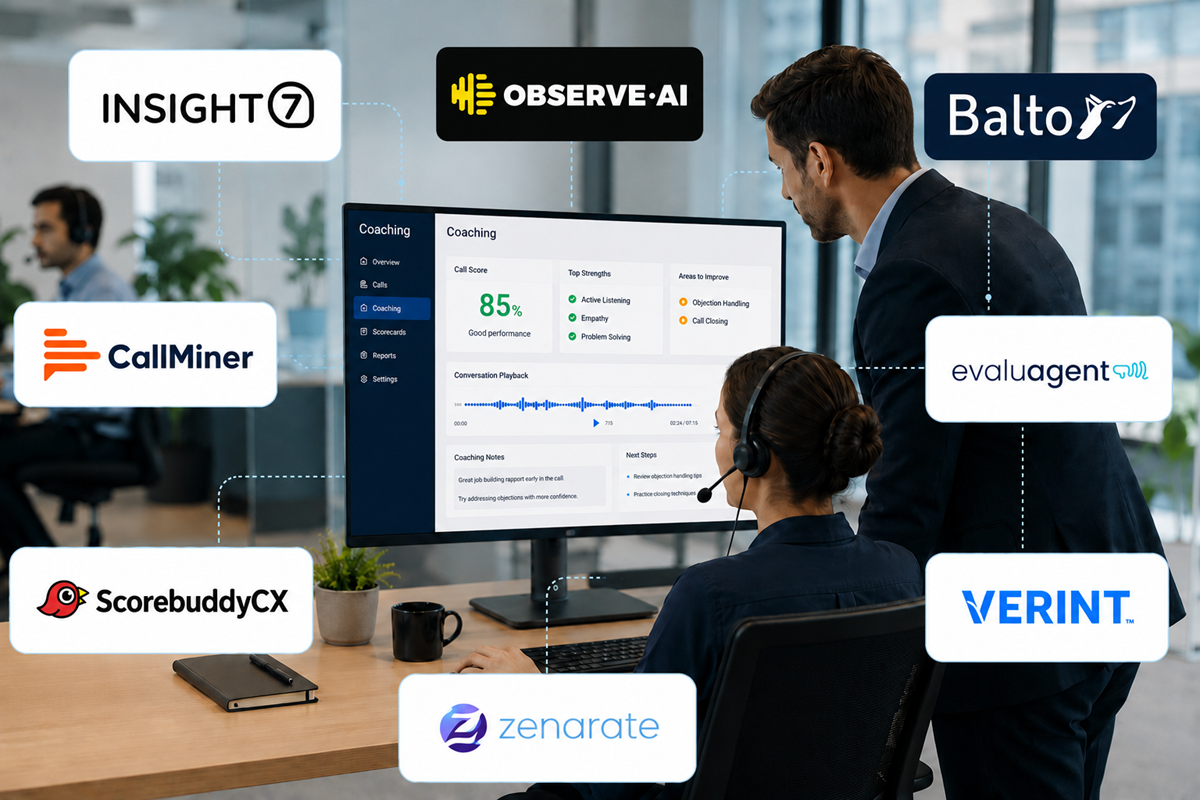
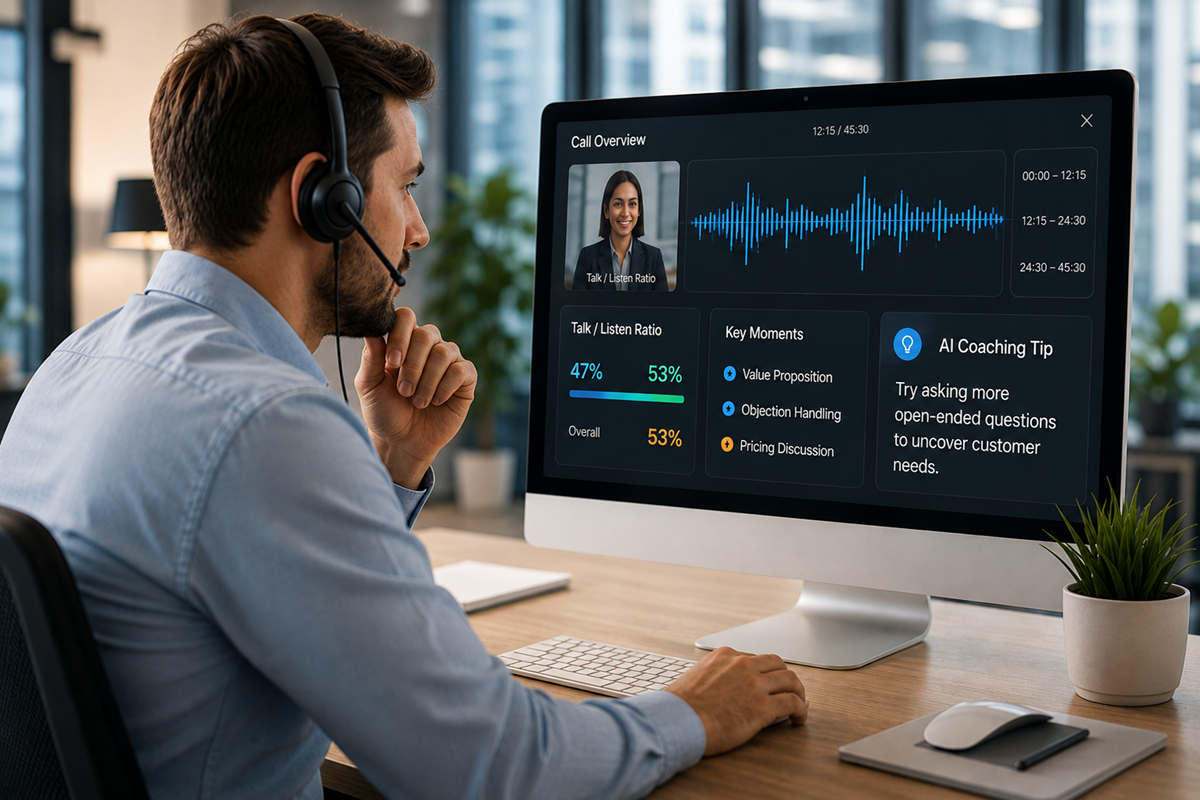
AI coaching tools, such as Insight7's AI-powered call analytics, provide a comprehensive framework for enhancing negotiation skills. These tools automatically evaluate conversations, scoring interactions based on custom quality criteria, which can include tone, empathy, and resolution effectiveness. By analyzing these elements, executives can gain valuable insights into their negotiation styles and identify areas for improvement. For instance, if an executive consistently receives low scores on empathy during negotiations, they can focus on developing this skill through targeted coaching recommendations.
One of the standout features of AI coaching is its ability to generate actionable insights from real conversations. This means that executives can receive personalized feedback based on their actual negotiation scenarios, rather than relying solely on theoretical training. By tracking performance over time, AI tools can highlight progress and reinforce learning, ensuring that executives are continually developing their skills. This ongoing support is crucial in high-pressure environments where negotiation outcomes can have significant implications for the organization.
Moreover, AI coaching tools can simulate negotiation scenarios, allowing executives to practice their techniques in a safe and controlled environment. This role-playing aspect is essential for building confidence and refining strategies. For example, executives can engage in AI-driven role plays that mimic real-life negotiation situations, enabling them to experiment with different approaches and receive immediate feedback. This hands-on practice helps to solidify learning and prepares leaders for actual negotiations, making them more adept at handling various challenges.
Another critical benefit of AI coaching is its ability to uncover recurring customer pain points and sentiment trends. By analyzing previous negotiations and customer interactions, executives can identify common objections or concerns that arise during discussions. This information can be invaluable when preparing for future negotiations, as it allows leaders to anticipate challenges and develop strategies to address them proactively. Understanding the emotional landscape of negotiations can also enhance rapport-building and lead to more successful outcomes.
As organizations continue to prioritize customer experience and satisfaction, the integration of AI coaching into negotiation training becomes increasingly relevant. By leveraging AI-powered insights, executives can not only improve their negotiation skills but also align their strategies with customer expectations. This alignment is essential for fostering long-term relationships and driving revenue growth.
In summary, improving executive negotiation skills with AI coaching offers a multifaceted approach to enhancing performance in high-stakes conversations. Through personalized feedback, realistic simulations, and data-driven insights, executives can refine their techniques, build confidence, and achieve better outcomes. As organizations recognize the value of continuous improvement and data-driven decision-making, the integration of AI into negotiation training will undoubtedly play a pivotal role in shaping effective leaders.
Comparison Table
Comparison Table
| Feature/Capability | AI Coaching for Executive Negotiation Skills | Traditional Coaching Methods |
|---|---|---|
| Personalized Feedback | Provides real-time, tailored insights based on actual negotiations. | Often relies on generalized feedback from trainers. |
| Performance Tracking | Continuously monitors and evaluates negotiation skills over time. | Limited tracking, often based on sporadic assessments. |
| Simulation Opportunities | Engages executives in realistic role-playing scenarios for practice. | Typically involves theoretical discussions without practical simulations. |
| Data-Driven Insights | Utilizes AI analytics to uncover patterns and areas for improvement. | Feedback is often subjective and lacks data support. |
| Accessibility | Available anytime, allowing for on-demand learning and practice. | Usually scheduled sessions, limiting flexibility. |
| Skill Gap Identification | Identifies specific weaknesses in negotiation tactics through analysis. | General skill assessments without pinpointing exact gaps. |
| Integration with Customer Insights | Analyzes customer interactions to inform negotiation strategies. | Lacks integration with real customer data for context. |
Selection Criteria
Selection Criteria
When selecting an AI coaching tool to improve executive negotiation skills, consider the following criteria:
-
Personalization: The tool should provide tailored feedback based on real negotiation scenarios, allowing executives to understand their strengths and weaknesses.
-
Performance Tracking: Look for features that continuously monitor and evaluate negotiation skills over time, enabling leaders to see their progress and areas needing improvement.
-
Simulation Capabilities: The ability to engage in realistic role-playing scenarios is crucial. This helps executives practice techniques in a controlled environment, building confidence before actual negotiations.
-
Data-Driven Insights: Choose a platform that utilizes AI analytics to uncover patterns in negotiation performance, offering actionable insights for skill enhancement.
-
Integration with Customer Insights: The tool should analyze past customer interactions to inform negotiation strategies, ensuring alignment with customer expectations and pain points.
-
Accessibility: Ensure the platform is available on-demand, allowing executives to practice and learn at their convenience, rather than being limited to scheduled sessions.
Implementation Guide
To improve executive negotiation skills with AI coaching, organizations should implement a structured approach that leverages AI-powered tools for personalized feedback, performance tracking, and realistic simulations. Begin by integrating AI coaching platforms that analyze past negotiation interactions, providing tailored insights into strengths and weaknesses. This data-driven feedback allows executives to refine their techniques effectively. Additionally, utilize AI's simulation capabilities to engage in role-playing scenarios that mimic real-life negotiations, enhancing confidence and skill application. Continuous performance monitoring ensures that executives can track their progress over time, while on-demand accessibility allows for flexible learning. By embracing these strategies, organizations can foster a culture of continuous improvement in negotiation skills, ultimately driving better outcomes in high-stakes discussions.
Frequently Asked Questions
Q: How can AI coaching improve executive negotiation skills?
A: AI coaching enhances executive negotiation skills by providing personalized feedback, simulating real-life scenarios, and tracking performance over time, allowing leaders to refine their techniques effectively.
Q: What features should I look for in an AI coaching tool?
A: Look for tools that offer personalized feedback, performance tracking, realistic simulation capabilities, data-driven insights, and seamless integration with customer insights to inform negotiation strategies.
Q: Is AI coaching suitable for all executives?
A: Yes, AI coaching is beneficial for executives across various industries, as it tailors learning experiences to individual strengths and weaknesses, regardless of their negotiation experience level.
Q: How does AI coaching track progress in negotiation skills?
A: AI coaching tools continuously monitor interactions and provide analytics that highlight strengths, weaknesses, and areas for improvement, enabling executives to see their progress over time.
Q: Can AI coaching help with real-time negotiation scenarios?
A: Absolutely! AI coaching platforms can simulate real-time negotiation scenarios, allowing executives to practice their skills in a controlled environment, which builds confidence and prepares them for actual negotiations.