AI plays a crucial role in helping individuals and teams practice walking away from bad deals by providing actionable insights and real-time feedback. By leveraging AI-powered call analytics, users can evaluate conversations, identify red flags, and enhance their negotiation skills. This technology allows for the automatic assessment of customer interactions, scoring them against custom quality criteria, and detecting sentiment and resolution effectiveness. As a result, sales professionals can better understand when a deal may not align with their goals, empowering them to make informed decisions. This article will explore how AI can transform the way you approach negotiations, improve your confidence in recognizing unfavorable terms, and ultimately lead to more successful outcomes.
AI Tools for Evaluating Bad Deals
AI tools are revolutionizing the way sales professionals evaluate deals, particularly when it comes to recognizing and walking away from bad offers. By utilizing AI-powered call analytics, individuals can gain valuable insights into their conversations, helping them identify red flags and assess the viability of potential deals. This technology not only enhances negotiation skills but also boosts confidence in recognizing unfavorable terms, ultimately leading to more successful outcomes.
One of the key features of AI tools like Insight7 is their ability to automatically evaluate customer interactions. By scoring conversations against custom quality criteria, these tools can detect sentiment, empathy, and resolution effectiveness. This means that sales professionals can receive real-time feedback on their calls, allowing them to pinpoint moments where a deal may not align with their objectives. For instance, if a conversation reveals persistent objections or dissatisfaction from the customer, it may signal that the deal is not worth pursuing.
Moreover, AI tools provide actionable coaching insights derived from real conversations. This capability allows sales teams to track performance over time, identify skill gaps, and receive targeted coaching recommendations. By continuously monitoring interactions, sales professionals can refine their approach and learn to recognize the signs of a bad deal more effectively. This ongoing development is crucial, as it empowers individuals to make informed decisions about when to walk away from negotiations that do not serve their best interests.
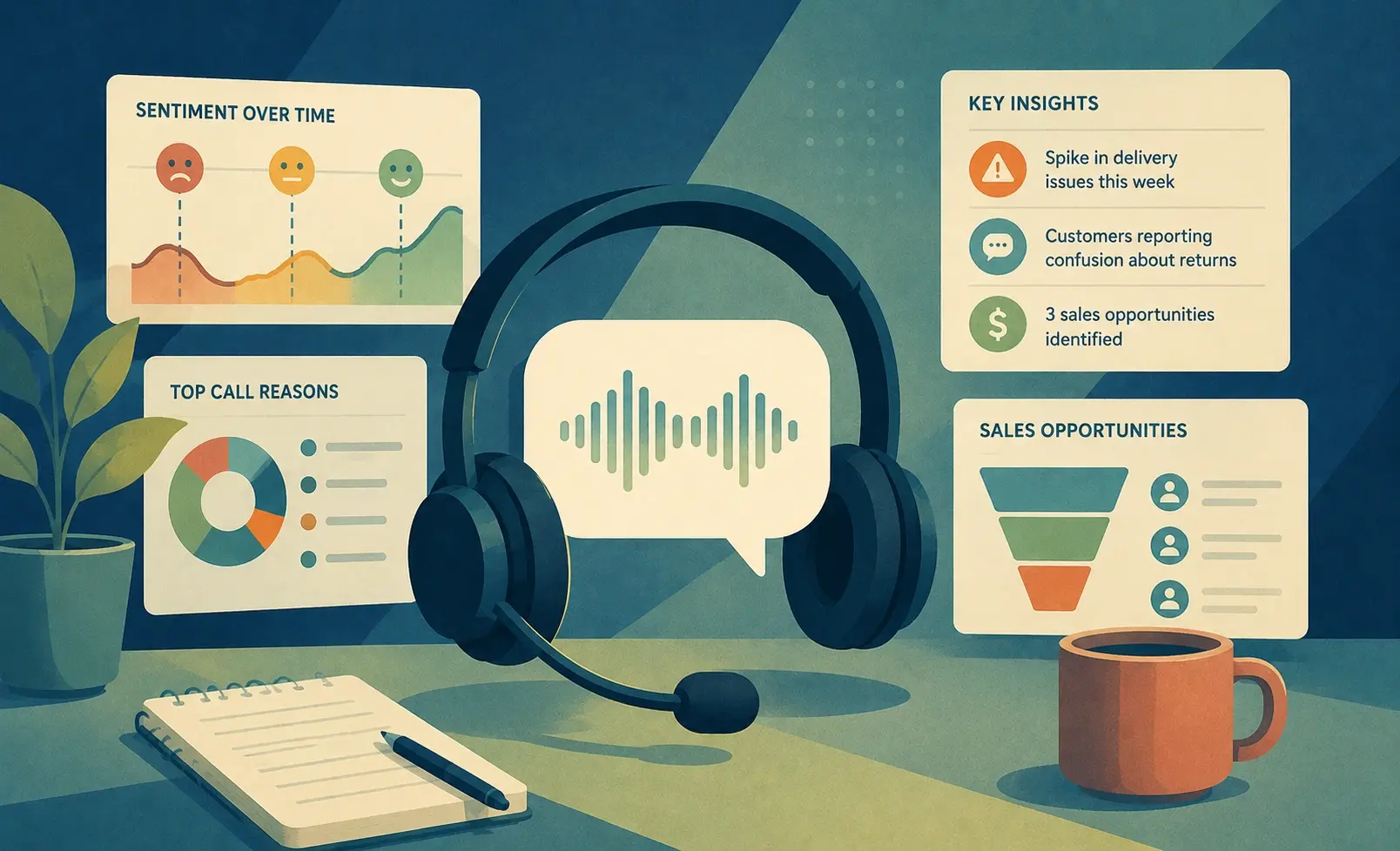
Another significant advantage of AI in this context is its ability to uncover recurring customer pain points and sentiment trends. By analyzing data from multiple interactions, sales professionals can identify patterns that may indicate a deal is likely to lead to dissatisfaction or complications down the line. For example, if a particular product consistently receives negative feedback during calls, it may be wise to reconsider pursuing deals related to that product. This proactive approach not only saves time and resources but also protects the integrity of the sales team and the company’s reputation.
AI tools also enhance the overall customer experience by detecting upsell and cross-sell opportunities in real time. By understanding customer needs and preferences through sentiment analysis, sales professionals can tailor their pitches accordingly. This level of personalization can lead to more successful negotiations and ultimately better outcomes. However, it also means that if a deal does not align with the customer's needs, the sales professional can confidently walk away, knowing they are prioritizing the customer's best interests.
In summary, AI tools like Insight7 provide invaluable support for sales professionals looking to practice walking away from bad deals. By offering real-time feedback, actionable insights, and the ability to analyze customer interactions, these tools empower individuals to make informed decisions. As a result, sales teams can enhance their negotiation skills, recognize unfavorable terms, and ultimately drive more successful outcomes. Embracing AI technology is not just about improving efficiency; it’s about fostering a culture of informed decision-making that prioritizes both the sales team's and customers' best interests.
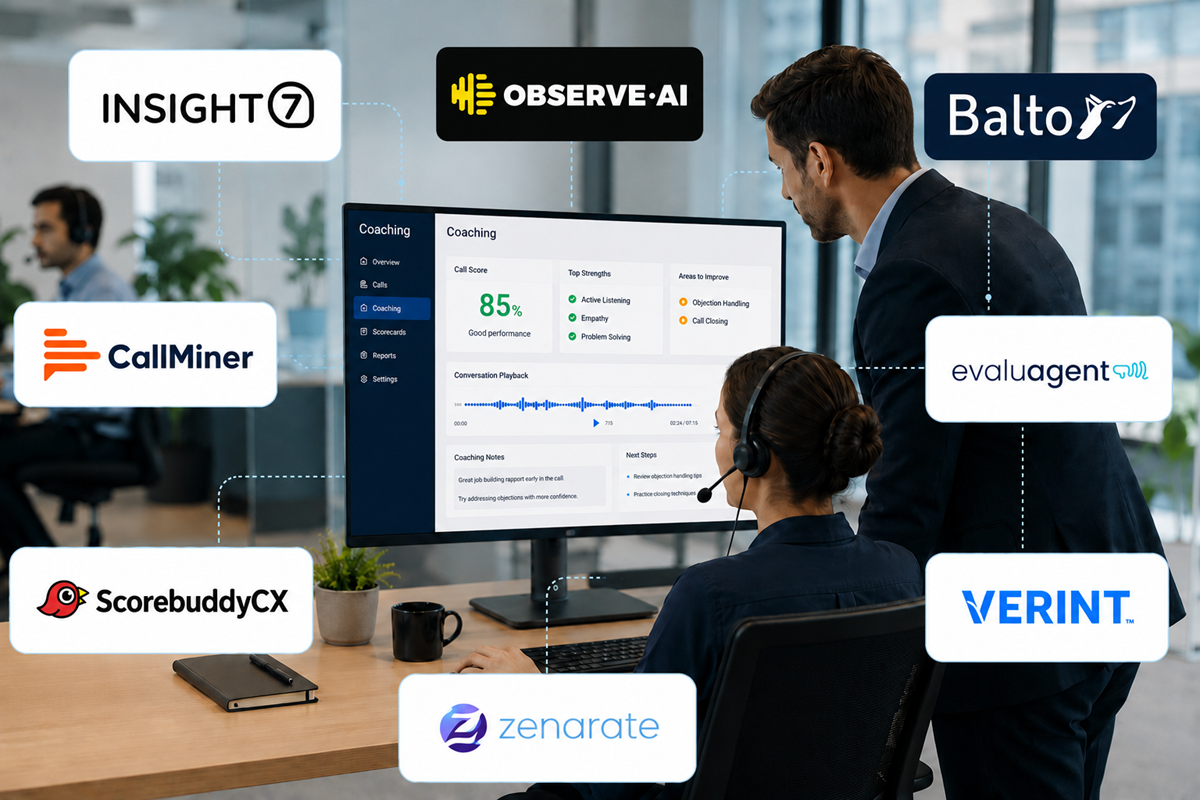
Comparison Table
AI tools, particularly those like Insight7, significantly enhance the ability of sales professionals to practice walking away from bad deals. By automatically evaluating customer interactions, these tools provide real-time feedback that helps identify red flags and unfavorable terms. This process involves scoring conversations against custom quality criteria, detecting sentiment, and assessing resolution effectiveness. As a result, sales teams can pinpoint moments in discussions that suggest a deal may not align with their objectives, empowering them to make informed decisions about when to disengage.
Moreover, AI-driven insights allow for continuous performance tracking and targeted coaching, enabling sales professionals to refine their negotiation skills over time. By uncovering recurring customer pain points and sentiment trends, AI tools help identify patterns that may indicate potential dissatisfaction, further guiding professionals in their decision-making. This proactive approach not only saves time and resources but also protects the integrity of the sales team and the company's reputation. Ultimately, embracing AI technology fosters a culture of informed decision-making, prioritizing both the sales team's and customers' best interests.
Selection Criteria
Selection Criteria
AI tools like Insight7 significantly enhance the ability of sales professionals to practice walking away from bad deals. By automatically evaluating customer interactions, these tools provide real-time feedback that helps identify red flags and unfavorable terms. This process involves scoring conversations against custom quality criteria, detecting sentiment, and assessing resolution effectiveness. As a result, sales teams can pinpoint moments in discussions that suggest a deal may not align with their objectives, empowering them to make informed decisions about when to disengage.
Moreover, AI-driven insights allow for continuous performance tracking and targeted coaching, enabling sales professionals to refine their negotiation skills over time. By uncovering recurring customer pain points and sentiment trends, AI tools help identify patterns that may indicate potential dissatisfaction, further guiding professionals in their decision-making. This proactive approach not only saves time and resources but also protects the integrity of the sales team and the company's reputation. Ultimately, embracing AI technology fosters a culture of informed decision-making, prioritizing both the sales team's and customers' best interests.
Implementation Guide
AI tools like Insight7 empower sales professionals to practice walking away from bad deals by providing real-time feedback and insights during customer interactions. By automatically evaluating conversations, these tools help identify red flags and unfavorable terms, allowing sales teams to recognize when a deal may not align with their objectives. This proactive approach enables informed decision-making, ensuring that sales professionals can disengage from unproductive negotiations.
Moreover, AI-driven insights facilitate continuous performance tracking and targeted coaching, enhancing negotiation skills over time. By uncovering recurring customer pain points and sentiment trends, these tools guide professionals in recognizing patterns that may indicate potential dissatisfaction. Ultimately, embracing AI technology fosters a culture of informed decision-making, prioritizing the best interests of both the sales team and customers.
Frequently Asked Questions
Q: How can AI help sales professionals identify bad deals?
A: AI tools like Insight7 automatically evaluate customer interactions, scoring conversations against custom quality criteria to uncover red flags and unfavorable terms. This allows sales professionals to recognize when a deal may not align with their objectives.
Q: What specific insights does AI provide during customer interactions?
A: AI-driven insights include sentiment detection, empathy assessment, and resolution effectiveness, which help sales teams pinpoint moments in discussions that suggest potential dissatisfaction or misalignment with their goals.
Q: How does AI facilitate continuous improvement in negotiation skills?
A: By tracking performance over time and providing targeted coaching recommendations, AI tools enable sales professionals to refine their negotiation skills and learn from past interactions, fostering a culture of informed decision-making.
Q: Can AI help in recognizing customer pain points?
A: Yes, AI tools uncover recurring customer pain points and sentiment trends, guiding sales professionals in recognizing patterns that may indicate potential dissatisfaction, which is crucial for deciding when to disengage from a deal.
Q: What are the benefits of using AI for decision-making in sales?
A: Embracing AI technology not only saves time and resources but also protects the integrity of the sales team and the company's reputation by prioritizing informed decision-making that serves both the sales team and customers' best interests.