When negotiations stall, it can be frustrating for all parties involved, but there are effective strategies to overcome these impasses. First, it's essential to reassess the interests of both sides, fostering open communication to identify underlying concerns. Techniques such as active listening and empathy can help re-engage participants and create a collaborative atmosphere. Additionally, leveraging AI tools can significantly enhance this process. AI-powered platforms, like Insight7, provide valuable insights through call analytics, enabling teams to analyze conversations for sentiment and resolution effectiveness. By utilizing these insights, negotiators can tailor their approach, identify pain points, and ultimately drive negotiations forward, transforming stalled discussions into productive outcomes. This article will explore these strategies in detail, highlighting the role of AI in facilitating successful negotiations.
Strategies to Overcome Stalled Negotiations
When negotiations stall, it can be a significant roadblock for all parties involved. However, there are effective strategies to overcome these impasses, and leveraging AI tools can enhance the process tremendously. First, it’s crucial to reassess the interests of both sides, fostering open communication to identify underlying concerns. Techniques such as active listening and empathy can help re-engage participants and create a collaborative atmosphere. AI-powered platforms, like Insight7, provide valuable insights through call analytics, enabling teams to analyze conversations for sentiment and resolution effectiveness. By utilizing these insights, negotiators can tailor their approach, identify pain points, and ultimately drive negotiations forward, transforming stalled discussions into productive outcomes.
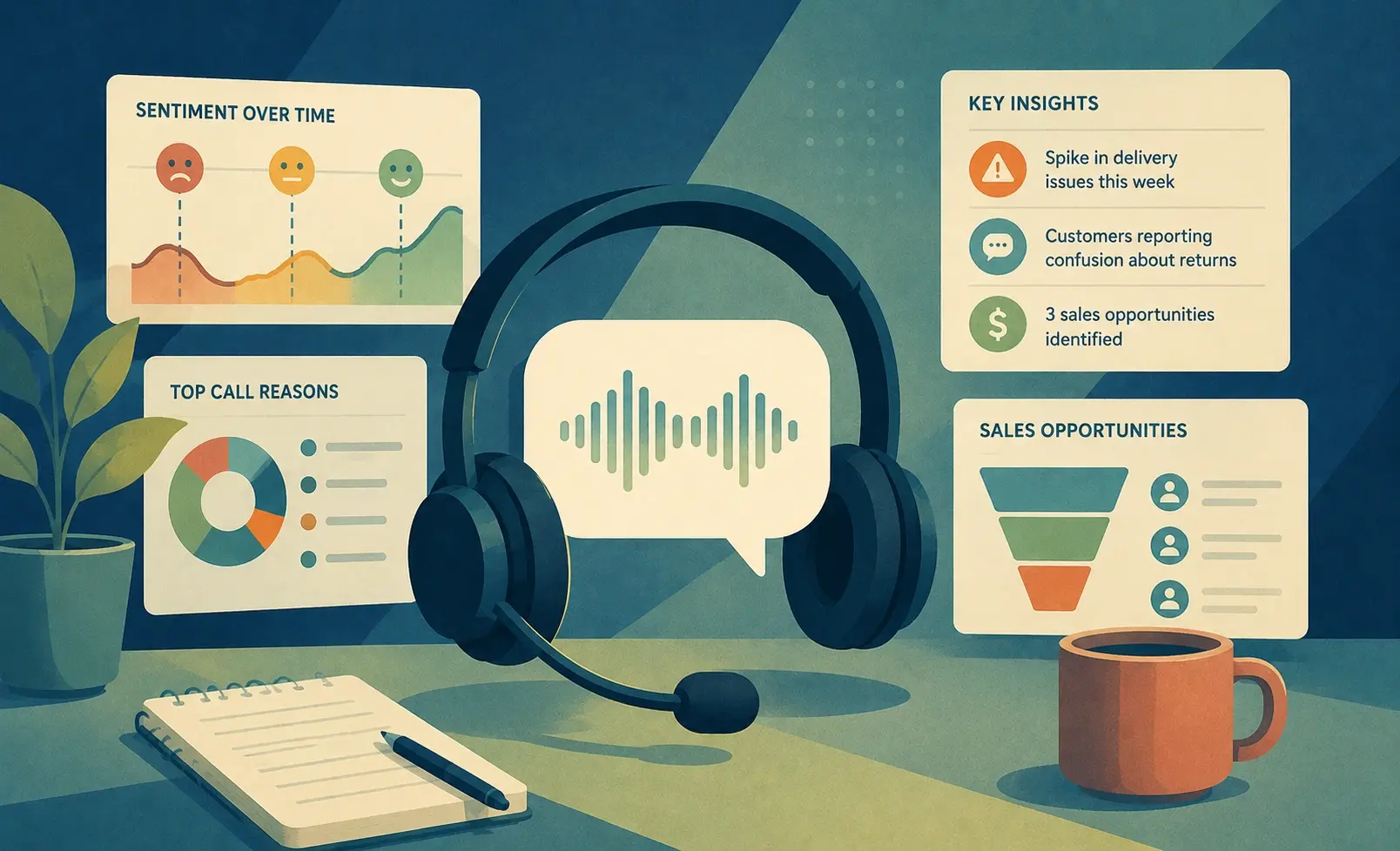
One of the primary strategies to overcome stalled negotiations is to revisit the interests of both parties. Often, negotiations stall because one or both sides feel that their core interests are not being addressed. By taking the time to reassess these interests, negotiators can identify common ground and areas of potential compromise. This process can be facilitated by AI tools that analyze past conversations, helping teams uncover underlying sentiments and concerns that may not have been explicitly stated. For instance, Insight7’s AI-powered call analytics can evaluate customer interactions, providing insights into sentiment and empathy levels that can guide negotiators in understanding the emotional landscape of the discussions.
Another effective strategy is to enhance communication through active listening and empathy. When negotiators actively listen to each other, they create an environment where all parties feel heard and valued. This can significantly reduce tension and foster a more collaborative atmosphere. AI tools can assist in this process by providing real-time feedback on communication styles and effectiveness. Insight7’s capabilities in sentiment detection can help negotiators gauge the emotional responses of their counterparts, allowing them to adjust their communication strategies accordingly. By understanding how their messages are being received, negotiators can pivot their approaches to better address concerns and move the conversation forward.
Additionally, it’s important to identify and address any potential roadblocks that may be causing the negotiation to stall. This could involve clarifying misunderstandings, providing additional information, or even bringing in a neutral third party to facilitate discussions. AI can play a critical role in identifying these roadblocks by analyzing conversation data for recurring themes or issues. Insight7’s trend and theme analysis features can help teams pinpoint specific areas of friction that may be hindering progress. By addressing these issues head-on, negotiators can create a more conducive environment for resolution.
Moreover, utilizing AI-driven insights can help negotiators identify upsell and cross-sell opportunities that may arise during discussions. By analyzing past interactions, teams can uncover potential areas for additional value creation that can be presented during negotiations. This proactive approach not only helps in overcoming stalls but can also lead to more favorable outcomes for all parties involved. Insight7’s ability to detect these opportunities in real-time allows negotiators to pivot their strategies and present solutions that align with the interests of both sides.
Finally, continuous monitoring and evaluation of negotiation progress can help teams stay on track and adapt their strategies as needed. AI tools can automate this process, providing ongoing insights into the effectiveness of communication and negotiation tactics. Insight7’s performance dashboards enable teams to visualize trends and track improvements over time, ensuring that they remain agile and responsive to changing dynamics in negotiations.
In conclusion, when negotiations stall, it’s essential to reassess interests, enhance communication, identify roadblocks, leverage AI-driven insights, and continuously monitor progress. By implementing these strategies, negotiators can transform stalled discussions into productive outcomes, ultimately driving success for all parties involved. AI tools like Insight7 provide the necessary support to facilitate this process, ensuring that teams can navigate negotiations with confidence and clarity.
AI Tools to Facilitate Resolutions
When negotiations stall, it can be frustrating for all parties involved, but leveraging AI tools can significantly enhance the resolution process. AI-powered platforms, like Insight7, provide valuable insights through call analytics, enabling teams to analyze conversations for sentiment and resolution effectiveness. By utilizing these insights, negotiators can reassess interests, enhance communication, identify roadblocks, and uncover upsell opportunities. This proactive approach not only helps in overcoming stalls but can also lead to more favorable outcomes for all parties involved. Continuous monitoring and evaluation of negotiation progress through AI tools ensure that teams remain agile and responsive, ultimately transforming stalled discussions into productive outcomes. In this article, we will explore these strategies in detail, highlighting the role of AI in facilitating successful negotiations.
Comparison Table
When negotiations stall, it’s crucial to reassess interests, enhance communication, identify roadblocks, leverage AI-driven insights, and continuously monitor progress. AI tools, such as Insight7, can significantly aid in these areas by providing valuable analytics on conversations, sentiment, and resolution effectiveness. By analyzing past interactions, teams can uncover underlying concerns and adjust their strategies accordingly. This proactive approach not only helps overcome stalls but also identifies upsell opportunities, creating a more favorable outcome for all parties involved. Continuous evaluation through AI ensures that teams remain agile and responsive, transforming stalled discussions into productive negotiations.
AI tools can facilitate resolutions by automating the analysis of conversation data, enabling teams to identify recurring themes and potential roadblocks. Insight7’s capabilities in sentiment detection and performance monitoring allow negotiators to refine their communication strategies in real-time, ensuring that they effectively address concerns and maintain engagement. By leveraging these insights, teams can navigate negotiations with greater confidence and clarity, ultimately driving success for all involved.
Implementation Steps
When negotiations stall, it’s essential to take proactive steps to regain momentum, and AI can play a pivotal role in this process. First, reassess the interests of all parties involved by analyzing past interactions using AI-driven insights. Platforms like Insight7 can evaluate conversation data, uncovering sentiment trends and identifying underlying concerns. Next, enhance communication by utilizing AI to provide real-time feedback on negotiation tactics, ensuring that all parties remain engaged and informed. Additionally, identify potential roadblocks through continuous monitoring of negotiation progress, allowing teams to pivot their strategies as needed. By leveraging these AI capabilities, negotiators can transform stalled discussions into productive outcomes, ultimately leading to more favorable agreements for all involved.
Frequently Asked Questions
Q: What should I do when negotiations stall?
A: When negotiations stall, reassess the interests of all parties, enhance communication, and identify potential roadblocks. Engaging in open dialogue can help clarify concerns and facilitate progress.
Q: How can AI assist in overcoming stalled negotiations?
A: AI tools like Insight7 can analyze past interactions to uncover sentiment trends and underlying concerns, providing valuable insights that help teams adjust their strategies effectively.
Q: What specific features of AI can help in negotiations?
A: AI can automate conversation analysis, detect sentiment, and monitor performance, allowing negotiators to refine their communication strategies in real-time and maintain engagement.
Q: How does continuous monitoring improve negotiation outcomes?
A: Continuous monitoring through AI ensures that teams remain agile, enabling them to pivot their strategies as needed and transforming stalled discussions into productive negotiations.
Q: Can AI help identify upsell opportunities during negotiations?
A: Yes, AI tools can surface upsell and cross-sell moments during negotiations, creating favorable outcomes for all parties involved while enhancing overall engagement.