In today's complex business landscape, multi-party negotiations are becoming increasingly common, and leveraging AI simulations can significantly enhance negotiation practices. This article explores how AI-driven simulations can provide a safe, controlled environment for participants to practice their negotiation skills, refine strategies, and receive real-time feedback. By simulating various scenarios, users can better understand the dynamics of multi-party negotiations, identify potential pitfalls, and develop effective communication techniques. The integration of AI not only streamlines the learning process but also helps participants build confidence and competence in their negotiation abilities. As we delve deeper, we will uncover the key benefits, practical applications, and best practices for implementing AI simulations in multi-party negotiation training.
Essential Tools for Multi-Party Negotiation Practice with AI Simulation
In the realm of multi-party negotiations, the integration of AI simulations is revolutionizing how individuals and teams prepare for and engage in complex discussions. These simulations provide a dynamic platform where participants can practice negotiation strategies, refine their communication skills, and receive immediate feedback in a risk-free environment. By leveraging AI technology, organizations can create realistic negotiation scenarios that mimic real-world dynamics, allowing users to explore various outcomes and develop effective strategies tailored to their unique contexts.
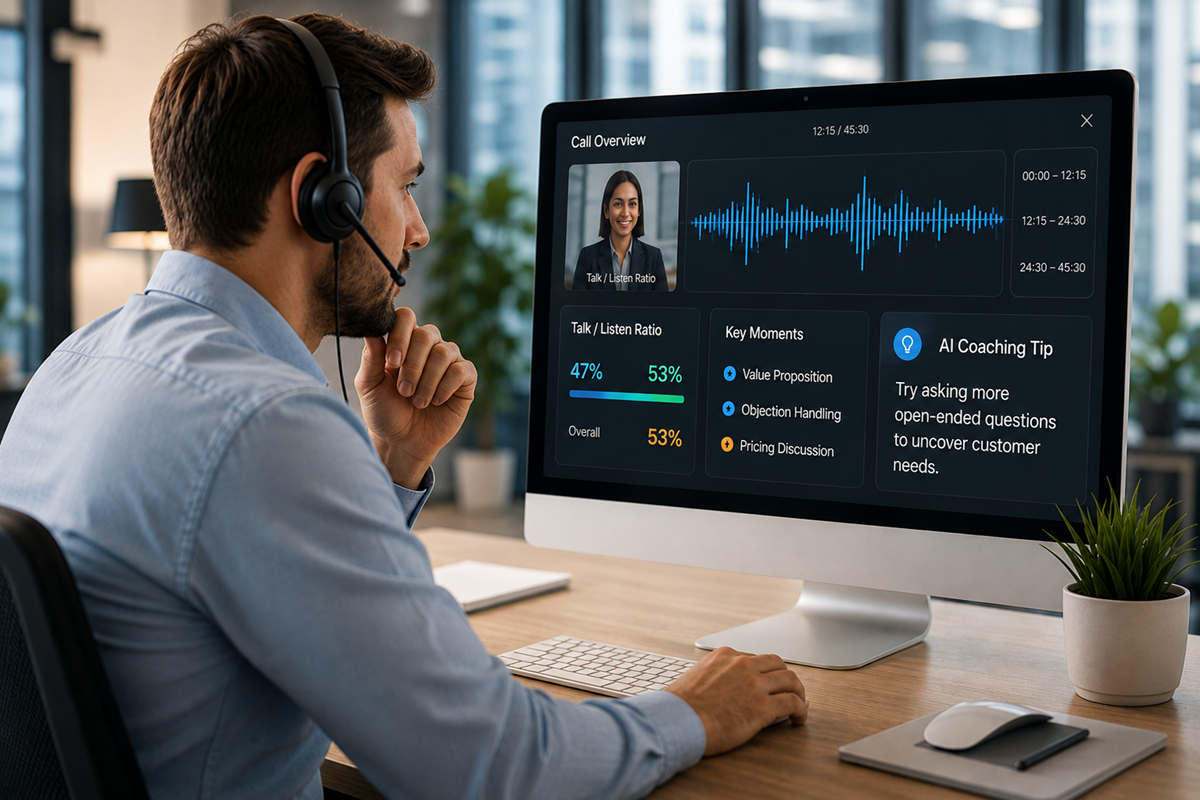
AI simulations for multi-party negotiation practice offer several essential tools that enhance the learning experience. One of the core capabilities is the ability to automatically evaluate interactions based on custom quality criteria. This feature allows participants to receive unbiased insights into their negotiation techniques, including assessments of tone, empathy, and resolution effectiveness. By scoring interactions, teams can identify strengths and areas for improvement, leading to more effective negotiation outcomes.
Another critical aspect of AI simulations is their role in coaching and performance management. The AI-driven feedback generated from real conversations can be instrumental in tracking agent performance over time. By identifying skill gaps and suggesting targeted coaching recommendations, organizations can ensure that their teams are continuously developing their negotiation skills. This ongoing support fosters a culture of improvement and accountability, which is vital in high-stakes negotiation environments.
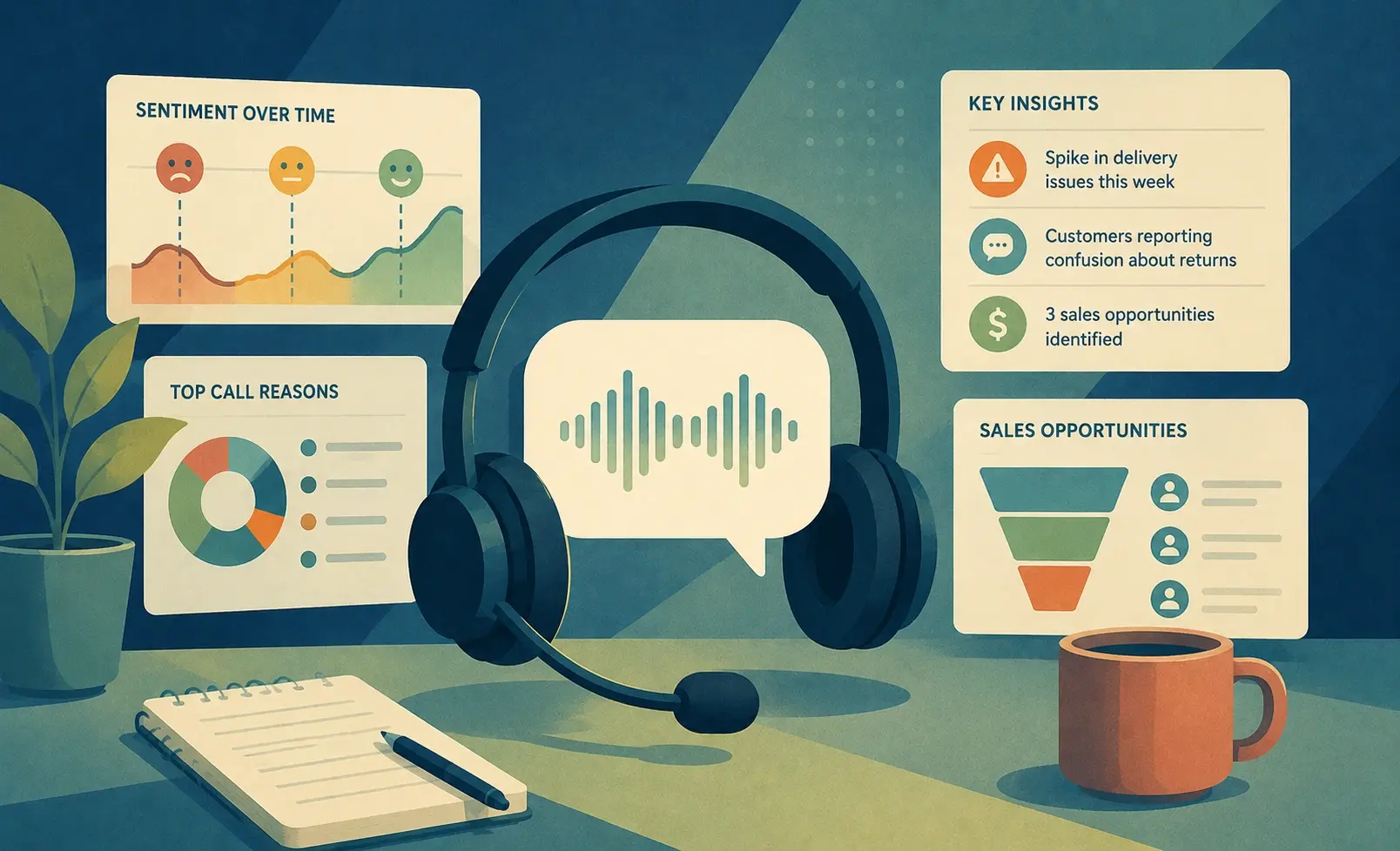
Moreover, AI simulations can uncover recurring customer pain points and sentiment trends during negotiations. By analyzing these insights, teams can identify drivers of satisfaction and escalation, allowing them to adjust their strategies accordingly. This proactive approach not only enhances negotiation effectiveness but also contributes to improved customer experiences, as teams can address concerns before they escalate into larger issues.
The customization capabilities of AI simulations further enhance their effectiveness in multi-party negotiations. Organizations can tailor scenarios to reflect specific negotiation contexts, ensuring that participants are practicing relevant skills. This customization can include role assignments, negotiation objectives, and potential objections, allowing users to engage in realistic and meaningful practice sessions. By simulating various stakeholder perspectives, participants can better understand the complexities of multi-party negotiations and develop strategies that accommodate diverse interests.
In addition to these capabilities, AI simulations facilitate performance tracking through comprehensive dashboards. These dashboards visualize trends across agents and teams, providing leaders with valuable insights into overall negotiation performance. By monitoring quality and compliance continuously, organizations can ensure that their teams are adhering to best practices and achieving desired outcomes.
As organizations embrace AI simulations for multi-party negotiation practice, they can expect significant improvements in negotiation readiness and effectiveness. By providing a safe space for practice, real-time feedback, and data-driven insights, these tools empower teams to navigate complex negotiations with confidence. The integration of AI not only streamlines the learning process but also fosters a culture of continuous improvement, ultimately leading to better negotiation outcomes and enhanced organizational performance.
In conclusion, the essential tools for multi-party negotiation practice with AI simulation encompass automatic evaluation, coaching insights, sentiment analysis, customization capabilities, and performance tracking. By leveraging these tools, organizations can equip their teams with the skills and confidence needed to excel in multi-party negotiations, driving better results and fostering stronger relationships with stakeholders. As the landscape of negotiation continues to evolve, embracing AI simulations will be crucial for organizations looking to stay competitive and effective in their negotiation strategies.
Comparison Table
Comparison Table
Multi-party negotiation practice with AI simulation offers a transformative approach to enhancing negotiation skills. Unlike traditional methods, AI simulations provide a dynamic, interactive environment where participants can practice and refine their strategies in real-time. Key features include automatic evaluation of negotiation techniques, personalized coaching insights, and the ability to simulate various stakeholder perspectives. This contrasts with conventional training, which often relies on static role-playing and limited feedback. AI-driven simulations also enable organizations to customize scenarios based on specific negotiation contexts, ensuring relevance and engagement. Additionally, performance tracking through comprehensive dashboards allows for continuous improvement, making AI simulations a superior choice for organizations seeking to enhance negotiation readiness and effectiveness. Embracing this innovative approach can lead to better outcomes and stronger stakeholder relationships.
Selection Criteria
Selection Criteria
When evaluating multi-party negotiation practice with AI simulation, organizations should consider several key criteria to ensure effective implementation and outcomes. First, the platform must offer automatic evaluation capabilities, allowing participants to receive unbiased feedback on their negotiation techniques, including tone, empathy, and resolution effectiveness. This feature is essential for identifying strengths and areas for improvement.
Next, the ability to provide personalized coaching insights is crucial. The AI should track agent performance over time, identify skill gaps, and suggest targeted coaching recommendations to foster continuous development. Additionally, customization options are vital; the platform should enable organizations to tailor scenarios to reflect specific negotiation contexts, ensuring relevance and engagement.
Finally, robust performance tracking through comprehensive dashboards is necessary to visualize trends and monitor compliance. By focusing on these selection criteria, organizations can enhance their negotiation readiness and effectiveness, ultimately leading to improved outcomes and stronger stakeholder relationships.
Implementation Guide
Implementation Guide
To effectively implement multi-party negotiation practice with AI simulation, organizations should begin by selecting a robust AI platform that offers automatic evaluation and personalized coaching insights. Start by defining specific negotiation scenarios relevant to your business context, ensuring that the AI can simulate various stakeholder perspectives. Engage team members in training sessions to familiarize them with the platform's features, emphasizing the importance of real-time feedback and performance tracking.
Next, establish clear metrics for success, such as improvements in negotiation outcomes and participant confidence levels. Encourage continuous practice by integrating the AI simulation into regular training schedules, allowing participants to refine their skills over time. Finally, leverage performance dashboards to monitor progress and identify areas for further development, fostering a culture of ongoing learning and improvement within your organization.
Frequently Asked Questions
Q: What is multi-party negotiation practice with AI simulation?
A: Multi-party negotiation practice with AI simulation involves using artificial intelligence to create realistic negotiation scenarios where multiple stakeholders can practice their negotiation skills. This technology provides real-time feedback and insights to enhance participants' strategies and outcomes.
Q: How does AI simulation improve negotiation skills?
A: AI simulation improves negotiation skills by offering personalized coaching insights based on participants' performance. It evaluates interactions for tone, empathy, and resolution effectiveness, allowing users to identify strengths and areas for improvement.
Q: What are the benefits of using AI for multi-party negotiations?
A: The benefits include unbiased evaluation of negotiation techniques, tailored coaching recommendations, and the ability to simulate various stakeholder perspectives, leading to enhanced readiness and more effective negotiation outcomes.
Q: Can the AI simulation be customized for specific negotiation scenarios?
A: Yes, the AI simulation can be customized to reflect specific negotiation contexts, ensuring that the training is relevant and engaging for participants.
Q: How do organizations measure success in AI-driven negotiation training?
A: Organizations can measure success through performance dashboards that track improvements in negotiation outcomes, participant confidence levels, and overall engagement with the training platform.