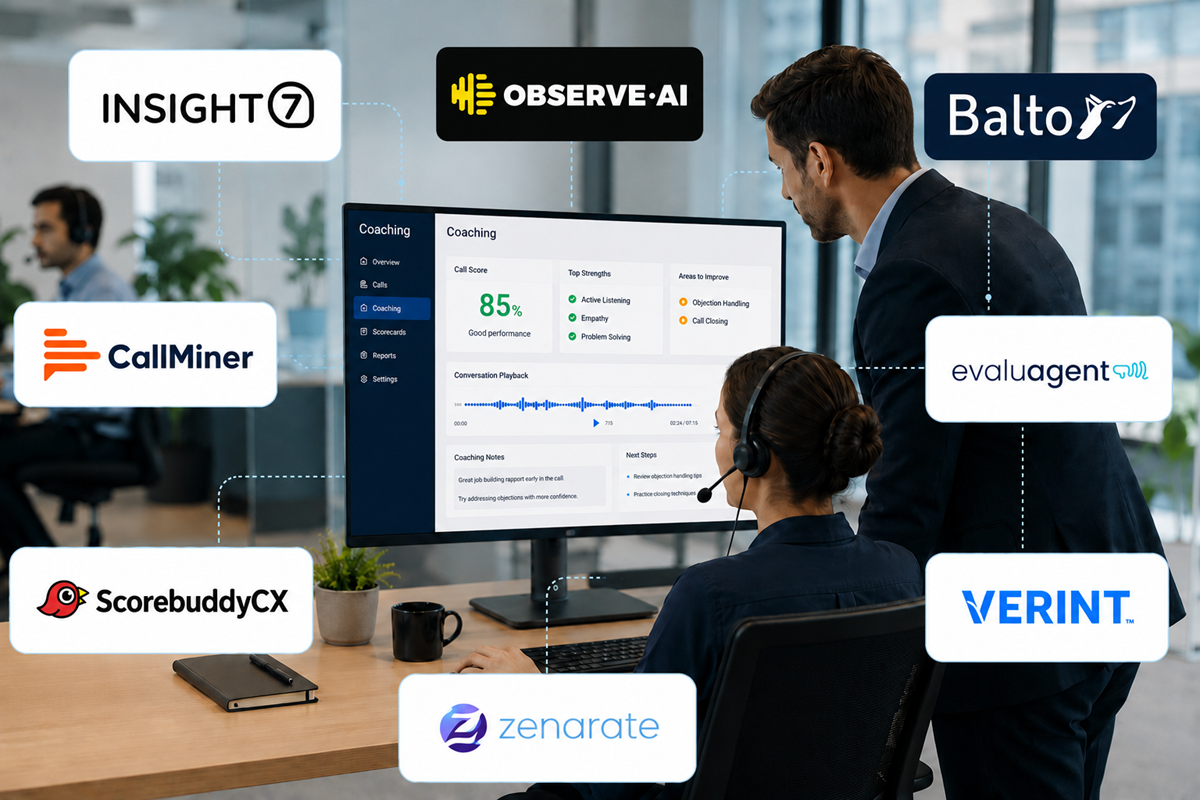
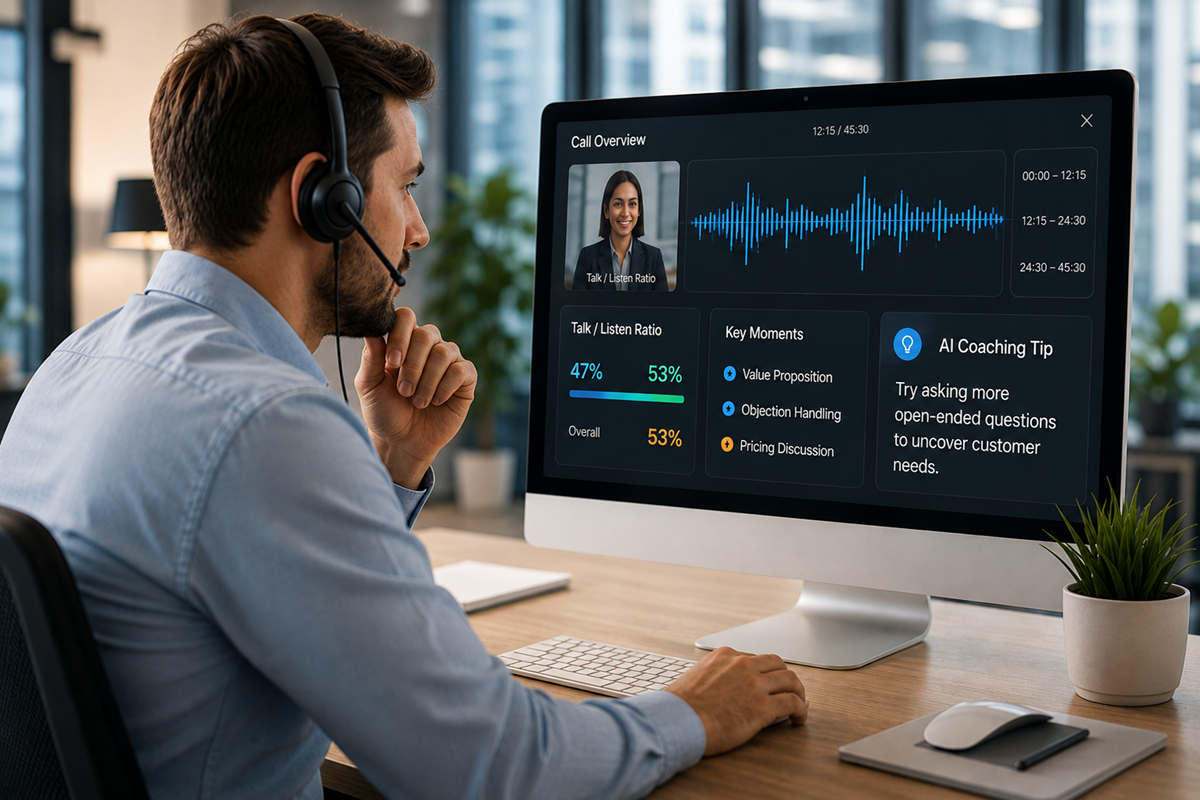
Coaching leadership development using AI tools can transform the way organizations nurture their leaders. By leveraging AI-powered platforms, such as Insight7, leaders can gain actionable insights from real conversations, identify skill gaps, and receive personalized coaching recommendations. These tools automate the evaluation of customer interactions, allowing managers to track performance and monitor compliance effectively. As a result, organizations can enhance training programs, improve service quality, and ultimately drive revenue growth. In this article, we will explore how AI tools can be integrated into leadership coaching, the benefits they offer, and practical strategies for maximizing their impact on leadership development. Embracing these technologies not only streamlines the coaching process but also empowers leaders to thrive in a dynamic business environment.
Essential AI Tools for Leadership Development Coaching
Coaching leadership development using AI tools can significantly enhance the effectiveness and efficiency of training programs. By leveraging platforms like Insight7, organizations can automate the evaluation of customer interactions, providing leaders with actionable insights that inform their coaching strategies. These AI-powered tools not only identify skill gaps but also deliver personalized coaching recommendations, allowing leaders to focus on areas that need improvement. This approach transforms the coaching process from a reactive to a proactive one, enabling leaders to develop their skills in real-time based on actual performance data.
To effectively coach leadership development using AI tools, organizations should start by integrating AI-powered call analytics into their existing coaching frameworks. Insight7, for example, automatically evaluates customer calls, scoring interactions against custom quality criteria. This capability allows managers to assess the tone, empathy, and resolution effectiveness of their team members' conversations. By analyzing these metrics, leaders can gain a clearer understanding of their strengths and weaknesses, facilitating targeted coaching sessions that address specific areas for improvement.
Another essential aspect of coaching with AI tools is the generation of actionable insights from real conversations. Insight7's coaching and performance management features enable leaders to track agent performance over time, identifying trends and skill gaps. This data-driven approach allows for continuous monitoring of quality and compliance, ensuring that leaders are equipped with the information they need to foster growth within their teams. By utilizing these insights, organizations can refine their training programs, making them more relevant and impactful.
Furthermore, AI tools can enhance the customer experience by uncovering recurring pain points and sentiment trends. By analyzing customer interactions, leaders can identify drivers of satisfaction and escalation, allowing them to address issues proactively. This not only improves service quality but also creates opportunities for upselling and cross-selling, ultimately driving revenue growth. Leaders can use these insights to coach their teams on how to better engage with customers, enhancing overall performance.
To maximize the impact of AI tools on leadership development, organizations should also focus on creating a culture of continuous learning. By encouraging leaders to engage with AI-driven coaching recommendations and performance dashboards, organizations can foster an environment where feedback is valued and utilized for growth. This culture not only empowers leaders to take ownership of their development but also promotes accountability within teams.
In summary, coaching leadership development using AI tools involves integrating advanced analytics into the coaching process, generating actionable insights from real conversations, and fostering a culture of continuous learning. By leveraging platforms like Insight7, organizations can transform their coaching strategies, enabling leaders to thrive in a dynamic business environment. This approach not only enhances individual performance but also contributes to the overall success of the organization. Embracing AI in leadership coaching is not just a trend; it is a strategic move towards building a more agile and effective leadership team.
Comparison Table
Comparison Table
| Feature/Capability | Insight7 | Traditional Coaching Methods |
|---|---|---|
| Call Evaluation | Automatically evaluates 100% of customer calls for tone, empathy, and resolution quality. | Manual evaluation of calls, often inconsistent and subjective. |
| Actionable Insights | Generates insights from real conversations to inform coaching strategies. | Insights often based on anecdotal evidence or personal observations. |
| Performance Tracking | Tracks agent performance over time, identifying trends and skill gaps. | Performance tracking may be sporadic and less data-driven. |
| Continuous Monitoring | Monitors quality and compliance continuously, ensuring up-to-date feedback. | Feedback is often periodic and may not reflect real-time performance. |
| Customer Experience Improvement | Uncovers recurring customer pain points and sentiment trends for proactive coaching. | Limited ability to analyze customer interactions for coaching purposes. |
| Personalized Coaching Recommendations | Delivers AI-driven, tailored feedback based on specific performance metrics. | Coaching recommendations are typically generalized and less targeted. |
| Multilingual Support | Supports evaluation of global conversations accurately. | Often limited to a single language, hindering global team effectiveness. |
| Security Compliance | GDPR and SOC2 compliant, ensuring data security and privacy. | Varies widely; may not meet enterprise-grade security standards. |
Selection Criteria
To effectively coach leadership development using AI tools, organizations should focus on integrating AI-powered analytics into their coaching frameworks. By utilizing platforms like Insight7, leaders can automatically evaluate customer interactions, gaining insights into team performance and identifying areas for improvement. This data-driven approach allows for personalized coaching recommendations based on real conversations, transforming the coaching process from reactive to proactive.
AI tools enable continuous monitoring of agent performance, helping leaders track skill gaps and trends over time. Additionally, these tools uncover recurring customer pain points and sentiment trends, allowing leaders to address issues proactively and enhance service quality. By fostering a culture of continuous learning and leveraging AI-driven insights, organizations can empower leaders to take ownership of their development, ultimately driving growth and success within their teams.
Implementation Guide
To effectively coach leadership development using AI tools, organizations should integrate platforms like Insight7 into their coaching frameworks. These tools provide automatic evaluations of customer interactions, yielding actionable insights that inform coaching strategies. By analyzing real conversations, leaders can identify performance trends and skill gaps, allowing for personalized coaching recommendations that are data-driven rather than anecdotal.
Implementing AI tools facilitates continuous monitoring of team performance, helping leaders proactively address recurring customer pain points and sentiment trends. This proactive approach not only enhances service quality but also fosters a culture of continuous learning. By leveraging AI-driven insights, organizations empower leaders to take ownership of their development, ultimately driving growth and success within their teams. Embracing AI in coaching transforms the process from reactive to proactive, ensuring leaders are equipped to thrive in dynamic environments.
Frequently Asked Questions
Frequently Asked Questions
Q: How can AI tools enhance leadership development coaching?
A: AI tools, like Insight7, provide automatic evaluations of customer interactions, offering actionable insights that help leaders identify performance trends and skill gaps, leading to personalized coaching recommendations.
Q: What specific features should I look for in AI coaching tools?
A: Look for features such as AI-powered call evaluation, performance dashboards, customer sentiment detection, and coaching recommendations that align with your internal frameworks.
Q: How does AI facilitate continuous monitoring of team performance?
A: AI tools continuously analyze interactions, allowing leaders to track agent performance over time, identify recurring issues, and proactively address customer pain points.
Q: Can AI tools help in identifying upsell opportunities?
A: Yes, AI tools can detect upsell and cross-sell opportunities in real time during customer interactions, providing valuable insights for revenue growth.
Q: What is the benefit of using data-driven insights for coaching?
A: Data-driven insights transform coaching from reactive to proactive, enabling leaders to make informed decisions that enhance service quality and drive team performance.