AI is revolutionizing traditional leadership coaching models by introducing data-driven insights and personalized feedback mechanisms. With the integration of AI-powered tools, coaches can now analyze real-time conversations, identify skill gaps, and tailor coaching recommendations to individual needs. This shift not only enhances the coaching experience but also ensures that leaders receive consistent, unbiased evaluations of their performance. As organizations strive for agility and adaptability in a rapidly changing business landscape, AI empowers leaders to refine their skills, improve team dynamics, and drive overall performance. In this article, we will explore how AI technologies are reshaping leadership coaching, the benefits they offer, and the future implications for leaders and organizations alike.
AI Coaching Fundamentals
AI is transforming traditional leadership coaching models by leveraging advanced analytics and personalized feedback mechanisms. With tools like Insight7, coaches can automatically evaluate 100% of customer interactions, providing insights that drive performance and growth. This data-driven approach allows leaders to identify skill gaps, track progress over time, and receive tailored coaching recommendations based on real conversations. Furthermore, AI enhances the consistency and objectivity of evaluations, ensuring that leaders receive unbiased feedback. As organizations face increasing demands for agility and adaptability, AI empowers leaders to refine their skills and improve team dynamics, ultimately driving better outcomes. This article will delve into the implications of AI in leadership coaching and how it reshapes the coaching landscape for the future.
Transforming Leadership Coaching Models with AI
AI is fundamentally changing traditional leadership coaching models by introducing data-driven insights and personalized feedback mechanisms that enhance the coaching experience. With platforms like Insight7, leaders can benefit from automatic evaluations of customer interactions, uncovering actionable insights that drive performance and growth. This shift allows coaches to identify skill gaps, track progress over time, and deliver tailored coaching recommendations based on real conversations. As organizations navigate a rapidly changing business landscape, AI empowers leaders to refine their skills, improve team dynamics, and achieve better outcomes.
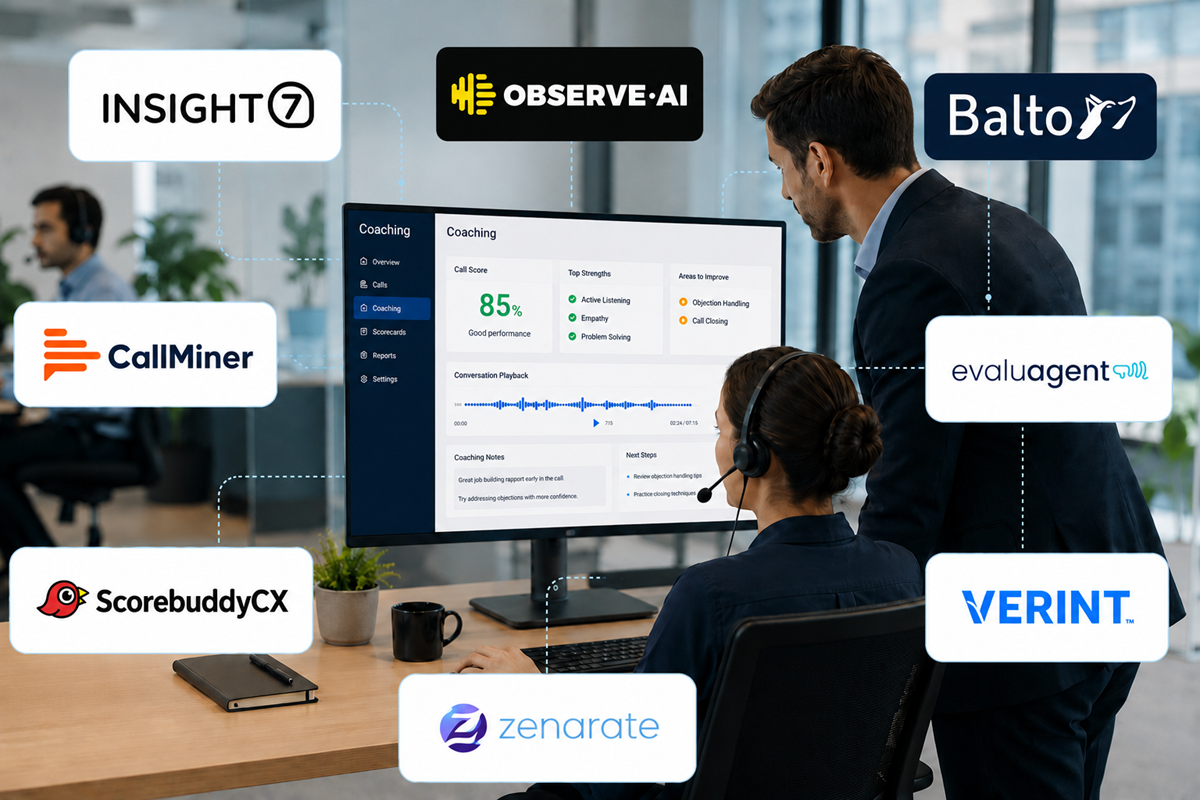
The integration of AI into leadership coaching is reshaping how leaders develop their skills and manage their teams. Traditional coaching often relied on subjective assessments and limited feedback, but AI technologies provide a more objective and comprehensive view of a leader's performance. For instance, AI-powered call analytics can automatically evaluate customer interactions, scoring them against custom quality criteria. This capability ensures that leaders receive consistent, unbiased evaluations, allowing them to identify areas for improvement and capitalize on their strengths.
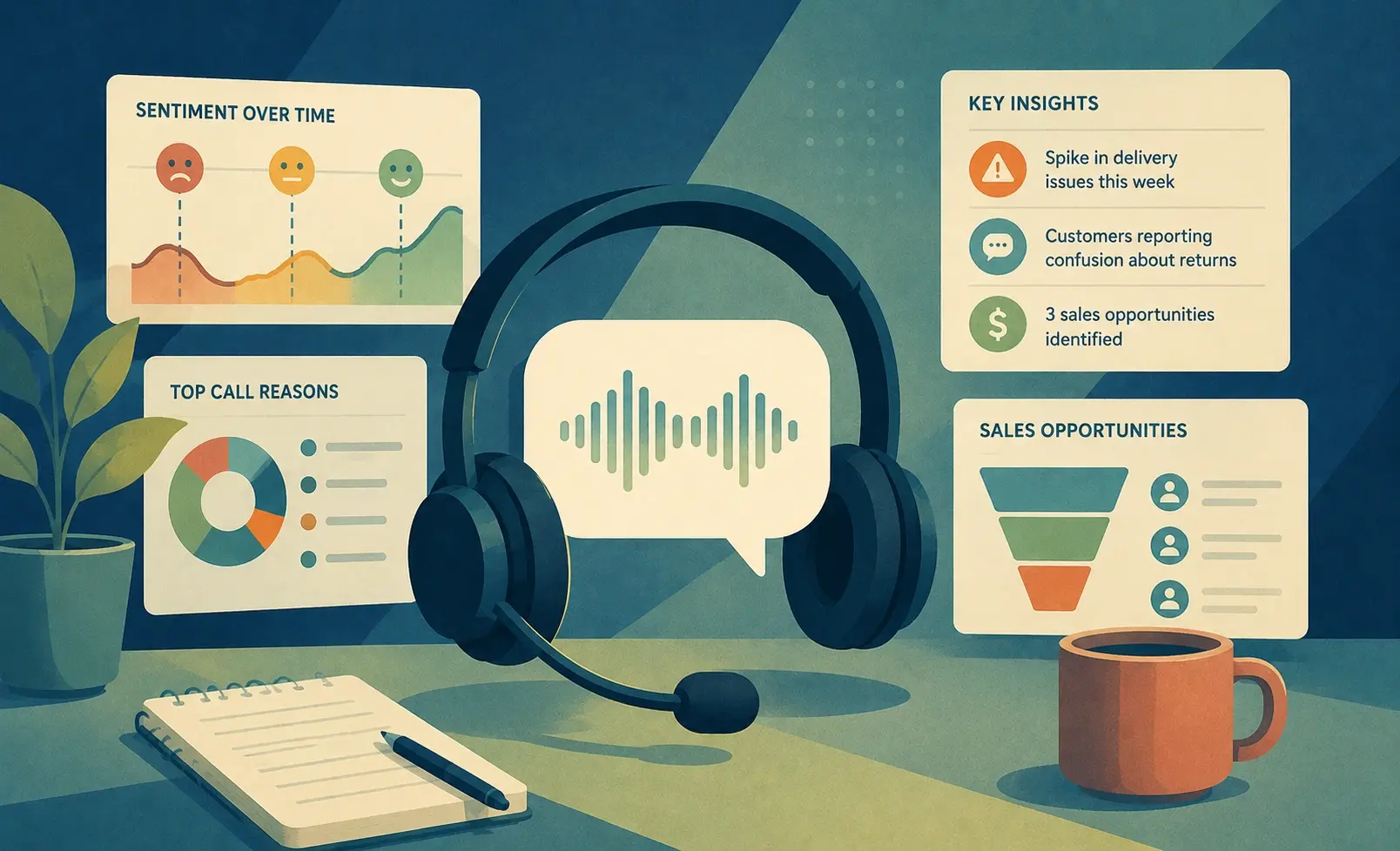
One of the most significant advantages of AI in leadership coaching is its ability to generate actionable insights from real conversations. By analyzing customer interactions, AI can detect sentiment, empathy, and resolution effectiveness, providing coaches with valuable data to inform their recommendations. This data-driven approach not only enhances the quality of coaching but also fosters a culture of continuous improvement within organizations. Leaders can track their performance over time, identify skill gaps, and receive personalized coaching suggestions that align with their unique development needs.
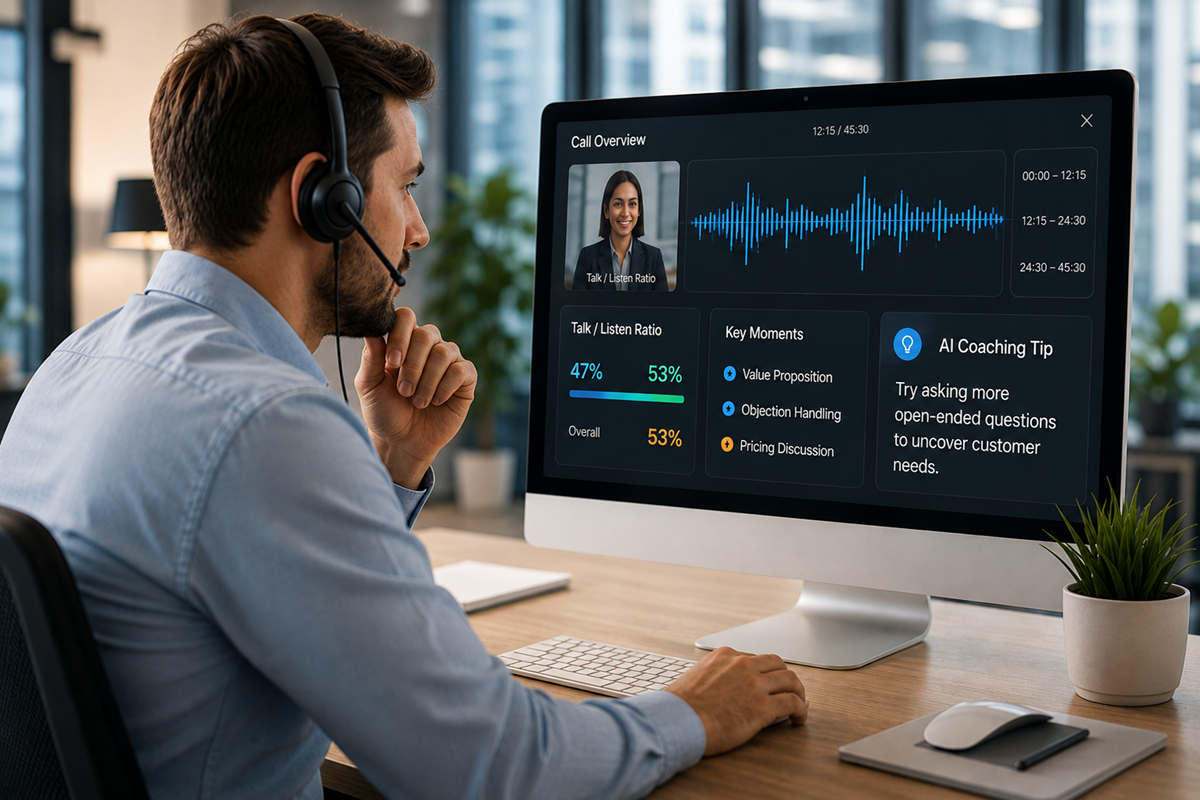
Moreover, AI enhances the coaching process by enabling real-time feedback and monitoring. With tools like Insight7, leaders can continuously assess their performance and receive immediate insights into their interactions. This level of responsiveness allows for timely adjustments in behavior and strategy, ultimately leading to improved team dynamics and customer satisfaction. By leveraging AI, organizations can create a more agile and adaptive leadership development process that meets the demands of today's fast-paced business environment.
As AI continues to evolve, its implications for leadership coaching will only grow. The future of coaching will likely see even more sophisticated AI tools that can predict leadership potential and facilitate group coaching sessions. This evolution will enable organizations to foster collaborative learning environments where leaders can share insights and strategies, further enhancing their development.
In conclusion, AI is transforming traditional leadership coaching models by providing data-driven insights, personalized feedback, and real-time monitoring capabilities. As organizations embrace these technologies, they can empower their leaders to refine their skills, improve team dynamics, and drive overall performance. The integration of AI into leadership coaching not only enhances the coaching experience but also ensures that leaders are well-equipped to navigate the complexities of the modern business landscape. As we look to the future, the potential for AI to reshape leadership development is immense, promising a new era of coaching that prioritizes agility, adaptability, and continuous improvement.
Implementation Strategies for AI in Coaching
AI is fundamentally reshaping traditional leadership coaching models by introducing advanced analytics and personalized feedback mechanisms that enhance the coaching experience. With platforms like Insight7, leaders can automatically evaluate customer interactions, uncovering actionable insights that drive performance and growth. This data-driven approach allows coaches to identify skill gaps, track progress over time, and deliver tailored coaching recommendations based on real conversations. As organizations face increasing demands for agility and adaptability, AI empowers leaders to refine their skills and improve team dynamics, ultimately driving better outcomes.
AI-powered tools enhance the consistency and objectivity of evaluations, ensuring leaders receive unbiased feedback. By analyzing customer interactions, AI can detect sentiment, empathy, and resolution effectiveness, providing coaches with valuable data to inform their recommendations. This fosters a culture of continuous improvement, enabling leaders to track their performance and receive personalized coaching suggestions that align with their unique development needs. As AI evolves, its role in leadership coaching will expand, promising a new era of coaching that prioritizes agility, adaptability, and continuous improvement.
Measuring Success in AI-Enhanced Coaching
Measuring success in AI-enhanced coaching involves a shift in traditional leadership coaching models, where AI technologies are revolutionizing how leaders develop their skills. AI-powered platforms like Insight7 provide automatic evaluations of customer interactions, offering unbiased insights that help coaches identify areas for improvement. This data-driven approach enables personalized feedback, allowing leaders to track their performance over time and receive tailored coaching recommendations based on real conversations.
Furthermore, AI enhances the coaching experience by facilitating real-time feedback and monitoring, empowering leaders to make timely adjustments in their strategies. As organizations increasingly adopt these technologies, they can foster a culture of continuous improvement, ensuring that leaders are equipped to navigate the complexities of modern business environments. Ultimately, AI is transforming leadership coaching into a more agile, responsive, and effective process.
Frequently Asked Questions
Q: How is AI transforming traditional leadership coaching models?
A: AI is revolutionizing leadership coaching by providing data-driven insights, enhancing evaluation consistency, and delivering personalized feedback. This allows coaches to identify skill gaps and track progress more effectively.
Q: What are the key benefits of using AI in leadership coaching?
A: Key benefits include automated evaluations of customer interactions, unbiased feedback, real-time performance monitoring, and tailored coaching recommendations based on actual conversations, fostering a culture of continuous improvement.
Q: How does AI improve the coaching experience for leaders?
A: AI enhances the coaching experience by offering actionable insights from customer interactions, enabling leaders to refine their skills and improve team dynamics, ultimately driving better organizational outcomes.
Q: Can AI tools help in identifying skill gaps?
A: Yes, AI tools can analyze conversations to uncover recurring issues and skill gaps, allowing coaches to provide targeted recommendations for improvement.
Q: What role does data play in AI-enhanced coaching?
A: Data plays a crucial role by providing objective insights into leader performance, sentiment detection, and resolution effectiveness, which inform coaching strategies and recommendations.